I say to you, something greater than the temple is here. If you knew what this meant, I desire mercy, not sacrifice, you would not have condemned these innocent men. For the Son of Man is Lord of the sabbath.” (Mt 12:6-8).
Jesus continues to rock established regulations and practice. Here he is challenging the understanding of the Sabbath itself when justifying the accusations leveled toward his disciples who were picking and eating grain on the Sabbath, and he does so in a profound way by saying that “something greater than the temple is here.” Present in the heart of the temple, the area called the Holy of Holies, was the ark of the covenant. Atop the ark was the lid called the mercy seat of God. Jews believed that this was where God sat and when the blood of atonement was offered from sacrifices, God’s mercy was offered to the people. In the temple then, was the very presence of God.
Jesus’ claim that he is greater than the temple is putting him on the same level as God. A blasphemous statement to say the least, unless of course, he is God. Not only does he make this claim, but he doubles down by claiming that he is the Lord of the sabbath; Jesus is God!
In quoting Hosea 6:6: “I desire mercy, not sacrifice”, Jesus is not only saying that he is the something greater, but also that his disciples are, his way is something greater. One of the foundational points of the Way of Jesus is mercy. Through the incarnation, the Son of God dwelt among us, became one with us in our humanity. He restored our dignity in the midst of our brokenness. What Jesus is saying in his defense of his disciples, and what he is saying to us today is: “What is owed to every human being on the basis of his or her human dignity is personal respect, personal acceptance, and personal care” (Kasper, 2014, 202).
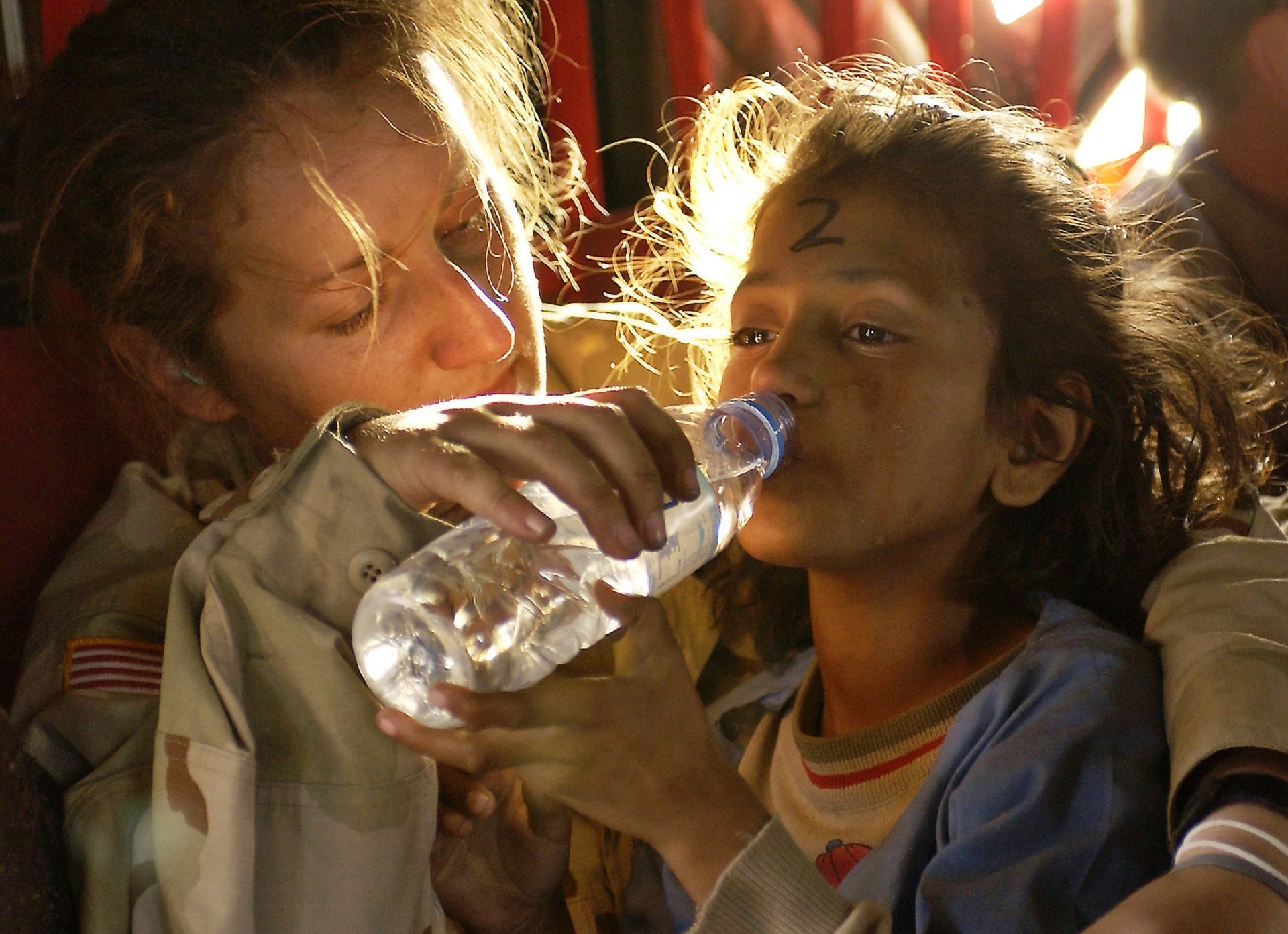
We as the Church are also greater than the temple as we are the Body of Christ and are to follow Jesus in his bestowing acts of mercy on our neighbor. “The works of mercy are charitable actions by which we come to the aid of our neighbor in his [or her] spiritual and bodily necessities. Instructing, advising, consoling, comforting are spiritual works of mercy, as are forgiving and bearing wrongs patiently. The corporal works of mercy consist especially in feeding the hungry, sheltering the homeless, clothing the naked, visiting the sick and imprisoned, and burying the dead. Among all these, giving alms to the poor is one of the chief witnesses to fraternal charity: it is also a work of justice pleasing to God” (Catechism of the Catholic Church, 2nd ed. 2447).
Let us review the spiritual and corporal works of mercy above and choose one to practice this week. May we desire and seek the mercy of God, be open to receiving it, and be open to share his mercy. Let us draw strength and courage from Jesus, so to be willing to face our own brokenness and come to healing, while at the same time bestowing mercy; which is “the willingness to enter the chaos of another” (Keenan, 2015).
—————————————
Mass readings for today, Friday, July 21, 2017:
Kasper, Walter. 2014. Mercy: The Essence of the Gospel and the Key to Christian Life. NY: Paulist Press.
Catholic Church. Catechism of the Catholic Church: Revised in Accordance with the Official Latin Text Promulgated by Pope John Paul II. Vatican City: Libreria Editrice Vaticana, 1997.
Keenan SJ, James. “The Scandal of Mercy Excludes No One.” Thinking Faith. December 4, 2015.
 Spiritual Stepping Stones