“And I tell you, ask and you will receive; seek and you will find; knock and the door will be opened to you. For everyone who asks, receives; and the one who seeks, finds; and to the one who knocks, the door will be opened” (Lk 11:9).
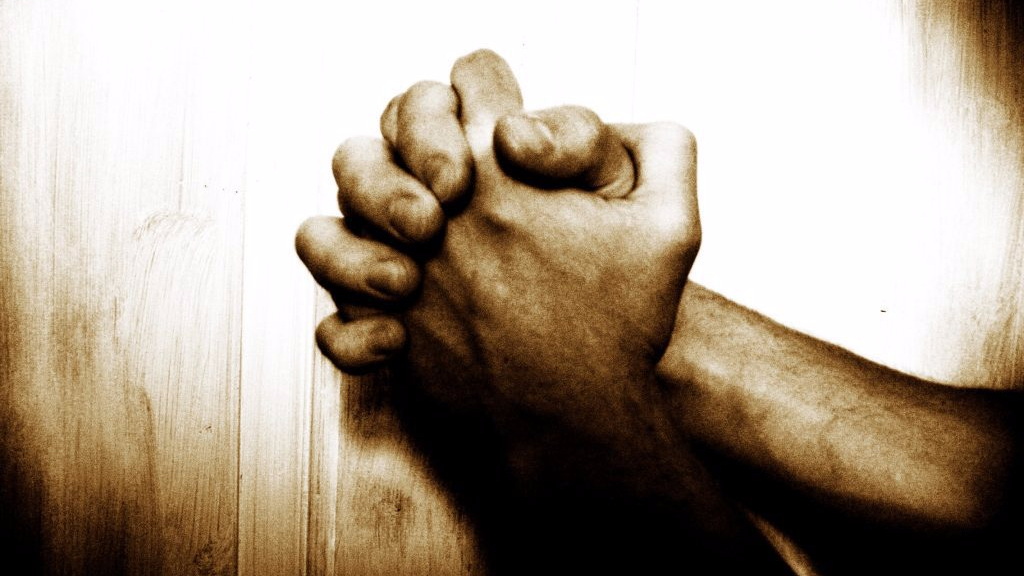
There is a challenge to prayer and that is our pride and self-centered stance. We can be frustrated in prayer because when we do make the time to pray, we feel or think that nothing is happening or has happened. We may pray a specific petition for our self, or for a particular intention for another and felt, or thought, that there was not an answer from God. One may pray a sincere, seemingly selfless prayer for a loved one, a child, a spouse, a friend, to be healed and the person still dies. They may be deeply hurt because they did what Jesus said, they asked, they pleaded and begged, but felt they did not receive the healing; they sought for, but found no cure, instead what they found was nothing but pain and heartache from the loss; they knocked until their knuckles were raw and experienced no one on the other side.
Our attitude and orientation to prayer matters. When we sincerely turn our heart and mind to God in prayer, something happens between us and God, though it may be beyond our cognitive grasp to understand or our sensory access to experience. There may indeed be emotional high’s and consolations experienced in prayer, but if seeking those is the primary motivation for prayer we will find ourselves more frustrated than not. Emotions are fleeting and not a good barometer when measuring the effectiveness for prayer.
Another big misconception is when we pray, “Our Father, highest gumball machine of all…” It may seem a silly analogy, but how many of us really do pray and only pray that way, and when we do not receive the specific thing we asked for, at the specific time specified, and as we wanted, we brood and think God doesn’t care or does not, in fact, even exist. We may even slip into the barter posture. God if you grant me this, I will do that. Now, prayers of petition are valid, but if that is the only way we pray, and we are only open to receive on our terms, again we are setting ourselves up for frustration.
The primary orientation, the primary foundation of prayer is relationship with God. Like any relationship, if we are only going to be a part of the relationship when all is good, free of conflict, fun in the sun, but once things get bumpy we are out of there, or we are only going to be a part of another’s life as long as we get what we want when we want and how we want with no concern for the other involved, our relationships will be shallow and unfulfilling.
The answer to ask, seek, and knock is found at the end of the Gospel reading for today: If you then, who are wicked, know how to give good gifts to your children, how much more will the Father in heaven give the Holy Spirit to those who ask him” (Lk 11:13)?
God knows what is best for us, he sees our potential, he wants us to experience joy and be fulfilled. How can we best live our lives in this world to attain that reality? We do so by receiving the Holy Spirit. Who is the Holy Spirit? The infinite, communal love expressed between God the Father and God the Son. Our goal in prayer is to enter into God’s reality of infinite Love. Through building a relationship with God, participating in his very life, we come to see the truth of empty promises, apparent goods, and faulty defense mechanisms that we have been utilizing as guideposts to get through life. In aligning ourselves with the Holy Spirit, we can then begin to conform our lives to that which is True, that which is Good, and that which is Beautiful. This is our true barometer of whether something is happening in prayer, if our life changing. Are we bearing the fruits of the Holy Spirit in our lives which are love, joy, peace, patience, kindness, goodness, gentleness, and self-control (cf. Galatians 5:22-23)?
Why mounting violent deaths, why prejudice, racism, polarization, when we pray for peace? There is no simple answer to the questions of why. For to answer those, we would need to be able to read the mind of God. We do need to remember that God is God and we are not. He does not cause evil, but he does allow it to happen. God sees from a greater perspective than we can from our individual, finite point of view. Though through prayer, we can glean some insights, as we trust in him, get to know him, experience his love, and so become not a part of the problem, but having experienced his love and blessing, ourselves reach out in giving ourselves to others so to be part of the solution.
Why did God not answer a prayer for healing a loved one that had to be taken so soon? Can’t answer that either. But we need to resist running from the pain of loss and be willing to mourn, to spend time in prayer. Our tears can then become a healing salve, a doorway into the open arms and embrace of Jesus who awaits us in the depth of our grief. Our loved ones have not come to an end, but a new beginning which we may experience with them when we become still enough. There have been many who have been graced by after death encounters.
Ultimately, what we ask, what we seek, and what we knock for is to be loved, to belong. We have been created as a living, craving hunger and desire to be one with God and one another in his love. The Holy Spirit, the love shared between the Father and the Son, is the gift of prayer that is open to us all. He is the answer to our prayer, though sometimes to be aware of him it takes perseverance, because it is not that God is not answering, but that we are needing time to mature, to send or roots deeper into our soul; we are needing time to heal or to build trust; to receive, and recognize his presence, his answer, his guidance.
Photo credit:
Link for the Mass readings for today:
 Spiritual Stepping Stones