
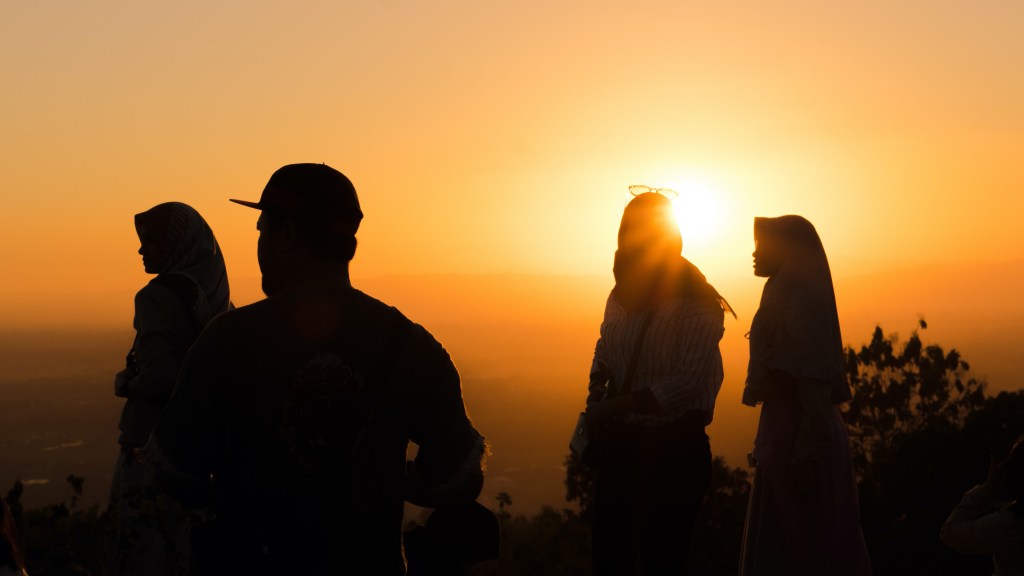
“The people who sit in darkness have seen a great light.”
Our country appears to be under a constant state of siege. Polarization does not seem to be dissipating but sometimes it feels like we are tearing each other apart. Laws are passed that do not protect the dignity of the person but justify the taking of life from the womb of his or her mother. We are no longer a nation that welcomes people to our shores but limits access and cages those fleeing violence and seeking asylum. More people seem to be dying of cancer, far too many people do not have access to quality healthcare and the rise of drug-related deaths and suicides among our youth is at epidemic proportions. Gun violence and mass shootings have become the norm and nothing seems to change.
And yet, we need not give in to the temptation of despair. Hope is presented in today’s reading from Matthew. “[T]he people who sit in darkness have seen a great light, on those dwelling in a land overshadowed by death light has arisen” (Mt. 4:16). This proclamation, quoted from the prophet Isaiah, (cf. 9:1) I took special comfort in while reading it today.
We certainly are a people sitting in darkness and are overshadowed by death on every side. Yet, we are not overcome. We can feed the darkness or be fed by the light. As Christians, we believe that Jesus is the fulfillment of Isaiah’s prophecy. And his antidote to address the darkness comes to us a few verses later. Jesus began to preach and say, “Repent, for the kingdom of heaven is at hand” (Mt 4:17).
Jesus’ message is as simple as it is clear. Jesus is the kingdom of heaven that is at hand. He is present among us as the light shining in the darkness. We can repent, come out from the shadows of our darkness, or we can retreat deeper into darkness. Each thought, word, or action contributes to deepening the present darkness or to the light that will overcome it.
——————————————-
Photo by Agung Pandit Wiguna from Pexels
Link for the Mass readings for Sunday, January 26, 2020
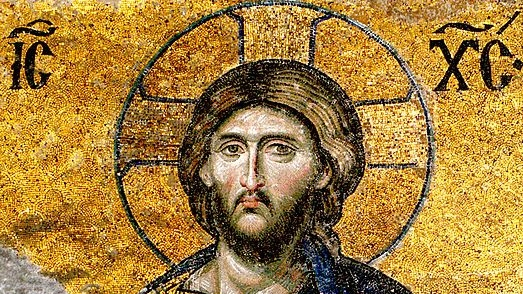
As we encounter Jesus, he sends us on a mission to give what we have received away.
In today’s gospel account, chosen because of the feast of St Paul’s conversion, we read:
Jesus appeared to the Eleven and said to them: “Go into the whole world and proclaim the Gospel to every creature” (Mk 16:15).
The Eleven, and Paul who would encounter Jesus after his Resurrection (cf. Acts 9:1-9), are commissioned with carrying the Gospel to the whole world. What did they preach? How are we do follow in their footsteps?
The earliest kerygmas, Greek for to preach, and in this case to preach the Gospel, were very simple but effective mnemonic devices. Each disciple was taught what was needed to be covered in sharing the Good News. One such “blueprint” was the symbol of the fish. In Greek, fish is written as ichthus. Each of the characters of ichthus represented the keywords that needed to be covered as follows:
Iesous – Jesus
Christos – Messiah or Anointed One
Theos – God
Hyios – Son
Soter – Savior.
Jesus Christ is the Son of God our Savior.
The dynamic truth of these five words is profoundly transformative if we truly believe them. What we need to ask ourselves is, do we believe this statement to be true? If we do, how can we stop ourselves from smiling, from dancing, from sharing that Jesus is truly who he said he is!
Jesus is fully God and fully man and he became one of us so that we can become one with him. Through the Son of God’s Incarnation, Passion, Resurrection, and Ascension, we are called, as were the first disciples, to share in the divinity of Jesus. We become deified, meaning we become God through our participation in the life of Jesus. The foundation of our faith has to do with our encounter with the person, Jesus the Christ.
This encounter is personal for each of us. No one can save another. We can only propose, invite, and present the Good News that Jesus Christ is the Son of God our Savior, and share our own experiences of this reality. Our encounter with Jesus does not need to be as brilliant as happened with Paul. More often, Jesus invites us in more quiet and subtle ways. We are to share the Gospel with joy and accompany each other on our journey by providing support, encouragement, and guidance, and let God be who he is and work through us as he will.
The Apostles and Paul, Mary the Mother of God, Mary Magdalene and the many who have continued to answer yes to his invitation through the ages up until this day were willing to be shaped, conformed and sent on mission. Each of us, have a part to play in salvation history, and so are invited to have our own unique experience of Jesus. As Bishop Robert Barron says often, “Our faith will grow as we give it away.” We too are called. When we say yes to Jesus, we too will be shaped, conformed, and sent on mission to proclaim the Gospel, to give our faith away!
——————————————-
Picture: The mosaic of Jesus Christ the Pantocrator, Ruler of the Universe, at Hagia Sophia, in Istanbul, Turkey.
Link for the Mass Readings for Saturday, January 25, 2020

Jesus calls us to greater heights. Are we willing to follow?
Jesus went up the mountain and summoned those whom he wanted and they came to him (Mk 3:13).
Through the centuries mountains have been sites where people have gone to rise above their daily experiences, to rise above the clouds, where the air is crisper, cleaner. It is a means of gaining a new perspective, transcending the human to touch the spiritual, and possibly hearing the voice of God. When one of the Gospel writers inserts the detail that Jesus is present on a mountain, we can be prepared that something significant is going to happen.
In today’s Gospel of Mark, the good news revealed to us is that Jesus calls to himself the Twelve, the Apostles, to preach and cast out demons. They are to continue the ministry of Jesus. These are not perfect men, but each will have a part to play in salvation history. Jesus will entrust them with the deposit of faith that they are to protect, yes, but more so to proclaim. Apostle means one who is sent.
Jesus will continue to call the Twelve to himself, to teach, mentor, model, and empower them so they will continue his mission to call people to repent and believe in the Gospel. Even though, especially through the Gospel of Mark, it often looks as if Jesus may have made a mistake in his choice. The Twelve do not ever grasp who Jesus really is, and when Jesus needs them most, Judas will turn him over to the Temple guards, the others flee at his arrest, and Peter will publicly deny him three times. It will not be until after the Resurrection and Ascension that the seeds that Jesus had sowed in them would begin to germinate and bear fruit.
Just as Jesus called the Twelve, he calls us as well. Each generation must experience and embrace the deposit of faith that has been given to us and pass it on to the next. Are we perfect, no. Do we have doubts, fears, weaknesses, yes. Does God call us and love us anyway? Yes. Like each Apostle, we are to go out and proclaim the good news that Jesus is our Lord! We do this daily with our words, faces, and actions. We think, look, speak, and act in ways that are kind, empowering, uplifting, and convicting while at the same time resisting the temptation to fix others. We are to strive to bear witness, be present, accompany and guide one another.
We all have much on our plate, some of us to overflowing. We may be thinking I cannot possibly do one more thing. Start small by bringing God with us into whatever we are already doing. He will give us the tools and accompany us as we seek to fulfill his will. As did the Apostles, we will make mistakes, make false starts, trip, fall, sin, and deny opportunities to reach out to be a witness. When we commit any or all of the above, we must resist beating ourselves up and instead learn from the experience, lean into Jesus, and with him prepare better for the next apostolic opportunity.
Jesus went up the mountain and summoned those whom he would send. Are we worthy of this same call? Probably not, for all of us fall short of the glory of God. Are we willing? That is a question for each of us to answer today and each day hereafter.
Photo: Hiking to the heights, Mohawk Trail, MA., around 1983-84
Link for today’s Mass readings for Friday, January 24, 2020
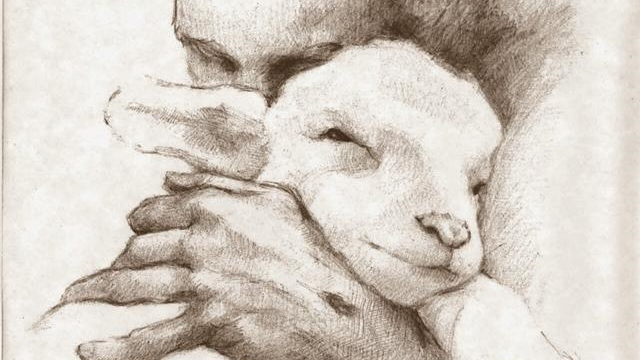
As we allow Jesus to embrace us we come to know our mission.
Mark details in his account that many from all over the region came to Jesus to be healed. Among the crowd, unclean spirits threw those they possessed down before Jesus. This did not slow the gathering of people who pressed in on Jesus, just to touch him. The crowd grew to a point that it was getting out of control so Jesus “told his disciples to have a boat ready for him because of the crowd, so that they would not crush him” (Mk 3:9).
People wanted to be healed, to be cured, to be exorcised, and brought others to experience the same. Yet they were missing the deeper point of who Jesus is. He was not just a miracle worker, not just someone that brought about physical healing. Healing accounts were heard and known about in the ancient world. The unclean spirits got it, they recognized Jesus before the people did, “for, whenever unclean spirits saw him they would fall down before him and shout, ‘You are the Son of God'” (Mk 3:11).
Throughout the Gospel of Mark, we will read about how the crowds, disciples, and even the apostles, all struggle to understand who Jesus is. The people closed in on Jesus seeking to be healed, but missing the deeper hunger within their souls that St Augustine, the fourth-century bishop of Hippo, so eloquently described on the first page of his autobiography: “[Y]ou have made us for yourself, and our hearts are restless until they can find peace in you” (Augustine 1963, 17). Jesus is the Son of God, not just a miracle worker, but God Incarnate.
The only way we will be fully satisfied, find fulfillment, find meaning, and be at peace within our own skin, is by developing an ongoing, developing, and deepening relationship and communion with our Creator. God is infinite and cannot be exhausted. We as finite beings are left wanting with even the best of material things. We always hunger and want for more, because in the depths of our very being, whether we recognize it or not, we want God.
We need to make time each day to discern which experiences leave us feeling flat, let down, or deflated. Then look at what experiences open us up to joy, ways in which we feel inspired, empowered, where we encounter a foretaste of heaven, the divine in our midst. When we slow down and make the time to see where we do not, and do, experience God in our everyday experience, we can better choose actions that will support a deeper relationship, deeper intimacy, and union that we all hunger and thirst for.
Jesus offers us today his good news: Christianity is not just a philosophy or even a theology, we are not just a people of the Book. Christianity is an encounter with the living God who has opened up heaven for us in the humanity he has assumed. Jesus conquered death and freed us to abide in an authentic love expressed at a deeper, more intimate level than we can ever imagine. Jesus satisfies our deepest hunger as he invites us to be drawn into his grace-filled embrace so as to be healed, renewed, shaped, and conformed to his heart, mind, and will. When we come to this place of encounter, reconciliation, and relationship, we come to know our mission and in serving through that mission we come to know who we are.
————————————————————————
Drawing by: Jesus and the Lamb by Katherine F. Brown
St Augustine. The Confessions of St Augustine. Translated by Rex Warner. New York: New American Library, 1963.
Link for the Mass reading for Thursday, January 23, 2020
Jesus, please reveal to us and heal us of our pride.
In today’s Gospel scene, Jesus enters the synagogue and sees a man with a withered hand. The eyes of the Pharisees are on him to see if, yet again, Jesus will heal on the Sabbath. Jesus is clear in his mind what he is going to do, though before doing so, he calls the man up and asks the Pharisees, “Is it lawful to do good on the sabbath rather than to do evil, to save life rather than to destroy it” (Mk 3:4)?
Jesus here is giving them a no brainer of a question. Of course, one is to do good rather than evil on the Sabbath, to save life rather than destroy it! Yet, the Pharisees remain silent. Jesus expresses anger and grief “at their hardness of heart”. Imagine yourself present in the synagogue and witnessing Jesus looking at the Pharisees and the Pharisees looking back at him. I am sure you can recall a time when being present in a similar scene and there was dead silence. Can you imagine what was going through the mind of the guy standing in between them with the withered hand?
The anger rising in Jesus may have to do with the unwillingness of the Pharisees to show any compassion, their outright refusal to acknowledge the need of this man. That they would hold so tightly to their self-righteous stance to refuse to even have a discussion about the matter. Not even to say in effect, “Yes, Jesus of course, it is lawful to do good, to save a life but what you are doing is unorthodox.” No. They refuse to dialogue. Their faces are set like flint, they are digging in their heels, and even though Jesus is inviting them to move toward compassion, they instead harden their hearts. In their silence, they are choosing evil over good, destroying life rather than saving it. Pride has reared its grotesque head yet again.
Jesus breaks the silence as he says to the man, “Stretch out your hand.”
The man is healed, but instead of rejoicing, and sharing the good news as Andrew did with his brother Simon, the Pharisees leave immediately to find the Herodians and begin to plot to not only undo Jesus but how “to put him to death.”
We have witnessed in today’s Gospel the evil of pride. We have witnessed the mercy of God presented and rejected. As is stated in the Catechism of the Catholic Church: “There are no limits to the mercy of God, but anyone who deliberately refuses to accept his mercy by repenting, rejects the forgiveness of his sins and the salvation offered by the Holy Spirit” (1864). That is what Jesus is angry about. Not only do the Pharisees resist any move in the slightest direction toward compassion, or their own repentance, they further separate themselves from the love of God. They start with a principle of defending the law, and walk out seething with a premeditated intent to kill Jesus, and on the Sabbath!
With each choice of putting self over another, pride grows. Its appetite is insatiable. Pride is known as the mother of all sins because of its disordered focus on self at the expense of all others and all else. The attention sought is solely to oneself. The height of which is in direct opposition to God. We have witnessed its effects in today’s Gospel.
Let us begin this day together in prayer. Jesus, I surrender my will to you this day. Reveal the darkness that dwells within me and grant me the humility to call it out for what it is. Grant me the courage to repent and the willingness to receive the healing touch of the Holy Spirit such that I might be transformed in your image and likeness, so to know you and your Father more. May I reject evil and choose good, reject pride and choose love, reject death and choose life. With each person I encounter today, may I reject the temptation to withdraw or scowl and instead offer a smile and a hand of welcome.
———————————————————————-
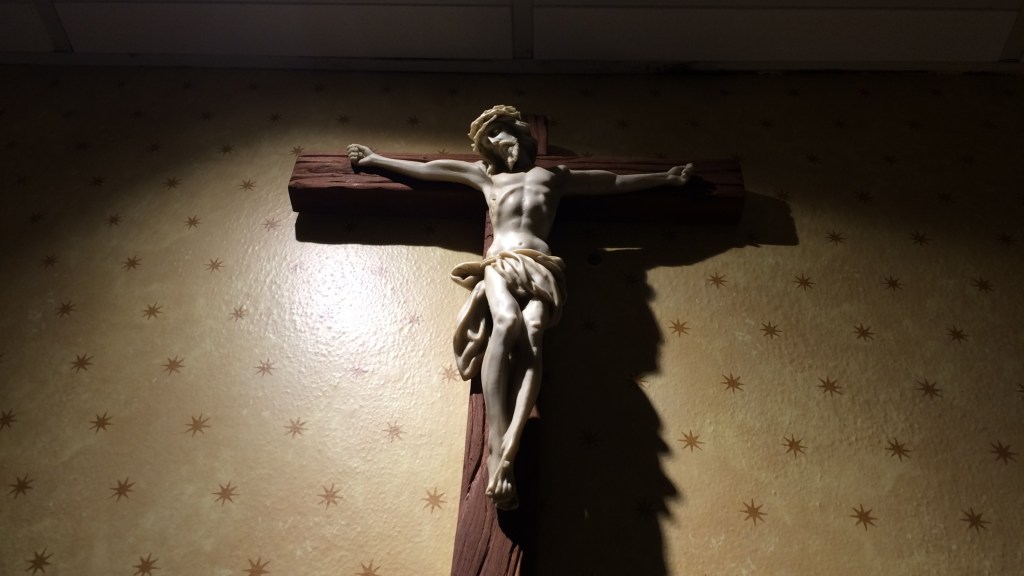
Photo: Crucifix hanging in our chapel last year at Cardinal Newman High School. May the light of Christ dispel any darkness from our midst.
Catholic Church. “Article 8: Sin,” in the Catechism of the Catholic Church, 2nd ed. Vatican: Libreria Editrice Vaticana, 2012.
Link for today’s Mass readings for Wednesday, January 22, 2020
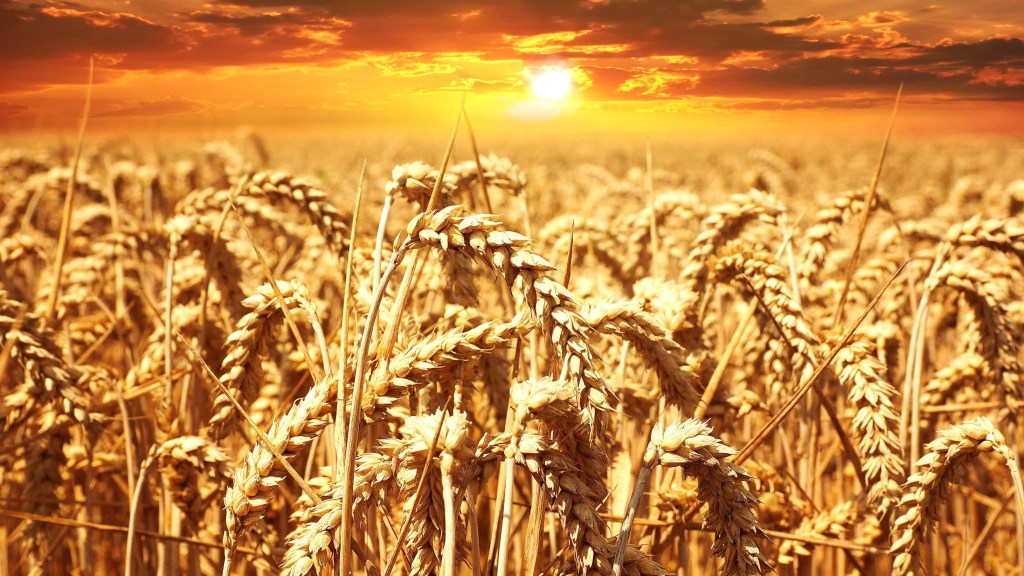
May we be empowered by the Lord of the Sabbath, the Bread of Life, to love and respect the dignity of all life.
“The sabbath was made for man, not man for the sabbath. That is why the Son of Man is lord even of the sabbath” (Mk 2:27-28).
In making the above statement, Jesus was not discrediting or devaluing the observance of the Sabbath. He was weighing in on one of the common debates that Jewish people engaged in about what was considered work, and thus what could and could not be done on the Sabbath. Jesus went deeper to address the origin of the Sabbath observance in that it, “commemorates God’s creative and saving action for humanity, and alleviating hunger might be an example” (Donahue and Harrington, 112).
God created us, formed us, and breathed life into us. God seeks intimacy and closeness between himself and us his created beings, his children. God is our source and we are interconnected in our relationship with him and with one another. God continues to deal with us in a personal way. The Torah, the Law or the Teachings, is meant to enhance the intimacy and closeness of that relationship with God and one another, to provide boundaries and definition so that we can resist going astray.
Jesus has come to fulfill the Law, to restore it from distortion, while at the same time bring it to a higher level of love. When asked what commandment is the greatest, Jesus announced that we are to Love God with all our heart, soul, mind, and strength and we are to love our neighbor as ourselves (cf. Mk:29-31). To live out this commandment then, we need to foster our relationship with God if we are to experience his love, mercy, and forgiveness, to fill up to overflowing, so to share with others what we have received, otherwise, we have nothing to give.
With or without a relationship with God we can experience emptiness, anxiety, fear, and loneliness. Without a relationship with God, and the community of the Church, we are more vulnerable to the temptations to satiate our hunger with the material, finite, and false goods, that are readily available, and hungering more and more, fall deeper into the lures of power, pride, prestige, ego, and addiction. We then seek to protect that false sense of self at all costs, and react defensively, as we feed our fear and pride. We buffer ourselves off from the very one we have been created for, and those we consider as other.
May we pray and seek opportunities to help those who do not recognize the dignity of life in the womb. We do this best by respecting the dignity of life at all stages and acknowledging the dignity of all people by engaging in respectful dialogue even when we do not agree. May we align ourselves with Pope Francis who said in his homily in 2018 that: “Having doubts and fears is not a sin. The sin is to allow these fears to determine our responses, to limit our choices, to compromise respect and generosity, to feed hostility and rejection. The sin is to refuse to encounter the other, the different, the neighbor when this is, in fact, a privileged opportunity to encounter the Lord.”
May we resist the fear of those we may perceive as different, but seek instead to encounter, accompany, and work to empower and provide means of access for one another, especially, the most vulnerable among us. May the scales of prejudice fall from our eyes such that we may see each person as God sees us, as human beings endowed with dignity, worth, potential, and diverse gifts, created in his image and likeness from the moment of conception through each stage of life until natural death.
Let us align ourselves with the Lord of the Sabbath, who walked with his disciples among a field wheat one day, and who is now our Bread of Life this day. As his followers, we are to commit to allowing no evil talk to pass our lips and to say only the good things that people need to hear (cf. Ephesians 4:29). We need to have the courage to stand up, call out and hold accountable those who delegitimize, degrade, and dehumanize others in word and deed, while at the same time resist attacking the person. We are to love, to will their good, even those who speak and act with hate. As with Dr. King, whose memorial we celebrated yesterday, we must be instruments of the light that dispels the darkness and the love that transforms hate.
———————————————————
Photo accessed from http://www.pexels.com
Donahue, S.J., John R., and Daniel J. Harrington, S.J. The Gospel of Mark in Sacra in Sacra Pagina Series, vol. 2. Collegeville, MN: Liturgical Press, 2002.
Pope Francis full text of homily at Mass on World Day of Migrants and Refugees, Sunday, January 14, 2018: http://saltandlighttv.org/blogfeed/getpost.php?id=79091
Link for readings for Mass readings for Tuesday, January 21, 2020
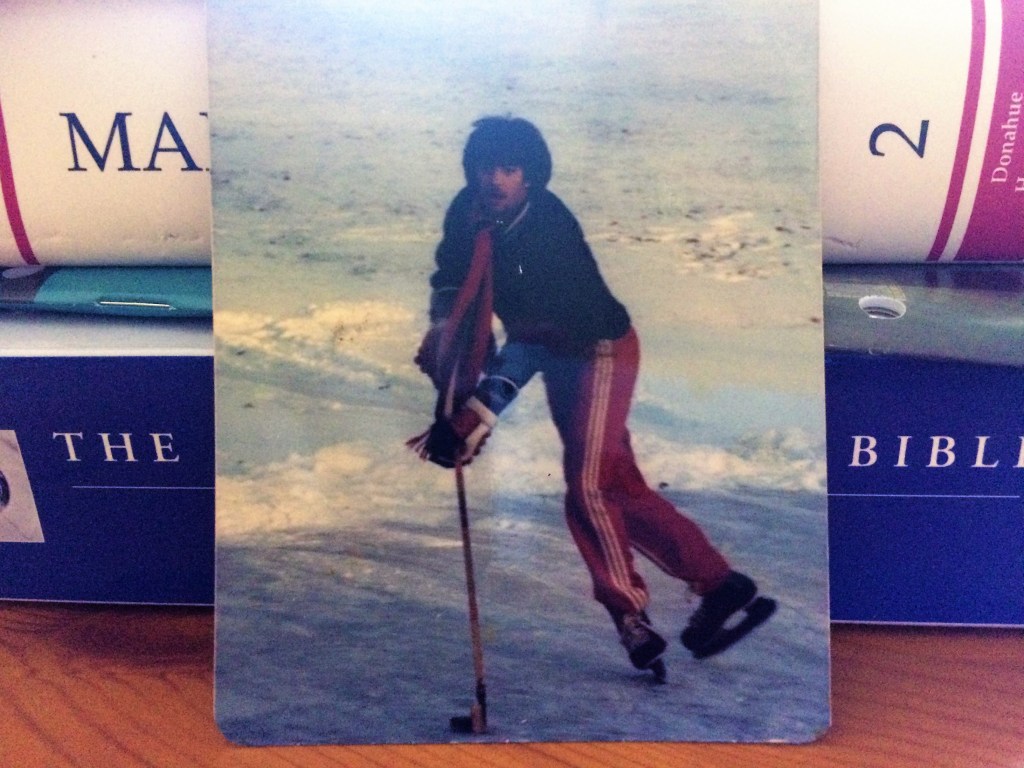
Celebrate life with a balance of embracing the physical and spiritual.
“Can the wedding guests fast while the bridegroom is with them? As long as they have the bridegroom with them they cannot fast. But the days will come when the bridegroom is taken away from them, and then they will fast on that day” (Mk 2:19-20).
The conflict that Jesus is responding to is that Jesus is witnessed eating and drinking, practicing table fellowship with his disciples, as well as tax collectors and sinners. There is no evidence that he and his disciples practice fasting. Jesus’ response utilizes the image of a wedding banquet, which for the people of his time would often last at least a week.
Devout Jews could fast one to two days per week, but during a wedding feast, there was an exemption from fasting. Now that Jesus has begun his public ministry, it is a time of celebration, because Jesus has been proclaiming the good news that the kingdom of God is at hand, the bridegroom is with his people. As Donahue and Harrington write: “People are summoned to hear the good news of the victory of God over evil, illness, and sin. Even those thought to be habitually outside the pale of God’s forgiveness are welcomed to the banquet” (Donahue 2002, 108). This is indeed a time to rejoice for heaven and earth have been wedded!
People are being healed of chronic conditions, having demons exorcised from them, are able to see, to hear, and be restored to the community that they had been separated from. These are causes of celebration, why wouldn’t those receiving the gift of new life not celebrate? We have and will continue to see Jesus preaching, healing, and inviting those in his midst to participate in God’s kingdom played out in our daily readings. That is one of the gifts of reading the Gospels.
Jesus also references his death, when he will be taken away, and the people will fast on that day. This day will be his crucifixion. So we, like the community of Mark, live in between the time when Jesus walked the earth and proclaimed his message of the good news, and after his Crucifixion, Resurrection, and Ascension, until the time when he will return. We are living in a time of both/and. If we look at the course of a week as a model, we may contemplate the opportunity to fast on Fridays in remembrance of the day he gave his life for us, and to feast on Sundays, the Lord’s Day, when we celebrate his Resurrection.
The course of our life follows an ebb and flow of sorrow and joy, sickness and healing, conflict and resolution, sin, and reconciliation. In the midst of our everyday experiences, Jesus, the one who is fully human and fully divine, invites us to yoke our lives to his, and seek to live a life of balance. Let us resist the temptations of overindulgence and gluttony while at the same time resisting the polar opposite of hyper asceticism. We are a unity of soul and body, so we need to attend to and take care of both our spiritual and physical needs.
I invite you to make a list of three things you can do for yourself this week to take care of yourself. Three things to take care of the spirit, such as go to Mass or gather in the community of your faith practice, spend five minutes a day in quiet prayer, read from the Gospel of Mark, a spiritual book, meditate in silence, and/or listen to some music. Three things to take care of the physical, such as plan your meals so they are a little healthier, fast with smaller meals on Friday, and invite family and friends to gather this Sunday for a meal and fellowship together, spend some quiet time reading, add some exercises that include a combination of stretching, cardio, and weight-bearing, take a walk outside, breath in some fresh clean air.
Life goes too fast, let us not take the gift of our life for granted, and commit this week to better take care of ourselves and each other, to celebrate the victory we have received in Christ, the wedding of heaven and earth, the human and divine.
—————————————————————————–
Photo: Playing hockey (around 1982) and reading the Bible, an ideal balance of body and spirit!
Donahue, S.J., John R., and Daniel J. Harrington, S.J. The Gospel of Mark in Sacra in Sacra Pagina Series, vol. 2. Collegeville, MN: Liturgical Press, 2002.
Link for today’s Mass readings for Monday, January 20, 2020
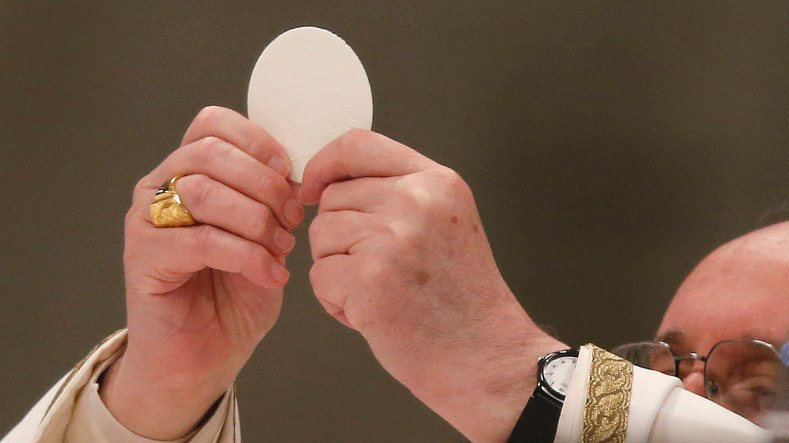
“Behold, the Lamb of God.”
One significant day, those who gathered around John the Baptist to be baptized in the Jordan heard John speak, “Behold, the Lamb of God, who takes away the sin of the world” (Jn 1:29). We who attend Mass hear the priest invoke this same phrase as he holds up the consecrated host. Jesus, of whom John said, “Now I have seen and testified that he is the Son of God” (Jn 1:24), is present as the Son of God in our midst at Mass as well.
Jesus is truly present to us in the Eucharist. This is no mere remembrance nor just a symbol. Jesus came to us, to become one with us, show we can be nourished by his very Body and Blood and so become one with him. This gives new meaning to the words we are what we eat! In receiving Jesus in this way, we are transformed and conformed to him so that when we return to our everyday experiences we can see Jesus present in each other. This intimate encounter with Jesus is a gift that we are invited to receive and partake of often, even daily if at all possible.
Many times we struggle in our lives because we may not feel understood or misunderstood, we may not feel accepted for who we are, and/or we feel alone. Jesus is always present to us. Through his physical manifestation and presence in the Eucharist, we are reminded that God loves us so much that he sent his Son to not only be present but accompany us. He understands our trials and tribulations because he experienced them first hand.
As we gather around the table of fellowship to experience the sacrifice of Jesus that is re-presented in his real presence, we experience again that Jesus has died for us that we might have life. He died for us so he could be present to us in the very simple elements of bread and wine anywhere and everywhere in the world, to remind us that we are never alone, that we might be restored to who God created us to be so we can embrace our lives and live them to the full. Pope Francis stated in November of 2018 that, “the Eucharist stands at the very heart of the church’s life. It is a paschal mystery that can enhance the baptized as individuals, but also the earthly city in which they live and work.”
When we come to Mass we do not come for ourselves alone. We come to participate in the heavenly banquet feast that happens on earth as it is in heaven. We come to pray for the salvation of the world. We come to be transformed by the Son of God and as we consume him in such an intimate way, we become more and more conformed to his Body. We do so in such that we may “spread the seeds of a eucharistic culture by becoming servants of the poor, not in the name of an ideology but of the Gospel itself, which becomes a rule of life for individuals and communities” (Pope Francis).
Come to the feast and invite others to join you so that together we may, “Behold, the Lamb of God, who takes away the sin of the world” (Jn 1:29). And know that we are not alone but loved more than we can ever imagine and given the mission to go forth and love others as we have been loved.
Photo: Pope Francis elevating Jesus truly present.
Article – Eucharist Creates the Communion the World Needs, Pope says
Link for the Mass readings for Sunday, January 19, 2020
 Spiritual Stepping Stones