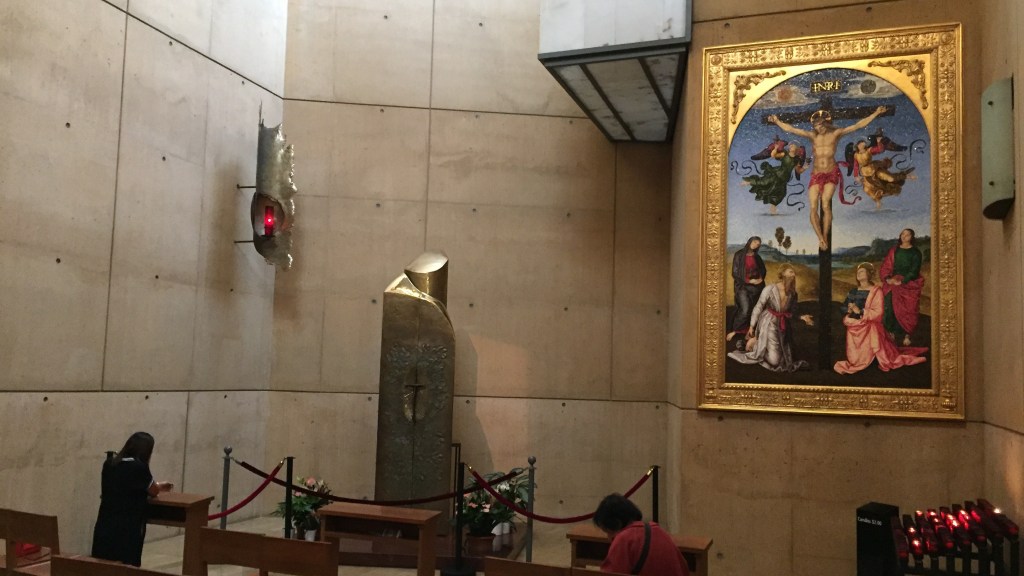
“The souls of the just are in the hand of God.”
“For this is the will of my Father, that everyone who sees the Son and believes in him may have eternal life, and I shall raise him on the last day” (Jn 6:40).
This is what we believe, this is our hope, that we who encounter Jesus and believe in him shall have eternal life. God’s will, what he created us for, is to be in communion with him and one another in this life and the next. A word of assurance that I often lean on is from the book of Wisdom from our first reading today, “The souls of the just are in the hand of God, and no torment shall touch them. They seemed, in the view of the foolish, to be dead; and their passing away was thought an affliction and their going forth from us utter destruction. But they are in peace” (Wisdom 3:1-3).
The miracle of Jesus raising the daughter of the official embodies these verses from Wisdom. As Jesus entered the home of the official many were “making a commotion” and Jesus dismissed them stating: “Go away! the girl is not dead but sleeping.” He was ridiculed by the crowd but paid them no heed. He went to the girl, took her hand, “and the little girl arose” (cf. Mt 9:18-26).
Jesus’ assured his followers as he assures us today that the will of his Father is that all will be saved. Experiences like the raising of the official’s daughter, the son of the widow from Nain, and Lazarus, were not only seeds of hope planting the promise of his resurrection to come but a foretaste of the raising of humanity on the last day. His disciples witnessed Jesus’ actions and words, and not only kept these experiences in their hearts but shared them. This is the gift of the Gospels. We are able to enter into and experience these same encounters with Jesus again each time we read the Bible. Each time we pray, each time we worship and serve one another, we also experience Jesus who, in each of these moments of encounter, shapes and conforms us into who we have been created and called by God to be.
This All Souls Day we celebrate the gift that Jesus was victorious over sin and death, not only for himself but for all of us. I remember JoAnn today and embrace the hope that “the souls of the just are in the hands of God”. Who do you remember? Let us lift up those we hold close to our heart, those aborted and miscarried, those who have died seeking a better life, as well as those who have died alone, and suffered tragic and violent deaths. We pray with the Church: “Merciful Father, hear our prayers and console us. As we renew our faith in your Son, whom you raised from the dead, strengthen our hope that all our departed brothers and sisters will share in his resurrection, who lives and reigns with you and the Holy Spirit, one God, forever and ever” (Prayer for All Souls, Liturgy of the Hours).
——————————————————————
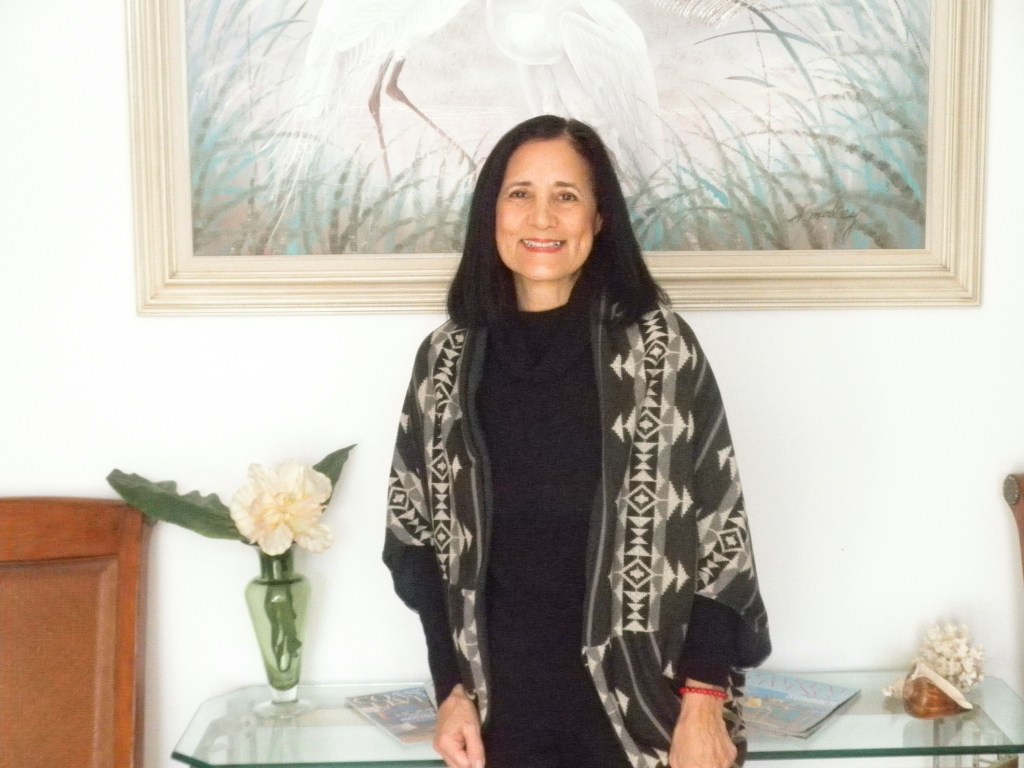
Photo: Remembering JoAnn, my heart and my love. Picture from her birthday 2015.
Link for the Mass readings for Saturday, November 2, 2019
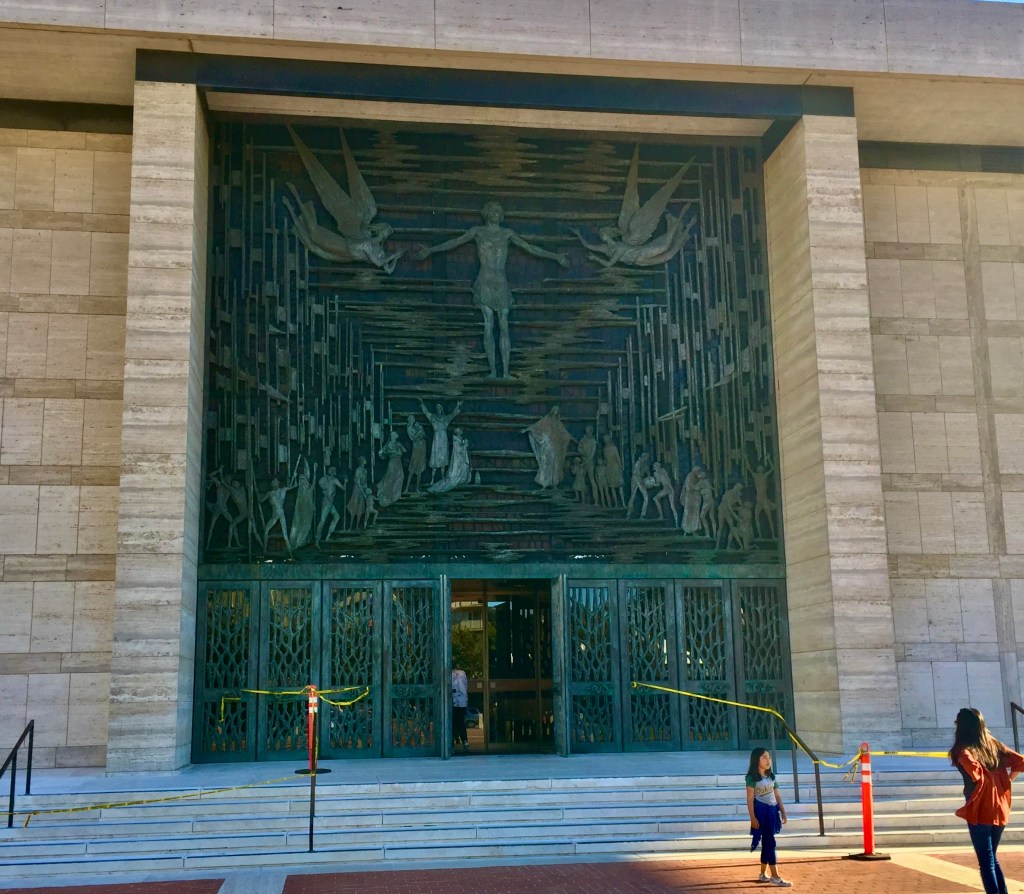
Jesus meets us with arms wide open when we come to him in our time of mourning.
“Blessed are they who mourn, for they will be comforted” (Mt 5:4).
Another word for blessed is happy. How are we to feel blessed, or happy? How do the families and friends of those who have died feel blessed? We hear and worse do not hear about violent acts weekly. Just in the past three days, 71 people have died from gun violence in our country (Gun Violence Archive). From a theological reference, one response can be that Jesus spoke from the perspective of the eschatological event, his second coming at the end of time and that we can rely on the hope that Jesus died for us all and we will rise with him on the last day.
This is our hope and this is true, but I also believe that Jesus was also speaking about our day to day experiences as well. Jesus said, as is recorded in Mark 1:15, “This is the time of fulfillment. The kingdom of God is at hand.” Jesus, is the kingdom at hand, just an outstretched arm away. Those of us who mourn will be blessed, will find comfort when we resist running away, or denying the agony and pain that threatens to overwhelm us and instead allow ourselves to experience the grief and the suffering of our loss. It is in the very embracing of our pain and suffering that we come to encounter Jesus with his arms wide open.
By experiencing the depth of our sorrow and allowing ourselves to grieve and mourn in his loving embrace, we can release this unbearable weight and begin to heal. If we ask God or anyone near us why someone dies we may not receive a sufficient answer. His Son though, who suffered the agony, loss, pain, and hurt as we do, understands what we are feeling. His presence and closeness will be the strength we need to guide us through the many ups and downs, fits and starts, of our emotional roller coaster. Just like having a surgical amputation, our life will never be the same, but we will heal and be able to live again.
Today, we celebrate the gift of the Communion of Saints on this All Saints Day. The saints understood and lived the message and truth of the Gospel that Jesus has risen. They have lived their life to the full and have gone before us to the true land of promise, our heavenly home, and from there they cheer us on, encourage us, and intercede for us.
Jesus suffered and persevered through the cross, then into and conquered death. We need not fear death because through our life in Jesus, death no longer has any power over us. Yes, we mourn the loss of those no longer with us in this reality, yet we also rejoice in their new life in Christ. St Paul of the Cross, taught: “The world lives unmindful of the sufferings of Jesus which are the miracle of miracles of the love of God. We must arouse the world from its slumber.” Let us then not run from but enter into our pain and mourn so that we may experience God’s comfort, peace, and healing.
—————————————————————
The source for the quote is from St Paul of the Cross: https://passionist.org/st-paul-of-the-cross-passionist-founder/
Photo: Entrance to the Cathedral of Saint Mary of the Assumption, San Francisco
Link for the Mass Readings for Friday, November 1, 2019
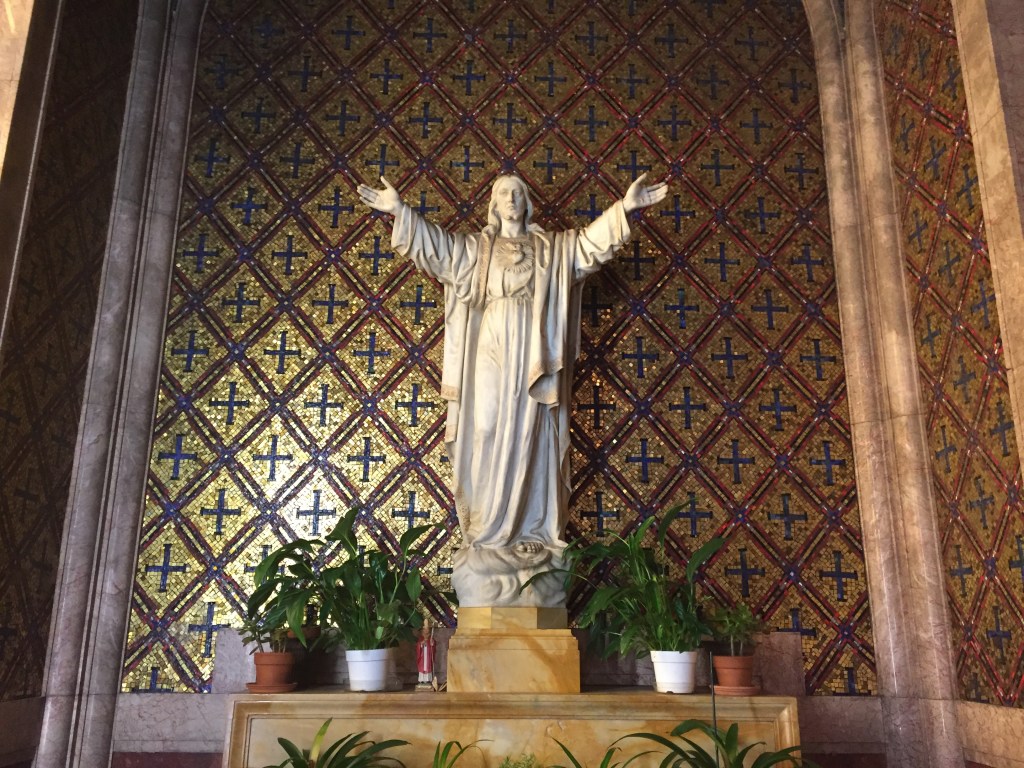
Do we have the faith, the courage, to allow Jesus to witness through us?
Some Pharisees came to Jesus and said, “Go away, leave this area because Herod wants to kill you” (Lk 13:31).
Even with this warning, from some Pharisees no less, Jesus continued to teach openly and publicly as well as performed healings and cast out demons. He did not fear the threat of retribution even from the likes of Herod. He willingly surrendered all to his Father.
The courage of Jesus makes him a very dangerous man because he cannot be controlled, threatened, or coerced. Jesus is sure of what God has sent him to do and he is going to follow through with his Father’s plan even to the point of giving his life.
Many, even those who didn’t believe like the centurion who ran his spear through his side, admired his courage, coming to believe that he was the Messiah (cf. Mark 16:39). Many of the first-century martyrs who followed Jesus to their own deaths were a big reason for many who came to believe and also became followers of this One who died on a Cross. Tertullian, one of the early Church Fathers, living from 155 – 220 AD, went so far as to say that “The blood of the martyrs is the seed of the Church.”
We are all called by God to be martyrs, not necessarily by shedding our blood. Martyr literally means witness. Each of us is called by Jesus to bear witness to what we believe. Faith is a gift. If we feel that we are weak in our faith, we are in good company, because Jesus said on more than one occasion to his Apostles, the ones he would send out as his witnesses, “Oh, you of little faith.”
If we feel like our faith could use a little shoring up, then we can ask God to increase our faith, while at the same time, we can start to bear witness in our everyday encounters. How this plays out will be different for each of us. All of us have had those stirrings of the heart to say or do something or to reach out in one way or another.
Last week, I was walking back to our apartment with a pizza for supper for me and Jack. I was coming up on someone walking ahead of me, who was disheveled, skinny, and could have used something to eat. I felt the stirring within to ask if he wanted a slice, not a big effort or cost on my part. I didn’t follow through. I bought into the mind noise of reasons why I shouldn’t and instead picked up my pace and like the priest or the Levite in the parable of the Good Samaritan, widened my distance, so as not to provide him the opportunity to ask.
There have been times I have followed through on the invitation of the Holy Spirit and times like last week when I haven’t. When I don’t, I imagine ways I could act differently if a like situation arises again in the future. I continue to pray for discernment, and for Jesus to give me the courage to act as he did.
How is the Father calling us, challenging us, to resist indifference and be his witnesses in our everyday lives? Jesus, please help us to be more open with each stirring of the Holy Spirit to be better witnesses. Each time we say yes, our faith increases.
Photo: Statue of the Sacred Heart of Jesus in the Mission Dolores Basilica in the Mission District in San Francisco
Link of the Mass readings for Thursday, October 31, 2019
Relationships grow when we are willing to enter the narrow gate of God’s love.
He answered them, “Strive to enter through the narrow gate, for many, I tell you, will attempt to enter but will not be strong enough” (Lk 13:24).
Jesus offered this answer to the person who asked him, “Lord, will only a few be saved?” Jesus’ parables about it being easier for a camel to pass through the eye of a needle than for a rich man to enter heaven (cf Mt 19:24) and the rich man and Lazarus (Lk 16:19-31) also reveal to us that what we say and do in our lives regarding the welfare of others matter. Are we building walls or bridges regarding our relationship with God and one another?
There are many distractions, diversions, and temptations that pull at us. When we give in to them, we can strain or even break our relationships. Jesus said many will not be strong enough, and on our own he is right. St Paul also realized this, for he wrote, “I do not do the good I want, but I do the evil that I do not want” (Romans 7:19). How many of us could say the same?
Relationships are not easy in the best of circumstances, this is true on the human level as well as the spiritual. St Teresa of Avila, the 16th-century Spanish saint, and doctor of the Church, shared openly with Jesus once after being thrown from a carriage into a mud puddle, “If you treat your friends so poorly, it is no wonder that you have so few!” I relate to the honesty of this quote. My maternal grandparents had the same kind of open, unfiltered relationship with each other. To an outsider looking in, they would have missed the depth of love they had developed for one another for over sixty years and which continued to grow into their last days.
Authentic relationships demand that we go through the narrow gate of love. Love is more than emotions or feelings. We must grow in our willingness to sacrifice, to be committed, to be understanding and forgiving, to be present, to risk being vulnerable, to be honest, to respect boundaries, to share who we truly are with one another, free of any pretense or masks. On our own, we are not strong enough to persevere, but with God, we will remain faithful.
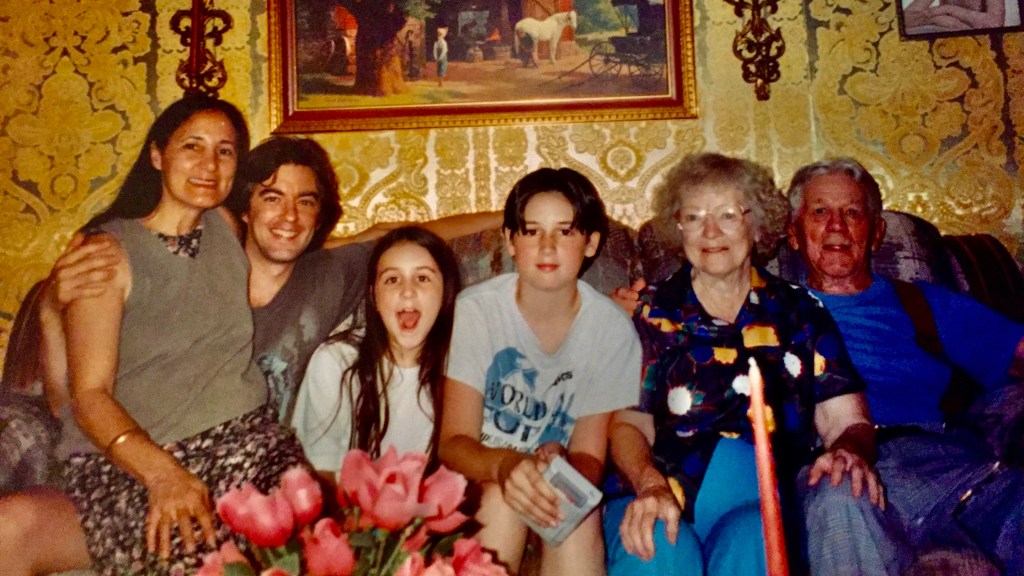
My grandmother told me to take the time we needed to get to know each other, but once we knew, not to wait too long. We didn’t. JoAnn and I were married six months after we started dating. Each of us brought our own baggage, wounds, and mistakes, yet each year was better than the one before because we grew closer to God. We became more patient and understanding, we empowered and were there for each other. At each of the crossroads that arose over our twenty-four years, we chose the narrow gate. We loved Jesus and each other and our relationship continued to grow.
Jesus invites each and every one of us to take His hand today and every day, so we can help others do the same. Who then will be saved? Not those who believe they are worthy, but those who are willing to enter the narrow gate, to love others as He loves us.
Photo: Visiting my grandparents before moving to Florida.
Link for the Mass readings for Wednesday, October 30, 2019
The smallest act of being present to another can be transformative.
In today’s Gospel from Luke, Jesus compares the Kingdom of God to a mustard seed and yeast. Each of these elements is not only small, but they are tiny. Though with the proper environment, resources of sustenance, water, and sunlight, this seed will germinate, sprout, and grow into a large bush. Yeast, a single-celled organism, is the catalyst for assisting dough to rise, strengthen, and ferment, thus providing a more appealing and tasty bread.
Jesus offered these simple examples from everyday agrarian life that his listeners understood from experience. If we have planted seeds or made our own homemade bread, we could be in a better position to relate to these two small parables as well.
Throughout the Gospels, Jesus lives out the parables, in his engagement person to person. Jesus’ interaction happened concretely, through walking along the road and breaking of bread together, sharing stories, teaching, healing, and exorcising demons with his touch, and he still does so today. The smallest, genuine act of kindness or love can seem insignificant and may even go unnoticed by many, but it is important to the individual and can reveal dramatic results over time.
There is a story that expresses this point called, “A Simple Gesture” from the story collection, Chicken Soup for the Soul. The short tale describes how one day a boy named Mark was walking home from school and came upon another boy who had tripped and dropped all of his books and a slew of other items. Mark offered to help carry some of the load of the other boy, who, as they walked home, found out was named Bill. They talked about common interests and when they approached Bill’s home, Bill invited Mark in for a Coke and to watch some T.V. They spent the afternoon together, then interacted on occasion for the rest of their middle school and into their high school years.
Three weeks before their graduation, Bill asked Mark if they could talk. Bill shared that the reason he had been carrying all of that stuff home the day they first met was because of the fact that he didn’t want to leave a mess for anyone else to clean up because he had planned to commit suicide that evening. Bill continued to share that, after their original encounter and afternoon together, he realized if he had killed himself that day he would have missed more opportunities to talk and laugh. Bill finished the conversation by saying, “So you see, Mark, when you picked up my books that day, you did a lot more. You saved my life” (Canfield and Hansen, 35-36).
Personal encounters were how Jesus helped others to realize that the Kingdom of God was at hand. Mark, in simply making some time to help Bill pick up some of the stuff he had dropped, helped to shift the momentum away from a potential suicide attempt. This action shows how Jesus can continue to work through us today.
Like a modern-day Good Samaritan parable, “A Simple Gesture”, helps us to see that when we are aware of opportunities to help and act with genuine care, no matter how small, we can have a dramatic effect on another’s life. The opposite is also true.
Many people have a lot on their plate, we may not be aware of even half of what others are going through. That is why we need to be attentive to the move of the Holy Spirit in our lives. He will lead us out beyond ourselves so that we notice others. In doing so, we become like the mustard seed, or the yeast, in another’s life. Through a smile, a hello, a bent ear to listen, what may appear to be minuscule or mundane at the moment, may, in fact, be life-changing and transforming.
—————————————————————
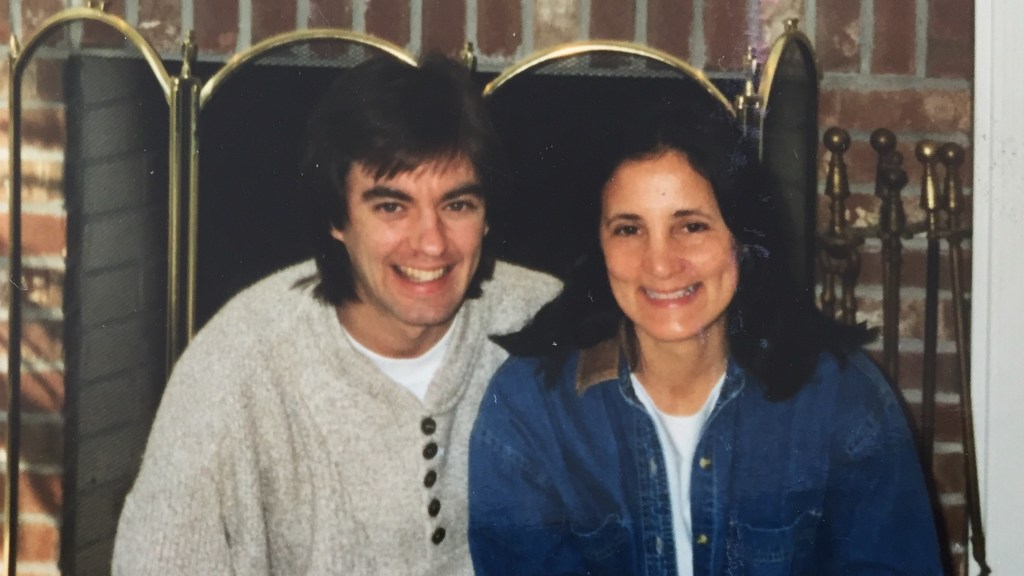
Photo: Back when we were still dating! Without JoAnn’s consistent kindness, caring, and support, I would not be where I am today.
Canfield, Jack, and Mark Victor Hansen. Chicken Soup for the Soul: 101 Stories to Open the Heart and Rekindle the Spirit. Deerfield Beach, FL: Health Communications, 1993.
Link for the Mass Readings for Tuesday, October 29, 2019
Spend some time praying each day.
Jesus went up to the mountain to pray, and he spent the night in prayer to God (Lk 6:12).
Jesus spent the whole night in prayer to God. What is prayer? All of us as human beings seek meaning and to belong. We desire security and stability, as well as direction and adventure. We want to be accepted, to love and to be loved and to experience meaningful relationships. These primary yearnings are present within us. Often though we confuse what we truly desire and succumb to the temptations that ultimately leave us unsatisfied and more important ignore what will truly fulfill us: developing a relationship with God through prayer.
If you want to pray, you have already begun. The desire in and of itself to pray is prayer. The danger of reading about prayer is that we think we are praying. In the turning of the page or completion of the chapter, we feel as if we are accomplishing something, but we are only imagining how prayer can be. Peter Kreeft wrote: “It is tempting to remain in the comfortable theater of the imagination instead of the real world, to fall in love with the idea of becoming a saint and loving God and neighbor instead of doing the actual work, because the idea makes no demands on you” (Prayer for Beginners, 12).
There is a myriad of ways to pray and each practice will match each of our unique personalities. The key to prayer is to make a commitment to a time and a place to pray each day. Start with a timeframe, such as five minutes that you know you can do. Depending on the discipline of prayer you practice, your family, school, work, and/or ministerial demands will be indicators going forward as to how much you might be able to increase the time you pray once you have built a firmer habit.
The amount of time that we dedicate to prayer is not important. What is important is the commitment to pray each day. For me, attending Mass and the Liturgy of the Hours has been a consistent anchor since studying for the diaconate. The daily Mass readings, writing a reflection each day on them, and then sharing both with JoAnn was a practice we shared together each evening. Beginning mid-September, I started meditating in the morning and the evenings. Before bed, I end the day praying and meditating with the mysteries of the Rosary.
JoAnn was less contemplative and more active in her prayer. She would speak to God as if speaking to a friend, we attended Mass together, and she experienced God in her daily activities and encounters with people. I too have found that seeing Jesus in those we encounter is a sign of our maturation in prayer. For the person is no longer other or one to be kept at arm’s length, but a human being with dignity created in the image and likeness of God. This becomes more apparent when we spend time with one another.
St Therese of Lisieux offers us a good approach to prayer: “For me, prayer is a surge of the heart; it is a simple look turned toward heaven, it is a cry of recognition and of love, embracing both trial and joy” (CCC, 2559). No matter how we pray, our goal is that we allow our lives to be conformed to Jesus, that we encounter and build a relationship with him and each other, such that our experience of prayer matches St Augustine’s: “True, whole prayer is nothing but love” (Foster, 1).
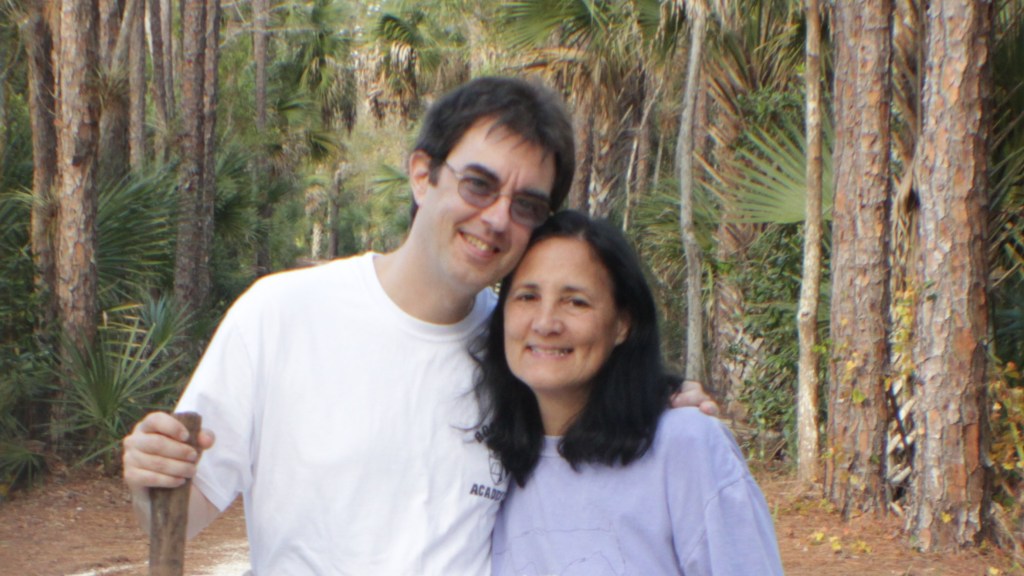
Photo: Taking a hike or walking with JoAnn was one of my favorite forms of prayer!
Link for the Mass readings for Monday, October 28, 2019
Foster, Richard J. Prayer: Finding the Heart’s True Home. NY: HarperCollins, 1992.
Kreeft, Peter. Prayer for Beginners. San Francisco: Ignatius Press, 2000.
“O God, be merciful to me a sinner.”
“…whoever exalts himself will be humbled, and the one who humbles himself will be exalted” (Lk 18:14).
From the Christian perspective, humility is not false modesty. Where someone thanks us for doing something and we say something like, “Oh, it was nothing.” This response is often a conditioned response that, consciously or unconsciously, is given to elicit more praise and to keep the focus on ourselves and what we have done. “Sure it was something, you did all that work…” The more appropriate response would be, “You are welcome.” Then the topic of conversation can move on to other matters.
Humility has to do with our primary focus. Are we focused first and foremost on ourselves and placing the focus and energy in boosting our ego, jockeying for a position that is front and center? Or are we focused first and foremost on establishing that God is the core and foundation of our every thought, word, and deed and we are thankful to him for each breath we take?
We are nothing without God. Without him, we would cease to exist. We may bristle at such statements because our cultural influences often promote that what we have and achieved has come because of our own hard work and merit. There is some truth to the effort and energy we may have expended to achieve what we have, but if we think back, many others also had a part to play in where we are today, including God.
From a heightened sense of self-exaltation, we also tend to have less empathy or mercy for those who may have less or are struggling financially, emotionally, psychologically, morally, or spiritually. We might look down our nose at others thinking or saying outright, “What is wrong with them and why don’t they get their act together?”
Where in point of fact, “There, but for the grace of God, go I.” Situations in life, whether we are up or down, can change quickly. The point Jesus is making clear in today’s Gospel is that we are far from how perfect we may think we are. We are all sinners and fall short of the glory of God. Coming to a place of recognition regarding this reality is a good place to be, as Jesus points out.
The contrite tax collector “went home justified” because he came to terms with his sinfulness and confessed it so he could be healed and restored by God. The Pharisee who felt he needed no help because he “was not like the rest of humanity” closed himself off to the healing balm and reconciliation that he truly needed.
We can make the tax collector’s prayer, “O God, be merciful to me a sinner”, our own. We can recite it and ask Jesus to reveal to us what we have done or have failed to do regarding God’s will in our lives. Next, we can be still and allow the Holy Spirit to reveal to us those areas in our lives where we have fallen short. Then, in confessing those sins, we are forgiven and reconciled with our Father. From experiencing God’s healing forgiveness, we can then go forward into our day thankful for the gift of our life. Instead of judging others, we can instead seek opportunities to share our joy and be ambassadors of God’s mercy.
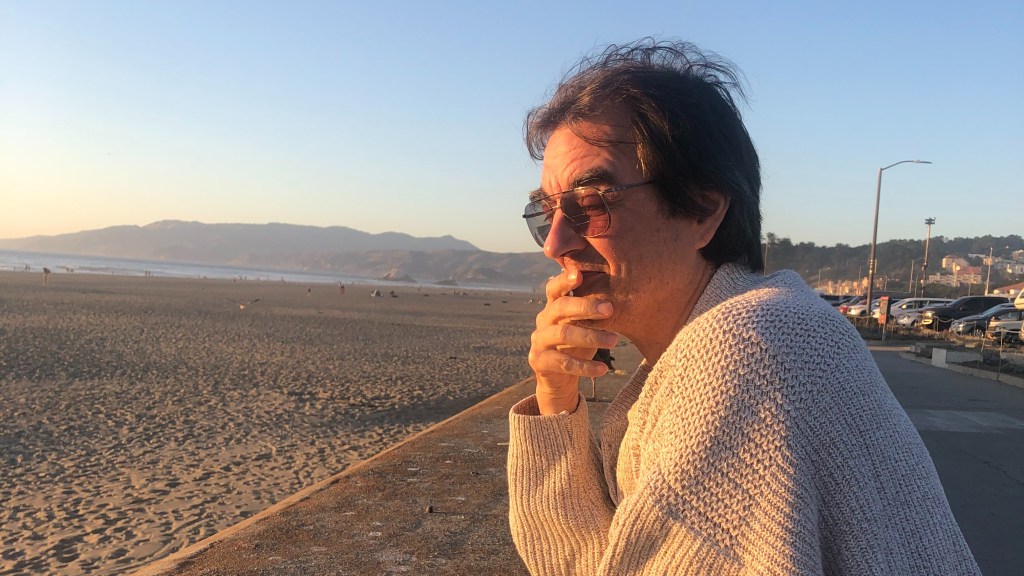
Photo credit: Mia Bird – Embracing some time to ponder during sunset while visiting Mia in San Francisco a few weeks ago.
Link for the Mass readings for Sunday, October 27, 2019
Repentance is the key to unlocking a life of meaning now and eternity to come.
In today’s Gospel, we read about two accounts of horrific deaths. The first is at the hands of Pontius Pilate, who has not only ordered the execution of Jesus’ fellow Galileans but had their blood mixed with “the blood of their sacrifices.” In the second incident, Jesus brought up the tragic accident in which eighteen people died “when the tower of Siloam fell on them.”
In both cases, Jesus rejected the common notion of the time that these incidents were caused by God’s punishment and focused instead on the importance of repentance. Jesus stated quite emphatically, that, “Do you think that because these Galileans suffered in this way they were greater sinners than all other Galileans? By no means! But I tell you, if you do not repent, you will all perish as they did” (cf. Lk 13:1-5)!
Jesus was emphatic about helping his followers understand the purpose of his coming. Jesus provided meaning and fulfillment in this life as well as being the way to the truth of eternal life in the next. Yet, to receive the gift of his invitation, people needed to repent from their focus on self, misunderstandings of God, and the false substitutions that the world offered and instead, repent, have a change of mind, and turn back to God, the very source of their being. This is just as true for us today.
Jesus accompanies us through our trials, pain, and desolation, just as he is present in the midst of our achievements, joys, and consolations. To repent and surrender to him is not some submissive posture to a tyrant, but acceptance of the aid offered by the divine gardener. Our repentance gives permission to Jesus to cultivate our ground to rid us of that which sickens us and fertilize us in such a way that we are renewed by his care. Jesus tends to our growth such that we can be more aligned with the will of his Father and the love of the Holy Spirit. In these ways, we are healed and mature so that we will bear fruit that will last. We will become more patient, kind, loving, understanding, forgiving, present, and joyful in our encounters with one another.
We live in uncertain times as did those of the first century. We still live in a fallen world. We do not know the time or the hour, and sometimes we do not understand the rhyme or the reason that someone’s life here ends. This has become much clearer to me in these past months. JoAnn was proactive and took good care of herself, such that except for pancreatic cancer she was in perfect health. What made our last months together in this world more bearable was our daily turning over our lives to God’s will and the many people who were praying for us. The months together then seemed like forever and today looking back it seems like the blink of the eye.
We often do not want to think about our death, yet, we need to ponder it from time to time. By doing so we just might live the one life we have been given a little bit better. Each day we wake up is a gift from God. Please don’t take it for granted. Repent, turn back to the God who loves us more than we can ever imagine or mess up. The time to appreciate our life and the lives of others is now.
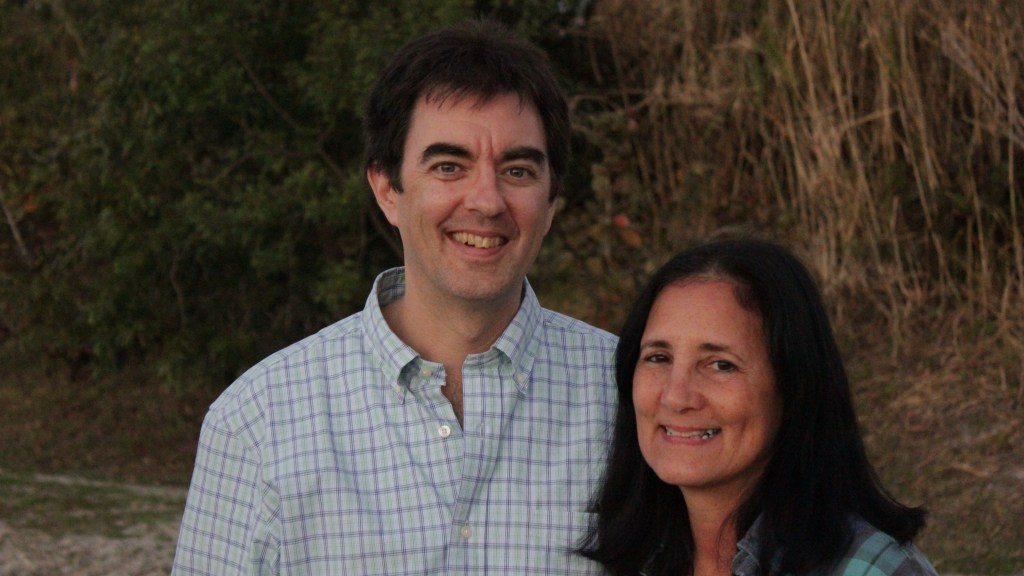
Photo: Each day with JoAnn was a gift.
Link for the Mass readings for Saturday, October 26, 2019
 Spiritual Stepping Stones