May We Be Merciful as God is Merciful.

At dawn, nine, noon, three, and five o’clock the landowner hired day laborers to go into the field to work and bring in the harvest. Many familiar with this parable may side with those working since dawn and may also grumble, “against the landowner, saying, ‘These last ones worked only one hour, and you have made them equal to us, who bore the day’s burden and the heat'” (Mt 20:11-12). Instead of being grateful for the wages they received and had agreed upon before the job began, those grumbling focused on what they perceived as an unfair allocation of payment. The landowner attempted to clarify with one of the obstinate ones: “My friend, I am not cheating you” (Mt 20:13).

In essence, the landowner sought to draw this laborer from his self centered view to the broader context and reality of the situation. Each of the laborers in the parable were day laborers, they did not have a regular stable salary. They worked and received wages and provided for their family only when someone gave them an opportunity. It wasn’t that the landowner was favoring the last over the first, he was just being generous with the opportunity to provide work and pay for those who answered yes to his invitation. And in the end he asked “am I not free to do as I wish with my own money? Are you envious because I am generous” (Mt 20:15)?

Jesus presented the parable of the workers in the vineyard (Mt 20:1-16) as he did with the parable of the prodigal son (Lk 11:15-32) to show his listeners and us the generosity of God’s love and mercy. We must resist the temptation to be envious and begrudge those, who having less, have received from God what is their due. Instead, we who have been blessed, need to be aware of the generosity God has bestowed upon us, to be thankful for the blessings he has given us, and we are also to collaborate with God and share the blessings we have received with others who are less fortunate than ourselves, for “the harvest is abundant, but the laborers are few” (Lk 10:2).

We have been invited to work for the Landowner in his vineyard. We are to be about his work building and restoring relationships and not worrying about seeking his reward. Comparing what we have to what others have will only end in frustration and separation, for as the prophet Isaiah said, “For my thoughts are not your thoughts, nor are your ways my ways, says the LORD. As high as the heavens are above the earth, so high are my ways above your ways and my thoughts above your thoughts” (Isaiah 55: 8-10). The just wage for our work is God’s mercy and we are to not refuse or be jealous of anyone else receiving his mercy either. Instead of judging God’s forgiveness and mercy, may we seek to emulate it!


Link for today’s Mass readings:

http://www.usccb.org/bible/readings/092417.cfm



Bearing Mature Fruit!

“The seed is the word of God” (Lk 8:11).

Jesus expressed in his parable of the sower the ways in which we lose the germination opportunity or coming to bear fruit of the seed that has been sown. The devil “comes and takes away the word from their heart that they may not believe or be saved.” Another way is with those who fixate on mere scientism or empiricism, and so denounce any spiritual or transcendental experience as a coincidence, or dismissed as offering no empirical substance, no proof, thus explaining away any trace of spirit. Others “receive the word with joy but have no root.” Some encounter God, experience deep emotion and connection in the moment, but once the emotion wanes, they move onto other pursuits, other experiences. Still others receive for a time God’s word, come to a place of germination and sprouting, experience new growth, but “are choked by the anxieties and riches and pleasures of life, and they fail to produce mature fruit.”

We still fall prey to each of the above examples Jesus offers in his parable today. Each of them at different times. We are distracted, we are busy, we seek merely accomplishing and moving on to the next activity or item on the list, but if we ever want to experience mature fruit, we must “embrace [the word] with a generous and good heart, and bear fruit through perseverance.”

Do we read a book just to get done, do we go to church just to say we went, do we visit or call relatives, friends, to say we have accomplished our duty, do we go to work or school just to get to Friday? To be fully alive we need to be present in the experience of what we are doing, we need to embrace a mindfulness and deeper experience of what we do, and to do that we need to slow down and breathe. Then maybe we can read to come to understand and put into practice what we may have learned. This is true for good fiction as well as non-fiction, and poetry. This is even truer when we are reading the Bible. We need to meditate and contemplate, not just read a passage, close the cover and move on as if nothing ever happened.

When we go to church, in person or online, may we absorb one or two lessons, from a prayer, a hymn, the word, or preaching, that we can take with us and think about and apply in the coming week. In this way, when we leave we are not just going forth, but going forth to proclaim the Gospel in our lives. When we communicate and visit with friends and family, may we be present, and open to their needs, willing to hear their stories, their experiences. May we also be willing to be present to those friends and family we have not yet met and in the past have just walked by or over. In our work, our dedication to school as a student, our entry into retirement, let us resist the attitude of just getting through the day and instead seek meaning in what we do. Let us embrace the joy of the gift of life we have been given.

I invite you to stop, take some deep breathes, and be present and mindful throughout the course and events of today. Look for the seeds that God has sown, nurture them, be patient with the process of germination and growth, and persevere in your discipline of prayer, worship, service, and relationship to allow good firm roots to take hold. Soon you will begin to experience the harvest of some beautiful fruit from those seeds God has sown!


Link for today’s reading:

http://www.usccb.org/bible/readings/092317.cfm

Photo: Strawberry picking with Christy in California 2014

Journeying With Jesus


“Accompanying him were the Twelve and some women who had been cured of evil spirits and infirmities” (Lk 8:1-2).

As Jesus journeyed, he preached and proclaimed the Gospel of the Kingdom with others by his side, the Twelve and other women. Three women were named: Mary of Magdala, Joanna, and Susanna. Mary is often referred to as a penitent prostitute or the sinful woman of Luke 7:36-50, but there is no Scriptural evidence to support either claim. We do read in today’s account that Jesus had expelled seven demons from Mary. Joanna and Susanna were also healed in some way. Luke reveals that they were also benefactors of the early missionary work of Jesus and the Twelve. Mary was present at Jesus’ crucifixion, and she and Joanna are mentioned again at the empty tomb and are the first to hear about the Resurrection of Jesus.

Part of the preaching and proclamation of the Kingdom was restoring and building relationships, and even in today’s short Gospel passage, we can see the presence of an early community forming around Jesus that will continue to grow and be more fully expressed in the beginning of the Book of Acts, Luke’s second volume.

Where do Jesus’ followers and their early community come from? They come from encountering his preaching and proclamation, healing and exorcisms. We too can encounter Jesus ourselves. For we not only hear or read the Word, we can experience again and anew Jesus each day through a practice called Ignatian contemplation or imaginative prayer in which we can meditate on a particular passage by placing ourselves in the biblical scene.

In today’s Gospel, read again that first vivid line: “Jesus traveled from one town and village to another”. Stop there, close your eyes and imagine what happened as Jesus journeyed. Allow all of your senses to come alive and experience traveling with Jesus. Hear the crunching of stone and sand under your sandalled feet, smell the dust kick up in your nose, feel the sweat build on your brow, and the salt taste from that bead of sweat that just entered your mouth, and look up and see Jesus striding just off to your left!

Resist the temptation of attempting to get all the details historically accurate, just embrace the opportunity to pilgrimage with some premier guides: Jesus, Peter, and Mary Magdalene! Walk with them for a while and observe as Jesus pulls up short, stops, sits, and begins to teach. What does he share with you and the others gathered around him? Embrace the gift of saying yes to Jesus’ invitation to come and follow him. Stay with this verse or phrase for a few days and journey with Jesus, the Twelve, Mary, Joanna, Susanna, and the others. They are beckoning us to join them! Come and see. Hope to see you there!!!


Link for today’s Mass reading:

http://www.usccb.org/bible/readings/092217.cfm

Photo Credit: Jack McKee


We Have Something to Learn From Jesus.

“While he was at table in his house, many tax collectors and sinners came and sat with Jesus and his disciples” (MT 9:10).

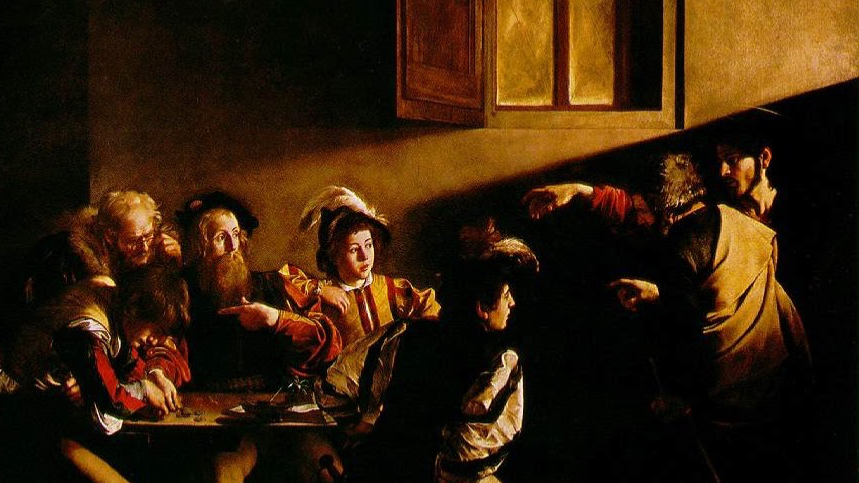
We as the Church, we as followers of Jesus, still have much to learn from Jesus. Today’s reading provides another wonderful example. Once Jesus begins his public ministry he is constantly on the go. Going where? Meeting people where they were in the midst of their daily lives. And what is the response to Jesus calling Matthew a tax collector and then partaking in table fellowship with tax collectors and sinners? The Pharisees question the disciples about his practice. Onlookers follow at a distance with curiosity. But to those who have, maybe for the first time in their lives, been respected as a fellow human beings, feel hope. Hope that there actually may be a path from the peripheries. Hope that they no longer have to be on the outside looking in.

Jesus is shown time and again in the Gospels to be about encountering the person as they are in their present circumstance and chaos of their lives. He welcomes, is present, embraces the person as they are. He invites people to belong, to be part of something greater than their self, to actualize their potential and embrace a life of meaning and purpose. The only requirement is to be willing to be loved, to be willing to be human, to be willing to be free.

Do we: embrace our fear, stoke our pride believing that we can take care of ourself, build walls of attachment and addiction that appear to make us happy. Or are we willing: to be loved by Jesus, to have the humility to recognize our sinfulness, to let go of our bondage to false illusions of security that keep us from actualizing the truth of who we are and so freely acknowledge that we need one another.

If we are willing to risk, to be vulnerable, to open our heart to Jesus we will experience the love and belonging we seek in the very depths of our soul. This is the fulfillment that no other pursuit or person can bring. We do this best as Jesus did, by being willing to enter into the lives of others, by resisting judgment and accepting another as they are for who they are, being present and willing to accompany our fellow brothers and sisters. For as Jesus said, “I desire mercy, not sacrifice.” Mercy is, as I have quoted Fr. James Keenan S.J. before, “is the willingness to enter into the chaos of another.” Jesus is willing to do so for us. Are we willing to do so for him?


Painting:

Michelangelo Merisi da Caravaggio, 1600

Link for today’s Mass readings:

http://www.usccb.org/bible/readings/092117.cfm

Seeing Beyond Our Blinders

“To what shall I compare the people of this generation? What are they like? They are like children who sit in the marketplace and call to one another, ‘We played the flute for you, but you did not dance. We sang a dirge, but you did not weep'” (Lk 7:31-32).

Jesus was convicting those who held a narrow view of who was a true follower of God. He illustrated this by sharing the above example that there was no pleasing the listeners, for when the flute was played no one danced, when times of joy arose, there was no celebration, and when the funeral dirge was sung, they did not weep, they did not mourn. Jesus expanded the analogy to his present condition where there were those who did not accept the ascetical practices of fasting and the call to repentance from John the Baptist, nor did they accept the inclusive table fellowship of Jesus.

We have encountered those that are not pleased beyond their own narrow focus and who suffer from tunnel vision. Anything that hints at even a slight variation of change sends tremors of discontent. And if we are honest, we all have some resistance to change. But if we are to authentically live the Gospel, Blessed John Cardinal Newman’s quote is an apt barometer: “To live is to change, and to be perfect is to have changed often.”

The Church at her best is the balance of the rock foundation of our core beliefs which provides stability, assuredness, and identity, while at the same time being open to the life giving movement of the Holy Spirit. Each generation must make the Gospel relevant in our own time. We must be flexible and resist rigidity so that we are not molding the Church in our image, but being authentic to renewal, integrity, and embracing the Mystery of God’s movement such that we are molded, transformed, and conformed in his image and likeness of love, which is the willing the good of the other.

This means not being threatened by those who are different. The gift of Catholicism is the universal call and invitation of Jesus which is open to all of humanity. Embracing the gift of unity and diversity is messy, but this is what Jesus calls us to. Is this challenging? Yes. Hard? Yes. Impossible? On our own, and from our own egoistic perspective, yes. But with our heart and mind seeking the will and ordering of God, all things are possible!


Link for today’s Mass readings:

http://www.usccb.org/bible/readings/092017.cfm

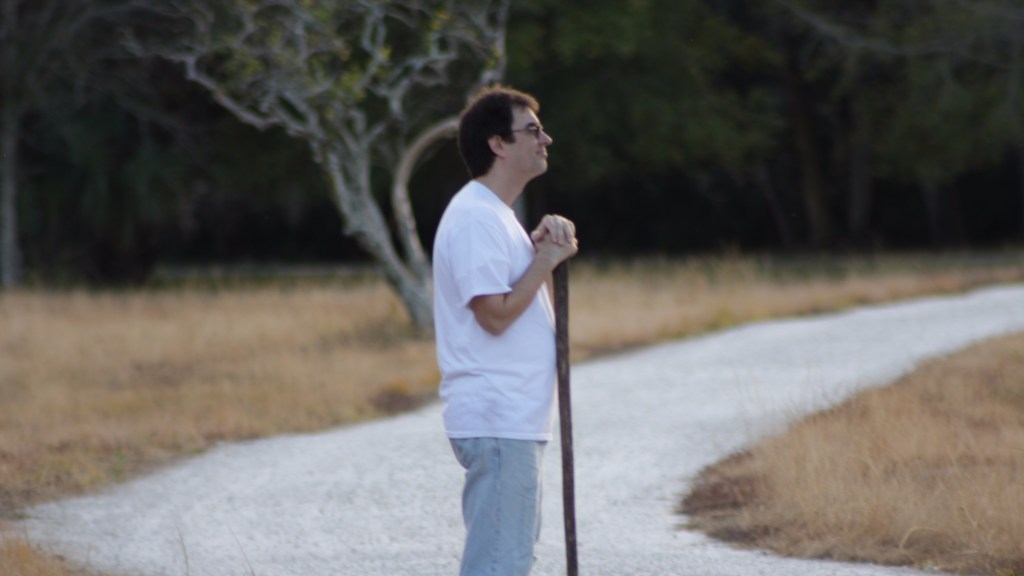
Photo: Our daughter, Christy, celebrating her move to California and trusting in the guidance of the Holy Spirit!

May We Have the Compassion of Jesus.

When the Lord saw her, he was moved with pity for her and said to her, “Do not weep.”
He stepped forward and touched the coffin; at this the bearers halted, and he said, “Young man, I tell you, arise” (Lk 7:13-14).

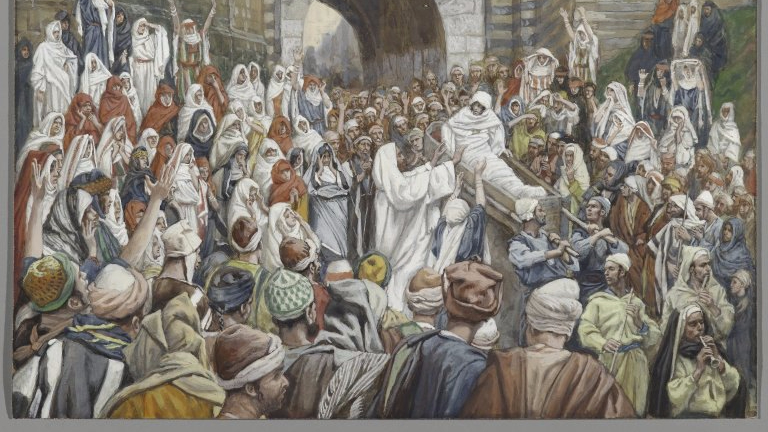
Jesus saw the woman who was a widow and her only son was now in a casket. In the time of Jesus, this woman would have little means to support or protect herself. Jesus’ immediate response for her was pity or compassion. The original Greek word used was splanchnizomai, meaning that Jesus was moved from the very depths of his bowels. The emotional depths to which Jesus was moved to reach out and help the widow of Nain, shows us his humanity, the healing of the son, bringing him back from the dead shows us his divinity, the entire event shows us the best of who we can be as his followers.

Instead of fear, judgment, prejudice, or indifference, may we seek to understand, to place ourselves in the shoes of those who feel vulnerable, misunderstood, and find themselves on the margins. May we be moved from the very depths of our innards with the same compassion of Jesus toward those, who, like the widow, are vulnerable, at risk, and on the peripheries. We in the Church need to be welcoming, hospitable, willing to walk with others, to share their journeys. We need to be present, be willing to listen to their needs, their pleas, and seek to find options to address those needs that respect their dignity as human beings created in the image and likeness of God.

Does anyone come to mind? Let us take time this day to pray that God may open our hearts and minds to see the vulnerable among us, maybe even in our own families, those who are in need, those needing someone to be present, to be understanding. Especially, those who we may have in the past discounted, or have come up with rationalizations of why they ought not to receive any help, even if not from us. If someone or a group of people come to mind and you are unsure what to do or how you can help, begin by praying for them, and seeing those who come to mind as human beings like the widow that Jesus had compassion for. If we can see others as human beings, with dignity, we will be moving in the direction of being able to act with the compassion of Jesus.


Image: James Tissot

Link for today’s Mass readings:

http://www.usccb.org/bible/readings/091917.cfm


May We Be the Voice of the Voiceless

This pericope, extract or section from the Bible, from Luke 7:1-10 is called The Healing of the Centurion’s Slave. It represents a wonderful picture of collaboration and harmony. The centurion, a gentile – a non-Jew, heard that Jesus was near and appealed to Jewish elders to seek out Jesus to invite him to his home to heal his slave. As Jesus was on the way, the centurion apparently had a change of heart, concerned about his sinfulness and did not want to trouble Jesus. He sent his friends to Jesus with the request to heal his slave with his word. Jesus was amazed: “I tell you, not even in Israel have I found such faith” (Lk 7:9). The slave was then healed.

Aside from the fact that no one seemed to have a problem with slavery, certainly not uncommon in the Ancient Near East, everyone involved, the centurion, his friends, Jewish elders, and Jesus were all working together to make this healing possible. The centurion actually showed concern, not indifference for his slave, Gentiles and Jews collaborated with one another, and Jesus did not hesitate to answer the request of the centurion, a representative of the Roman occupying army.

This Gospel scene is certainly worth meditating on. The centurion gave voice to his slave. Jesus healed the slave with his Word. We need to use our words to speak up for those who do not have a voice. We need to help people to understand that the unborn are human beings, they are just smaller and more vulnerable than us. But we need to be more than pro birth. We need to provide support systems for the parents to care for their children once they are born, and viable alternatives for those that may be contemplating an abortion. We need to learn strategies and teach families how to protect their children from molestation, abuse, and human trafficking. We need to speak up for the children of migrants and immigrants that are, for now, protected by D.A.C.A – Deferred Action for Childhood Arrivals. Pope Francis was recently asked on his flight from Colombia about the president’s recent decision to suspend D.A.C.A. We need to echo his response that, “the family is the cradle of life and that it must be defended as a unit”.

There are so many more on the peripheries, so many more that we need to give voice to. We all fall so short of the wonderful harmony and collaboration of this Gospel scene today. Though we need not lose hope. We need to keep our ears open to hear the cry of their voice. God has a part for us to play, we just need to be open to playing our part. Let us begin in humility as did the Roman centurion: “Lord, I am not worthy to receive you, but only say the word and my soul shall be healed.”


Link for today’s Mass Readings:

http://www.usccb.org/bible/readings/091817.cfm

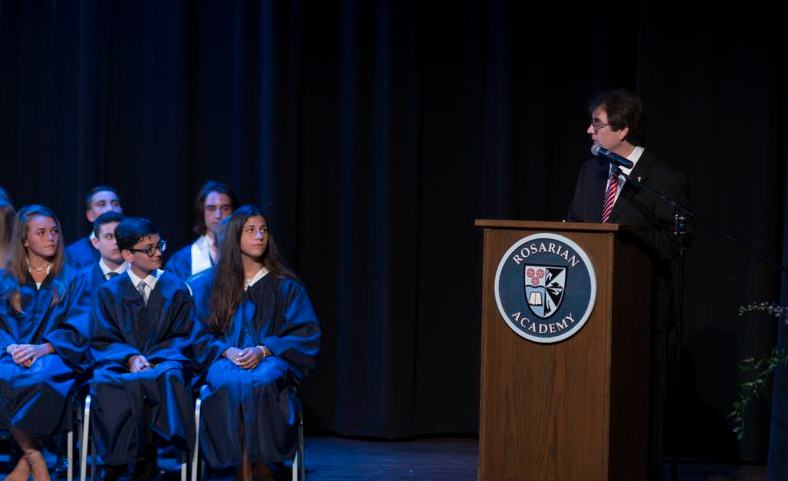
Photo credit: Rosarian Academy, 2016 Rosarian Academy Commencement Address

There is Freedom in Forgiveness

“So will my heavenly Father do to you, unless each of you forgives your brother from your heart” (Mt 18:35)

In my reflection on August 17, I shared that we do not do forgiveness well, yet, Jesus is very clear with this parable that we need to. Our salvation depends on it! Go ahead, click the link below and read the parable. We are to forgive because God has forgiven us, over and over again, and he will continue to over and over again. If we repent and are contrite, showing genuine sorrow for our sin, God will forgive us. As I learned from Pastor Barry Johnson when he was still the pastor at Jupiter First Church: “God loves us more than we can ever mess up.”

Jesus is clear throughout the Gospels and in today’s parable that God will forgive us, the issue at hand though is that we need to also forgive as God has forgiven us. The servant in this parable was forgiven his massive debt by the king. Shortly thereafter this same servant had the opportunity to forgive someone who owed him a much smaller debt, a no brainer that the servant would act in kind, yet, he did no such thing. He strangled his debtor, and when asked to be patient, he offered none and had the man placed in prison.

Our lives are emblematic of this parable. God has not only had compassion on us, and set us free, as does the king, he has forgiven us our debts as sinners. More amazing he paid our debts through offering the death of his Son. Through that payment, we are the recipients of such mercy, grace, and forgiveness that we will never fully grasp and comprehend, and it is in an unlimited, infinite wellspring that we can draw from again and again. Waking up each day with gratitude for the gift of our life is a good start, yet, how many of us actually take the time to be thankful for the life we have? But Jesus reminds us that not only are we to be thankful, but we are also to be forgiving, remembering this forgiveness that we have received. We are to be patient with one another, we are to assume a stance of understanding and support, not one of condemnation and hardness of heart.

We don’t do forgiveness well, but we need to. Maybe we don’t do so well because we do not avail ourselves of this wonderful gift we have been given. We stay mired in our own self-guilt or pity, we stay too busy to be aware, or we compare – I am not as bad as… Make some time daily to examine your conscience, confess those sins to God, and ask for his forgiveness. For those reading this reflection that are Catholic, we have the gift of the Sacrament of Reconciliation – which is a gift, not a dress down! There have been times I have walked out of the confessional feeling as if a massive weight has been lifted. The only comparison I can think of is when I have had an asthma attack in the past, and needed a shot of adrenaline, within minutes there was a feeling of such peace. Yet there have been a few grace-filled confessions that surpassed even that visit to the hospital, and I still stay away from the sacrament for months.

Along with seeking God’s forgiveness, let us start practicing forgiveness with one another. Just as a weight was lifted when I have experienced forgiveness, there is such freedom when we let go of a grudge or hurt we have held onto and forgiven another. When people apologize, change the habit of saying, “That’s alright” to “I forgive you.” Go up to someone and ask them to forgive you for something that you have done. It will make a difference. And if you are asking, as did Peter, how much are we to forgive? This answer is “Seventy-seven times seven”, or every opportunity we can. As we begin to experience forgiveness, maybe we will, not be like the servant in today’s parable, but start to be more patient, understanding, and forgiving of one another. There is freedom in forgiveness!

————————————————————————-

Photo credit: Jack McKee

Link for the Mass readings for the day:

http://www.usccb.org/bible/readings/091717.cfm


Let Us Be the Good that God Created Us to Be!

“A good person out of the store of goodness in his heart produces good, but an evil person out of a store of evil produces evil; for from the fullness of the heart the mouth speaks” (Lk 6:45).

We can experience hardships, trials, and suffering. We may have experienced traumas, and even come face to face with evil. Yet, we are not evil ourselves because of what happens to us, how we are tempted, nor are we defined by any trauma, suffering, or abuse. We have been created good by a loving God.

Negativity, sin, hate, and evil, can be seductive, can lure us to rationalize and come to make a decision for what we may think of as a good in the moment, yet it is just an apparent good. To encounter or experience a word or act of unkindness, negativity, or even violence, we may feel justified in retaliation, yet if we speak or act in this way we become the negativity or evil we seek to stand up against. In The Strength to Love,  a collection of Dr. Martin Luther King’s sermons he wrote:

“Returning hate for hate multiplies hate, adding deeper darkness to a night already devoid of stars. Darkness cannot drive out darkness; only light can do that. Hate cannot drive out hate; only love can do that. Hate multiplies hate, violence multiplies violence, and toughness multiplies toughness in a descending spiral of destruction.”

We need to be aware from the moment we have a thought in our mind as to what we will do with that thought. Not all thoughts come from ourselves, many do, but others come externally from our experiences, our observations, our concupiscence – our tendency to sin, and yes demonic influences. What do we listen to, read, and watch on a regular basis? We need to discipline ourselves so as not to entertain every thought or influence that comes our way, we need to be discerning otherwise once we allow ourselves to meditate on negative ideas, support our fears and anxieties, we will soon begin to speak and act on those ruminations. We who have been created good can be weakened and corrupted by choice and not only act with evil intent, but ourselves become evil.

As followers of Jesus Christ we need to meditate on the things of above (cf. Colossians 3:1) and aspire in our lives to bear the fruits of the Spirit of “love, joy, peace, patience, kindness, generosity, faithfulness, gentleness, self-control” (Galatians 5:22-23). May this list be a barometer for us to utilize to discern the life that we are living. We need to prune any way in which we are bearing the opposite, such as being impatient instead of patient. May we be humble enough to confess our sin and seek God’s strength and support to build up that area of weakness. Let us commit to meeting the darkness we encounter today with light, to meeting hatred with love, and from the fullness of our heart may we only look, speak, and act in ways that convict, heal, understand, empower, and love. Let us be the good God created us to be!


Link for today’s Mass reading:

http://www.usccb.org/bible/readings/091617.cfm

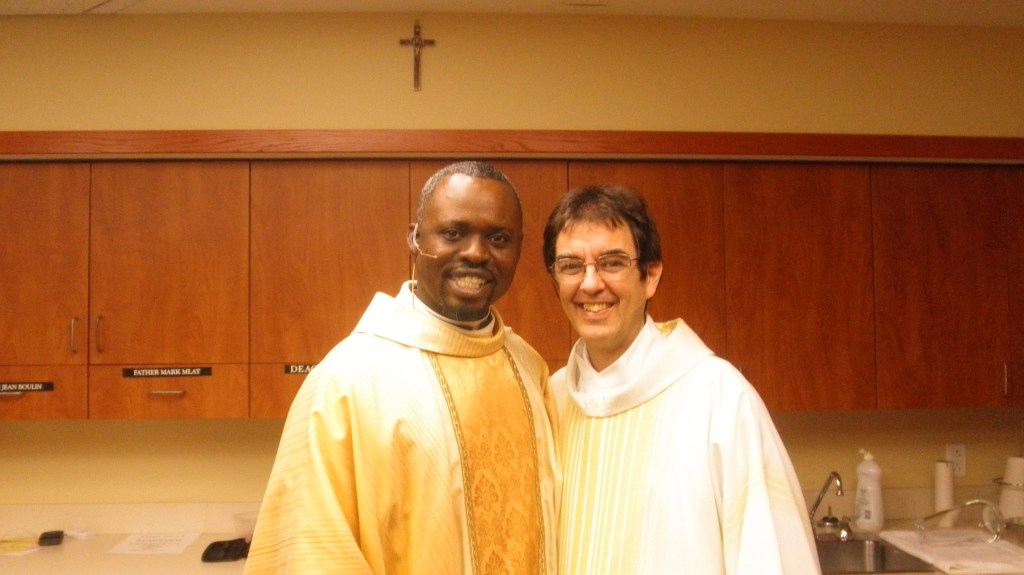
Photo: With Fr. Jean Boulin who is certainly practicing the good he has been created to be here at St Peter Catholic Church!

Our Lady Of Sorrows, Our Lady of Love

When Jesus saw his mother and the disciple there whom he loved he said to his mother, “Woman, behold, your son.” Then he said to the disciple, “Behold, your mother.” And from that hour the disciple took her into his home (Jn 19:26-27).

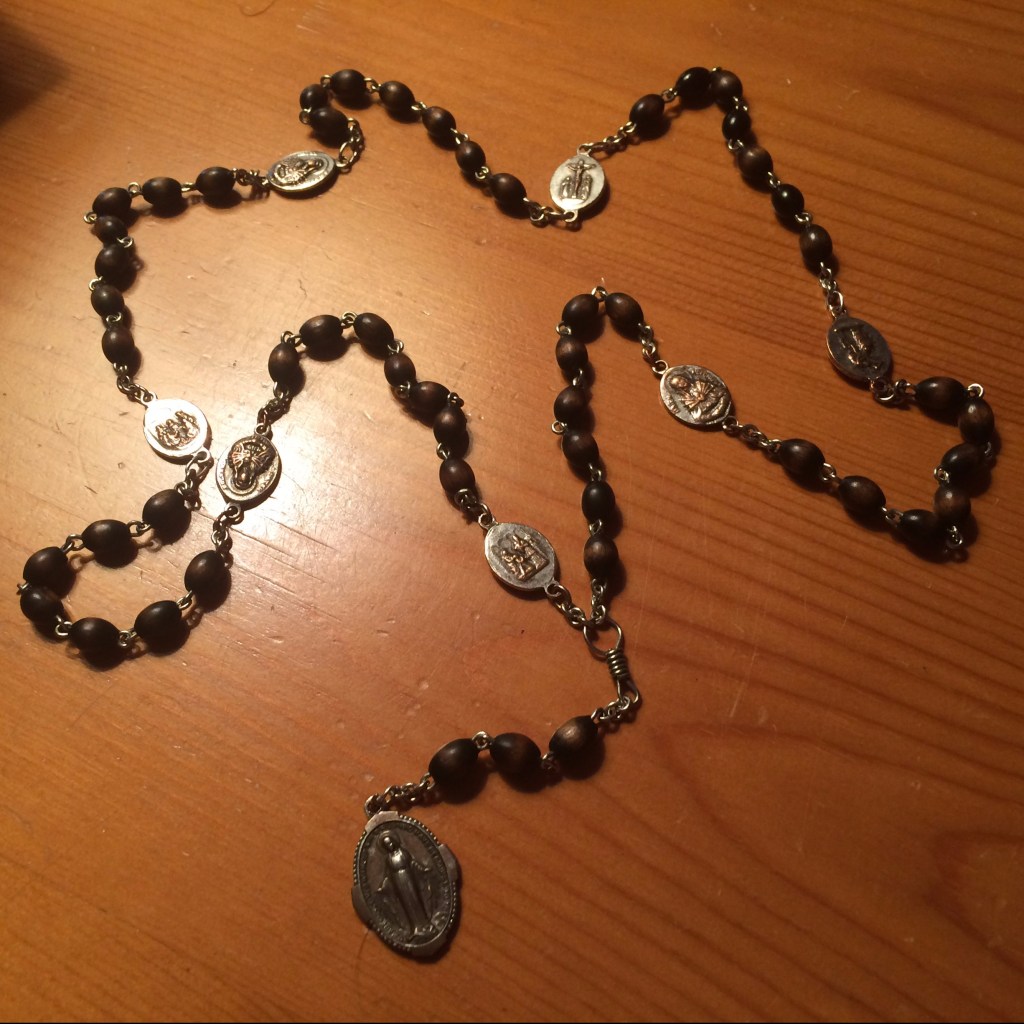
In the summer of 1991 I entered the Franciscans of Holy Name Province as a pre-novitiate and was stationed at Holy Cross Friary in the Bronx. My ministry for that year was working in the friary and the adjoining parish of Holy Cross. Shortly after entering, one of the friars, Br. Paul Goldie, passed away. He had been serving at the friary since 1953 and had been a friar for 54 years. A practice among the friars was to pass on personal items to those in the community when one of their own passed away. I was honored to have been given a picture of St. Francis and Br. Paul’s rosary.

I noticed that the rosary was different from others. Instead of a crucifix it had a Miraculous Medal, instead of five beads there were three beads leading to the decade of beads, and instead of five decades of beads, there were seven groupings of seven beads. In between each of the series of seven beads there was a small medal. On one side was a picture of Mary pierced in the heart seven times, and on the back of each medal was a different scene. I would find out some time later that this was a Rosary of Our Lady of Sorrows. The depictions on the back of the seven medals represented Mary’s seven sorrows: Simeon announces the suffering destiny of Jesus, Mary escapes into Egypt
with Jesus and Joseph, Mary seeks Jesus lost in Jerusalem, Mary meets Jesus as He carries
His Cross to Calvary, Mary stands near the Cross of her Son Jesus,  Mary receives into her arms the body of Jesus taken down from the Cross, and Mary helps place the body of Jesus in the tomb.

The fifth mystery, Mary stands near the Cross of her Son Jesus, is from our Gospel reading today. It must have been the most sorrowful of the seven, for Mary to witness her son dying such an agonizing death as the crucifixion. Yet, Mary did not run from the pain, she embraced his and her own pain, the piercing of the lance, pierced her own heart. Because Mary stayed she received a deeper gift of Jesus’ love. “He shows to the very end his love for his own (xiii 1), for symbolically he now provides a communal context of mutual love in which they shall live after he is gone” (Brown, 926). Mary, “Woman, behold your son” and John, “behold your mother” will live and profess that same love of Jesus they experienced with his other followers.

By being willing to love, we risk experiencing and entering into the pain of those we love. So many times we run from love, because we do not want to experience the pain relationships will entail. We are finite and fragile beings, and so we will let each other down, we will make mistakes, say the wrong things, do the wrong things, we will get sick or deal with chronic illness and need care, we will lose patience, we will sin. Jesus though calls us, like Mary and John to love, to will the good of the other and so to experience the fruit of an authentic relationship which is love.

Love is the bond of communion that gives us the strength to move through the crossroads and upheavals that life brings, love is the bond of commitment that draws us out from our selfish focus on ego to learn from one another, to grow stronger together, to be present to one another. This is true because, where there is an authentic relationship, there is love at its foundation. Love is that communion between the two that is the presence of the Holy Spirit in our life, such that we participate in the very same divine communion of the Father, and the Son, and the Holy Spirit. Is there pain in love, yes, is there conflict in relationship, yes, but when we commit to one another, to be present to one another, through the pain, and are willing to seek reconciliation through the conflict, we form a greater depth, a bond, and experience a fulfillment and joy that words cannot convey.

Mary and John entered into the full encounter of love in their relationship with Jesus when in the climax of the crucifixion they encountered a depth of pain and sorrow at the cross that we cannot imagine, yet they remained, and so they were able to mourn, heal, and experience the full joy of the Resurrection. At the coming of the Holy Spirit at Pentecost, they embraced the divine communion of love between the Father and the Son, and passed on that same love and commitment with the community of Jesus’ followers that they touched. Br. Paul’s rosary, which I still carry with me each day and pray with, was passed on to me. It is a reminder for me of the brotherhood I shared with the friars, the commitment to build relationships in love, in Christ. A reminder that there will be sorrows in this life, but when we enter into them and embrace the sorrows, we will find Jesus present in the midst of them with his arms wide open. May we remember, as did Mary and John, to lean on each other, to be present to one another, to support one another, and to love one another.


Link for today’s readings:

http://www.usccb.org/bible/readings/091517.cfm

Brown, Raymond E. The Gospel According to John XIII-XXI. Anchor Bible. NY: Doubleday, 1970.