Reflections on the Gospel Reading for the Day

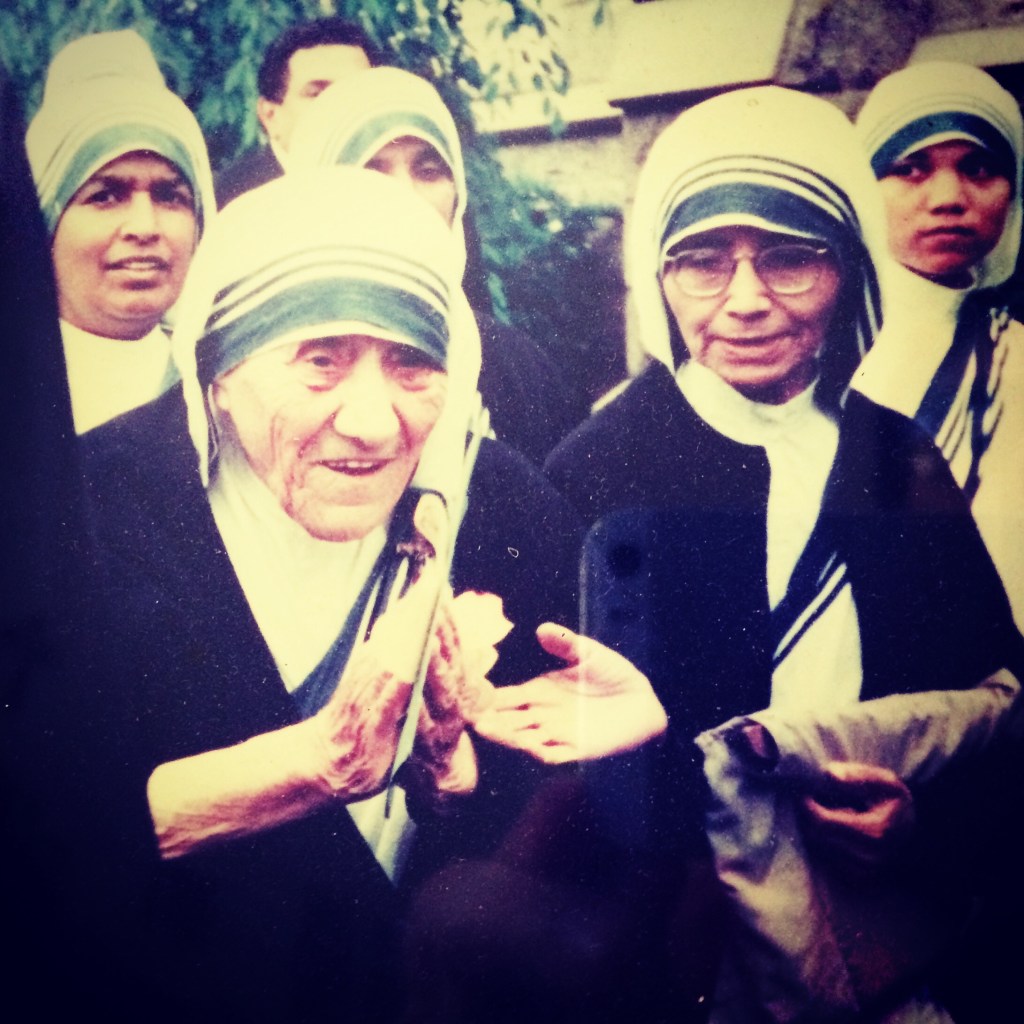
Receive and share the love of God with one another.
In our reading from the Gospel of John today, Jesus explains to Philip how he and God the Father are one. When Philip asks Jesus to show him the Father, Jesus responds: “Have I been with you for so long a time and you still do not know me, Philip? Whoever has seen me has seen the Father” (Jn 14:9). Even though Philip had lived with Jesus, experienced the authority of his teachings, witnessed his works of healing and exorcism, witnessed to the inclusiveness of his ministry, he, as we, struggled with comprehending what Jesus was talking about regarding the unity between his Father and himself.
One of the reasons is that God is God and we are not. God is not one being among many, he is not even the Supreme Being, nor is God even in the genus of being. God so transcends our reality and sphere of understanding that any words we say about him are going to be limited. God is Infinite Act, God simply is. We are finite. At the same time, this does not mean that God is an impersonal force. God transcends all of his creation, time, and space, is the source and foundation of all that exists, and yet he is closer to us than we are to ourselves, each and every one of us.
God came closer still when, in the Person of his Son, he came to dwell among us. This is what Jesus meant when he said to Philip that when he saw him he saw God. Each person, God the Father and God the Son are distinct but because of their infinite essence they are also, as we say in the Nicene Creed each Sunday, consubstantial, they are of one and the same substance.
The Son came to be one with us while remaining fully divine and in full communion with his Father, so we can be one with him and experience the intimate relationship that they share. We participate in the life of Jesus because he became human, and as human beings, God created each of us as being interconnected with one another. So what happens to one of us, happens to all of us.
Through our Baptism and participation in the Sacraments, we participate and become conformed to the Body of Christ so to encounter Jesus in an ever deeper intimacy and share in the divine Communion between God the Father and God the Son, as well as the Love that is shared between them who is God the Holy Spirit.
The wonderful gift of participating in the relational communion with the Holy Trinity, is not just for us alone as some treasure to sit on, as some secret knowledge to be shared with only a few chosen ones. This is a universal message to be shared with all. As we grow in our relationship and participation with God, we are to make him known to others. We to do so through our participation in the life of Jesus. As Jesus said to Philip, “[W]hoever believes in me will do the works that I do, and will do greater ones than these, because I am going to the Father” (Jn 14:12). Jesus seeks to work, love, and serve through us as the Father did through him.
Each of us is given a particular charism, a ministry of service to build up the kingdom of God. The key is to believe in Jesus and seek his guidance so that he can help us to discern how best we can serve him and build up his Body. Those we call saints were those who came to know that one thing that God called them to do. They then surrendered all to their vocation. This is not just for clergy or religious, this is for each and every person on this planet. The only requirement is that we are willing to follow Jesus, say yes to the invitation to experience the love of the Holy Spirit he freely offers, and be willing to be sent to allow God to happen in our interactions with one another. In so doing, we find meaning and fulfillment in our lives.
Embrace today the reality that the God of all creation loves each and every one of us more than we can ever imagine. Embrace the unique relationship he calls us to participate in, which is a share in his Trinitarian Communion. Embrace this unique blessing so we can open our hearts and minds to the service and ministry he calls us to through our participation in the life of Jesus the Christ, the Son of the Living God, through the Love of the Holy Spirit.
———————————————————-
Photo Credit: Photo I took of St Mother Teresa in Massachusetts early 90’s
Link for the Mass reading for Saturday, May 1, 2021
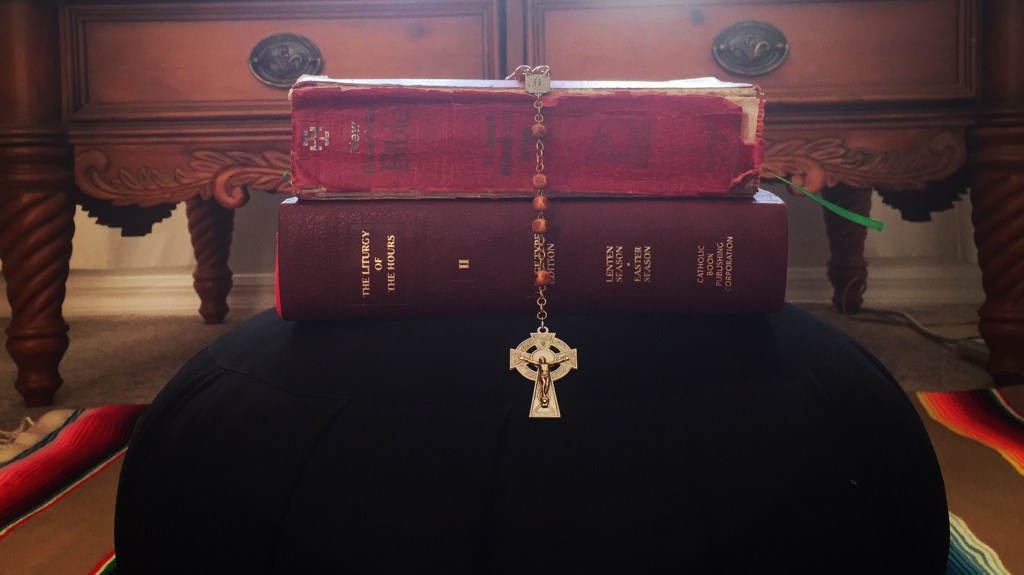
Some anchors to stop the madness.
Our days are so full of activities, conflicts, health issues, technological stimulation, 24/7 news cycles, social media interaction, and mix into all of this, our present ongoing pandemic which can all contribute to our emotional, physical, psychological, and spiritual undoing. If we do not have the proper foundation and orientation, we can feel stretched, hollow, and/or fatigued at best. One day can seem to blend into another, and another, and another. The image of being on a hamster wheel or an unending treadmill can fall afresh in our mind’s eye when we actually do take a minute to breathe. Anxiety, worry, stress, fear, prescriptions, and addictions all appear to be on the rise and swirling out of control.
Is there an answer to this hyper pace or are we doomed to just keep going until the wheels fall off? The opening verse in today’s reading provides an antidote when we are feeling any or all of the above.
Jesus said to his disciples: “Do not let your hearts be troubled. You have faith in God; have faith also in me” (Jn 14:1).
We are invited to place our trust in God through his Son, Jesus. By putting them first does not mean that the externals to our life will take an abrupt turn for the better, but what it does mean is that we will have support and divine assistance. It means that we are not alone in our struggles. The disciples found this out when in the midst of a sudden sea squall. Their boat was taking on water as the waves grew higher they were terrified and so, called to a sleeping Jesus. Jesus awoke and with a word, he calmed the sea (cf. Mk 4:35-41).
Jesus may or may not calm the sea of our trials and tribulations, but what he will do is be present with us through our storms in life and we can trust in him that he will guide us through. As we grow more confident in our trust in Jesus we will come to be assured that no matter who or what comes at us, he will be there to assist us. There will experience more peace and calm within ourselves – no Prozac or Zoloft required. The ultimate assurance that Jesus provides is that when we surrender our life to him we belong to him, we are not alone or orphaned. He gave his life for us, to redeem and save us so that we can be assured of our home for eternity.
If we are struggling at any level and are seeking to build our trust and faith in Jesus, we do need to realize that this takes time. We need to daily ask Jesus for help, seek his discernment about where we can make changes in our life, and make periodic efforts to stop in our day to be still. This time does not need to be lengthy, three to five minutes to start can do wonders. On the surface level, by stopping for five minutes to pray and breathe more deeply and consciously, we get off the wheel, we step out of survival and reaction mode, so we can then make more mindful decisions, and we can come to see that we truly have options, but more importantly, we begin to develop a relationship and intimacy with Jesus so to begin to recognize his voice that is calling out to guide us.
The Liturgy of the Hours and meditation have been spiritual anchors for me especially over the past year and a half. Even while in the hospital in January, I brought and prayed with my breviary and rosary. Having set times to stop to meditate and pray throughout the day has been helpful, especially on those days when my schedule is full to overflowing. Author Wanda E. Brunstetter, wrote, “If you are too busy to pray, you are busier than God wants you to be.” There is a lot of truth in her statement. I have had busy days, weeks and months, where I have wondered if taking the time to pray and meditate was really the most sensible choice. Time and again it has been. I have also been pondering during my recovery about the fact that I have been way too busy for some time.
The Rosary is another great way to get into God’s word by meditating on the mysteries of the life of Jesus and Mary. If you are not able to pray the whole Rosary in one sitting, start with one decade a day. Read for a few minutes from the Bible once in the morning and then return to meditate on the same verse or verses that touch or challenge you throughout the day. You can also read the daily Mass readings and place your self in the scene and allow the account to open up before you as if were actually there.
Each of these practices offer us a few of the many ways to stop the madness, to slow down, simplify, and connect with the power, the love, and the grace that Jesus yearns to share with us such that no matter the external or internal upheaval, we may experience his peace, that peace that surpasses all understanding (cf. Philippians 4:7).
—————————————————–
Photo: My anchors for slowing down to hear God in the quiet of my heart.
Link for the Mass readings for Friday, April 30, 2021

We are not to seek to be served, but to serve.
Today’s Gospel from John begins as Jesus had just finished washing the feet of his disciples. Jesus then said, “Amen, amen, I say to you, no slave is greater than his master nor any messenger greater than the one who sent him” (Jn 13:16). Jesus not only taught the truth that God the Father sent his Son to serve and not be served, he modeled this practice consistently.
From his conception, gestation, and birth, the Son of God developed as a human being in the very simplest of conditions and endured the hardships of those on the margins. Joseph, Mary, and Jesus were political refugees very soon after his birth. The young family was forced to flee from Bethlehem to Egypt. When Herod the Great died they returned to Nazareth, and other than the incident in the Temple, we hear nothing about the life of Jesus until he begins his public ministry. The most likely reason for this was that there was nothing to tell. Jesus most likely apprenticed with Joseph, in the trade of a simple tektōn, a woodworker, which was pretty low on the rung of the social ladder.
Through the short time of his ministry, Jesus modeled for his disciples what a follower of his entailed and what it meant to be one of his successors. To follow in his footsteps they would need to participate in servant leadership. He not only taught them but lived and modeled that there is no task too menial that we can’t roll up our sleeves and dive in to help. There is no person too other that we can’t assist when they are in a need.
A good prayer and meditation for us today is to ask Jesus to reveal for us how we have resisted his urgings in the past regarding serving others as well as when we have refused to interact or treat someone with anything less than the basic human dignity which they deserved. Have we ever thought that what he was asking of us was beneath us? Have there been people we have kept at arm’s length or refused to reach out to? For those ways in which we have withdrawn within ourselves and refused to be of help may we ask for his forgiveness.
Being willing to allow Jesus to shed some light on our lack of embracing opportunities to serve is a good place to begin. Then renewed with his forgiveness and healing touch, may we be more willing to be bearers of the understanding, grace and mercy which we have received. May we be more open to each of the people and/or tasks that God will place before us, the discernment to know his will, and the clarity and courage to act as his servant with humility and without hesitation.
—————————————————————————-
Photo: Grounds work during my novitiate year with the Franciscans in Brookline, MA around 1992.
Link for the Mass reading for Thursday, April 29, 2021
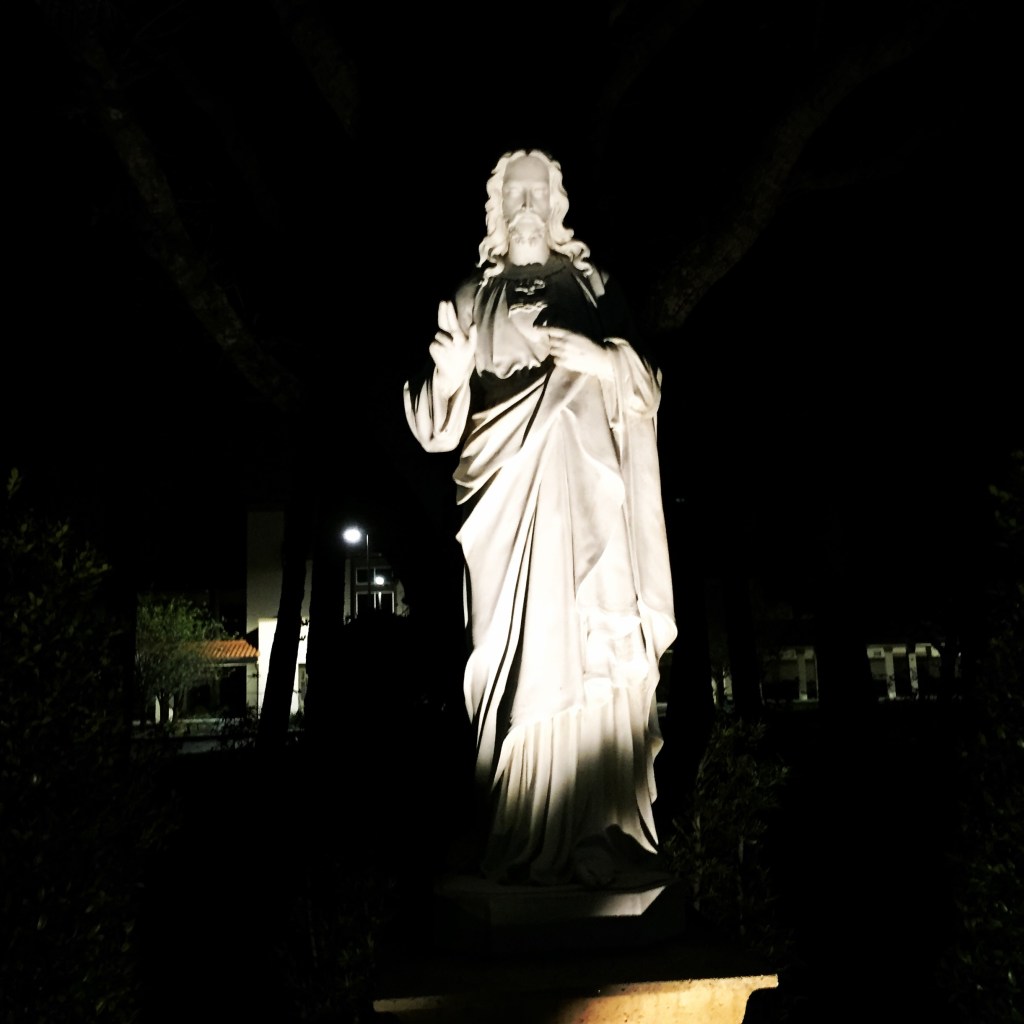
May we receive the light Jesus offers and allow it to shine through us to others.
“I came into the world as light, so that everyone who believes in me might not remain in darkness” (Jn 12:46).
What might be the darkness that Jesus refers to? It could be anything that turns us within ourselves, away from that which is True, Good, and Beautiful. This can be prejudice, ignorance, cynicism, sin, violence, hatred, war, division, dehumanization, and the list goes on.
A major root that keeps us in this darkness is fear. Jesus offers us the light of his Father. He encourages us to leave our self-imposed imprisonment by loving us as we are, more than we can imagine, and more than we can ever mess up. Christianity is not just a set of moral principles, a set of doctrines, a philosophy, or a theology. Christianity is about an encounter with a person, the Son of God, Jesus the Christ.
The light of Jesus leads us and invites us to experience that which we have been created and are restless for – an intimate relationship with God the Father and each other. Through the light of his love, Jesus reveals to us those apparent goods, false substitutes, and idols that distract us and keep us separated from deepening our relationship with God. We come to know God when we are willing to receive the love of the Holy Spirit, to be ourselves free of our masks, and are moved to share that love with each other.
Jesus, please help us to resist any selfish impulse or reaction based on any fears or past hurts and guide us instead to love as you have loved us. Even in quarantine or from a distance, we can still smile, be aware of and offer to be of help, reach out to someone and be present and willing to listen, and/or choose to be more understanding, supportive, and encouraging. In these small ways, we allow the light of Jesus to shine in and through us outward to others and the darkness will not overcome it!
Photo: Sacred Heart of Jesus statue on the grounds of St Peter Catholic Church, Jupiter FL
Link for the Mass readings for Wednesday, May 28, 2021
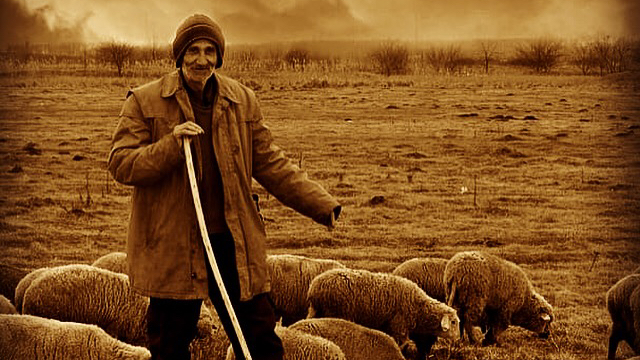
Jesus leads us with a shepherd’s care.
Jesus continues to present the imagery of the shepherd in today’s Gospel reading from John. He offers the assurance of security and protection that is to be found for those that are in his fold when he says, “No one can take them out of my hand. My Father, who has given them to me, is greater than all, and no one can take them out of the Father’s hand. The Father and I are one” (Jn 10:28-30). How does one enter the fold of the Good Shepherd? All who hear his voice and follow him will be known by him and so be a part of his flock.
Yet, there are those who hear his voice and do not recognize the Shepherd. They do not follow him and so are not known by him, although he seeks them out. They may know about the Shepherd, have heard of him, but do not know him. Their hearts and minds are closed. They do not believe in his miracles, his exorcisms, his teachings, and the question of those opposing him in today’s reading is, “If you are the Messiah, tell us plainly” (Jn 10:24). Jesus did just that by saying that he and the Father are one. The response to the forthright comment of Jesus is that those who are closed to his answer pick up rocks to throw at him (see Jn 10:31).
Jesus offers the gift of relationship with him and his Father, to experience the love shared between them, the Holy Spirit. This offer is without condition. Jesus is open about who he is, who we are, and who we can become in participation with him. Those who say no to his invitation do so for their own reasons; a demand for proof, a listing of the terms and conditions that need to be met first, assurances sought for, and/or excuses offered, diversions, distractions, temptations. Just as Jesus invites us to freely come to him, he will only come so far as we are willing to receive him. He does not conform to us or to our will. Jesus does not need us, yet he loves us by willing our ultimate good.
Even we who have said yes, only go so far. We hedge our bets, dip our toes into the water, and maybe go in ankle-deep, but not too many of us are willing to relinquish control, let go, and surrender fully all at once. Jesus offers, eternal life, true, but also a life of meaning and fulfillment now. A perfect life? No, there will continue to be challenges, conflicts, mistakes, and misfires as well as Jesus’ voice continuing to call us to follow him to go into the deeper waters, to seek freedom from our anxieties, fears, and weaknesses. He urges us to face conflicts, to be disciplined in resisting temptations of apparent goods, and to risk and trust him as he has his Father.
Through all our experiences, the ups and downs, the only assurance is that we are not alone. No matter what we may face today or tomorrow, we can be assured that Jesus will never let us go and no one can take us out of his hand. Each step of the journey we take, we can be confident that Jesus, our Good Shepherd, will be there to guide and protect us.
——————
Photo: Accessed online
Link for the Mass readings for Tuesday, April 27, 2021
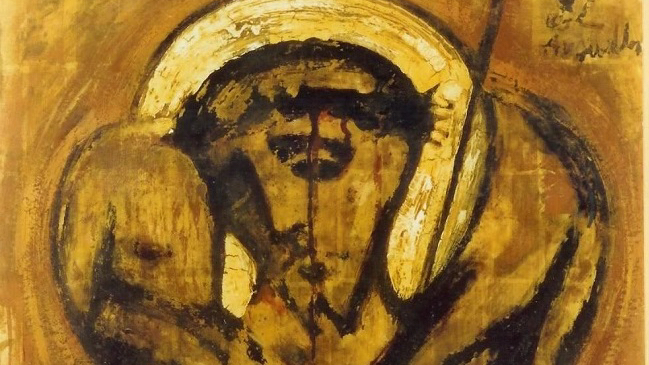
Do we have the ears to discern the voice of the Good Shepherd?
“…the sheep follow him, because they recognize his voice” (Jn 10:4). This verse is one of the keys to growing in the spiritual life and becoming a disciple of Jesus. Amidst all the voices, distractions, diversions, and temptations clamoring for our attention, we want to develop an ear to hear and a mind to discern his voice. There are so many directions we can take and opportunities we can be enticed by, many that are detrimental, but more challenging those that are good in and of themselves.
Jesus came to us so that we “might have life and have it more abundantly” (Jn 10:10). To live life to the fullest, to actualize our potential, we need to be able to discern the distinction between apparent goods and the true Good. An apparent good is appealing, attractive, and desirable, though once experienced, we conclude that it was indeed not good for us after all. We can see this in the promotion of processed foods, with additives and an excess incentive of enticing the taste buds with salts and sugars. The experience of eating many of these products is that they taste good going down, especially if eaten quickly and not savored, such that we often eat them in excess. They not only have little, if any nutritional value, if this is the main source of our nutrition, over time, we will feel the ill affects of eating in this way.
When I sit down to eat pizza, there are two clear voices. One voice encourages an eating of the whole pie in one sitting, while another urges a balanced two-slice approach. I will let you decide which is my voice and which is the voice of the Shepherd 😉 The same is true regarding how we spend our time and treasure. We all have the same amount of time in the day. In what ways do we use our time, who is it that we are listening to regarding how we use the time we have been given? What are we investing our treasure in? Do we listen to the Father of Lies or the Good Shepherd?
A good practice for developing an ear to hear the voice of the Good Shepherd is to resist making decisions impulsively, no matter how small. When a decision comes to mind let us make time to pray with Jesus and seek his guidance, and resist making an impulsive decision, regarding food, purchases, jobs, relationships, and in all areas of our lives. We can ask ourselves each time, is what I am about to decide helping me to become a better disciple, to be true to myself and who God is calling me to be?
Over time and through various experiences we will come to better discern the voice of Jesus. It is also a good practice to have a core group of people we can talk over decisions with to get their perspective, to help keep us accountable, and to help us to stay on the path. In this way, we can also learn to hear the words of Jesus through others.
May we have ears to hear the Good Shepherd’s voice today, and the courage and humility to follow his will!
Photo accessed from: Link for the image of the Good Shepherd
Link for the Mass readings for Monday, April 26, 2021
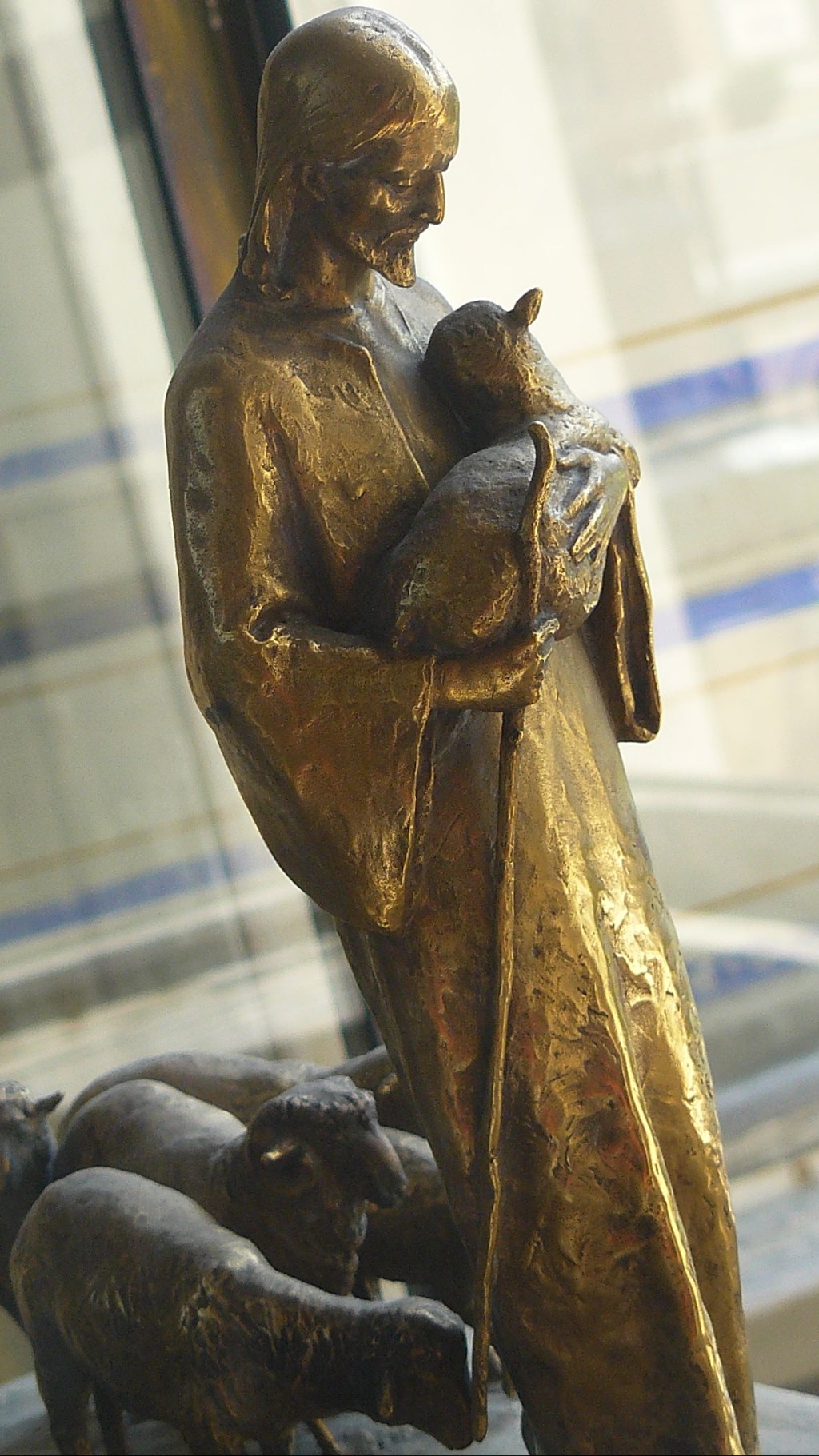
Jesus is the good shepherd.
I am not sure how many people reading this reflection are shepherds, live on a farm, or raise sheep. The greater majority of us are most likely removed from the daily life and commitment of a shepherd. With such ignorance as our starting point, we can fall prey to a false romanticism of the life of a shepherd as a reaction to the fast pace and hustle and bustle of modern urban and suburban life. The commitment and demands of shepherds during Jesus’ time were demanding, all consuming, with little acknowledgment or recognition. In fact, many shepherds were looked down upon, and groveling at the bottom of the social class of ancient Palestine. Yet Jesus compared himself to being a shepherd.
Just scratching the surface of the social context of shepherds could help to shed light on John’s Gospel today where Jesus paints an image of himself as the Good Shepherd: “I am the good shepherd, and I know mine and mine know me, just as the Father knows me and I know the Father; and I will lay down my life for the sheep” (Jn 10:14-15).
Jesus is not just a shepherd, but the good shepherd. A good shepherd lived among his sheep, watched over them, cared for them, helped to birth and raise them, as well as was willing to protect them from predators and thieves. Though we may not be fond of being compared to sheep, Jesus does the same for us. He watches and cares, protects and nourishes us with his own Body and Blood, and has given his life for us.
We get in trouble when we stray from his protective care and wander away. Yet, Jesus will come when we are in need, baying for help. Each one of us are precious and important to him. He will find us if we are willing to be found, if we just call out to him, for he knows our voice. He will come to us and will carry us back home on his shoulders.
I invite you to spend some quiet time with Jesus the Good Shepherd today. Rest and renew in his love. With the humility and simplicity of a lamb, allow yourself to rest your head on his lap, surrender to him all your cares, doubts, anxieties and fears. Allow your self to be healed by confessing any sins that are weighing you down, let him impart some healing balm on past hurts left unforgiven, and let him bind up any recent wounds. At some point in your contemplation, also let soak in the ultimate gift this shepherd gave: his life for you that you might have life in him, a life not merely to exist or survive, but a life of joy and fulfillment.
Photo: ray807 cathopic.com
Link for the Mass readings for the fourth Sunday of Easter, April 25, 2021
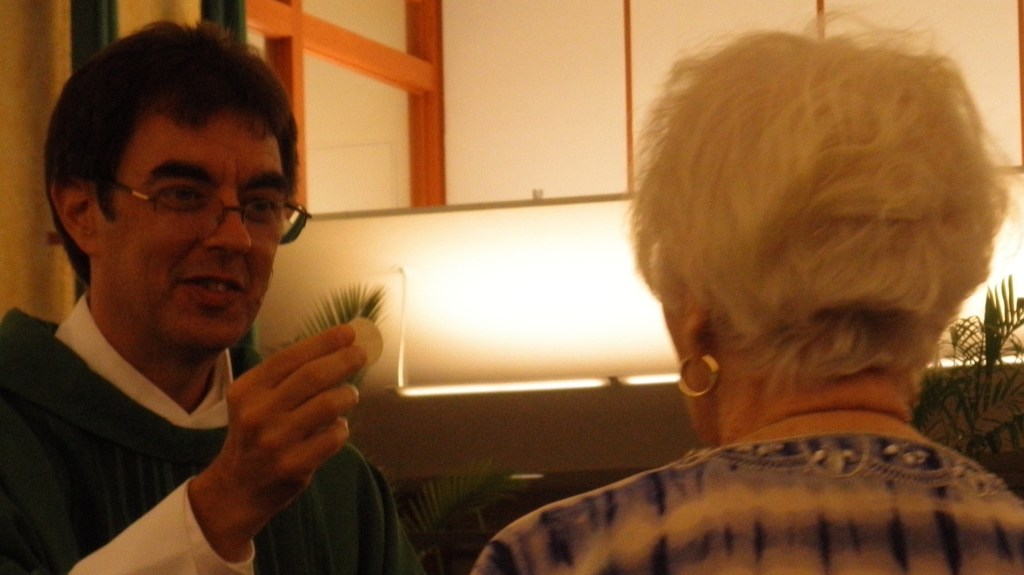
Jesus, the Holy One of God, comes close to us in the consecrated bread and wine.
Even though Jesus had fed the five thousand and they were satisfied and there was plenty more where this gift of grace came from, even though they traveled by boat and followed him to Capernaum seeking a sign, the discourse regarding eating his Flesh and drinking his Blood was just too far of a stretch for most of the disciples to take. In fact: Many of the disciples of Jesus who were listening said, “This saying is hard; who can accept it” (Jn 6:60)?
Many of his disciples walked away from Jesus at that point and returned to their former ways of life. They could not believe because they did not fully appreciate who Jesus was, the One from above, who was sent by the Father. They had not developed a deep enough relationship with him such that they could trust him and what he said was true, they could not believe in the One whom God had sent.
Jesus then said to the Twelve, “Do you also want to leave?” Simon Peter answered him, “Master, to whom shall we go? You have the words of eternal life. We have come to believe and are convinced that you are the Holy One of God” (Jn 6:67-69). Peter’s response is one of belief and trust. I am sure they reacted in the same way as the other disciples gathered there, but they trusted Jesus enough that even though this teaching was hard, even inconceivable, he would make sense of it for them, just as he had done so many times before.
This is to be our response as well. When we find some of his teachings are hard to digest, we need to resist the temptation to walk away. Instead, may we follow Mary’s model of pondering, as she did when Gabriel shared she would bear the Savior of the world. She did not fully comprehend what the message meant, but she trusted God and said yes. May we follow Peter, who may have also been dealing with mixed emotions and doubts, remained firm in his belief in Jesus because he trusted that Jesus was the “Holy One of God”. Peter had experienced that Jesus had known what he was saying and doing before, he would continue to trust him this time as well.
Jesus is a model to follow, yes, but he is so much more! Jesus does not give us more burdens to bear, but graces that build on our nature that we are invited to receive. He did not want to die, but he was willing to say yes, to submit his human will to his Father because he trusted him and knew he would bring about a greater good. Jesus gave his life and in so doing he conquered death, transcending the time and space of our present dimension so to be present to us in the Sacrament of the Eucharist. Jesus lives, he is the firstborn of the new creation, and he wants to not only lead us to eternal life, but impart his life in us, in such an intimate way that we may consume him, that we may be one with him in this life and for all eternity! May we with Peter come to believe and be convinced, that Jesus is the Holy One of God!
Amen. Amen.
I’m alive, I’m alive,
Because he lives.
Amen. Amen.
Let my song join the One that never ends.
Because he lives.
The verse from Matt Maher’s song, “Because He Lives (Amen)”.
—————————————————————
Photo: Sharing Jesus at my first Mass as a deacon and looking forward to returning to serve again at Mass soon!
Link for video: Because He Lives (Amen), Matt Maher, from cd: Saints and Sinners, 2015
Link for the Mass readings for Saturday, April 24, 2021
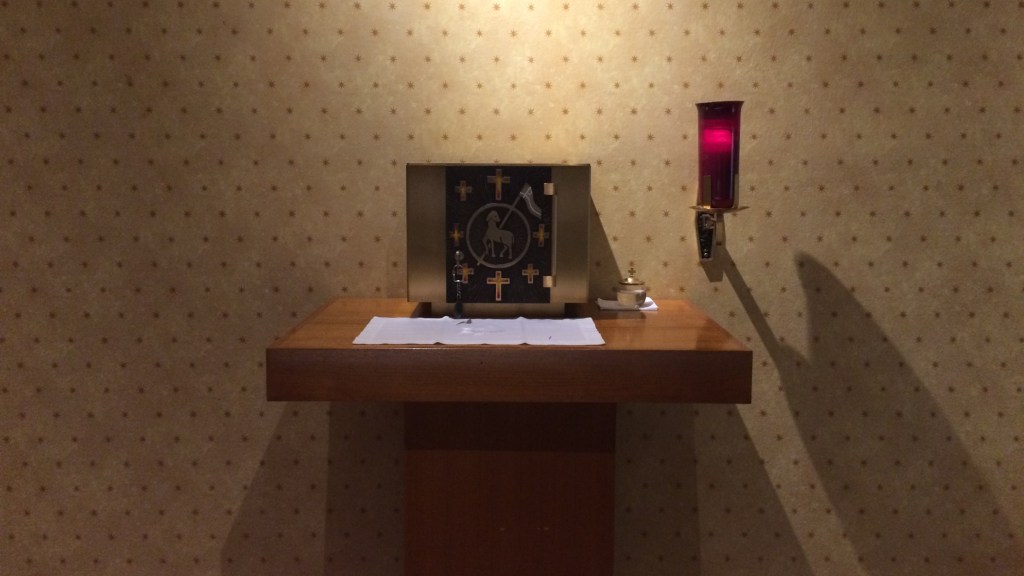
 Spiritual Stepping Stones