Reflections on the Gospel Reading for the Day
Onlooker or disciple?
I can visualize the opening scene of today’s Gospel in my mind’s eye. Jesus striding along with a gathering of people walking, talking, and moving about, and then he just stops and turns. Those closest to Jesus pull up to a stop with him, others continue right past, while at the same time others bump into and trip over those who had stopped before them. The subtle hum of random conversation then slowly comes to a halt, a stillness ripples through the crowd, and then there is silence. The dust begins to settle. Those closest have their eyes locked on his, while those further back are craning their necks, moving left and right to get a better look, others are cupping their ears to catch the sound of Jesus’ voice.
These crowds most likely consisted of some disciples, while the greater majority were those on the periphery gathering because of curiosity, intrigue, and maybe even wonder. Jesus then begins to speak, “If anyone comes to me without hating his father and mother, wife or children, brothers and sisters, and even his own life, he cannot be my disciple” and then finishes with “In the same way, everyone of you who does not renounce all his possessions cannot be my disciple” (cf. Lk 14:25-33).
Those may be hearing it second hand, as they were further away from the point of direct hearing, may not believe that the message was transmitted to them correctly. These words cut to the quick, just as surely as when Jesus shared about eating his flesh and drinking his blood, and when he told another follower, who wanted to bury his father to let the dead bury their dead. Luke does not say, but I am sure that many of those gathered around him were just as shocked and began to walk away.
The familial bond for ancient peoples was strong. Though the invitation of salvation that Jesus offers is for all to be saved, he is not going to dumb down or sugar coat his message just to get numbers. Jesus presents, time and again, that the way to live a life of fullness and wholeness, to restore that which has been lost, is to put God first in our lives. God must be the primary focus, the primary relationship in our life, nothing else can have priority of place before him. When we do so, all other things will fall into their proper place.
We need to ask ourselves if we want to be an onlooker, just someone looking at Jesus from a distance, or a disciple, willing to be his servant sent forth to share the Gospel and invite others into relationship with him? Are we attached to any possessions, false substitutes, even members of our family, such that we place them before our relationship with God? Idols are anything that we put before God and will distract us from the very flow of his life force that fuels our existence. If we are willing to walk the path of discipleship, we must be willing to surrender our will to God, place him first in our lives, and be open to being transformed by his love.
Jesus is to be the interpretive key that opens our understanding to all else. All that which is material and finite in our lives find meaning in relation to him. Only when we are able to let go of the attachments to the things of this world will we then truly begin to be free, to be other-centered, to be more patient, understanding, and willing to love and be more present to our father and mother, wife or children, brother and sister, and even our very self and our neighbor.
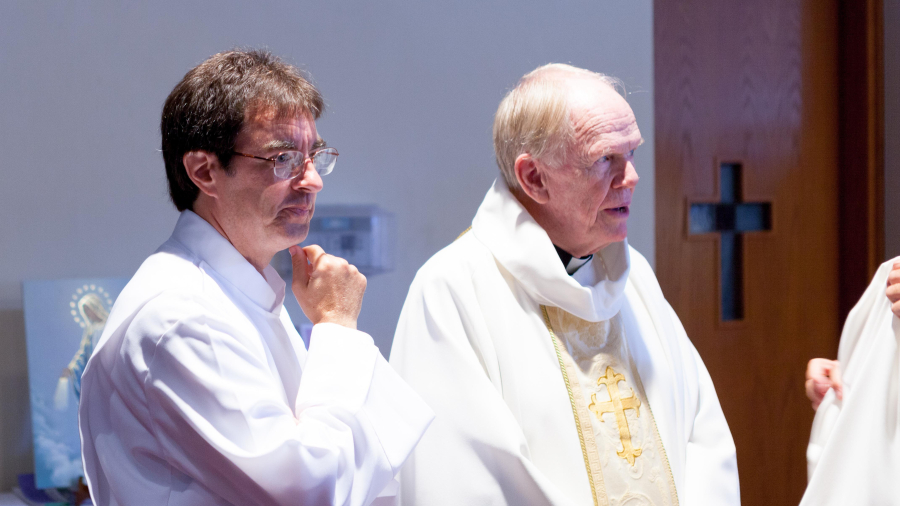
Photo: In the chapel at St Ignatius Cathedral, just prior to my ordination Mass, September 2013. To my left, long-time friend Fr. Ed O’Brien, a true disciple!
Photo Credit: Deacon Michael Miller
Link for the Mass readings Wednesday, November 6, 2019
We have been invited to participate in reconciliation, friendship, and communion.
One of those at table with Jesus said to him, “Blessed is the one who will dine in the Kingdom of God.” He replied to him, “A man gave a great dinner to which he invited many. When the time for the dinner came, he dispatched his servant to say to those invited, ‘Come, everything is now ready'” (Lk 14:15-17)
In the midst of increasing violence, polarization, shouting over one another, delegitimizing, and dehumanizing one another, some react by sinking into cynicism, indifference, apathy, or worse, despair and hopelessness, while others dig in deeper and strike back with harsh words, rhetoric, or more violence. These reactions were present in Jesus’ time as well, yet he leads us to an alternative response to deal with division and hatred.
Judaism was far from unified. The Sadducees, Pharisees and scribes, Samaritans, Zealots, and Essenes all felt they were the authentic expression of Israel. Jesus not only addressed this division by sitting down to break bread with as diverse a population as possible, but he also shared parables around the same idea of the invitation to share in the celebration of a feast, as we read today.
Each encounter that we are blessed to partake in is an invitation to experience communion. We have the opportunity to interact in person, face to face, or through the myriad of other technological means of social media. Through each opportunity, we can demean, degrade, delegitimize, gossip, or defame or we can accept the invitation of encounter by embracing the opportunity to treat each other with dignity, respect, kindness, and understanding, yes, even when we disagree.
We all have wounds, each of us have suffered or are suffering, and we have or are experiencing pain in some form or fashion. We all seek to belong, to be a part of, and to be accepted. We need each other. Each day we have a choice to make. We can further perpetuate the condition of original sin, choosing our self over God and one another, or we can engage in being a healing agent of reconciliation, friendship, and communion.
Jesus helps us to notice the suffering of our brothers and sisters, to be aware of their trials and tribulations. When others act toward us in any way that is less than kind, grant us patience. If someone is short with us, let us resist the defensive response and instead ask if there is any way we can help. If someone is talking over us, grant us the mindfulness to take a deep breath and listen. Ultimately, please help us to be a vehicle for the love of God in our interactions with one another.
———————————————————————–
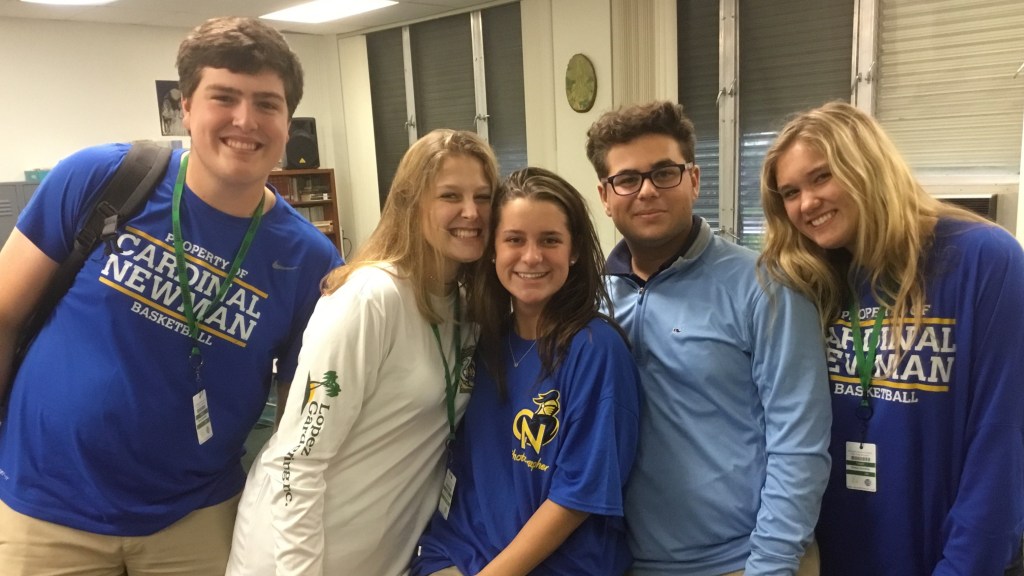
Photo: Embodying friendship
Link for the Mass readings for Tuesday, November 5, 2019
We have been created to receive the love of God and to love one another in return.
“[W]hen you hold a banquet, invite the poor, the crippled, the lame, the blind; blessed indeed will you be because of their inability to repay you” (Lk 14:13-14).
Jesus means what he says here, though I am not sure many of us are ready to live this Gospel out. If we are going to get to the point where we can, we must understand the deeper point that he is making. The words of Jesus above give us an example of what it means to love unconditionally. We are to resist the temptation of doing anything with the primary reason of receiving thanks or praise. We are to instead reach out to those in need because they are in need. We embrace our dignity as human beings when we recognize the inherent dignity of another and serve them without hesitation, without holding anything back.
This is the root of what we mean when we say that we are believers in the God of Jesus Christ. God is a divine community of persons, Father, Son, and Holy Spirit. The Father gives all that he is to the Son perfectly, infinitely, holding nothing back. The Son receives all that he has been given perfectly, infinitely and returns, in like fashion, what he has received to the Father. The infinite Love shared between the Father and the Son is the Holy Spirit.
Through the Son of God becoming incarnate, becoming one with us in our humanity and returning to the Father at his Ascension, we now participate in that same divine love given and received between Father, Son, and Holy Spirit. We do not give of our time, our talent, and our treasure, because we will be given in return – more time, more talent, more treasure. We give, we love because we have already been loved into existence and are continually loved more than we can ever imagine by our God. We are to receive his love and love in return because that is who he created us to be.
The very fact that we exist, that we have life, is a gift, yet we are not meant to merely exist. Jesus teaches us that the height of our humanity is to allow him to love us and through us, love others unconditionally. When we look into the eye of each and every person we meet, we are to see a brother, sister, mother, father. With each smile, each embrace, each listening ear, each act of invitation to walk not ahead, not behind, but with another, and by simply being present, we reaffirm to each other that we have dignity. This is true because each and every one of us has been created in the image and likeness of God, who is Love.
——————————————————–
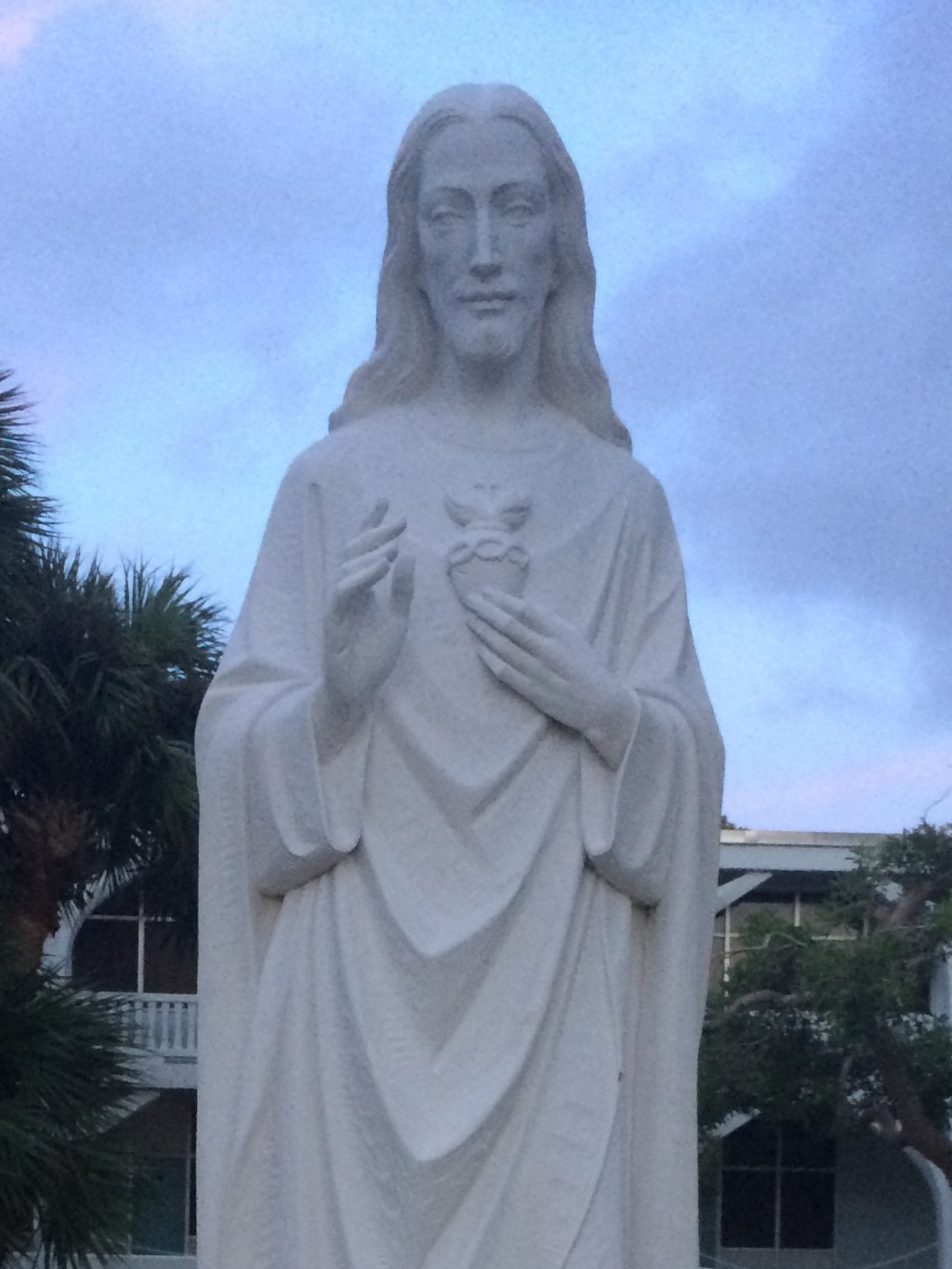
Photo: Sacred Heart of Jesus on the grounds of Our Lady of Florida Spiritual Center
Link for the Mass readings for Monday, November 4, 2019
Jesus would like to dwell within us, are we willing to accept his invitation?
“Zacchaeus, come down quickly, for today I must stay at your house” (Lk 19:5).
Zacchaeus was up in the sycamore tree when Jesus called him because “he was short in stature.” Zacchaeus was attempting to get to see Jesus but no one was willing to let him through to access a better vantage point. Not deterred, he climbed the tree.
Jesus recognized the ingenuity of Zacchaeus and his persistence of not being turned away by the apparent obstacles placed before him. He recognized that Zacchaeus was also a sinner, but that he did not point out at the moment of their encounter. Jesus simply said that they were to dine together.
Jesus’ act of not only acknowledging and accepting Zacchaeus but then to invite himself to dine with him in his home cut Zacchaeus to the heart, such that he was willing to repent from his unethical practices. He vowed to give to the poor and to pay back four times over anyone he had extorted.
There is an important lesson for us today in the Gospel regarding our encounters with one another. Jesus by no means condones sin and unethical behavior. From the beginning of his public ministry, he has called for repentance. Yet, what is crucial is that he meets people and accepts them as they are as the starting point.
Jesus did not say to Zacchaeus, “If you are willing to repent and give to the poor, we will break bread together.” Instead, he said, “Zacchaeus, come down quickly, for today I must stay at your house.” It is this movement of mercy that touches Zacchaeus and provokes a change of mind and heart. He is willing to do what the rich young man (cf. Lk 18:18-23) was unwilling to do to inherit eternal life, part with his wealth, atone for his sin, and give to the poor.
What if we resisted judging others and putting them into a box, and not only loved and accepted more, but recognized that we “are lost” as well and in need of a savior? Maybe then there would be less division, polarization, and hatred, and more understanding, kindness, unity, and love exchanged more often. None of us are perfect and all of us fall short of radiating the glory of God in our encounters with one another. Jesus is willing to meet and walk with us when we accept his invitation to stay with us. The answer is to let him into our mind and heart, let him love us, and let him love others through us.
Some powerful ways that we can recognize Jesus in others, is to spend time with him in prayer, in his Word, adoration of the Blessed Sacrament, and to consume him in the Eucharist so that he becomes one with us organically, subsisting in us at the very core of our being.
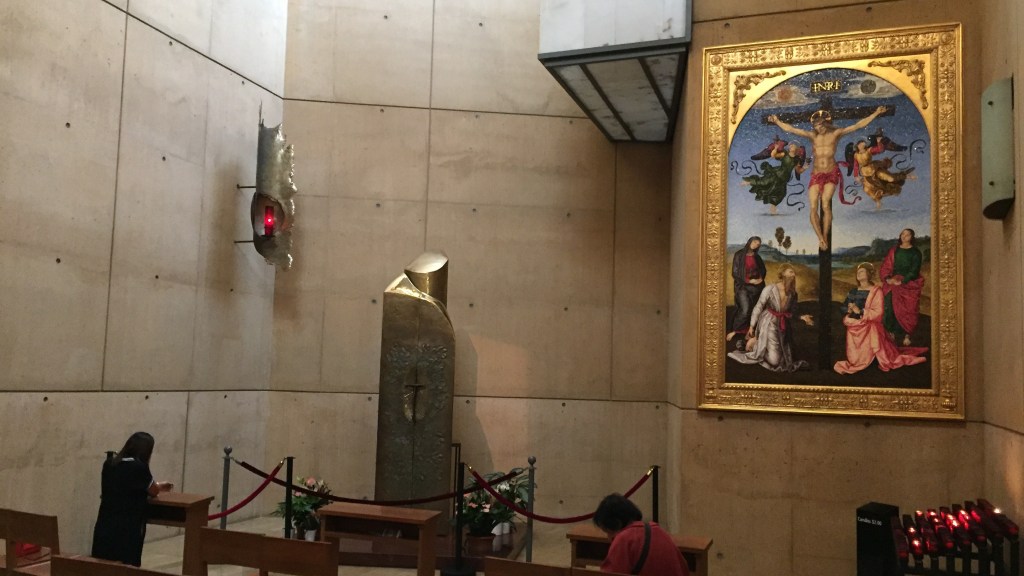
Photo: Spent some time in the adoration chapel, Cathedral of Our Lady of the Angels, Los Angeles the past few days.
Link for the Mass readings for Sunday, November 3, 2019
“The souls of the just are in the hand of God.”
“For this is the will of my Father, that everyone who sees the Son and believes in him may have eternal life, and I shall raise him on the last day” (Jn 6:40).
This is what we believe, this is our hope, that we who encounter Jesus and believe in him shall have eternal life. God’s will, what he created us for, is to be in communion with him and one another in this life and the next. A word of assurance that I often lean on is from the book of Wisdom from our first reading today, “The souls of the just are in the hand of God, and no torment shall touch them. They seemed, in the view of the foolish, to be dead; and their passing away was thought an affliction and their going forth from us utter destruction. But they are in peace” (Wisdom 3:1-3).
The miracle of Jesus raising the daughter of the official embodies these verses from Wisdom. As Jesus entered the home of the official many were “making a commotion” and Jesus dismissed them stating: “Go away! the girl is not dead but sleeping.” He was ridiculed by the crowd but paid them no heed. He went to the girl, took her hand, “and the little girl arose” (cf. Mt 9:18-26).
Jesus’ assured his followers as he assures us today that the will of his Father is that all will be saved. Experiences like the raising of the official’s daughter, the son of the widow from Nain, and Lazarus, were not only seeds of hope planting the promise of his resurrection to come but a foretaste of the raising of humanity on the last day. His disciples witnessed Jesus’ actions and words, and not only kept these experiences in their hearts but shared them. This is the gift of the Gospels. We are able to enter into and experience these same encounters with Jesus again each time we read the Bible. Each time we pray, each time we worship and serve one another, we also experience Jesus who, in each of these moments of encounter, shapes and conforms us into who we have been created and called by God to be.
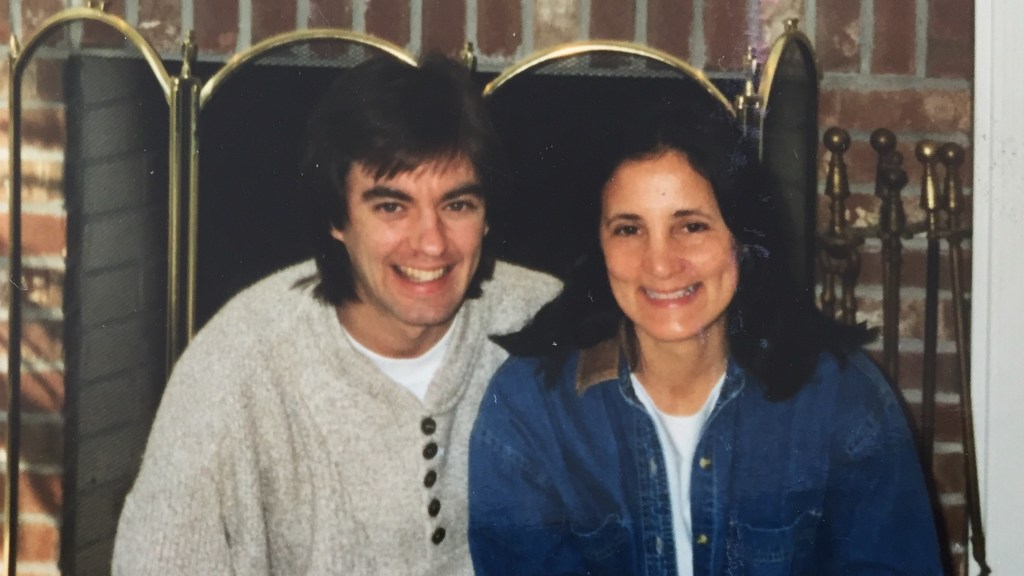
This All Souls Day we celebrate the gift that Jesus was victorious over sin and death, not only for himself but for all of us. I remember JoAnn today and embrace the hope that “the souls of the just are in the hands of God”. Who do you remember? Let us lift up those we hold close to our heart, those aborted and miscarried, those who have died seeking a better life, as well as those who have died alone, and suffered tragic and violent deaths. We pray with the Church: “Merciful Father, hear our prayers and console us. As we renew our faith in your Son, whom you raised from the dead, strengthen our hope that all our departed brothers and sisters will share in his resurrection, who lives and reigns with you and the Holy Spirit, one God, forever and ever” (Prayer for All Souls, Liturgy of the Hours).
——————————————————————
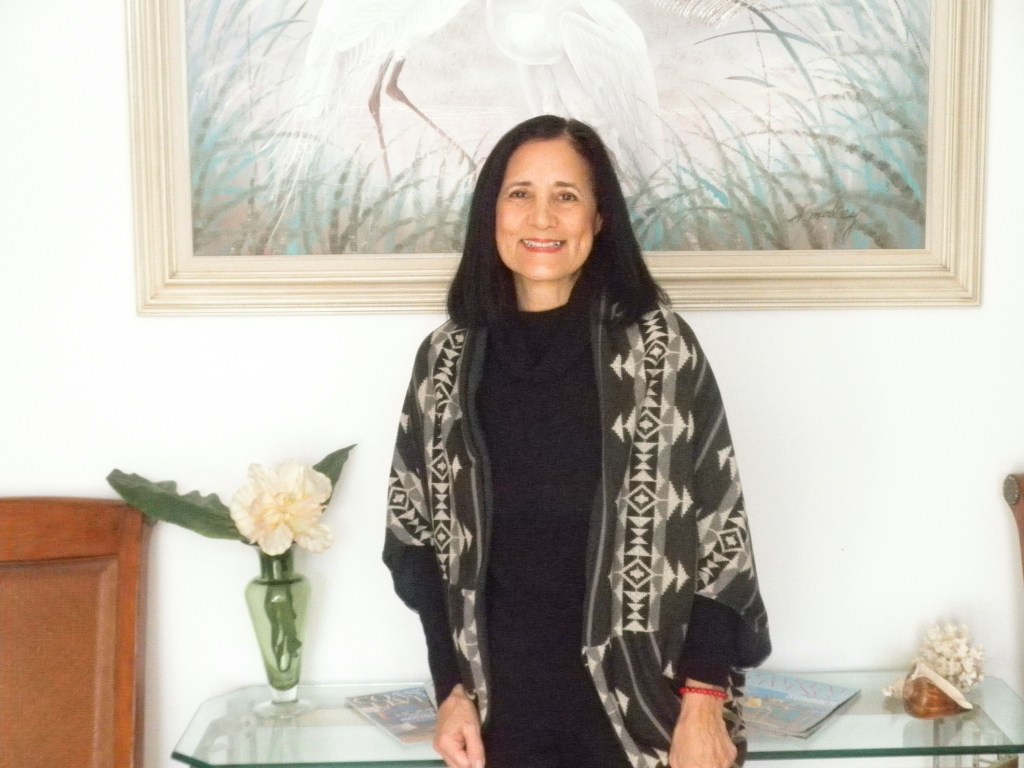
Photo: Remembering JoAnn, my heart and my love. Picture from her birthday 2015.
Link for the Mass readings for Saturday, November 2, 2019
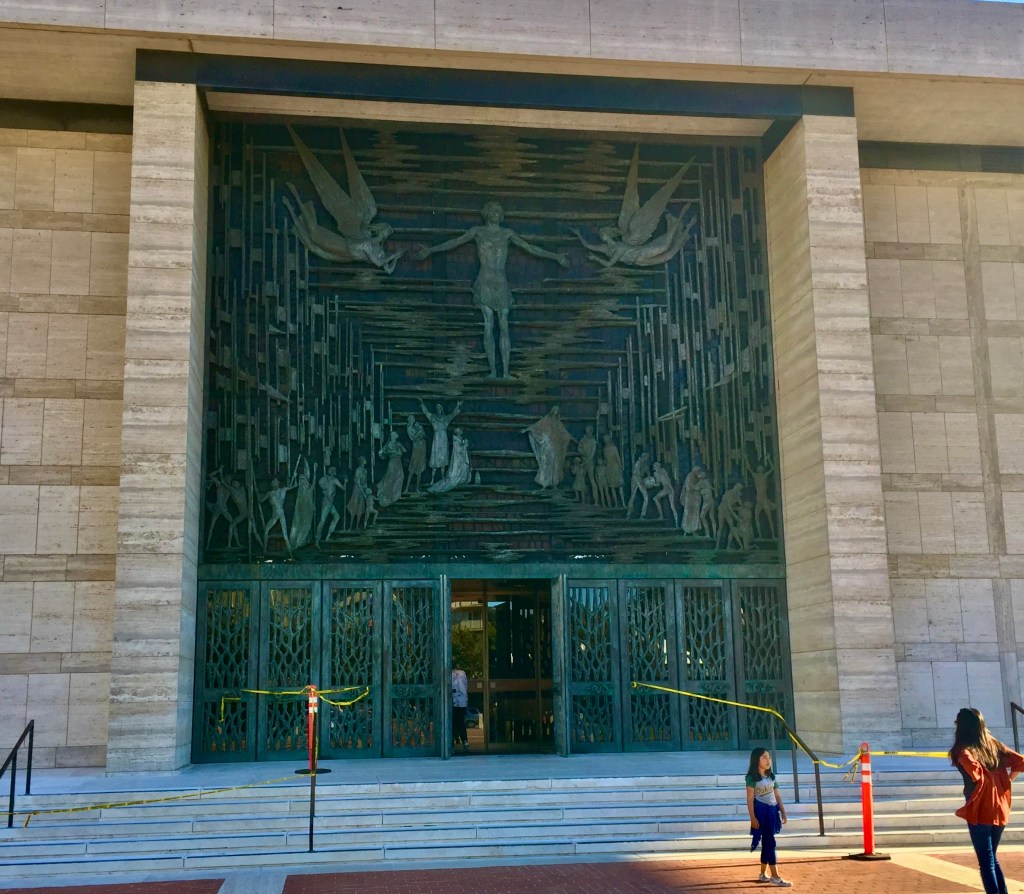
Jesus meets us with arms wide open when we come to him in our time of mourning.
“Blessed are they who mourn, for they will be comforted” (Mt 5:4).
Another word for blessed is happy. How are we to feel blessed, or happy? How do the families and friends of those who have died feel blessed? We hear and worse do not hear about violent acts weekly. Just in the past three days, 71 people have died from gun violence in our country (Gun Violence Archive). From a theological reference, one response can be that Jesus spoke from the perspective of the eschatological event, his second coming at the end of time and that we can rely on the hope that Jesus died for us all and we will rise with him on the last day.
This is our hope and this is true, but I also believe that Jesus was also speaking about our day to day experiences as well. Jesus said, as is recorded in Mark 1:15, “This is the time of fulfillment. The kingdom of God is at hand.” Jesus, is the kingdom at hand, just an outstretched arm away. Those of us who mourn will be blessed, will find comfort when we resist running away, or denying the agony and pain that threatens to overwhelm us and instead allow ourselves to experience the grief and the suffering of our loss. It is in the very embracing of our pain and suffering that we come to encounter Jesus with his arms wide open.
By experiencing the depth of our sorrow and allowing ourselves to grieve and mourn in his loving embrace, we can release this unbearable weight and begin to heal. If we ask God or anyone near us why someone dies we may not receive a sufficient answer. His Son though, who suffered the agony, loss, pain, and hurt as we do, understands what we are feeling. His presence and closeness will be the strength we need to guide us through the many ups and downs, fits and starts, of our emotional roller coaster. Just like having a surgical amputation, our life will never be the same, but we will heal and be able to live again.
Today, we celebrate the gift of the Communion of Saints on this All Saints Day. The saints understood and lived the message and truth of the Gospel that Jesus has risen. They have lived their life to the full and have gone before us to the true land of promise, our heavenly home, and from there they cheer us on, encourage us, and intercede for us.
Jesus suffered and persevered through the cross, then into and conquered death. We need not fear death because through our life in Jesus, death no longer has any power over us. Yes, we mourn the loss of those no longer with us in this reality, yet we also rejoice in their new life in Christ. St Paul of the Cross, taught: “The world lives unmindful of the sufferings of Jesus which are the miracle of miracles of the love of God. We must arouse the world from its slumber.” Let us then not run from but enter into our pain and mourn so that we may experience God’s comfort, peace, and healing.
—————————————————————
The source for the quote is from St Paul of the Cross: https://passionist.org/st-paul-of-the-cross-passionist-founder/
Photo: Entrance to the Cathedral of Saint Mary of the Assumption, San Francisco
Link for the Mass Readings for Friday, November 1, 2019
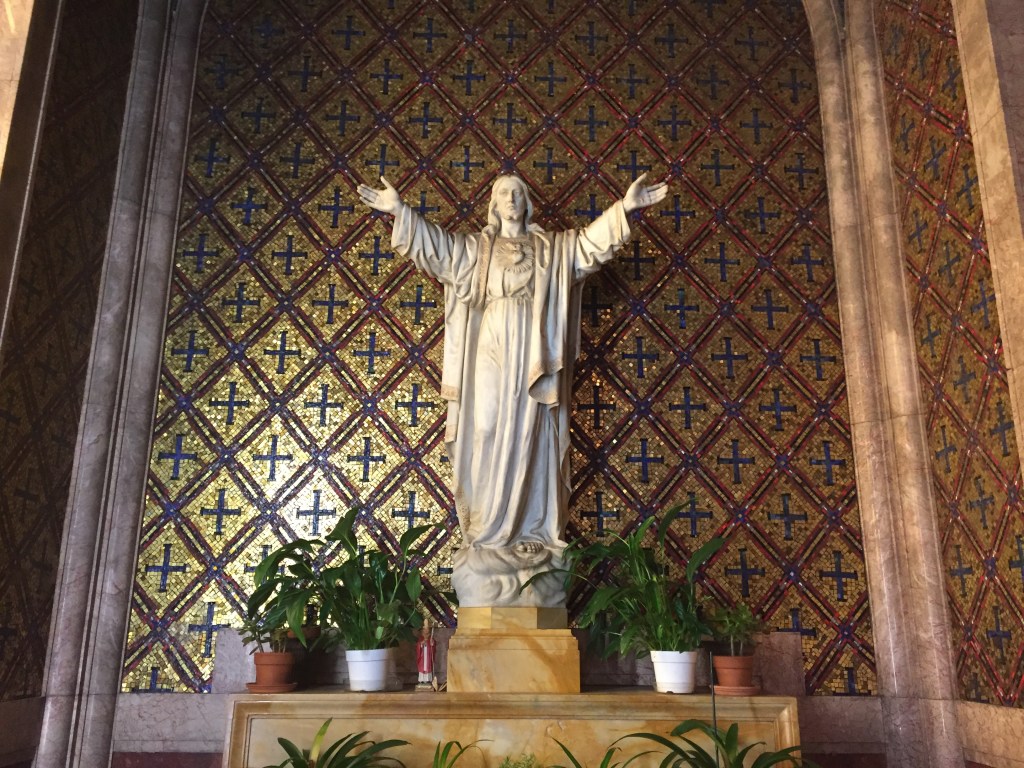
Do we have the faith, the courage, to allow Jesus to witness through us?
Some Pharisees came to Jesus and said, “Go away, leave this area because Herod wants to kill you” (Lk 13:31).
Even with this warning, from some Pharisees no less, Jesus continued to teach openly and publicly as well as performed healings and cast out demons. He did not fear the threat of retribution even from the likes of Herod. He willingly surrendered all to his Father.
The courage of Jesus makes him a very dangerous man because he cannot be controlled, threatened, or coerced. Jesus is sure of what God has sent him to do and he is going to follow through with his Father’s plan even to the point of giving his life.
Many, even those who didn’t believe like the centurion who ran his spear through his side, admired his courage, coming to believe that he was the Messiah (cf. Mark 16:39). Many of the first-century martyrs who followed Jesus to their own deaths were a big reason for many who came to believe and also became followers of this One who died on a Cross. Tertullian, one of the early Church Fathers, living from 155 – 220 AD, went so far as to say that “The blood of the martyrs is the seed of the Church.”
We are all called by God to be martyrs, not necessarily by shedding our blood. Martyr literally means witness. Each of us is called by Jesus to bear witness to what we believe. Faith is a gift. If we feel that we are weak in our faith, we are in good company, because Jesus said on more than one occasion to his Apostles, the ones he would send out as his witnesses, “Oh, you of little faith.”
If we feel like our faith could use a little shoring up, then we can ask God to increase our faith, while at the same time, we can start to bear witness in our everyday encounters. How this plays out will be different for each of us. All of us have had those stirrings of the heart to say or do something or to reach out in one way or another.
Last week, I was walking back to our apartment with a pizza for supper for me and Jack. I was coming up on someone walking ahead of me, who was disheveled, skinny, and could have used something to eat. I felt the stirring within to ask if he wanted a slice, not a big effort or cost on my part. I didn’t follow through. I bought into the mind noise of reasons why I shouldn’t and instead picked up my pace and like the priest or the Levite in the parable of the Good Samaritan, widened my distance, so as not to provide him the opportunity to ask.
There have been times I have followed through on the invitation of the Holy Spirit and times like last week when I haven’t. When I don’t, I imagine ways I could act differently if a like situation arises again in the future. I continue to pray for discernment, and for Jesus to give me the courage to act as he did.
How is the Father calling us, challenging us, to resist indifference and be his witnesses in our everyday lives? Jesus, please help us to be more open with each stirring of the Holy Spirit to be better witnesses. Each time we say yes, our faith increases.
Photo: Statue of the Sacred Heart of Jesus in the Mission Dolores Basilica in the Mission District in San Francisco
Link of the Mass readings for Thursday, October 31, 2019
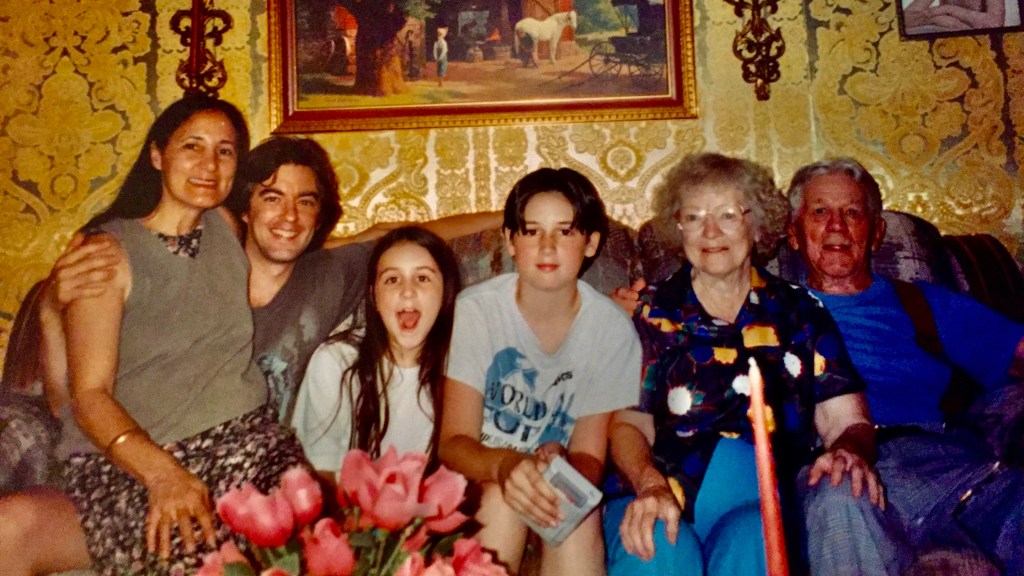
Relationships grow when we are willing to enter the narrow gate of God’s love.
He answered them, “Strive to enter through the narrow gate, for many, I tell you, will attempt to enter but will not be strong enough” (Lk 13:24).
Jesus offered this answer to the person who asked him, “Lord, will only a few be saved?” Jesus’ parables about it being easier for a camel to pass through the eye of a needle than for a rich man to enter heaven (cf Mt 19:24) and the rich man and Lazarus (Lk 16:19-31) also reveal to us that what we say and do in our lives regarding the welfare of others matter. Are we building walls or bridges regarding our relationship with God and one another?
There are many distractions, diversions, and temptations that pull at us. When we give in to them, we can strain or even break our relationships. Jesus said many will not be strong enough, and on our own he is right. St Paul also realized this, for he wrote, “I do not do the good I want, but I do the evil that I do not want” (Romans 7:19). How many of us could say the same?
Relationships are not easy in the best of circumstances, this is true on the human level as well as the spiritual. St Teresa of Avila, the 16th-century Spanish saint, and doctor of the Church, shared openly with Jesus once after being thrown from a carriage into a mud puddle, “If you treat your friends so poorly, it is no wonder that you have so few!” I relate to the honesty of this quote. My maternal grandparents had the same kind of open, unfiltered relationship with each other. To an outsider looking in, they would have missed the depth of love they had developed for one another for over sixty years and which continued to grow into their last days.
Authentic relationships demand that we go through the narrow gate of love. Love is more than emotions or feelings. We must grow in our willingness to sacrifice, to be committed, to be understanding and forgiving, to be present, to risk being vulnerable, to be honest, to respect boundaries, to share who we truly are with one another, free of any pretense or masks. On our own, we are not strong enough to persevere, but with God, we will remain faithful.
My grandmother told me to take the time we needed to get to know each other, but once we knew, not to wait too long. We didn’t. JoAnn and I were married six months after we started dating. Each of us brought our own baggage, wounds, and mistakes, yet each year was better than the one before because we grew closer to God. We became more patient and understanding, we empowered and were there for each other. At each of the crossroads that arose over our twenty-four years, we chose the narrow gate. We loved Jesus and each other and our relationship continued to grow.
Jesus invites each and every one of us to take His hand today and every day, so we can help others do the same. Who then will be saved? Not those who believe they are worthy, but those who are willing to enter the narrow gate, to love others as He loves us.
Photo: Visiting my grandparents before moving to Florida.
Link for the Mass readings for Wednesday, October 30, 2019