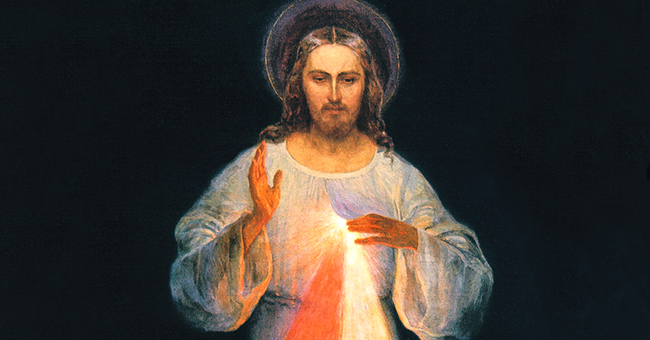
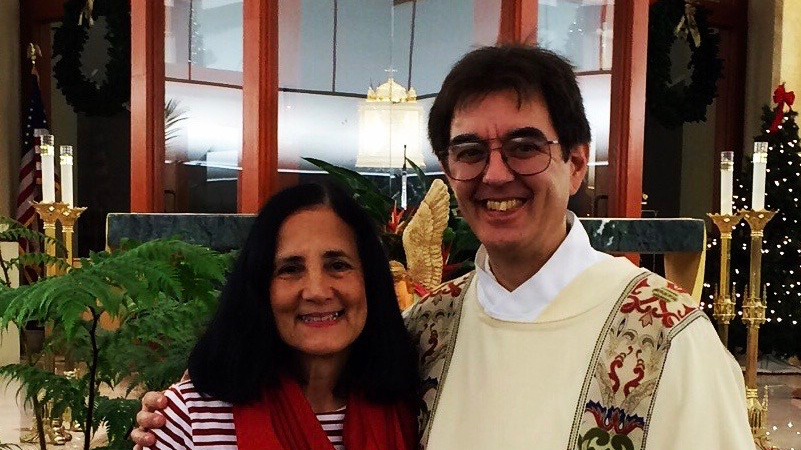
Ask and you will receive the gift of relationship.
“And I tell you, ask and you will receive; seek and you will find; knock and the door will be opened to you. For everyone who asks, receives; and the one who seeks, finds; and to the one who knocks, the door will be opened” (Lk 11:9).
We can be frustrated in prayer because when we do make the time to pray, we feel or think that nothing is happening or has happened. We may pray for a specific petition for our self, or for a particular intention for another and felt, or thought, that there was not an answer from God. One may pray a sincere, seemingly selfless prayer for a loved one, a child, a spouse, a friend, to be healed and the person still dies. They may be deeply hurt because they did what Jesus said; they asked, they pleaded and begged, but felt they did not receive the healing; that which they sought for, was not given and, instead what they found was nothing but pain and heartache from the loss; they knocked until their knuckles were raw and experienced no one on the other side.
Our attitude and orientation to prayer matters. When we sincerely turn our hearts and minds to God in prayer, something happens between us and God, though it may be beyond our cognitive grasp to understand or our sensory awareness to experience. There may indeed be emotional highs and consolations experienced in prayer, but if seeking those is the primary motivation for prayer we will find ourselves more frustrated than not. There may also be lows in prayer, dryness, even desolations, and even feeling God’s absence are also a reality. Emotions are fleeting and not a good barometer when measuring the effectiveness of prayer.
Another big misconception is that we pray to God as if he were a gumball machine. It may seem a silly analogy but how many of us really do pray and only pray that way, and when we do not receive the specific thing we asked for, at the time specified, when we wanted and as we wanted, we brood and think God doesn’t care or does not, in fact, even exist. We may even slip into the barter posture. God if you grant me this, I will do that. If we are only open to receive what we want on our terms, again we are setting ourselves up for frustration.
The very desire to pray, a turning our hearts and minds to God though, is an answer to his invitation, for he is the one who reaches out to us. The answer to what or who we ask, seek, and knock is found at the end of the Gospel reading for today: “If you then, who are wicked, know how to give good gifts to your children, how much more will the Father in heaven give the Holy Spirit to those who ask him” (Lk 11:13)?
God knows what is best for us, he sees our potential, he wants us to experience joy and be fulfilled. How can we best live our lives in this world to attain that reality? We do so by receiving the Holy Spirit. Who is the Holy Spirit? The infinite, communal love expressed between God the Father and God the Son. Our goal in prayer is to enter into God’s reality of infinite communion of Love.
Through building a relationship with God, which we are able to through our participation and conformation to the life of Jesus, we come to see the truth of empty promises, apparent goods, substitutes to fill our emptiness and faulty defense mechanisms that we have been utilizing as guideposts to merely survive and get through life.
When we stay consistent in an authentic prayer life our lives will change, we will begin to bear the fruits of the Holy Spirit which are love, joy, peace, patience, kindness, goodness, gentleness, and self-control (cf. Galatians 5:22-23)?
Why may God not appear to answer a prayer for our healing or for a loved one with a chronic condition or one who is dying? I do not know. But we need to resist running from the pain of loss and be willing to trust that God has not abandoned us but is with us as we spend time in prayer. The tears that arise from our suffering can then become a healing salve, a doorway into the open arms and embrace of Jesus who awaits us in the depth of our grief and pain. Even our loved ones, who have died, have not come to an end but have experienced a new beginning with our loving God and Father. JoAnn often would say in her last few weeks that she was just changing her address.
Ultimately, what we ask, what we seek, and what we knock for when we pray is to be loved, to belong, to be a part of something, someone greater than ourselves. We have been created as a living, craving hunger, and desire to be one with God and each other. This is true for the atheist and the mystic alike. We have been created to be loved and to love.
The Holy Spirit is the gift of prayer that is open to us all. He is the love shared between the Father and the Son, that we too can experience. This is why he is the answer to our prayer, though sometimes to be aware of him in our lives takes perseverance. It may not be that God is not answering, but that we are not patient enough to receive the answer. Prayer is about building a relationship and like any other relationship before we can grow into it, we may be needing more time to heal or to build trust, and we must spend time together. Most importantly we need to learn to communicate and that means learning God’s profound language of silence.
———————————————————————————
Photo: Prayer brings us closer to God and each other.
Our Father, who art in heaven…
Jesus was praying in a certain place, and when he had finished, one of his disciples said to him,”Lord, teach us to pray just as John taught his disciples” (Lk 11:1).
Jesus’ response to the disciple’s question is what we typically call the Lord’s Prayer or the Our Father. The longer and more common version is paralleled in Matthew 6:9-13. The Lord’s Prayer provides for us two basic ways to pray this prayer: as a rote prayer and as a model of prayer.
Rote prayers are those prayers that we memorize word for word. The value in rote prayer is that when we have memorized them, it gives us a good starting point. How many times do we sit down to pray and not even know where to begin? Starting with the Our Father shows us a way to lift our hearts and mind to God in prayer. Also, during times of stress, anxiety, or trial, having rote prayers at the ready, when we are not able to focus our mind, gives us a natural rhythm that we can access and slow ourselves down.
The more we can then be mindful of the words we are saying, adding slow and deep breathes, matched with their familiarity, will assist us in bringing a calm and collected manner which we have experienced in the past during less anxious times. It is a calm alternative to feeding a mental frenzy that seeks to undo us.
Rote prayers are also beneficial when we pray with others. When we gather for worship, fellowship, or with two or more, praying the Lord’s Prayer is a wonderful place to begin. It is pretty amazing if we stop to think that we can pray together no matter the age gap with one voice the same prayer that Jesus and the Apostles prayed, all the saints as well as all Christians throughout the ages up until this day.
The Lord’s Prayer with its roots in Sacred Scripture, can also be a key to open the door to a deeper communion with God. As a model of prayer, we pray the prayer slowly, then stop at a word or phrase and speak freely. Here are a few examples. “Our Father, thank you for this moment that we have to spend together.” From there we can enter into a conversation with God, as we would with our parent, sharing the joys as well as the struggles we are going through. This could take two or twenty minutes or more and we have only recited two words!
“Hallowed be thy name. God, you are holy, majestic, so beyond my understanding. How can you be so distant from me, yet you know me better than I know myself?” Again, from there we just enter into a dialogue. We can then, with the first or second phrase go into prayers of petition, bringing our needs before our loving Father. We can offer prayers of intercession, praying for the needs of others with the Holy One who is Love. We can also continue our conversation or just quietly pause and rest silently in the loving presence of God. We can continue to take each part of the prayer, especially spending some time with forgiveness which we do not do very well. There are infinite possibilities to explore.
I invite you to pray the Our Father today as if for the first time, slowly embracing each word. As you do so you can also allow memories to emerge from times praying this prayer with others. I have fond memories of my grandfather leading us in the Our Father before Sunday meals, Thanksgiving, Christmas Eve, or Easter dinners. When I pray the Our Father, I can often hear his voice, his laugh, how he called me Sergie.
Especially, during this time of pandemic, we can reach out and pray the Our Father imagining ourselves sitting next to Jesus and the Apostles when they first asked them to teach this prayer. We can call someone living in another state, or country, or imagine we are with them, or even imagine being with those who have left this physical plane of existence, like my grandfather and JoAnn, who are now where we too will one day be. Another very good exercise is to pray the Our Father with someone we seek to forgive or seek forgiveness from. We can pray for reconciliation and healing.
Create a quiet place for yourself with a picture, a cross or crucifix, a candle, rosary beads, pictures of those you would like to be closer to, whatever sacramental object helps you to turn your heart and mind to God in prayer, then take a deep breathe and say, “Our Father,” and let God happen!
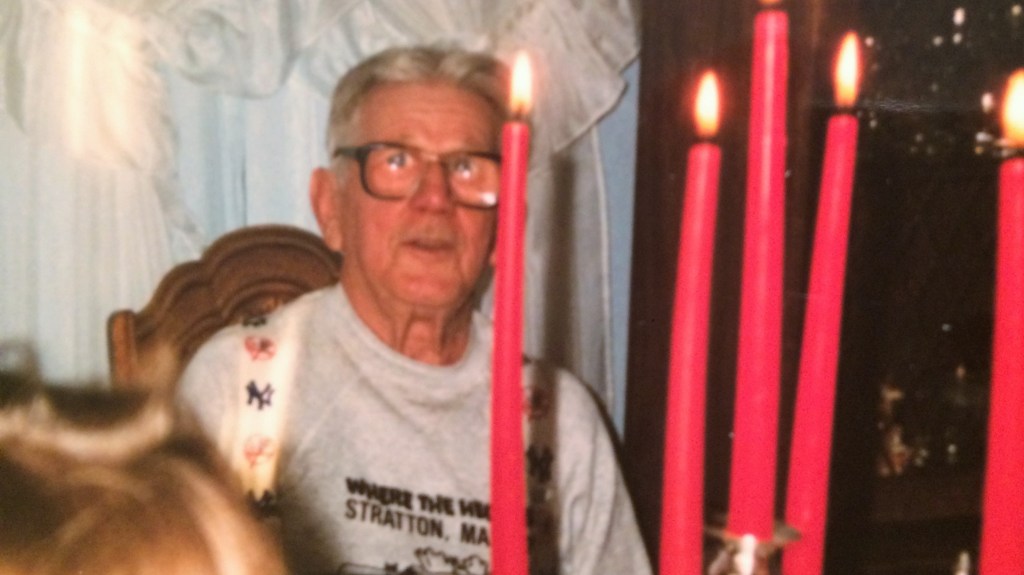
Photo: My maternal grandfather, Bernard Morcus, who is just about to lead us in the Our Father before a Thanksgiving meal.
Link for the Mass readings for Wednesday, October 7, 2020
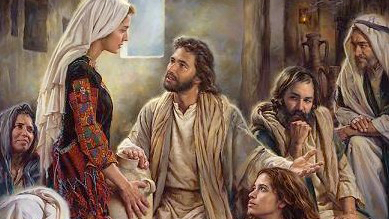
We can feed our anxiety or choose to sit at the feet of Jesus.
“Martha, Martha, you are anxious and worried about many things. There is need of only one thing. Mary has chosen the better part and it will not be taken from her” (Lk 10:41-42).
My wife, JoAnn, and I have had more than a few spirited discussions on this Gospel passage each time that it arose because at first reading it appears that Jesus does not show any empathy or regard for Martha’s gift of hospitality nor for all the work she has done. All the men are sitting around listening to Jesus with Mary doing the same, and who is left to do all the work? Martha.
It is not only deacon’s wives who carry extra weight and burdens in support on the home front to allow their husbands the time to serve, (The time it took me to write these daily posts was less time I could spend with JoAnn or less time to devote to the needs of our home) but many wives who are full-time homemakers, run in-home businesses or carry a job outside the home, as well as caring for the children, overseeing the bills, the day to day grind, find themselves at times, rightly so, underappreciated, undervalued, and not respected for all they do.
To all husbands reading this, WE definitely can do a better job of being present, more patient, respectful, and attentive to our wives and be more of an equal partner in our journey. All of us, female or male, could also be better served if we follow this pattern of attention and priority: God is to be first, then our vocation to marriage and family must come second, then work, then our vocation.
With that said, I do not believe that Jesus was disregarding Martha. Especially in the Gospel of Luke, there are many instances in which Jesus empowers women so far beyond the cultural reality of the time period. We read this account from our twenty-first-century mindset. Contextually, the men sitting at the teacher’s feet in a different room, the women cooking, and most times eating separately were commonplace for those in the first century AD. The only person out of step was Mary.
Jesus said that Martha was worried about many things, Mary could have been one of those worries, and not so much that Mary wasn’t helping in the kitchen, but because she was breaking the social norm of sitting with the men. When Martha calls Jesus to redirect Mary, she probably expects him to support her plea. Yet, Jesus acknowledges that “Mary has chosen the better part” of sitting and having her primary focus be on him. I can visualize Martha being taken aback at first, but then slowly seeing the muscles in her face relax, as she chooses to let go of her anxiety, take her apron off, throws it off to the side, and sits down next to Mary.
There is consistent evidence that beyond the Twelve, Martha, Mary, and Lazarus, were Jesus’ closest friends. When Jesus came four days after the death of Lazarus, it was Martha who initially came out to Jesus, not Mary, and in that exchange, it was Martha who made the claim that Jesus was the Messiah, the Son of God (cf Jn 11:27). She would not have had this insight, the same as Peter, who Jesus said only knew this through the revelation of the Holy Spirit if she was still holding a grudge over the dinner.
Today’s reaction and push back from this scene is not so much a reflection on Jesus but how poorly men have emulated Jesus in their interactions with women. No matter their ages, young and old and everywhere in between, women are human beings created in the image and likeness of God. No one has the right to abuse, demean, disparage, devalue, or exploit any woman. They are to be appreciated, heard, respected, understood, and valued.
All of us need to make a choice. We can either feed our anxiety or choose Jesus. We can recognize and admit that we are anxious about many things, we can resist choosing to take our anxiety out on one another, and instead come and sit at the feet of Jesus, breathe slowly, let the anxiety dissipate, seek his guidance, and begin again.
—————————————————————-
Photo: Painting by Nathan Greene
Mass Readings for Tuesday, October 6, 2020
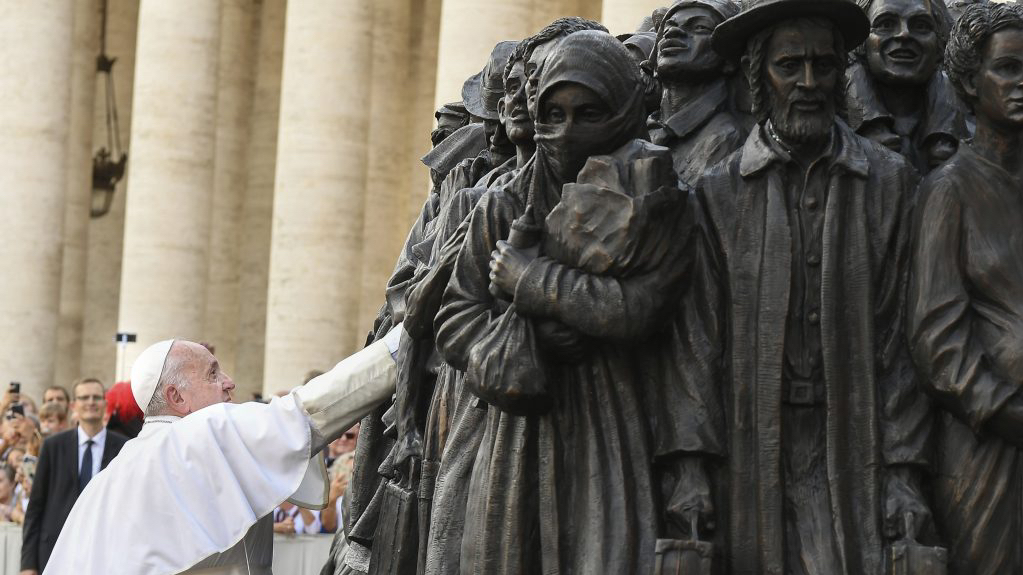
We too are to follow the words of Jesus, “Go and do likewise.”
“And who is my neighbor” Luke 10:29.
This question of the scholar of the law lines up with Peter’s question: “Lord, if my brother sins against me, how often must I forgive him. As many as seven times” (Mt 18:21)? Both the scholar and Peter knew the letter of the law but sought justification in following a minimalist approach to putting the law into practice. Jesus invites us to a deeper appreciation of the purpose of the law of God and that is to uphold the dignity of each person. Laws can be certainly unjust, and a mere following of the law for the law’s sake can wreak havoc.
Jesus made this point when he was challenged for even thinking that he would heal someone on the Sabbath when he said: “The Sabbath was made for man, not man for the Sabbath” (Mk 2:27). Time and again Jesus is calling us to have the courage to resist keeping others at arm’s length. He is calling us to risk assuming a stance of understanding, taking time to listen, and be present to, as well as accompany those we encounter.
The Samaritan did just that. The Jericho road was known for attacks just as the one suffered by the man who was left for dead. The priest and Levite may not have stopped to help because they might have thought the man was faking, or in the time they took to care for the man those that harmed him could have returned to abuse them. We don’t know the reason they continued on, because it was Jesus’ parable and he did not tell us. What we do know is that they did not stop to help, but the Samaritan did.
When Jesus asked who was the neighbor to the man robbed and beaten, the scholar said, “The one who treated him with mercy.” The scholar could not bring himself to say the Samaritan, as the Jews and Samaritans had a long-standing agreement of mutual loathing. Jesus himself sought hospitality from a Samaritan home, did not receive the invitation, and James and John were quick to implore God to send fire to destroy them and Jesus refused to entertain their condemnation.
Before we discuss or implore our lawmakers to enact policies to address such life issues as the unborn, people on death row, immigrants and refugees fleeing violence from Mexico and Central America, Syria and other violent-torn regions, those seeking hope and a better life, children who have made a life here and this is the only home they know, oil corporations laying pipelines that threaten clean water resources and disregarding indigenous people’s rights, opening up dialogue with the LGBT community who have felt like they have been treated like dirt, people of color who have been humiliated, profiled, and lost their lives, and too many forgotten in rural and urban America, we may want to read today’s Gospel account of the parable of the Good Samaritan again, slowly and prayerfully (Lk 10:25-37).
Pope Francis said in a homily last September, “Loving our neighbor means feeling compassion for the sufferings of our brothers and sisters, drawing close to them, touching their sores and sharing their stories, and thus manifesting concretely God’s tender love for them.” Many human beings who feel demeaned, dehumanized, lost, and afraid are our neighbors. They are wounded and in need.
Will we, like the priest or the Levite just walk on the other side of the road, indifferent or afraid; will we dig in our heels and embrace our fears and prejudices; or will we have the courage to show forgiveness, mercy, compassion, understanding and accompany those in need that God has brought before us? The scholar said the neighbor was the one who showed mercy. Jesus’ response to him is the same to us: “Go and do likewise.”
———————————————————————
Photo: “Angels Unawares” by Timothy P. Schmalz unveiled at the Vatican. Picture credit: Vincenzo Pinto/Pool Photo via AP
Link for Mass readings for Monday, October 5, 2020

As tenants, we are charged to bear good fruit.
“Therefore, I say to you, the kingdom of God will be taken away from you
and given to a people that will produce its fruit” (Mt 21:43).
With these words, Jesus is speaking to the leadership of Israel, those entrusted to shepherd God’s chosen. Jesus is not, as some have suggested, advocating supersessionism: the claim that the Church has replaced Israel in God’s plan. The Vatican II document, Nostra Aetate, Declaration on the Relation of the Church and Non-Christian Religions, states clearly: “It is true that the Church is the new people of God, yet the Jews should not be spoken of as rejected or accursed as if this followed from holy Scripture” (741). There is clear evidence that there have been anti-semitic movements and supersessionist views in the Church and it has created division instead of interfaith communion, and there are traces that still support a view contrary to Nostra Aetate, and there is still much to do to heal and promote better mutual understanding. We must remember that Jesus, Mary, Joseph, and the Apostles were Jewish, not Christians. Pope Paul VI stated that spiritually we are all Semites.
What we need to glean from Jesus’ words is that we who say we believe in God are given a sacred trust and duty to care for one another and all of creation. We cannot go through each day with blinders on to the needs of those around us. Though we cannot meet all the needs everywhere and for everyone, we can begin to approach each day with an intent of being good stewards to those we engage with.
We can begin by looking at our own home. First, on the material level, do we have more than we need? Are there material goods that could be used better elsewhere rather than just taking up space? Then, going forward, we can purchase what we need and resist what we think we want. I know I need to apply this to books as well! “Wealth, explains Saint Basil, is like water that issues forth from the fountain: the greater the frequency with which it is drawn, the purer it is, while it becomes foul if the fountain remains unused” (Compendium, 329). We need to seek God’s discernment so to bettwe be able to manage the gifts and resources that God has entrusted. Being free of attachment to our material goods, we may be people of generosity giving freely with joy, not choking on our own stagnation of excessive acquisitions.
We also need to assess how we treat one another. A good practice here is to follow St. Mother Teresa’s five finger Gospel: “You did it to me.” This was an embodiment of Matthew 25:31-46, where Jesus emphasized what you do to the least, you did it to me. If we can approach each person we meet, in person and now online, not as if they were like Jesus, but in fact Jesus, we might treat others with more dignity or respect. The act of respecting the dignity of one person makes a big difference, certainly to that person, as well as rippling out to counter the negativity that permeates our culture of growing cynicism and polarization. A waterfall begins with one drop. Helping people to feel they matter, that they have worth and dignity begins with one smile or a listening ear.
Moving out to issues beyond our immediate reach, we can seek to write our congressional representatives asking them that they choose as their starting point the dignity of the person instead of corporate or special lobby interests when they are considering shaping policies regarding the unborn, indigenous people’s rights, civil rights, guns, immigration reform, access to health care, war, capital punishment, and human trafficking. Then there might be more of a chance that those without a voice, those on the peripheries may not then be considered as other or just a drain on the system.
We need to appeal to their conscience so they can come to see that people without lobby access, without a voice, those who are vulnerable, do matter. We are called to work toward the common good of all, within our country and throughout the world. “Collaboration in development of the whole person and of every human being is in fact a duty of all towards all, and must be shared by the four parts of the world, East and West, North and South” (Compendium, John Paul II, 446).
We are not the owners of the vineyard, we are the tenants placed in charge by God to be good stewards. How we use our time, talent, and treasure matter. This is a good point of daily meditation and focus when examining our conscience each evening before we retire to the land of dreams. How have we done in the matter of caring for one another and our environment? For those places we have fallen short, may we seek God’s forgiveness, and vow to begin anew. Where we have done well, may we ask for God’s guidance to continue to strive to reach out even more, such that the water of generosity we draw continues to be pure so we may bear good fruit.
Link for the readings for Sunday, October 4, 2020
Photo credit: Photo by Kai-Chieh Chan from Pexels
Flannery, Austin. Vatican Council II. Fifth ed. Vol. 1. 2 vols. New York: Costello, 1998.
Compendium of the social doctrine of the church. Cittá del Vaticano: Libreria Editrice Vaticana, 2005.
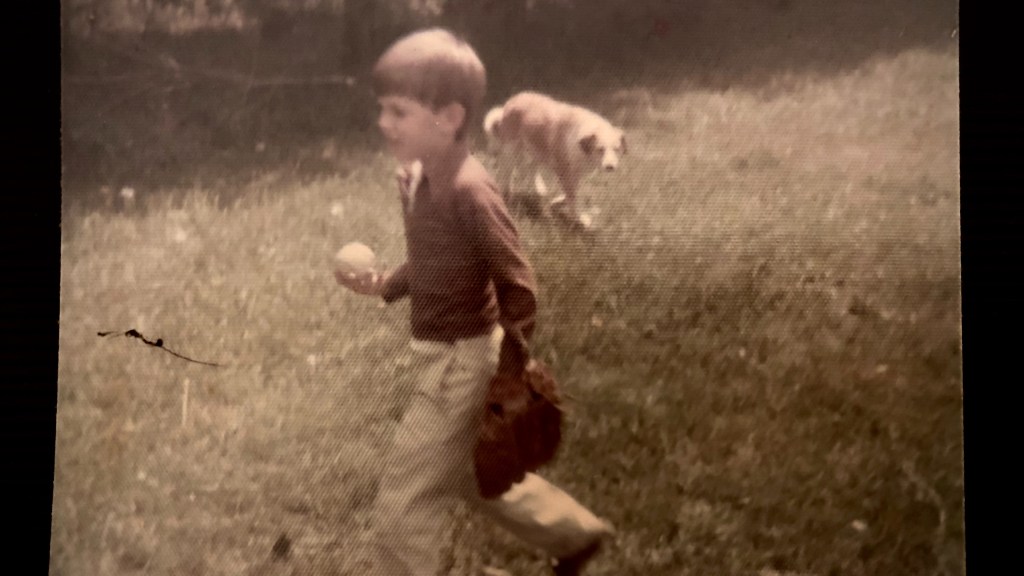
Lose yourself in what you love to do.
Turning to the disciples in private he said, “Blessed are the eyes that see what you see. For I say to you, many prophets and kings desired to see what you see, but did not see it, and to hear what you hear, but did not hear it” (Lk 10:23-24).
What did the disciples see, what did they hear that the prophets and kings desired to see? The kingdom of God in their midst was no longer a saying or teaching of Jesus, but a reality uniquely experienced by the disciples who were sent by him. Those who were sent by Jesus took the risk, trusted, and believed in him and went out and preached, exorcised, and healed in Jesus’ name doing what they had seen him doing!
Deeper still the disciples experienced the gift of the Mystery of God. The Mystery of God is not a problem to be solved because God is not one being among many, not even the greatest or supreme being. God is, “I am who am” (Ex 3:14), as he described himself to Moses. He cannot be solved or proven, but he can be experienced, and that was the joy and exhilaration that the disciples felt coming back after having experienced God working through them. Jesus himself rejoiced in the Holy Spirit, not because they had healed in his name but that they had entered into communion with the Father, “do not rejoice because the spirits are subject to you, but rejoice because your names are written in heaven.” (Lk 10:20).
In following Jesus, learning directly from him, and then going off to minister in his name, they experienced the kingdom of Heaven. They had participated in the loving communion of the Father and the Son and the Holy Spirit. How did they do so? They became childlike in that they lost themselves in their mission of following the will of God. Jesus had prepared them to be free from all sense of the ego-self, how others would look at them, or how others would react to their preaching or healing. The disciples were in the zone of being directed by God and doing his will, like Jesus, without hesitation.
When I was younger I used to live, eat, and breathe baseball and hockey. I would make up different versions of playing for the NHL or MLB with those players of that time in our backyard which became the Montreal Forum or Yankee Stadium.
One experience I remember was setting up cinder blocks in the formation of steps, three on the bottom, two next, and then one on the top. I then strode some paces back with my left hand fit snugly into my worn baseball glove and tennis ball in the right. Each step led me to the pitching mound of Yankee Stadium. When I wound up and threw a tennis ball at the makeshift concrete pitchback the game had begun and within minutes, I was on the field with Willie Randolph, Thurman Munson, Mickey Rivers, looking to retire the batters Jim Rice, Pudge Fisk, and Carl Yastrzemski.
Each time the ball soared into the air or skirted across the ground, I leaped into the air, or dove sideways to come up and throw to first base, then zipped over to first to make the stretching grab. Of course, during some of the better plays I reenacted them as an instant replay. I completely lost myself in the game, I was in the zone.
On one particular occasion while immersed in a Saturday double-header, I happened to look up and saw looking out of the screen door my mother, stepfather, and some family friends who had all come over to visit, all of them with big smiles on their faces. I sheepishly put my head down and stood for a few moments. Within a minute or so, they went back to their business and I returned to Yankee Stadium to finish the game.
I share this experience to show an example of how we as children can lose ourselves, “free of reactions, expectations, and approval of those around” us. The disciples did the same, the only difference is that they lost themselves in hearing the word of God and just doing what he wanted them to do. Bishop Robert Barron shared it this way in a homily: “The best moments in life occur when we lose the ego, lose ourselves in the world and just are as God wants us to be.”
Lose yourself today in something you love to do, whether that be drawing, painting, singing, playing an instrument or sport, running, praying, reading, writing, or serving in ministry, even as Brother Lawrence did, who lost himself in doing the dishes. Find moments to be free of expectations and approval, release the weight of what others might be thinking or expecting. Instead, be present and mindful at the moment and immerse yourself in what you are doing.
These are very real acts of spiritual discipline that prepare us to be in the present, where we experience and find the God who is reaching out to us, and so then like the disciples, we will be better able to experience him and follow his will, serve him, without hesitation or concern for what others think. We will then also experience Jesus rejoicing with us that we have our names “written in Heaven”.
——————————————————–
Photo: Me about six or seven?
Quote from Bishop Robert Barron’s homily from 10/7/2017. Bishop Robert Barron’s daily Gospel messages can be accessed from:
https://www.wordonfire.org/resources/blog/free-daily-gospel-reflections-from-bishop-barron/5315/
Link for Mass readings for Saturday, October 3, 2020
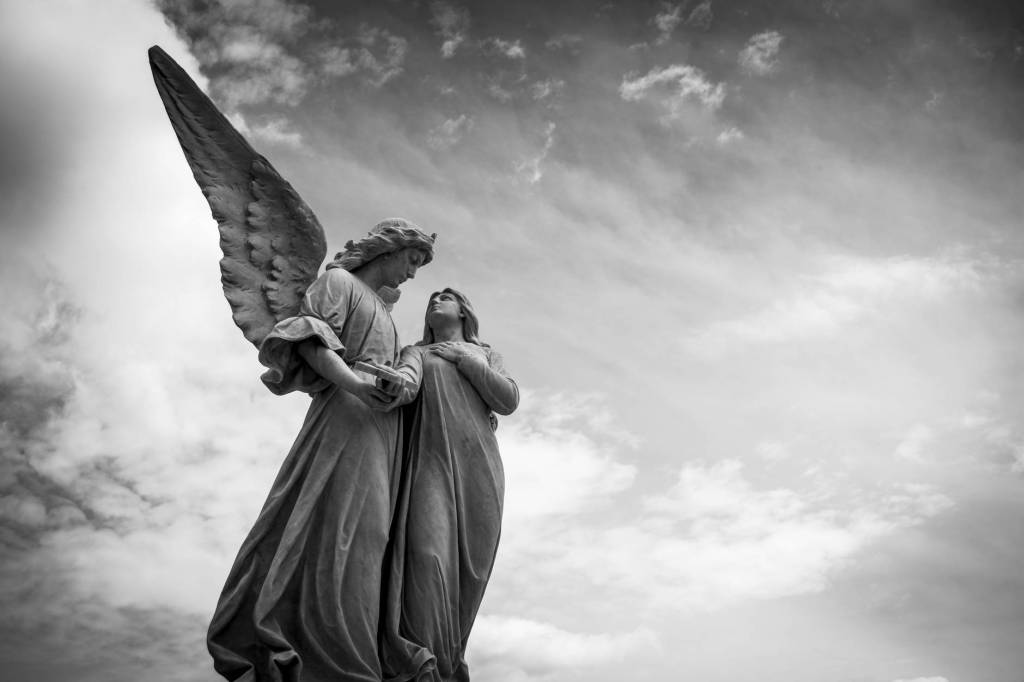
Let us welcome the support of our guardian angels so we may have the will and courage to support others.
“Whoever humbles himself like this child is the greatest in the Kingdom of heaven. And whoever receives one child such as this in my name receives me” (Mt 18:4-5).
Children during the time of Jesus were seen if at all, to have little worth. They were vulnerable, had little if any, status in society. They were under the radar, nothings, nobodies, and thus completely dependent on their parents for survival. Jesus invites a child to come to him, identifying himself with the child, as a response to the disciples’ question as to who would be considered the greatest in the Kingdom of heaven.
Jesus taught his disciples and he teaches us today that we need to be completely dependent on God our Father, as a small child is totally dependent on his or her parents. What leads us to greatness in the Kingdom of heaven is our turning away from the temptation to curve in within ourselves, resisting the urge to feed our ego, and as St Thomas Aquinas taught, resisting the cultural lures and substitutes for God: power, pleasure, honor, and wealth. We are to reject the image that we are supermen and women that need no one as we strive for complete autonomy and self-sufficiency. We are to place our complete dependency and trust in God and rely on him for everything.
Participating in the reign of God is not one of lordship over another, but instead of assuming the humility to accompany and walk along with each other along our journey in this life. We see this in the reality of Jesus, who as the Son of God entered into our human condition. While remaining fully divine, he became human when through the power of the Holy Spirit was conceived in the womb of Mary, developed through his period of gestation, and was born into our world. As an infant and child, he was completely dependent on Mary and Joseph and God his Father.
As Jesus continued to grow as a young child, he experienced the fullness of the human condition. He laughed, he cried, he got sick, he was tempted, he felt pain, he experienced heartache and joy. Throughout his life, and especially during his public ministry, he met people where they were and as they were. He understood their suffering and weakness from his own experience of being human and so accompanied them and loved them by willing their good and pointing the way for them to rely wholeheartedly on his Father.
Jesus invites us to relate to God as Father, as Abba, in the best sense of that intimacy of dependence. As St Therese of Lisieux wrote, “Jesus has chosen to show me the only way which leads to the Divine Furnace of love; it is the way of childlike self-surrender, the way of a child who sleeps, afraid of nothing, in its father’s arms.” We need to acknowledge our dependence on God and others and that we are not self-sufficient. We need to recognize not only our interconnectedness but our interdependence so to be humble enough to offer and ask for help when needed.
Our guardian angels, whose memorial we celebrate today, are at the ready awaiting our call. When we realize that we are not alone, and experience some supernatural support, we may be more willing to be aware of, be present, and accompany others in their need. We can be a shoulder to lean on, provide an ear to hear, we can offer a smile, a hug, a voice that speaks for the voiceless, a soul open to praying with others, and the courage to stand up for the dignity of others.
St Mother Teresa embodied the discipleship Jesus calls us to when she picked up that first dying man in the street. She did not ask his religion, was not concerned if he was of a different race or nationality, was not afraid to risk illness or injury by attending to him. She knelt down and was present to him in his time of dire need. May we follow Jesus and St Mother Teresa by placing our dependency in God’s hands and accompany others in doing little things with great love. When we do so, we say to another, you exist, you matter to me.
Photo: accessed from pexels.com
Link for Mass readings for Friday, October 2, 2020

A good walk or hike is a good way to connect with God.
Jesus appointed seventy-two other disciples and said to them, “Go on your way; behold, I am sending you like lambs among wolves. Carry no money bag, no sack, no sandals” (Lk 10:3-4).
The opening of today’s Gospel continues the same theme of the past few days and that is the call of a radical dependence on God. Jesus sent his disciples out with no money, no credit cards, no sack, no luggage, no sandals, no Crocs. They were to rely solely on divine providence. They were taught by Jesus to believe and trust in the Father, and now they would put both to the test.
How well could we fare today? Do we even leave the house without our cell phones?
Jesus meets us and accepts as we are and where we are but calls us to go deeper, to expand beyond our present understanding and practices. We may say to ourselves that we are not capable of being a great saint but that would miss the point of who a saint is. A saint is not one who was great but one who chose to release that which kept him or her from receiving more of God in their life.
There are so many distractions, diversions, demands, and many material enticements, that we are lured by. A good practice is to assess how much of what we have, what we think, and how we spend our time, is getting in the way of trusting in God more and allowing him to expand us so to receive more of him in our lives.
A periodic extended time of letting go is a wonderful practice. About two to three weeks before JoAnn died, we stopped watching TV because it was too uncomfortable for her. She needed quiet and stillness as much as possible. Over a year later now, the only TV I watch is an NCIS episode on DVD while I eat supper. This was JoAnn and my favorite show, so it is like having supper with her each night.
During the school year, I do not have that much free time anyway. The anchor points of my personal time are devoted to praying, meditating, and writing. I had enjoyed walking again in the early evenings when I first returned to Florida but since school has started, I have not been able to. That I need to change. It is not only good but important to carve out some time in our day to be still and to spend time in the wondrous, beauty of God’s creation. When we do so, we can experience him who we depend on for everything and allow him to become more present in our daily lives.
—————————————————-
Photo: JoAnn and I spending some time together in the open air of the NW corner of CT before our move to Florida in the summer of 1997.
Link for the Mass readings for Thursday, October 1, 2020

 Spiritual Stepping Stones