In today’s Gospel, Jesus presented the importance of repentance, of changing our minds and hearts, to turn away from our sins and to turn back to God. This means we need to acknowledge anything that we are placing before God. Anything or anyone that we place before God is going to be off the mark, for we are to seek God and his kingdom first and all else then has a better chance to be properly ordered as we grow in our relationship with God.
In our first reading, Moses is faced with an interesting sight, a bush on fire. The interesting feature is that this bush is not being burned. Moses draws closer and is welcomed by the voice of God to remove his sandals and approach. Moses does and God calls Moses further to go to Egypt to free his people. Although, we do not read in this account about Moses resistance to this invitation, Moses does resist but repents from his hesitation and lack of trust in God and follows his guidance. Because he does so, Moses frees the Hebrews from their slavery.
Jesus then in the Gospel of Luke has been sent as was Moses, but God to free us from our slavery to sin. He recalls to historical tragedies in which men from Galilee are horrifically and sacrilegiously killed at the hand of Pontius Pilate, and then tragically, how eighteen people were killed when the tower of Siloam fell on them. In both cases, Jesus stated that the reason for their deaths was not because of their sins while at the same time after relaying each account he shared with his listener’s: “If you do not repent, you will all perish as they did” (Luke 13:3, 5).
Just the prophetic rhetoric that causes the jaw to drop and the mind to be shaken awake. Jesus will follow with a gentler expression of the mercy of God by sharing the parable of a fig tree. The owner of the orchard wants to cut it down because it has born no fruit. The gardener appeals to the owner: “‘Sir, leave it for this year also, and I shall cultivate the ground around it and fertilize it; it may bear fruit in the future. If not you can cut it down.’” (Luke 13:8-9).
Jesus is the gardener who has asked to cultivate, prune, and weed. This is why since he began his public ministry he said, “This is the time of fulfillment, the kingdom of Heaven is at hand, repent and believe in the Gospel” (Mark 1:15). Jesus’ mission is to help us to understand the importance and need to repent, to turn away from sin and turn back to God. He is inviting us to nothing less than “a radical reorientation of our whole life, a return, a conversion to God with all our heart, an end of sin, a turning away from evil, with repugnance toward evil actions we have committed” (Catechism of the Catholic Church, 1431).
Jesus does not define us by our worst mistakes, yet he also recognizes that we cannot just go along and do whatever we want to do on our own terms apart from God. In doing so, we will continue to not bear fruit because with each action and decision opposed to the will of God, the source and sustenance of our lives, our growth becomes stunted and disordered. Jesus meets us where we are, loves us as we are, and then cares enough to show us the branches that need to be pruned and the weeds that need to be uprooted. Are we willing to receive his love and nourishment? Are we willing to repent and begin to prune and uproot? If so, pray this prayer with me to Jesus.
Jesus, help me to recognize that your grace is sufficient and builds upon our nature. May we trust in you as our Divine Gardener to: prune our pride, that we may bear the fruit of humility; our envy, that we may bear the fruit of mercy; our anger, that we may bear the fruit of meekness; our greed, that we may bear the fruit of generosity; our lust, that we may bear the fruit of chastity; our gluttony, that we may bear the fruit of temperance; our sloth, that we may bear the fruit of diligence; and our sadness, that we may bear the fruit of joy.
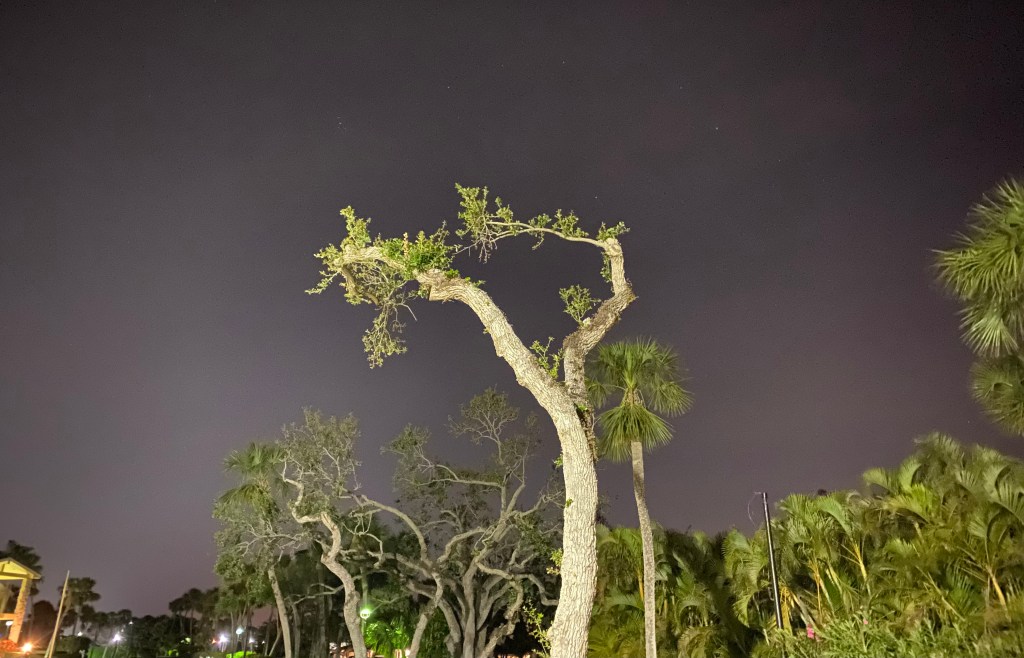
Photo: One of our oaks struck by the tornado last year. The dead limbs were cut, branches pruned, and new life has begun.
 Spiritual Stepping Stones