Jesus Christ is born for us. Jesus Christ dies for us. Jesus Christ conquers death and rises again for us. Because of our place in time, December 27, 2024 AD – Anno Domini, In the year of our Lord, we are capable of experiencing his life, suffering, death, Resurrection, and Ascension into Heaven. The important question we need to answer is, “Does this new fact, this new reality in human history, make a real difference in our lives?”
Christmas did not end two days ago. We are still in the Octave of Christmas. The Church celebrates two octaves in the Church liturgical calendars, Christmas and Easter. These eight days are celebrated as such to impress on us the solemnity of the event of remembrance. From the vigil celebration of Christmas Eve on December 24 to January 1, the Solemnity of Mary the Mother of God, we celebrate the significant event of the Incarnation, the Son of God, the second Person of the Trinity becoming one with us in human history. The Masses celebrated within the Octave of Christmas, as well as the readings of Evening Prayer in the Liturgy of the Hours, reflect the celebration of Christmas Day each day for the eight days. It is like having a week-long birthday party.
If we are solely focused on gifts, the returning of gifts, and celebrations apart from the celebration of Jesus’ birth, if we are removed from the liturgical cycle and rhythm of the Church, it is easy to fall into the post-Christmas blues because it does feel like everything is done but the returning of gifts and getting a good after Christmas deal. Christmas music has been alive and well on many radio channels for weeks, but at some point on Christmas Day and often the following day, they stop. They stop at the time when they ought to begin!
The material and finite, no matter how wonderful, even our closest relationships, will never satisfy our deepest hunger and thirst. If you are experiencing any post-Christmas blues, today is great opportunity to let go of the material for a bit and enter into the gift of silence, and to spend some meditating and contemplating on what will satisfy. The greatest gift that we have been given, we began to celebrate again two days ago. The Son of God changed human history by his conception and birth and we are invited to participate in God’s great theodrama of human transformation. Today’s Gospel reading is a fast forward from this birth we are celebrating and the gift that keeps on giving, the reality of the purpose of the incarnation.
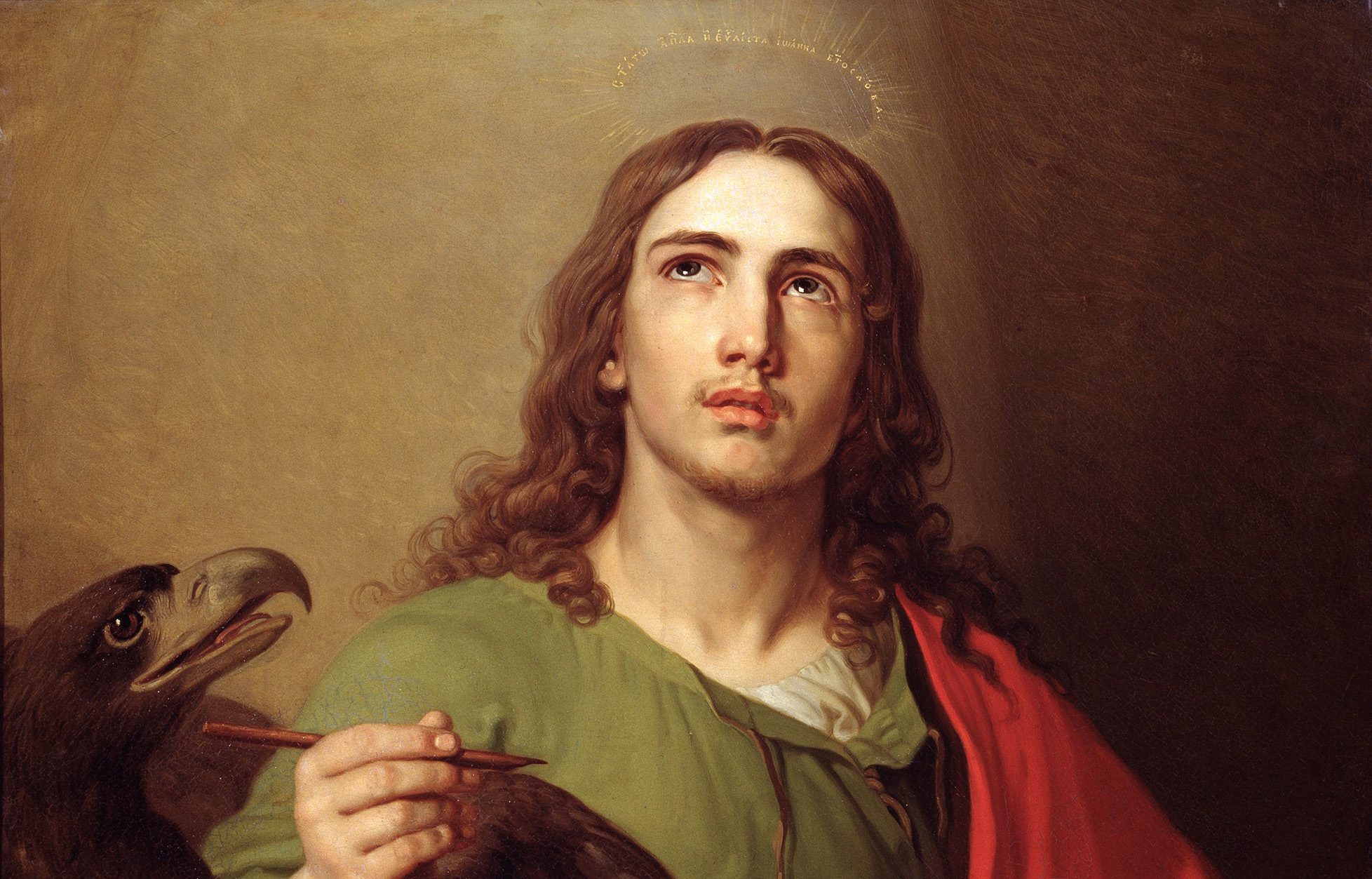
Jesus was born to die, to show the fullest extent of his obedience to his Father. In trusting his Father, Jesus died, experienced our greatest fear of death, and through the power of the Holy Spirt, conquered death and rose again. Mary Magdalene was the first to experience the empty tomb and shared this good news with the apostles. Peter and John ran to see. John arrived first. John remained outside, possibly out of respect, to allow Peter to go in first. Peter saw the empty tomb except for the burial clothes. When John entered, “he saw and believed” (Jn 20:8).
Are we willing to take the time to ponder as John did? To see beyond the merely finite and physical? To be willing to be still. Silent. To allow God to speak to us in the silence of our hearts? John, Mary, and Peter’s lives were changed and transformed because they encountered Jesus and chose not to ignore him or run away, but to give their lives to him. We are invited to do the same. Our hearts were created for this relationship with Jesus and our hearts will be restless until we allow ourselves to slow down, embrace the gift of silence, and allow ourselves to hear him speak in the silence of our hearts that we too may believe.
————————————————————–
Painting: Close up of St. John the Evangelist by Vladimir Borovikovsky

 Spiritual Stepping Stones