For many of us, judging one another is almost as automatic as breathing. As we encounter someone we have instant internal judgments. We judge looks, clothes, actions, inactions, homes, cars, and material items. We judge our family, spouses, friends, colleagues, classmates, leaders, enemies, celebrities, as well as those we consider different as well as those we determine to keep at arm’s length. Much of what gets our attention is what Jesus is addressing in today’s Gospel, negative judgments.
Jesus said to his disciples: “How can you say to your brother, ‘Let me remove that splinter from your eye,’ while the wooden beam is in your eye? You hypocrite, remove the wooden beam from your eye first; then you will see clearly to remove the splinter from your brother’s eye” (Mt 7:4-5).
There are positive judgments that bring about effective change for the good. In a court case, our hope is that the judge is learned in the law and guides the lawyers and jury in ways of sound judgment such that justice with mercy is served. For us to do likewise in our everyday interactions with one another, Jesus shares that we need to remove the wooden beam from our eye first before we are able to remove the splinter in another’s.
Through this hyperbolic image of someone attempting to remove a splinter in someone else’s eye all the while the wooden beam protruding out of his own eye prevents him from coming close enough to actually be of any help! To remove the beam from our own eye, Jesus is inviting us to change our hearts and minds such that we are no longer hardened by negative and condemning judgments toward others based on our own unbridled biases and prejudices. May they soften such that they are open to the mercy and love of Jesus. This does not mean that we accept any and all behaviors, actions, and inactions from ourselves and others. Jesus did not do so.
He is willing to enter our chaos, to embrace any and all of us who will receive the invitation of his healing embrace. Next, through his love, Jesus walks with us, convicts us, and shines his light to reveal to us our slavery of sin. Then he calls us to repent, to turn away from our sinful ways and turn instead toward that which is True, Good, and Beautiful.
As we acknowledge and turn away from our sin, we participate more in the life of Jesus. We are then healed from our own limitations, weaknesses, self-centered perceptions, denial and suppression of our anxieties and wounds that so often fueled our biases and prejudices. As we experience God’s forgiveness and love, we begin to heal, and that beam becomes smaller, and we are able to see others as God sees them, as human beings endowed with dignity because we have been created in the image and likeness of God.
Repentance, forgiveness, and growing in love helps us to collaborate and participate in Jesus’ work of redemption and how we can participate in taking the log out of our own eyes. We can then better assist others in removing their splinters. When we are willing to admit to our own shortcomings, weaknesses, and failures, and are open to healing, learning, and growing from those experiences, we are then in a better position to meet others in their own chaos, to journey side by side, help others to repent, heal, and to be transformed into who God is calling us to be.
Let us commit to allowing Jesus to help us to remove our beams of judgment so that we can be more understanding, merciful, and forgiving. We will be blessed in doing so, for Jesus also taught that as we judge, so will God judge us. As we repent and are forgiven, so may we forgive and show mercy. In receiving forgiveness and forgiving, in repenting from sin and judgmentalism, our souls will find rest and we will experience God’s peace.
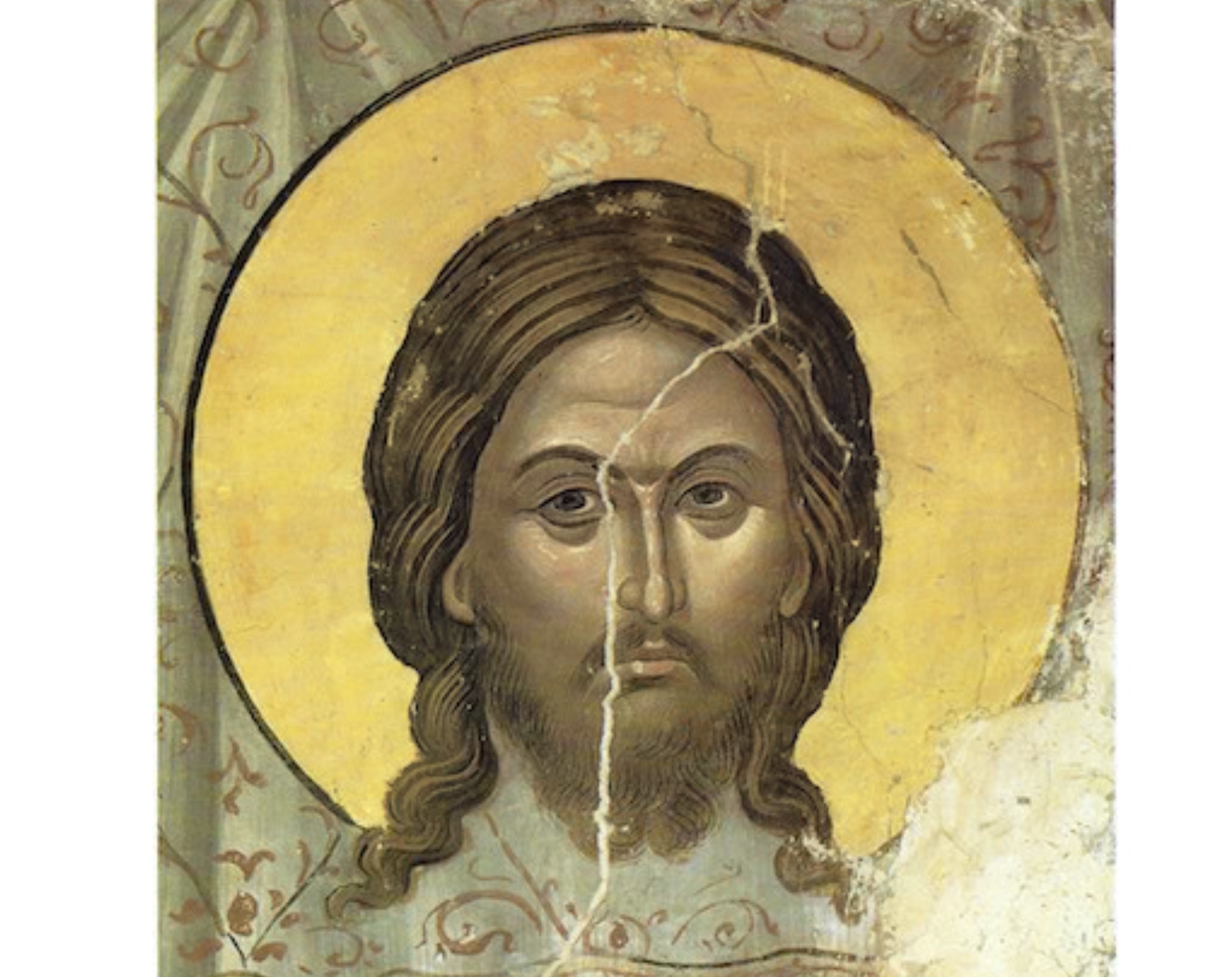
Photo: Icon of 1546 by Theophanes the Cretan, Monastery of Stavronikita Mount Athos.
 Spiritual Stepping Stones