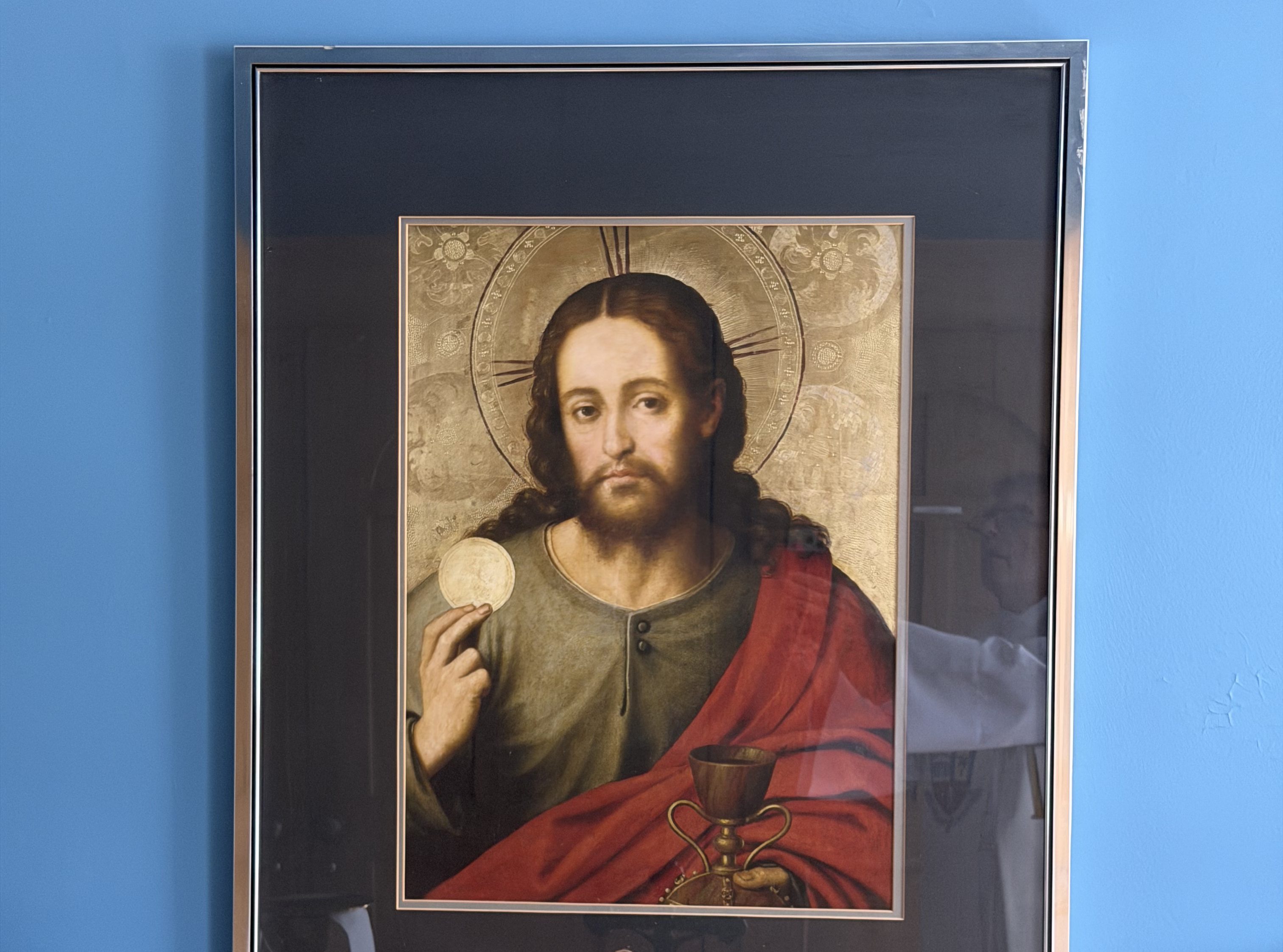
Jesus gives face to the living word of God come down from heaven to transform his people as he continues to teach with authority and offer healing. In today’s account of Mark, Jesus calls his fifth disciple, Levi. The key difference with this call of Levi and the four fisherman is Levi’s occupational hazard.
Tax collectors were disliked, even despised by many in ancient Palestine because they were considered unclean, and categorized along with lepers and sinners. They were cast in this net because the tax collector had a responsibility to pay a fixed amount to the occupying power of Rome. This in itself was bad enough because their own countrymen were colluding with the enemy. What made matters worse was that too many kept as a commission anything collected over and above that fixed amount. The majority of the population, barely getting by, paying a temple tax, and the Roman tax, then finding out their local tax collector was taking more than their fair share, did not make for feelings of endearment.
Jesus surprises all who had come to hear him teach when he not only invites Levi, also known as Matthew, to follow him but then they have dinner together. We are witnessing yet again another healing miracle. Jesus provides an opportunity of bridging divides by inviting someone to his inner circle, to turn away from one way of life to begin anew, to: “Repent and believe in the gospel” (cf. Mk 1:15). The Pharisees question his choice of table fellowship, not to Jesus directly but by seeking an answer from his disciples. The location of both the Pharisees and disciples is not clear. Are they a part of this gathering of the meal or both at a distance, observing?
They could not have been at too great a distance though because Jesus could hear their concerns and responded to them: “Those who are well do not need a physician, but the sick do. I did not come to call the righteous but sinners” (Mk 2:17). The Pharisees, and possibly some of his disciples, were not a part of the intimacy of this communion because of their own unwillingness to accept those that Jesus invited to share a meal, to accept that they too were sinners also in need of healing.
All have sinned and fallen short of the glory of God. Jesus forgives and offers mercy to all who are willing to be aware of his invitation to fellowship. In our humility to recognize our sins and repent, we receive healing and transformation, and are like Levi and his friends offered the opportunity to grow in relationship and participate in communion with the one who is ushering in the kingdom of God. This is a foreshadowing of the last supper and the celebration of the Mass.
We too are invited as sinners to join the banquet, to be in fellowship with Jesus. As Levi was called, we are given an opportunity to begin again, to leave behind anything that separates us from God and one another and follow Jesus, who came that we might be forgiven and healed.
As with many Gospel passages, today’s offers a wonderful opportunity to place ourselves in the scene. Mark presents Jesus teaching the people though he again does not tell us anything about what he shared. Knowing what follows, we might think about and ask ourselves, “What might Jesus have taught before going to Levi at the custom’s post?” Could he have been talking, as in his parallel account of Matthew (Levi), about how Amos preached that God desires mercy and not sacrifice (Mt 9:12)?
Let us read this passage slowly a few times (Mark 2:13-17) and meditate upon these words of God that are “living and effective.” Then as Jesus moves to the custom post, follow him, and the others in our imagination. What is our honest reaction to Jesus calling the tax collector, Levi? Are there sins that others commit that we find easy to forgive, others that we find hard to forgive? As the scene shifts to the breaking of the bread at this dinner, do we dive in with this motley crew, stay at a distance, or walk away?
God’s words are living. May we not only read them, but also meditate upon and pray with them so that we may be transformed by them. May we also encounter Jesus in this passage, be willing to listen to him speak to us in the silence of our hearts, and become one of or deepen our commitment as his disciples. This is a wonderful spiritual practice that can bring us much joy, forgiveness, healing, and deeper communion with the Divine Physician and healer of our souls. No RSVP needed, just come, open up your Bible, and join the feast!
————————————————————————-
Painting: Jesus’ “mission is not to vindicate those who keep the law, and condemn the rest; rather, it is to offer the healing of which all people are in need” (Healy, 61).
Healy, Mary. The Gospel of Mark. Grand Rapids, MI: Baker Academic, 2008.
 Spiritual Stepping Stones