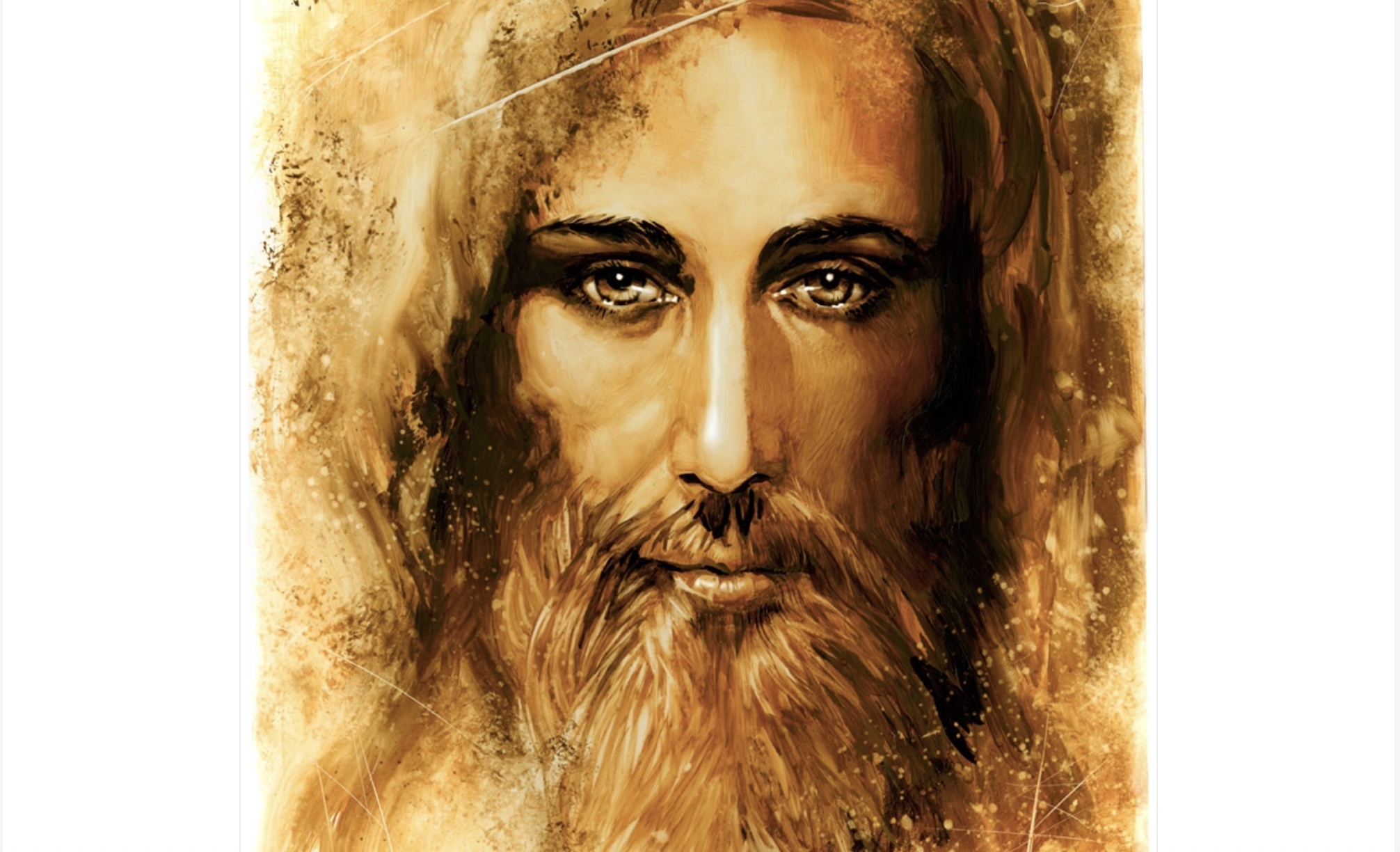
Jesus said to his disciples: “Do not think that I have come to abolish the law or the prophets. I have come not to abolish but to fulfill” (Mt 5:17). Jesus was a devout Jew, he was taught how to live out the law and the prophets in his daily life by Joseph, Mary, and his Father. Jesus grew up not only practicing but embodying a deep understanding of the law and the prophetic tradition. We see evidence of that when, at twelve, he is found by his parents among the teachers and scholars discussing the law with understanding and wisdom. Jesus, in his public ministry, very much spoke with authority, as God, calling the people of Israel back to the law, both those who have turned away from God as well as those who used the law as a bludgeon and for building a wall to keep others out.
Jesus also showed time and again that being true to Torah was more than just following the law but obedience to God and allowing God to transform each person from within was the point. The law was about building relationships with God and others. Jesus extended his hand, person to person, offering an invitation of welcome for people to come to know him and his Father intimately. He called out many religious leaders who taught the truth but lived another way. Jesus healed on the Sabbath, Jesus forgave sins, Jesus touched lepers and he ate with tax collectors, prostitutes, and sinners, those on the peripheries, not because he was being willy-nilly with the law, but because he was showing the deeper interiorization of how to live out God’s commands by his lived example that the greatest commandment of the law was and is to love God with all his mind, heart, and strength and to love his neighbor as himself.
This practice goes right to the foundation of who God created us to be. All of humanity has been created in God’s image and likeness. Each of us is endowed with dignity by the very fact that we exist as a daughter and son of God. Yet, it is in our choices to sin, that we lose our likeness to God. Jesus calls us to repent, to turn away from our sinful attitudes and ways, and to turn back to receive the love of God.
In Jesus, we see that the highest observance of the law of God is to love. Jesus met each person where they were and accompanied them. That also meant calling out those who misused the law by keeping others at arm’s length. Jesus did the opposite. As the Son of God, Jesus became one with us in our humanity, so that we can become one with him in his divinity. Jesus offered others his arms extended outward, inviting others to enter into his loving embrace. He showed this in a graphic and powerful way on the cross, where he opened his arms wide to embrace all peoples of every race, ethnicity, and gender, even in our deepest sins.
Jesus built on the law and the prophets, because he was the fulfillment of them, and in doing so, he gave the law its greater context. The foundation of the law and the prophets were founded in love, meaning its highest expression, which is to will the good of the other as other. This means that the law is not like a stagnant pool, where we grasp onto the law and tradition for its own sake, but the divine law of God is rather like a running stream, it is always fresh and being renewed by the Holy Spirit.
What Jesus ushered in, was the reign of God, which was possible through the foundations laid by those who had gone before him: Abraham, Isaac, Jacob, Joseph, the judges and prophets, David, and those who answered the call of God to serve in his name. From a person, Abraham, to a clan, a loose gathering of twelve tribes and then a nation, Israel, God called a people to himself to shine the light of his will to others. Then at the appointed time, he sent his Son, to be one with the people he called to draw all nations to himself so that all were and continue to be invited to come to be one with him, the God of all creation.
Our joy and fulfillment take shape most meaningfully as we are transformed by the love of God. As we build on the traditions of our faith that give us a solid foundation, we must resist holding on to them so tightly that they strangle and suck the life out of us. That which leads us to encounter and renew our relationship with Jesus in love is what we are to embrace and share. That which has become stagnant and no longer is an avenue for affirming life must be purified.
The love and mercy of God put into practice through Jesus was not a watering down of the law and the prophets. Jesus not only fulfilled both expressions, but he also raised the bar even higher when he taught his disciples to move beyond seeking an eye for an eye, to not resisting an evil person (see Mt 5:38-39), and challenged them further in requiring them to love their enemies and pray for those who persecute them (see Mt 5:44). To accept and put into practice these impressive expressions of love is only possible, by allowing God to love us in our weakness and frailty, by being willing to be transformed by his love, so that we can in turn will love others unconditionally with the same radical love we have received from Jesus.
God’s love invites us to identify the darkness of our own sins and idolatry not so that we become over zealous moralizers. We are not to lead with the law but with love. We do so best when we are willing to be humble enough to trust in the purifying fire and convicting movement of the Holy Spirit in our lives, are willing to confess with contrition our sins, and become less drawn to protecting our false and fallen selves. Emptying ourselves in this way, we are then open to drink from the living stream of Jesus’ love, we become more comfortable in our own skin, are true to ourselves, and who God calls us to be. Hurt people, hurt people. Let us be healed people who radiate joy, hope, and love to those seeking to be healed.
——————————————————————————–
Painting: by Melody Owens – The original painting is 11″x14″ gouache.
 Spiritual Stepping Stones