“Now this is eternal life, that they should know you, the only true God, and the one whom you sent, Jesus Christ” (Jn 17:3).
This is our goal, to know God. Eternal life, or heaven, is not only experienced when we die. Through experiencing the life of Jesus, we can have a foretaste of heaven now. We can experience this as the joy that rises from within, that is not merely pleasure, which is a response from the stimulation of our senses, and which dissipates once the experience ends. Nor is joy even happiness which comes from the lasting memories of these pleasurable experiences. The experience of joy is not based on external situations and sensations. Joy comes from an encounter with the living God who is present to us, closer to us than we are to ourselves.
We often first experience this joy, this closeness to God, when we experience love exchanged between ourselves and another. Even a love that begins in infatuation is a drawing out of ourselves toward another. The hope is that this love matures and develops into a friendship.
This maturation happens when we spend time getting to know each other’s interests, goals, and dreams. We experience another as a person, and with time and continued trust, we begin to risk and allow our masks to be taken off. Inevitably, when relationships begin to mature, they will go through times of miscommunication, misunderstanding, and conflict. The relationship will come to a crossroads, but this does not mean that the relationship will come to an end. If the relationship devolves into abuse, dehumanization, and self-gratification alone, the relationship will or ought to end. But if there is a mutual willingness to forgive, to work together, to meet each other with humility and seek mutual understanding, relationships will grow stronger and deeper. This is the fertile soil where love grows.
Our first experience of developing relationships is in our families. None of us are perfect, so none of us have had a perfect family life. Familial relationships develop in a similar fashion as listed above. We all go through ups and downs. The more that we can be present to one another, support one another, communicate and love one another, the more likely our familial relationships and friendships will also mature and grow.
Where there are deep wounds that have not been healed though, and there is not yet a willingness to seek healing, hurt people can hurt people. Where there is not a willingness to heal, this will be more of a challenge. Healing begins one person at a time. We can still begin with ourselves. We can go to Jesus and allow him to love us where we are and as we experience his love we can begin to trust him. As we trust and experience the love of Jesus, we will begin to be able to face areas in our past, wounds, as well as sins, and be forgiven, healed, and transformed. “Maturing in Christ is part and parcel to a rich understanding of healing the whole person” (Fr. John Horn, S.J.).
Many of us hope to attain this healing and a place within where we can accept and love ourselves and develop mature relationships with a core group of family and friends. Many of us could be quite happy with that. Even as Jesus invites and guides us to reach this point of development, he continues to press us to strive to love beyond family, friends, and tribe. All of us are ultimately called to an unconditional love that sees in others a brother and sister seeking to be better, healed, and whole. This is not some utopian philosophy. Love happens through one concrete encounter, one person at a time. As we love God and one another, we lift all of humanity and creation up.
This will not happen through our own will power or discipline. Placing self over God and others, isolates and disconnects us from the True, the Good, and the Beautiful. God is not some transcendent, impersonal force, nor is God an omnipotent, tyrannical overlord. The God of Jesus Christ is a God of love, for “God is love, and whoever remains in love remains in God and God in him” (1 John 4:16). Jesus invites us into a relationship with him and his Father to experience the love of the Holy Spirit. When we assent to this invitation, we come to know and experience a foretaste of heaven on earth, a loving relationship with God.
Jesus, please help us to experience the love of God our Father by coming to know and trust you, and in truly knowing you come to better know each other. May we see each other as our loving God and Father sees us, as a unique gift that has never been nor ever will be again. Help us resist reacting to the rough edges and exterior projections of our inner wounds and instead guide us to be more compassionate and understanding, and willing to see the truth and fullness of the wonder of each person. Help us to allow the Holy Spirit to love others through us today, one person and one encounter at a time.
———————————————————
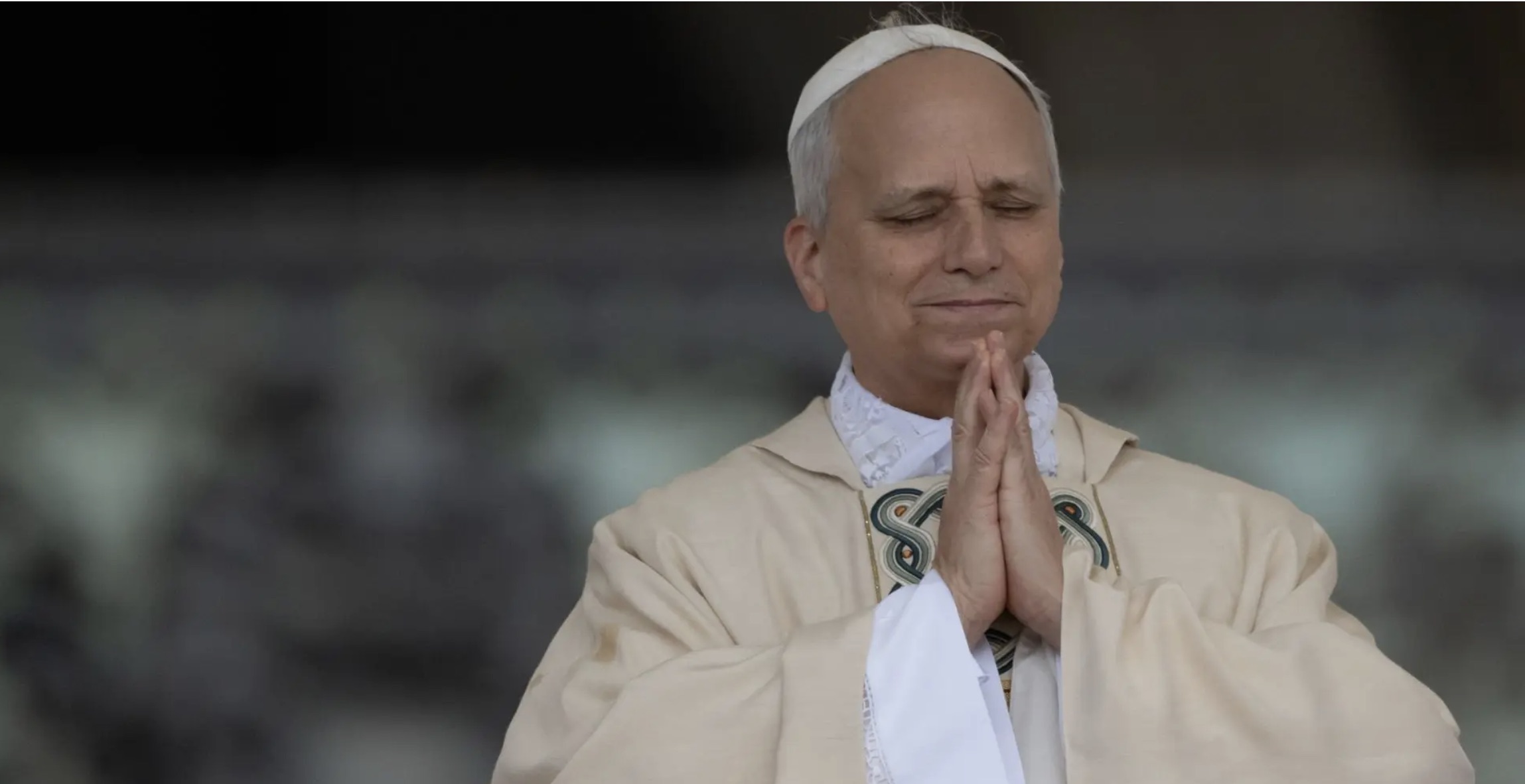
“The Father does not love us any less than he loves his only-begotten Son. In other words, with an infinite love” – Pope Leo from his homily Sunday, June 1, 2025. Photo during Lent 2026.

