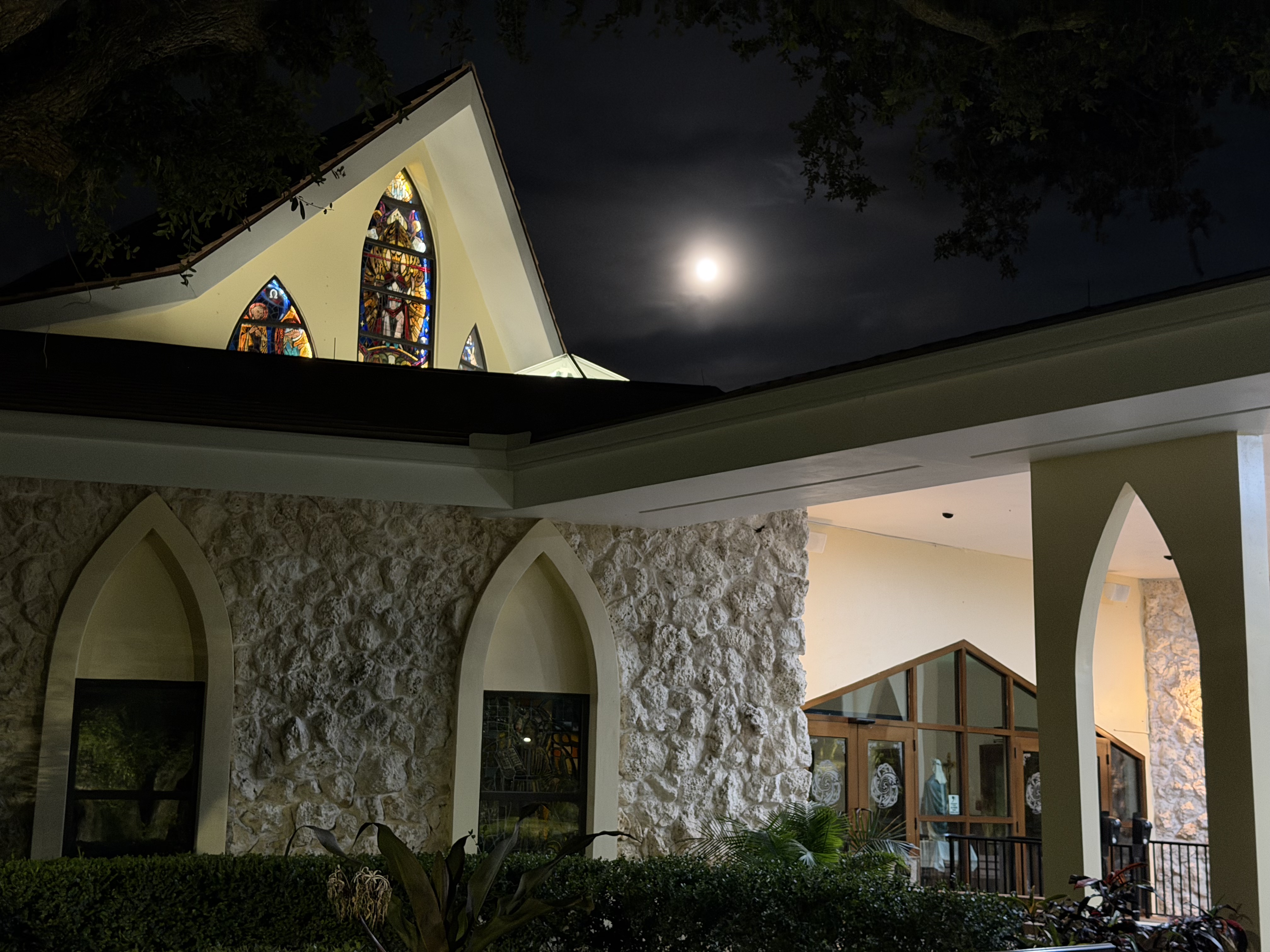
Two groups usually at odds have come together in their mutual disdain for Jesus. The Herodians – supporters of the Galilean tetrarch, Herod Antipas, have acquiesced and allied themselves with the Roman occupation so that their “party” can remain in leadership, and the Pharisees, who are opposed to Roman occupation, seek nothing to do with, nor seek to support in any way Caesar’s self-imposed status as a god. Mark indicates that representatives of each group are sent to Jesus to “ensnare him in his speech.” The intent is to trap him and so gain evidence to bring charges against him.
They come up with an elaborate plan that seems foolproof. A representative from these groups asks Jesus, “Is it lawful to pay the census tax to Caesar or not? Should we pay or should we not pay” (Mk 12:14)? If Jesus assents to pay, then the Pharisees can bring charges against him for idolatry. If Jesus refuses to pay, the Herodians can then bring charges against him for disobeying Caesar’s tax. Jesus asks for a denarius, a Roman coin, and asks what image is on the coin, the response is Caesar. So Jesus said to them, “Repay to Caesar what belongs to Caesar and to God what belongs to God.” They were utterly amazed at him (Mk 12:17).
Jesus bested them at their own game in thinking outside of the limitations that were imposed on him by his questioners. Our faith is built on Jesus’ response. Not in the modern distinction of church and state, but more often than not we are to follow Jesus’ model and guidance of how we are to live in the world but not be of it. In most cases, we are to embrace not an either/or response, but a both/and response. Ultimately, the final determiner is God.
One example of such a false dichotomy often displayed is that faith and reason are opposed and cannot co-exist. One could approach Jesus today, as did the representative for the Herodians and the Pharisees, and ask, “Rabbi, should we follow faith or reason?” We are more authentic in actualizing and pursuing the greater breadth, depth, and width of understanding who we are as human beings and our place in the cosmos when we embrace both faith and reason. Our science and intellect are spurred on by our sense of wonder and awe in that we seek to understand our world around us.
Faith seeks understanding! Using our ability to reason, to hypothesize, and ask, “Why?” has lead humanity to some wonderful discoveries. Reason and science though can only take us so far.
God’s grace does not diminish but builds upon nature. The gift of faith helps us to go beyond the ability to solve problems in the sensory or physical realm alone and to experience the ground of Mystery by entering into a relationship with God and the spiritual realities of his creation that transcend our physical world and capacity to measure it. God has created all things visible and invisible.
Just a few of the many examples of practicing Catholics from our past who have shown this both/and approach are Copernicus (1473-1543), who developed the theory of heliocentrism, meaning that the earth is not the center of the universe but instead revolves around the sun; Nicolas Steno (1638-1686), who excelled in the study of anatomy, geology and is considered the founder of the study of fossils; Laura Bassi (1711-1778), first female professor of physics; Gregor Mendel (1822-1844), who was an Augustinian friar and is considered to be the father of genetics; and Fr. Georges Lemaitre (1894-1966), who is considered the father of the Big Bang Theory.
The Catholic Church is not opposed to science but discourages the concept of a hyper-scientism: that something is real or exists only if be measured by the senses or experimentation alone. This limits the gift of wonder. “Faith and reason are like two wings on which the human spirit rises to the contemplation of truth; and God has placed in the human heart a desire to know the truth—in a word, to know himself—so that, by knowing and loving God, men and women may also come to the fullness of truth about themselves” (Pope John Paul II, Opening line). We need to continue to embrace the gift of wonder and rise to meet its invitation by soaring aloft with both wings of faith and reason.
Pope Leo echoes these sentiments of a healthy, discerning both and approach: “Our first task is neither to demonize nor idolize technological tools, but to utilize them on the basis of a fundamental principle, namely that truth is a common good and not the property of those with power or influence” (paragraph 137).
Even in the new digital age and with growing advancements in AI, we can embrace that which can be helpful with moderation and prudence, while at the same time continue to protect the dignity of humanity and the value of the truth. We will do this best when we prioritize God as the foundational relationship and starting point for discernment in our lives. As we love God with all our heart, mind, soul, and strength, we will know better how to repay to God what is God’s, as well as how to repay to Caesar what is Caesar’s.
Photo: We know God better when we spend time in silence, in adoration, in prayer, meditation, and contemplation.
The following link lists an article by Shaun Mcafee regarding 11 Catholic scientists through the ages: https://epicpew.com/11-amazing-catholic-scientists-you-should-know/
Link for Fides et Ratio by Pope John Paul II
Link for Magnifica Humanitatis by Pope Leo XIV

