Do we place our trust in ourselves or in God?

In our Gospel reading from Mark, there appear to be two separate accounts. In the first, we witness Jesus’ critique of the scribes, and in the second, the generosity of a poor widow is emphasized. There could not be a starker contrast between the two. Jesus points out those scribes with the primary motivation of self-aggrandizement, “who like to go around in long robes and accept greetings in the marketplaces, seats of honor in synagogues, and places of honor at banquets” (Mk 12:38-39). They make a lofty show of themselves, yet, what is worse is the following verse. “They devour the houses of widows and, as a pretext, recite lengthy prayers” (Mk 12:40).

The implication is that certain scribes used their position not to edify, provide care for, and lead widows closer to God, but instead chose to exploit them for their own selfish gain. As Jesus finished his rebuke of the scribes, he then observed those making contributions at the treasury of the Temple. A poor widow donated two coins. No one, except Jesus, appeared to notice her. Jesus called his disciples to him and said, “Amen, I say to you, this poor widow put in more that all the other contributors to the treasury. For they have all contributed from their surplus wealth, but she, from her poverty, has contributed all she had, her whole livelihood” (Mk 12:43-44).

Jesus commends this woman for her generosity. She does not make a fancy show of what she is doing, she quietly and simply gives all that she has. Is Jesus sharing his critique of the scribes who seek to exploit widows, just moments before sharing the generosity of this widow? Could her having so little have resulted from the exploitation of one of the scribes? We are not told why she has so little nor why she gives all she has, but her willingness to do so is clearly on display.

Often in the Gospels, Jesus holds up a mirror, as he did with the scribes, to those in positions of religious authority who place their focus on themselves, their own gain, and prestige. They are placed as stewards instead to help those they are supposed to serve, along with widows, orphans, the stranger, and those in need. Those like Matthew and Zacchaeus, though not scribes but tax collectors, embraced Jesus’ invitation of repentance, made a 180-degree turn from their old ways of self-service, and instead changed and began anew in following Jesus.

Will we be like the unnamed scribes and Pharisees who were not willing to look in the mirror that Jesus held before them, more interested in supporting their place of entitlement and privilege, and unwilling to change? Or will we, as did Matthew and Zacchaeus, allow our consciences to be convicted, be willing to repent, and rend our hearts so to be moved and more willing to love, so to stand alongside our brothers and sisters in need? The scribes are not the model in today’s reading, the widow was.

What affects one of us, affects all. If one among us is hurting, we are all hurting. We can do better to help one another. In allowing ourselves a time for a prayerful pause, Jesus will lead us to discern which thoughts to entertain, which words to speak, and actions and choices to make that are aligned with our loving God and Father’s will. Then we too will have the courage of the widow. She who did not give out of her excess but gave without counting the cost and trusted that God will provide. We will be more generous with our time, talent, and treasure when we are willing to trust God and freely give as he directs us.


Painting: “The Widow’s Mite” by James Christensen

Link for the Mass readings for Saturday, June 6, 2026

In knowing God, we will discern how to repay to God what is God’s and to Caesar what is Caesar’s.

Two groups usually at odds have come together in their mutual disdain for Jesus. The Herodians – supporters of the Galilean tetrarch, Herod Antipas, have acquiesced and allied themselves with the Roman occupation so that their “party” can remain in leadership, and the Pharisees, who are opposed to Roman occupation, seek nothing to do with, nor seek to support in any way Caesar’s self-imposed status as a god. Mark indicates that representatives of each group are sent to Jesus to “ensnare him in his speech.” The intent is to trap him and so gain evidence to bring charges against him.

They come up with an elaborate plan that seems foolproof. A representative from these groups asks Jesus, “Is it lawful to pay the census tax to Caesar or not? Should we pay or should we not pay” (Mk 12:14)? If Jesus assents to pay, then the Pharisees can bring charges against him for idolatry. If Jesus refuses to pay, the Herodians can then bring charges against him for disobeying Caesar’s tax. Jesus asks for a denarius, a Roman coin, and asks what image is on the coin, the response is Caesar. So Jesus said to them, “Repay to Caesar what belongs to Caesar and to God what belongs to God.” They were utterly amazed at him (Mk 12:17).

Jesus bested them at their own game in thinking outside of the limitations that were imposed on him by his questioners. Our faith is built on Jesus’ response. Not in the modern distinction of church and state, but more often than not we are to follow Jesus’ model and guidance of how we are to live in the world but not be of it. In most cases, we are to embrace not an either/or response, but a both/and response. Ultimately, the final determiner is God.

One example of such a false dichotomy often displayed is that faith and reason are opposed and cannot co-exist. One could approach Jesus today, as did the representative for the Herodians and the Pharisees, and ask, “Rabbi, should we follow faith or reason?” We are more authentic in actualizing and pursuing the greater breadth, depth, and width of understanding who we are as human beings and our place in the cosmos when we embrace both faith and reason. Our science and intellect are spurred on by our sense of wonder and awe in that we seek to understand our world around us. 

Faith seeks understanding! Using our ability to reason, to hypothesize, and ask,  “Why?” has lead humanity to some wonderful discoveries. Reason and science though can only take us so far.

God’s grace does not diminish but builds upon nature. The gift of faith helps us to go beyond the ability to solve problems in the sensory or physical realm alone and to experience the ground of Mystery by entering into a relationship with God and the spiritual realities of his creation that transcend our physical world and capacity to measure it. God has created all things visible and invisible.

Just a few of the many examples of practicing Catholics from our past who have shown this both/and approach are Copernicus (1473-1543), who developed the theory of heliocentrism, meaning that the earth is not the center of the universe but instead revolves around the sun; Nicolas Steno (1638-1686), who excelled in the study of anatomy, geology and is considered the founder of the study of fossils; Laura Bassi (1711-1778), first female professor of physics; Gregor Mendel (1822-1844), who was an Augustinian friar and is considered to be the father of genetics; and Fr. Georges Lemaitre (1894-1966), who is considered the father of the Big Bang Theory.

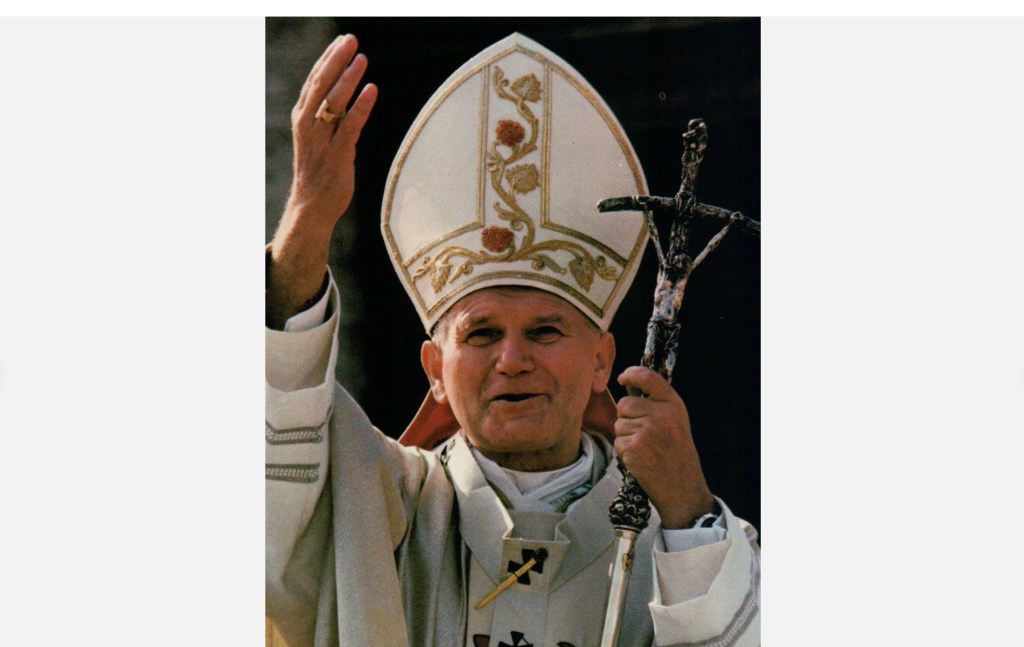
The Catholic Church is not opposed to science but discourages the concept of a hyper-scientism: that something is real or exists only if be measured by the senses or experimentation alone. This limits the gift of wonder. “Faith and reason are like two wings on which the human spirit rises to the contemplation of truth; and God has placed in the human heart a desire to know the truth—in a word, to know himself—so that, by knowing and loving God, men and women may also come to the fullness of truth about themselves” (Pope John Paul II, Opening line). We need to continue to embrace the gift of wonder and rise to meet its invitation by soaring aloft with both wings of faith and reason.

Pope Leo echoes these sentiments of a healthy, discerning both and approach: “Our first task is neither to demonize nor idolize technological tools, but to utilize them on the basis of a fundamental principle, namely that truth is a common good and not the property of those with power or influence” (paragraph 137).

Even in the new digital age and with growing advancements in AI, we can embrace that which can be helpful with moderation and prudence, while at the same time continue to protect the dignity of humanity and the value of the truth. We will do this best when we prioritize God as the foundational relationship and starting point for discernment in our lives. As we love God with all our heart, mind, soul, and strength, we will know better how to repay to God what is God’s, as well as how to repay to Caesar what is Caesar’s.


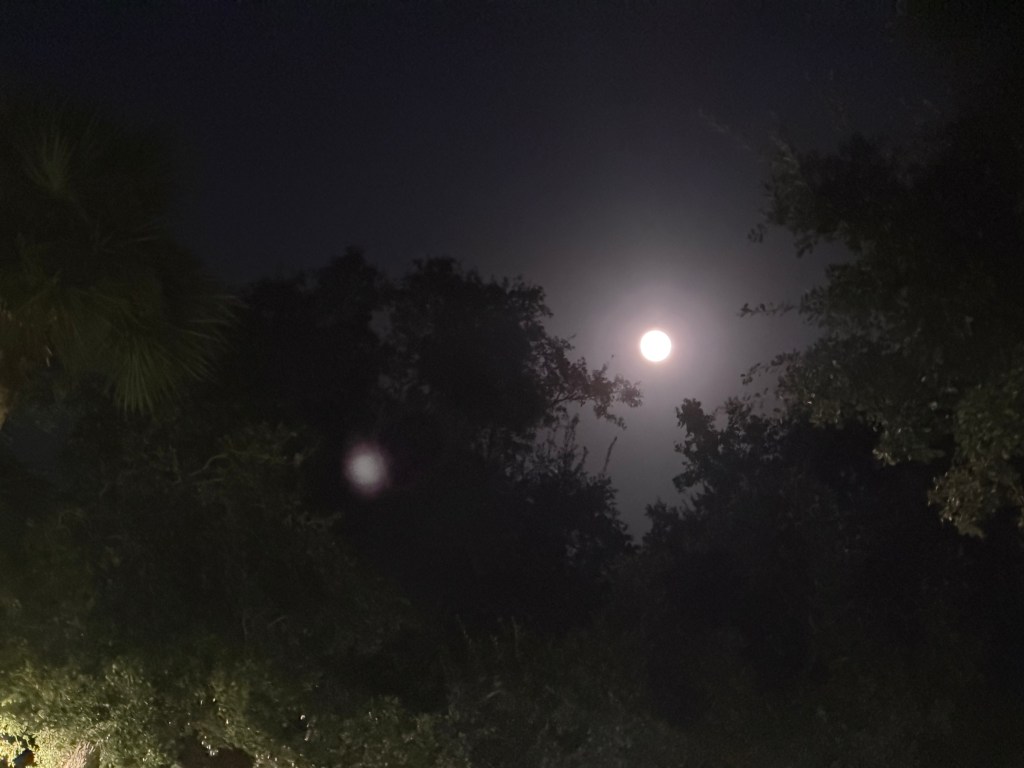
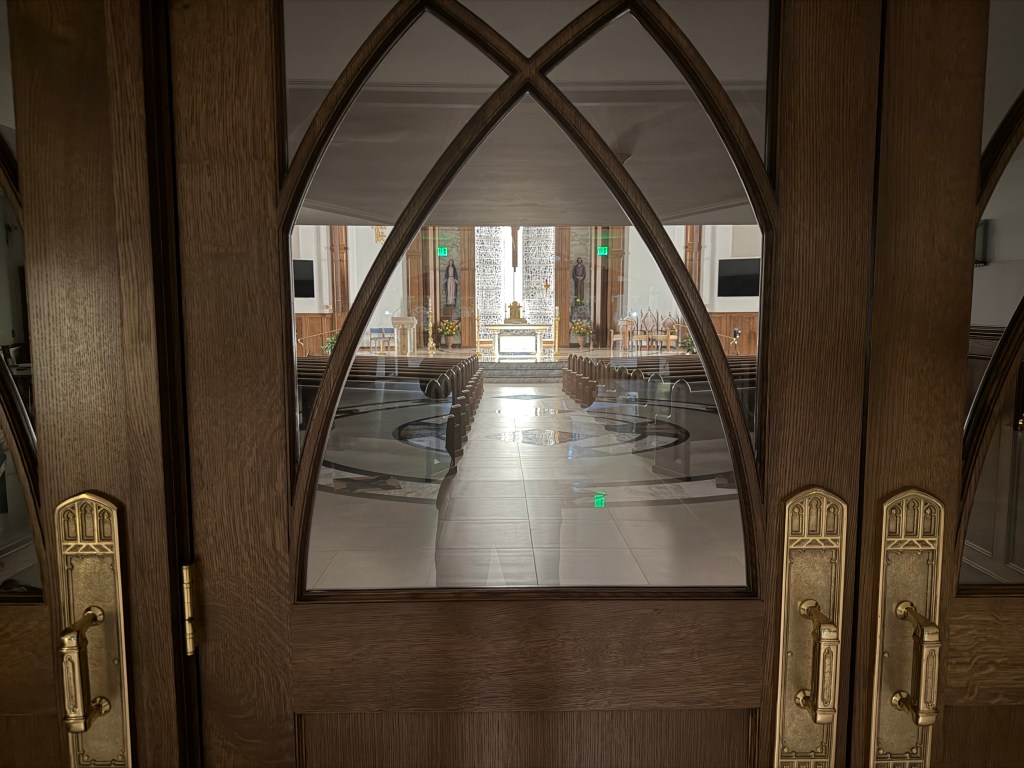
Photo: We know God better when we spend time in silence, in adoration, in prayer, meditation, and contemplation.

The following link lists an article by Shaun Mcafee regarding 11 Catholic scientists through the ages: https://epicpew.com/11-amazing-catholic-scientists-you-should-know/

Link for Fides et Ratio by Pope John Paul II

Link for Magnifica Humanitatis  by Pope Leo XIV

Link for the Mass readings for Tuesday, June 2, 2026

“Ask and it will be given to you; seek and you will find; knock and the door will be opened to you.” Really.

Jesus said to his disciples: “Ask and it will be given to you; seek and you will find; knock and the door will be opened to you” (Mt 7:7). If taken in a purely secular, non-religious, or non-biblical sense, and out of context, this teaching of Jesus from his Sermon on the Mount may not ring true. Some people have also left their faith behind because they have asked something of God and from their perspective, they did not receive what they asked for.

To understand this verse we need to understand a few key points. One is that God is God and we are not. That means that we do not have the full scope and sequence of God’s infinite viewpoint. We can only see from our limited and often times wounded perspective. Our God, who is Good, will only give us that which is good for us. What we are asking for may appear to be good, but may not, in fact, be truly good, and/or in our best interest beyond the moment. If someone wants to say, well, I ought to be able to decide that! That means they have missed the first point, God is God and we are not. God not only seeks to give us what is good, he knows what will truly make us happy and fulfilled even when we don’t.

Another point that I have learned from Bishop Robert Barron is that “Your life is not about you.” We are created by God for a reason and a specific purpose. Our life is about fulfilling our role in God’s theodrama. The context of this verse is best understood by reading in conjunction with when Jesus stated, “Seek first the kingdom of God and his righteousness” (Matthew 6:33). As we seek first his kingdom and our place and part to play our collaborative role with him, we can be assured he will answer us, we will find our place, and the door of the kingdom will be opened for us.

We are not the director in the great play of life, God is, but we do have a unique and significant part to play! Meaning, joy, and fulfillment are experienced when we understand that God does not need us but desires us to share in his work of salvation history. This a wonderful truth we would do well to ponder. If this is a bit intimidating, we can be confident that what God requires of us, he will give us the means and support necessary to fulfill the work he invites us to partake in. The last line of today’s gospel, expressing the Golden Rule, is no throw away line. The words express why God calls us and it echoes Jesus’ greatest commandment to love God with all our heart, soul, and strength and to love our neighbors as ourselves.

C.S. Lewis can also help us to understand our posture of prayer: “I pray because I can’t help myself. I pray because I’m helpless. I pray because the need flows out of me all the time, waking and sleeping. It doesn’t change God. It changes me.” When we pray with the intent to bend God’s will toward ours we will find frustration each time. We pray because we are answering God’s invitation to spend time with him.

We are transformed by God’s love and his grace builds on our nature when we begin our prayer with the truth that God is God and we are not, that our life is not about us, but instead about coming to understand and know how to better follow God’s will, and acknowledging that our prayer will not change God. When we are open to God’s will, God will change us. When we approach prayer seeking not our’s but our Father’s will, we can be confident that we will grow in our relationship with him and that what we ask of God will be given to us, what we seek we will find, and when we knock, the door will be open.

—————————————————————–

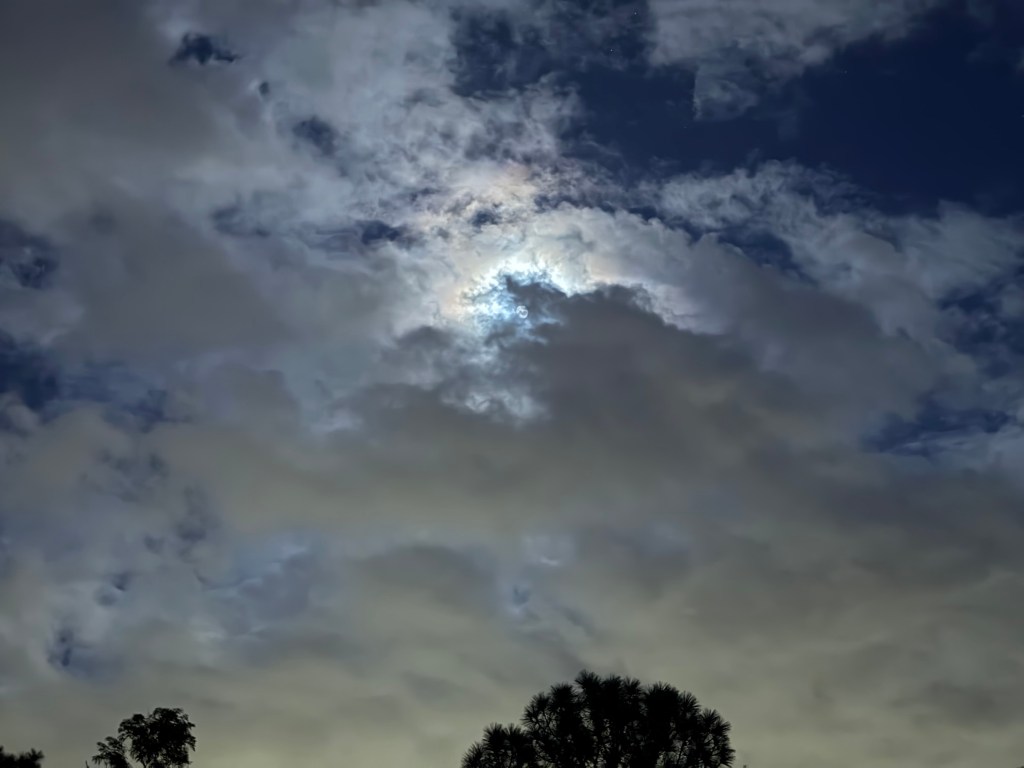
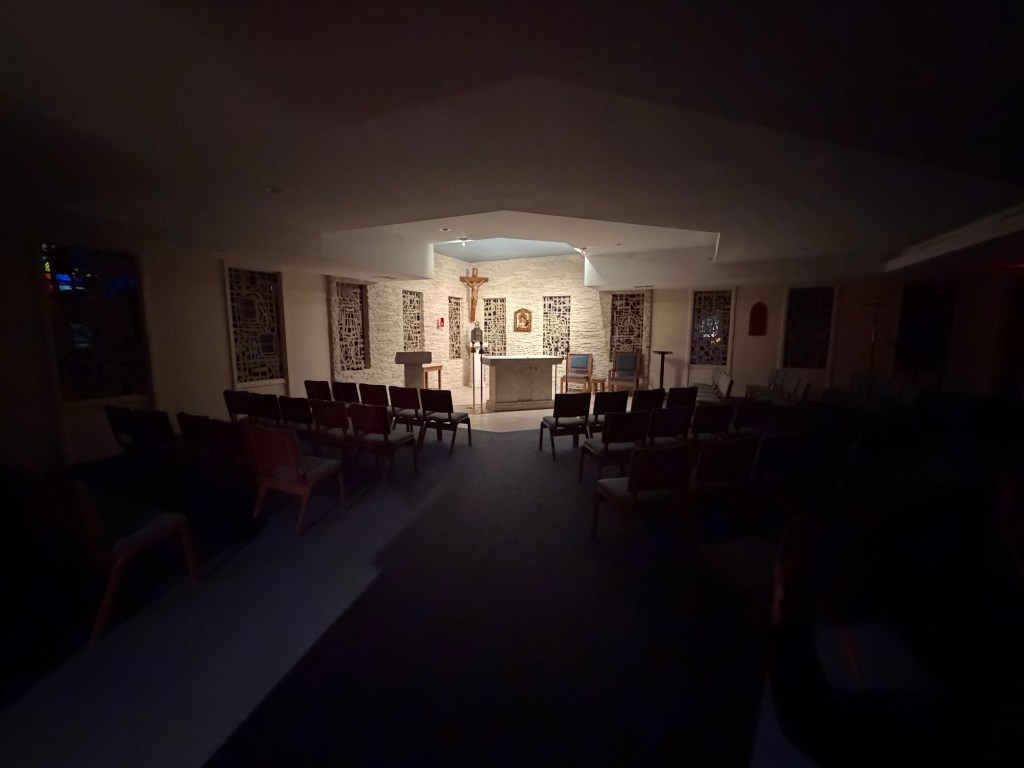
Photo:  Even a moment to take some deep breaths, to pray, and to look up and out, helps!!!

Link for the Mass readings for Thursday, March 13, 2025