The centurion said in reply, “Lord, I am not worthy to have you enter under my roof; only say the word and my servant will be healed” (Mt 8:8).
After Jesus finishes his Sermon on the Mount, he comes down from the mountain. In the opening of chapter eight, we see two hearts open to God, a leper and a centurion. The centurion may or may not have been a Roman but he certainly was a Gentile. He, a member of an occupying army, was aware of the animosity many Jews felt toward him. Yet he, like the leper, approached Jesus.
Unlike the leper, the centurion came for another. He did not seek to come because of his family members or his soldiers was suffering, he came for his servant. He, like the leper, showed boldness and faith. He might have even a few days before thought this Jewish man was beneath him, and yet, he approached Jesus because he believed that he could heal his servant. It is also curious that the centurion who is used to giving orders does not order Jesus to heal his servant, he doesn’t even ask him to heal his servant. He just states the fact that his servant is suffering, which shows even more trust that Jesus will do something about it, but Jesus’ terms not the centurion’s own terms.
“I will come and cure him.” Jesus’ response is a little lost in the translation. “Jesus acknowledges the boldness of the centurion’s request in his response, which is better translated as an exclamatory question: ‘Shall I come and cure him?’ With the emphatic ‘I,’ it is as if Jesus is saying, ‘Shall I, a Jew, come to your home?'” (Mitch and Sri, 126). The centurion acknowledges then his unworthiness to have Jesus enter his home. He who has been used to ordering others has the humility to say that he is not even worthy to have Jesus come, he can just speak and he believed that his servant would be healed.
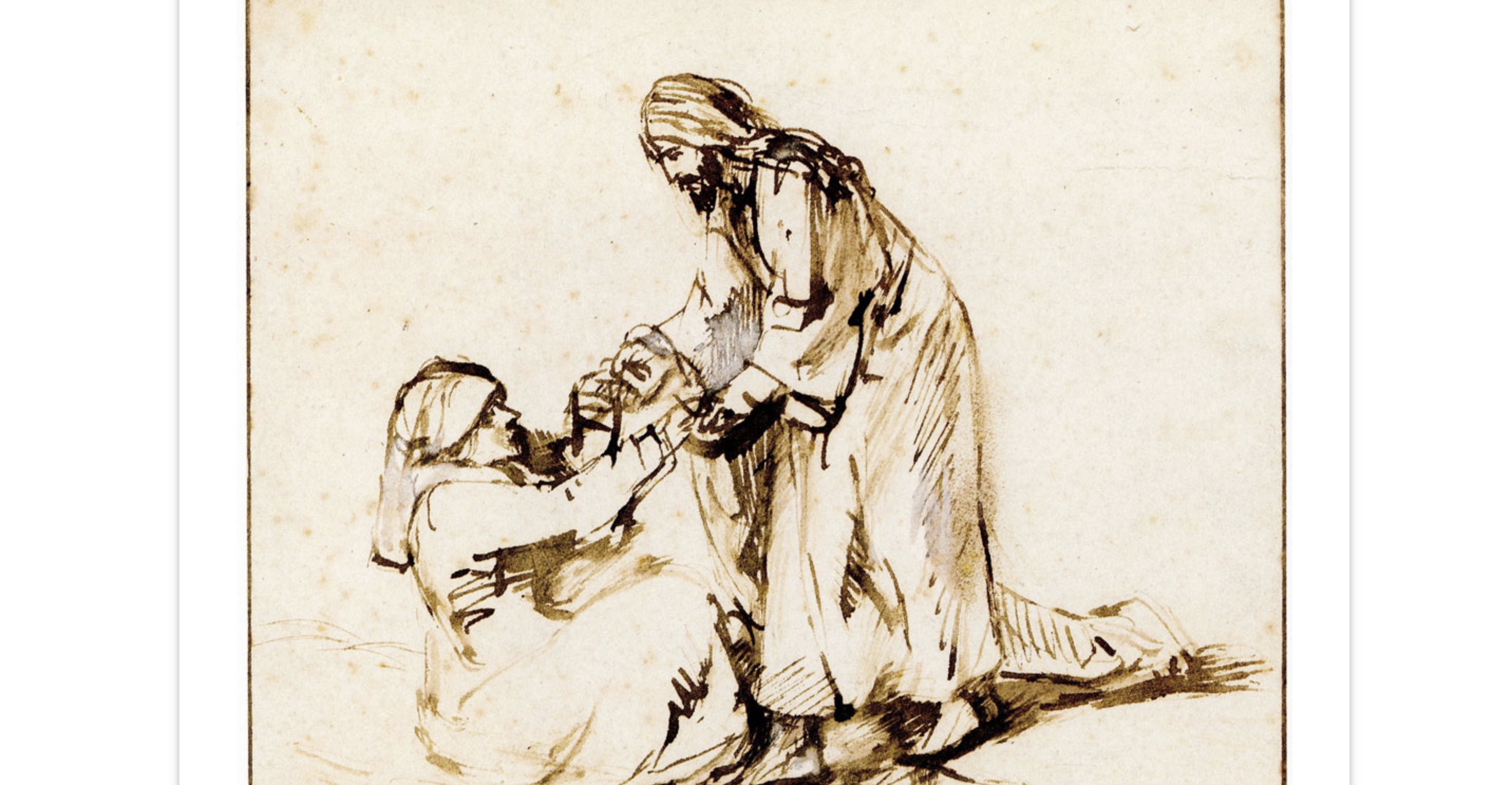
Jesus saw in the leper, not revulsion, and in the centurion, not an enemy, but first and foremost, human beings in need, two persons with boldness, belief, and deep faith. Jesus also healed the mother-in-law of Peter, who did not ask to be healed. He saw her need, her illness, and again was willing to come close to touch her. Many who were possessed also came and Jesus reached out to them with a simple touch of his hand or authority in his words. The kingdom of his Father is open to all who have faith and believe.
We, like the leper, are wounded and in need of the healing words and touch of Jesus in our lives. Jesus draws close to us as well and is only waiting for us to ask to be healed and transformed by his love and mercy. We, like the centurion, can approach Jesus on behalf of others in need of healing. We can even assume the posture of Peter’s mother-in-law and be open with our hearts and minds to receive Jesus’ healing invitation.
Jesus has come to remind us of the truth of who we are – daughters and sons of our Father, and our inheritance is to receive the love of the Holy Spirit. From a new posture of abiding in God’s love we will better resist the temptation to judge anyone as unworthy to receive the same grace, love, and mercy we have received. We are all unworthy of God’s love which he offers as a gift. God loves us not by anything we do but because we are his children. This is why we state the words of the centurion just before we receive Jesus in the gift of his true presence in the Eucharist. As we acknowledge our unworthiness, Jesus comes close to us in such an intimate way, to be consumed, so that we will be healed.
Drawing: Rembrandt’s The Healing of the Mother-in-Law of Saint Peter

