Jesus had not only created a scene when he, literally, turned over the tables in the temple, but had been doing so since the beginning of his public ministry. Jesus had been figuratively turning the tables on the religious leadership. The conflicts between Jesus and those in charge were not subsiding but only growing, especially now that Jesus was present at the Jewish spiritual center of the temple, the very seat of God. The chief priests, the scribes, and the elders, are becoming more concerned about the teachings and actions of this itinerant preacher and believe him to be a false prophet. They approach him when he returns to the temple and ask, “By what authority are you doing these things? Or who gave you this authority to do them?” (Mark 11:28)?
Jesus, who is the Lord of the temple, “the lord of the house” (Mk 13:35), recognizes that the “servants in charge” (Mk 13:34) of the house, are not seeking the truth in this question. “The question is full of hidden irony: the stewards of the temple, whose authority is only delegated, are demanding that the Lord of the temple answer to them for his actions” (Healy, 234). Jesus deftly turns the table on them. In doing so, they reveal that they do not believe that John or Jesus are operating under the authority of God, but they fear the reaction of the people gathering around their discussion. This is the time of the Passover, and many pilgrims have come to Jerusalem to celebrate. The area is teeming with people. The last thing that the Jewish authorities want is another scene as Jesus had staged from his turning over the tables the day before. They do not want to have the Roman centurions getting involved.
The chief priests, scribes, and elders refuse to answer Jesus’ question. Jesus follows like fashion then and does not answer their original question. This episode and exchange, as with the other conflicts with Jesus leaves his challengers frustrated and angrier. They believe Jesus to be a false prophet, yet they are not willing to call him out publicly. Indecisiveness further fuels their already growing resentment. Jesus though is at rest because he knows that he is following the will of his Father and has nothing to prove.
How do we do with conflict? Are we as surefooted and confident in the love of our Father as Jesus? If not, there can be many reasons. Foundationally, we need to ask ourselves: “Are we following the will of the Father in all that we think, say, and do?” The peace that surpasses all understanding that Jesus experiences and promises comes from the assurance that our loving God and Father is with us, has our back, and supports us. We also experience rest when our conscience is clear. The challenge is to be clear in our discernment that we know the difference between God’s and our own will, as well as when our decisions are in accord with or opposed to God’s. When not, then we repent and turn back to him.
We may receive clarity, although many times we are indecisive. The answer to knowing God’s will is knowing God. We encounter and develop a better relationship with our Father as we would with any other person. Though until we develop a deeper prayer life, that is easier said than done. As many of the saints attest, the closer they grew in relationship, the more distant he appeared. This is true because Jesus invites us to go deeper, so we come to the point that we resist relying on our emotions, inspirations, and consolations, as well as our capacity to make sense of what we are asked. Jesus leads us on an eternal path that has no end, cannot be exhausted, and we are to follow without hesitation. Jesus speaks to us in the silence of our hearts. Why do we listen? Because Jesus is our Lord, the Son of God our Father.
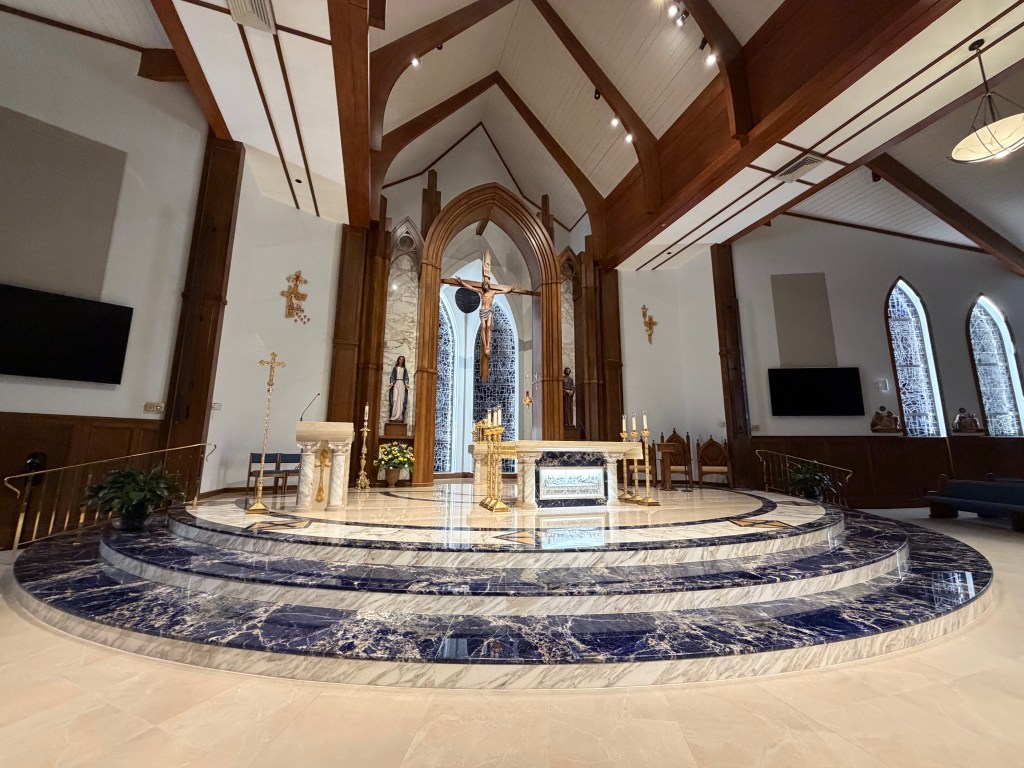
Photo: The more time we give to Jesus in silence, the more he becomes the Lord of our lives!
Healy, Mary. The Gospel of Mark. Grand Rapids, MI: Baker Academic, 2008.

