“The foolish ones said to the wise, ‘Give us some of your oil, for our lamps are going out.’ But the wise ones replied, ‘No, for there may not be enough for us and you. Go instead to the merchants and buy some for yourselves'” (Mt 25: 8-9).
The context for Jesus’ parable was the procession to the wedding feast which was the beginning of the second stage of marriage after the time of betrothal that could take up to a year. One of the roles for this procession was carrying torches to light the way to the home of the groom from the home of the bride’s family home. They needed torches as the procession began after sunset. The wise virgins were not being self-centered or stingy but truly prudent and wise. If they ran out in sharing the oil before the completion of the procession that would have been a terrible embarrassment for the bride and groom. It could also lead to injury by having to walk in the darkness.
Jesus is doing more here though in this parable than introducing prudent discipleship. The wise and foolish virgins are representative of those invited to participate in the wedding feast, an image of participating in the kingdom of heaven. They who have their lamps burning brightly do so because they are living their faith in practice and reflecting the light of Jesus as they witness their faith to others. They cannot give their oil though. Each person must receive the invitation of Jesus and decide to live their faith and put it into practice in their own lives.
No one can do this for them. The foolish virgins are those that are not prepared or ready because they lack the commitment, the discipline, and the actual living out of their life of faith. This is shown starkly when the foolish virgins come to the locked door. They are not allowed in to participate in the wedding feast because the groom, Jesus, says that he does not know them. They are members of the community but they “have offended the bridegroom by their irresponsibility and lack of preparation.” This is “a claim of disassociation, of renouncing his former ties with them” (Mitch and Sri, 192). These virgins represent those disciples that have not put their faith into practice through prayer, worship, and good works. “It is one thing to make a strong start in the Christian life, to believe in Jesus and to commit oneself to repentance (4:17). But this commitment must be sustained over time” (Mitch and Sri, 193).
We gain some insight that the wise and foolish for Jesus has a different connotation than what the world deems to be wise and foolish. St. Paul in his letter to the Church at Corinth wrote that “the message about the cross is foolishness to those who are perishing, but to us who are being saved it is the power of God” (I Cor. 1:18). The cross was not only a horrific symbol of oppression, it was a sign of the finality of death. To the world the cross showed that Jesus could not be the messiah, for he could not even save himself.
The imagery of the cross was still raw for the first few centuries and was depicted rarely in early Christian art. And yet, in one of the earliest accounts of the New Testament we have Paul not just discussing but proclaiming victory in the cross: “We proclaim Christ crucified” (I Cor. 1:22). A foolish and absurd statement in the view of the world, yet one of foundational wisdom to the disciple and apostles of Christ.
This was and continues to be the banner call of the Christian. Jesus died, and yet conquered death and rose again. This is a statement of faith that we can only make an ascent to through our belief and experience of, trust in, and deepening our relationship with, the one who died, conquered death and rose again. St. John Chrysostom (349-407) wrote that: “For the Apostles themselves came in not by wisdom, but by faith, and surpassed the heathen wisemen in wisdom and loftiness, and that so much the more, as to raise disputes is less than to receive by faith the things so far” (p. 249, The Word on Fire Bible).
Our faith is not a blind faith that we dumbly believe and follow along like lemmings. It is our reason seeking understanding and allowing God’s grace to build on our nature. Our faith grows as it did with the Apostles, through our encounter and lived experience with Jesus. Just like any other relationship, we build it with Jesus through time spent being loved by him, so we come to know him, love him, persevere in serving him through good works, such as the corporeal and spiritual works of mercy.
Jesus was clear that we do not know the time or hour of his return. We do not need to be worried about the time or the hour as long as we are faithful to and trust in him with everything and follow his will and do whatever he tells us to do. When he does return, we, like the wise virgins, will be ready to be welcomed into and enter the wedding feast.
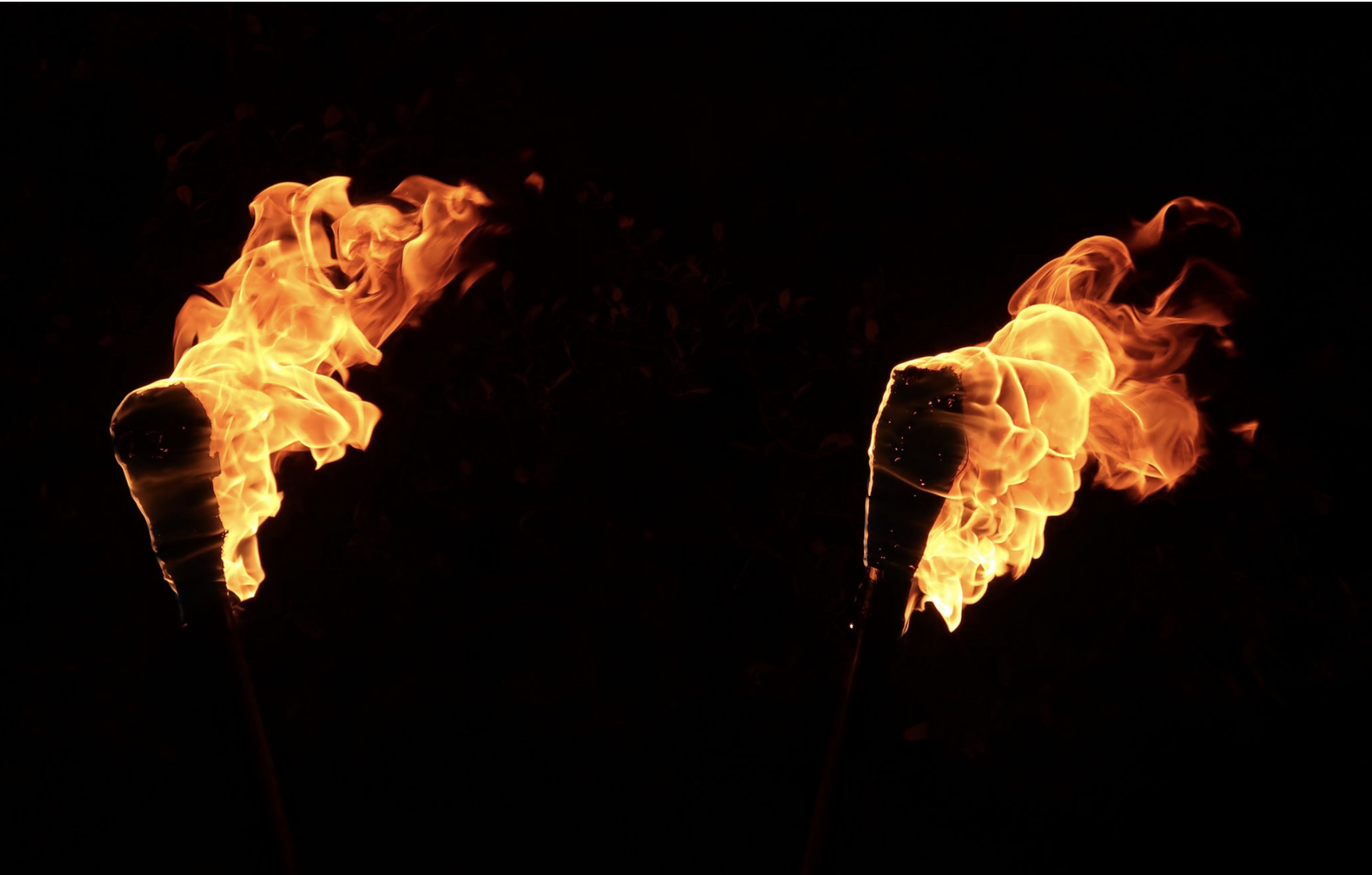
Photo: Daily prayer, weekly Mass, participating in the sacraments, quiet time with Jesus, studying and mediating with Scripture, following the will of God, loving and serving one another, will help us to have enough oil to light out torches and keep them burning.
Link for the Mass readings for Friday, August 28, 2026
Mitch, Curtis and Edward Sri. The Gospel of Matthew. Grand Rapids, MI: Baker Academic, 2010.
Word on Fire Bible: Acts, Letters, and Revelation. Park Ridge, IL: Word on Fire Ministries, 2022.

