“Therefore, I say to you, the kingdom of God will be taken away from you and given to a people that will produce its fruit” (Mt 21:43).
With these words, Jesus is speaking to the leadership of Israel, those entrusted to shepherd God’s chosen. Jesus is not, as some have unfortunately suggested, advocating supersessionism: the claim that the Church has replaced Israel in God’s plan. The Vatican II document, Nostra Aetate, Declaration on the Relation of the Church and Non-Christian Religions, states clearly: “It is true that the Church is the new people of God, yet the Jews should not be spoken of as rejected or accursed as if this followed from holy Scripture” (741).
There is clear evidence that there have been anti-semitic movements and supersessionist views in the Church and it has created division instead of interfaith communion, and there are traces that still support a view contrary to Nostra Aetate. There is still much to do to heal and promote better mutual understanding. We must remember that Jesus, Mary, Joseph, and the Apostles were Jewish. Pope Paul VI stated that we are all spiritual Semites.
What we need to glean from Jesus’ words is that we who say we believe in God are given a sacred trust and duty to care for one another and all of creation. In the parable that Jesus shares, God is the owner of the vineyard, echoing a similar analogy from Isaiah 5:1-7 which is our first reading. The appeal of each telling is an appeal to the leaders and elders to repent.
Jesus is speaking to us as well. The Church is not our Church, just as in the parable the vineyard does not belong to the tenants. We are to serve God by following his will and bear good fruit by living our baptismal call to live holy lives dedicated to God. We cannot go through each day with blinders on to the needs of those around us. Though we cannot meet all the needs everywhere and for everyone, we can begin to approach each day with an intent of being good stewards to those we engage with.
We can begin by looking at our own home. First, on the material level, do we have more than we need? Are there material goods that could be used better elsewhere rather than just taking up space? Then, going forward, we can purchase what we need and resist what we think we need. I need to apply this to books!
“Wealth, explains Saint Basil, is like water that issues forth from the fountain: the greater the frequency with which it is drawn, the purer it is, while it becomes foul if the fountain remains unused” (Compendium, 329). We need to seek God’s discernment so to better manage the gifts and resources that God has entrusted us with. We are to free ourselves from the attachment to our material goods and seek God first. He gives us more in one loving glance than any possession we have or ever will have. We are to be people of generosity giving freely with joy, not choking on our own stagnation of excessive acquisitions.
Assessing daily how we treat one another is also important. A good practice here is to follow St. Mother Teresa’s five finger Gospel: “You did it to me.” This was an embodiment of Matthew 25:31-46, where Jesus emphasized what you do to the least of my brothers, you did it to me. If we can approach each person we meet, in person as well as online, not as if they were like Jesus, but in fact Jesus, we might treat others with more dignity or respect.
The act of respecting the dignity of one person makes a big difference, certainly to that person. Respect ripples out to counter the negativity that permeates growing cynicism, distrust, division, and polarization. A waterfall begins with one drop. Helping people to feel they matter, that they have worth and dignity begins with one smile or a listening ear is just such a drop. Kindness and caring begins by listening to God tell us how much he loves us, be still long enough to rest in his healing embrace, and allow him to love us where we may not want to be loved or feel unlovable.
We can often get stressed, strained, frustrated, and angry when we consume too much of the news and allow ourselves to be saturated with the negativity of the world. Very little is within the realm of what we can have an impact on. Might be a good practice to consume less of the negativity, pray for the needs of the world, and allow the light and love of Jesus to reveal to us where we need to repent. repentance, forgiveness, healing, help us to receive more of God’s love. We are better able to resist serving ourselves but instead serve God in his vineyard in the unique way he calls us to serve.
We are called to work toward the common good of all, within our country and throughout the world. Doing so not in some abstract or utopian way, but in specific ways where we are invested in the lives of others. “Collaboration in development of the whole person and of every human being is in fact a duty of all towards all, and must be shared by the four parts of the world, East and West, North and South” (Compendium, John Paul II, 446).
We are not the owners of the vineyard, we are the tenants placed in charge by God. How we use our time, talent, and treasure matter. This is a good point of daily meditation and focus when examining our conscience each evening before we retire to the land of dreams. How have we done in the matter of being grateful to God, caring for one another, ourselves, and our environment? For those places we have fallen short, may we seek God’s forgiveness, and commit with God’s help to begin anew. Where we have done well, may we thank God for his guidance and continue to receive his love and follow his will, such that the water of generosity we draw continues to be pure so we may bear good fruit that will last.
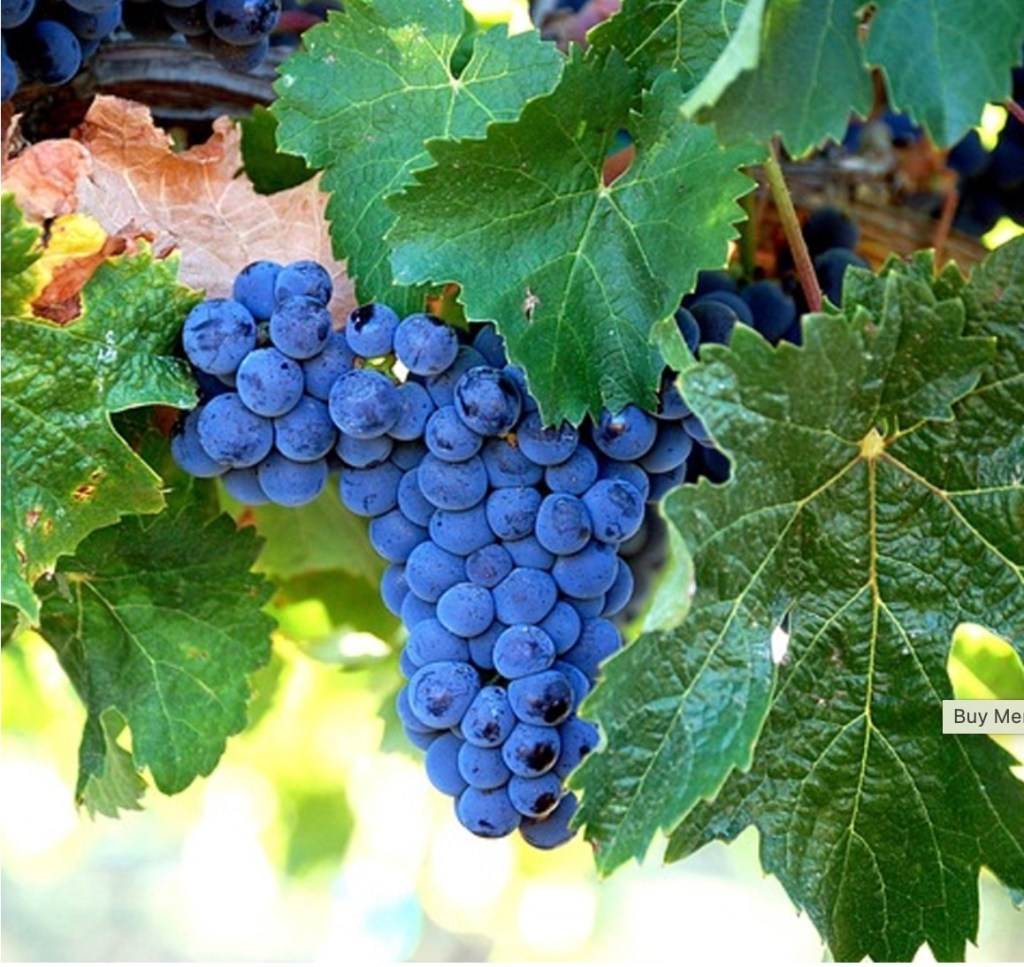
Photo: When we remain connected to the vine of God’s love, we will bear good fruit.
Link for the readings for Sunday, October 4, 2026
Flannery, Austin. Vatican Council II. Fifth ed. Vol. 1. 2 vols. New York: Costello, 1998.
Compendium of the social doctrine of the church. Cittá del Vaticano: Libreria Editrice Vaticana, 2005.

