way

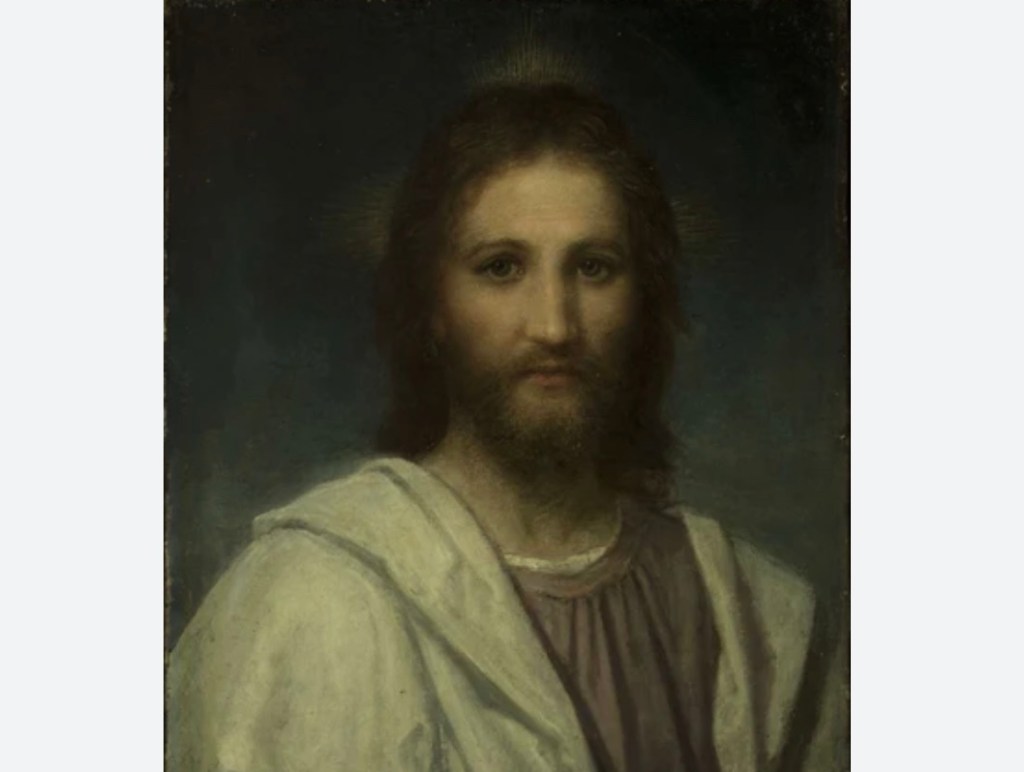
“I am the way, the truth, and the life.”
In our growing global and increasingly interacting world, a sense of pluralism, the recognition and affirmation of diversity and peaceful coexistence has become more and more of an ideal. In and of itself, the embracing of diversity is good. Especially when we have and continue to experience and see such atrocities committed in the name of “tribalism”. What can be a dark side of pluralism though, is that for the sake of getting along we are not true to who we are, we limit our public discourse so as not to offend.
Identity is also not to be held up as the sole model either. Identity has a dark side as well in that we can easily slip into a defensive posture when we feel our identity is threatened. This is why we are told that if you want to have a conflict free conversation you may want to avoid speaking about such topics as politics and religion. The reason is that in these areas we identify ourselves with our personal beliefs and if someone critiques or criticizes our beliefs we feel personally threatened, and more often than not, we slip into a defensive posture and reactive mode. Dialogue quickly devolves into talking at and over each other.
These thoughts lead me to the opening verses in today’s Gospel from John: Jesus said to Thomas, “I am the way and the truth and the life. No one comes to the Father except through me. If you know me, then you will also know my Father. From now on you do know him and have seen him” (Jn 14:6-7). This may not appear to be a pluralistically sensitive comment if wanting to keep calm at the dinner table. Though it is a statement of truth.
Another statement from Jesus that could raise the hackles of those who are not Christian is, “No one comes to the Father except through me.” This may appear, at face value, to be an arrogant statement. Unless, Jesus is who he says he is, the Son of God, the Second Person of the Trinity. If Jesus is God, then of course to get to God you will be going through Jesus. Jesus does not say that you have to be a Christian to get to God. Jesus himself was not a Christian.
Regarding interfaith dialogue the Catholic Church has come far regarding some dehumanizing stances from the past to embrace a truer interpretation of Jesus’ statement. The Vatican II document, Nostra Aetate, meaning In Our Time, the first lines of the document, states that the Catholic Church “rejects nothing of what is true and holy… She has a high regard for the manner of life and conduct, the precepts and doctrines which, although differing in many ways from her own teaching, nevertheless reflect a ray of that truth which enlightens all…”
The place to enter dialogue is not to avoid sharing about the truth of our beliefs, but to be able to reclaim the ability to share clearly what we believe and be willing to allow someone else to do the same. We have lost the ability to have a good argument or debate that is founded on the respect and dignity of the person first, an openness and understanding for different and diverse opinions and beliefs, grounded in the ultimate goal of learning and growing from one another.
We can reclaim the gift of dialogue if we are willing to let go of the need to talk at others, to be right, and entrench ourselves in our positions, and instead seek to be more grounded in integrity instead of identity. To grow as a person of integrity means developing the ability to think critically and with a more nuanced outlook, resisting absolutes and black and white thinking. Another line from Nostra Aetate states: “Let Christians, while witnessing to their own faith and way of life, acknowledge, preserve and encourage the spiritual and moral truths found among non-Christians, also their social life and culture.”
Being a person of integrity means standing up for the dignity of another person no matter who they are because they are a human being, created in the image and likeness of God. This is what the parable of the Good Samaritan was all about. Being a person of integrity means martialing the courage to hold someone accountable and refuse to look the other way just because they are of the same gender, political party, religion, or tribe. Being a person of integrity means saying what we believe and allowing another to do the same, respecting our differences, agreeing to disagree, and finding common ground where we can. In this way we are more open to growing and broadening our understanding of the people and wonder of the world around us.
Being a person of integrity is not easy. To follow Jesus, who is the way, the truth, and the life, demands courage to speak truth to our peers, to power, to speak truth in and out of season, in the midst of our fear of conflict, of offending, and of being wrong. Jesus invites us to have the humility to recognize when we have not respected others and are willing to be held accountable. To strive for being people of truth and integrity is worth the effort, otherwise we succumb to a slow death of cowardice that eats away at our soul. When we are true to who we are and who God calls us to be, we can experience the soaring heights of the freedom and joy we were created for!
Jesus, help us today in our discernment to be true to who your and our Father calls us to be and help us to be more willing to allow the Holy Spirit to fill us with his courage, joy, and love so to strive to be people who are willing to be aware, to care, to enter into dialogue, to serve, and to be people of integrity.
———————————————————————
Photo: “Head of Christ” by Heinrich Hoffman
Nostra Aetate, Declaration on the Relation of the Church to non-Christian Religions, October 28, 1965. Tr. in Vatican Council II: Vol. I: The Conciliar and Post Conciliar Documents, Costello Publishing, 2004.

