“And I tell you, ask and you will receive; seek and you will find; knock and the door will be opened to you. For everyone who asks, receives; and the one who seeks, finds; and to the one who knocks, the door will be opened” (Lk 11:9).
In today’s Gospel, Jesus continues to teach his disciples and us about prayer. The key point he is emphasizing is to be persistent in our prayer and to trust in God. He is our Father who cares for us more than any human can. He cares and will provide for us more than our own earthly parents or friends.
Yet, we can be frustrated in prayer because when we do make the time to pray, we may feel or think that nothing is happening or has happened. We may pray for a specific petition for our self, or for a particular intention for another and felt, or thought, that there was not an answer from God. One may pray a sincere, seemingly selfless prayer for a loved one, a child, a spouse, a friend, to be healed from a particular painful emotional situation, a conflict to be resolved, or someone ill and dying, and yet, the situation continues, the conflict may not get better but may worsen, and/or the person still dies.
The one petitioning may feel deeply hurt because they did what Jesus said; they asked, they pleaded and begged, but felt they did not receive the ending of pain, the resolution, or healing they sought for themselves or others; that which they pleaded, was not given and, instead what they found was nothing but pain and heartache; they knocked until their knuckles were raw and experienced no one on the other side.
Our attitude and orientation to prayer matters. When we sincerely turn our hearts and minds to God in prayer, something happens between us and God, though it may be beyond our cognitive grasp to understand or our sensory awareness to experience. There may indeed be emotional highs and consolations experienced in prayer, but if seeking those is the primary motivation for prayer we will find ourselves more frustrated than not. There may also be lows in prayer, dryness, even desolations, and even feeling God’s absence. Emotions are fleeting and not a good barometer when measuring the effectiveness of prayer.
Another big misconception is that we pray to God as if he were a gumball machine. It may seem a silly analogy but how many of us really do pray and worse, only pray that way, and when we do not receive the specific thing we asked for, at the time specified, when we wanted and as we wanted, we brood and think God doesn’t care or does not, in fact, even exist. We may even slip into the barter posture. God if you grant me this, I will do that. If we are only open to receive what we want on our terms, again we are setting ourselves up for disappointment.
The very desire to pray is the beginning of our awareness, for God is the one who reaches out and invites us to pray. The answer to what or who we ask, seek, and knock is found at the end of the Gospel reading for today: “If you then, who are wicked, know how to give good gifts to your children, how much more will the Father in heaven give the Holy Spirit to those who ask him” (Lk 11:13)?
God knows what is best for us, he sees our potential, he wants us to experience joy and be fulfilled. How can we best live our lives in this world to attain that reality? We do so by asking for the Holy Spirit. Who is the Holy Spirit? The infinite, communal love expressed between God the Father and God the Son. Our goal in prayer is to enter into God’s reality, the infinite communion of Love.
We pray first and foremost to help us to grow in relationship with God. This happens through our participation and conformation to the life of Jesus. When we take time to learn, meditate, pray with, and put into practice Jesus’ teachings as his disciples did, we will start to see as he sees, we will come to see the truth of empty promises, apparent goods, substitutes to fill our emptiness and faulty defense and coping mechanisms that we have been utilizing as guideposts to merely survive and get through life.
When we stay consistent in an authentic life of prayer, God won’t bend to our will, but we will change. Instead of God becoming smaller to our demands, he expands our hearts and minds to be capable to receive his love. As we mature, we will begin to bear the fruits of the Holy Spirit which are love, joy, peace, patience, kindness, goodness, gentleness, and self-control (cf. Galatians 5:22-23)?
Why may God not appear to answer prayers for healing of a relationships, resolutions to conflicts, physical healings for a loved one with a chronic condition or one who is dying? I do not know. God though does not wave a magic wand and poof all is wonderful. If we genuinely seek healing for ourselves and others, that will take time, for God seeks healing for the long term, and that means helping us to build firmer foundations through trusting him and receiving his love.
When we trust God there is less disappointment, because we can be more patient to receive God’s outcome, than grasp for our intended outcome. We trust that God knows better than us. Sometimes what we ask for we receive in the way we asked, and sometimes we receive what we asked for in a different way than we expected.
We need to resist running from the pain and be willing to trust that God has not abandoned us but is with us. The tears that arise from our suffering can then become a healing salve, a doorway into the open arms and embrace of Jesus who awaits us in the depths of our frustration, grief, and pain. Even our loved ones who have died have not come to an end but have experienced a new beginning. JoAnn often would say in her last few weeks that she was just changing her address. God answered our prayers for JoAnn’s healing, just not the way we had intended.
Ultimately, what we ask, what we seek, and what we knock for when we pray is to be loved, to belong, to be a part of someone and something greater than ourselves. We have been created as a living, craving hunger, and desire to be one with God and each other. This is true for the atheist and the mystic alike. We have been created to be loved and to love. God’s love is present to us no matter the internal or external turmoil within ourselves or those we love.
The Holy Spirit is the gift of prayer that is open to us all. He is the love shared between the Father and the Son, that we too can experience. This is why he is the answer to our prayer, though sometimes to be aware of his presence takes perseverance. It may not be that God is not answering, but that we are not patient enough to receive the answer. We need to be patient enough to be still and know God. Prayer is about building a relationship and like any other relationship, that takes consistent time and work.
To mature in our relationship with God not only takes perseverance, we also need to trust him. One of the enemy’s chief tactics is to sow the seeds of doubt and mistrust. Trust in God’s love for you. Trust that he hears every prayer. Continue to show up each day and pray. Even if you feel nothing is happening, God is working within you, fighting for you, helping you to feel safe, to heal and grow in trust. It is also important to spend regular time in quiet, for God’s primary language is silence.
God provides an answer to every prayer. May we be willing to seek his truth, trust in him that he knows best and will guide us well so that we may follow the path that he lights before us. “Leave it all to God and leave your interests in His hands. He knows what is fitting for us… No matter: tell Him honestly, candidly, and ask Him to help you trust Him.” – St. Teresa of Avila
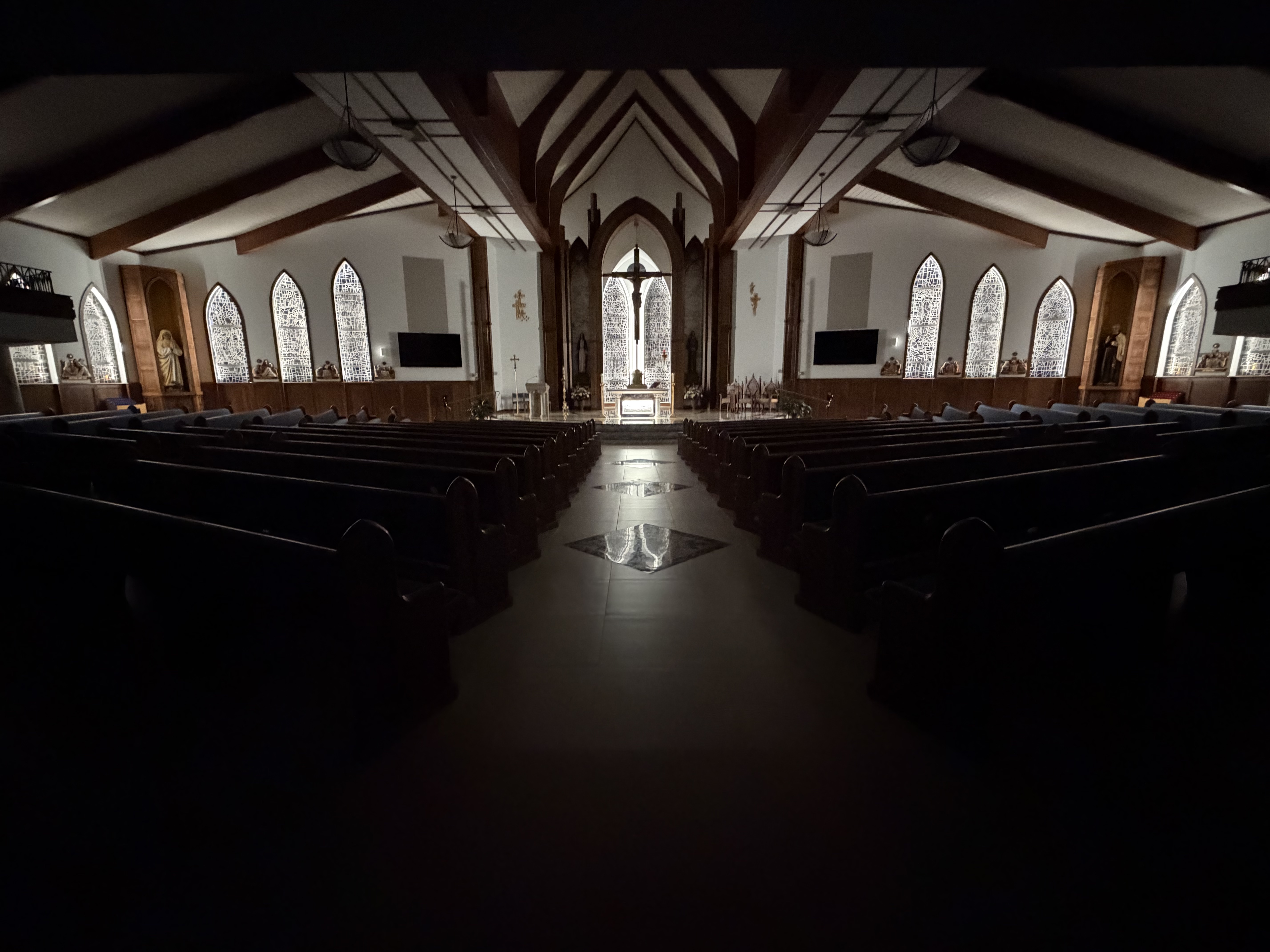
Photo: No matter how dark, and even when there appears to be no way, trust in Jesus, he will hear our prayer and show us the way.

