Polarization, division, and finger-pointing appear to continue to be the order of the day on the national level. Unfortunately, it is taking a firmer hold at the community and familial level and has crept into the Church as well. Instead of entering into and embracing the blame game, may we instead look in the mirror and honestly assess how we may contribute to division and isolation. The good news is that we have founding motto that we can aspire to; In the United States of America – E Pluribus Unum – Out of Many One and put into practice the words of Jesus’ prayer request to his Father – “That they may all be one” (John 17:21).
It is important to take a step back, take a breath or two or three, and examine our conscience and honestly acknowledge how we are contributing to the divisiveness and polarization through our own thoughts, words, and actions. Then we will be in a better position to act instead of react. We can disagree and offer different points of view and seek different approaches to solve problems respectfully when we are willing to engage in dialogue and collaboration instead of forcing or seeking to prove our own point.
Let leads us back to the basics of Jesus’ teachings and we are given another good one today:
“Be merciful, just as your Father is merciful” (Lk 6:36)
Mercy, from the Hebrew word chesed, meaning to show tender compassion, can help us to turn the momentum away from disunity and polarization and toward respecting the gift of our diversity while at the same time embracing our unity. Fr. James Keenan, S.J. defines mercy as the willingness to enter into the chaos of another. Instead of imposing our point of view, mercy is the willingness to draw close with a posture of seeking to understand someone. Instead of keeping someone at a distance, reducing them to a caricature, seeking to prove someone wrong, and/or prejudging or labeling, we can instead make a concerted effort to understand, to listen, to seek common ground, and to seek the best in each other.
When we aspire to be merciful we lead with listening, asking questions to seek clarification and better understanding. A merciful perspective even seeks to assess thoughtfully the underlying point of what has been said, even when the message conveyed is emotionally charged, derogatory, and/or inflammatory. There may be some truth in the maelstrom of what has been spewed.
This is why Jesus also encourages us to stop judging and condemning. We are limited by our own finite natures as it is. We are limited also by our own wounds, defensive mechanisms, and knee-jerk responses. We are not God and are not capable of fully reading the heart of another person.
In most cases, we do not know another’s struggles, anxieties, fears, traumas, and experiences. When encountering each another and we notice the anxiety, stress, or fear beginning to rise, it is important to resist slipping into a fight or flight response. We do so when we intentionally breathe, invite Jesus to filter our thoughts, breathe more, and listen more. When allowing someone to vent without taking offense, the person has a chance of feeling heard. Instead of escalating the situation, by not reacting, we can help to bring calm and peace. It is also helpful to let go the need to want to fix the problem at hand.
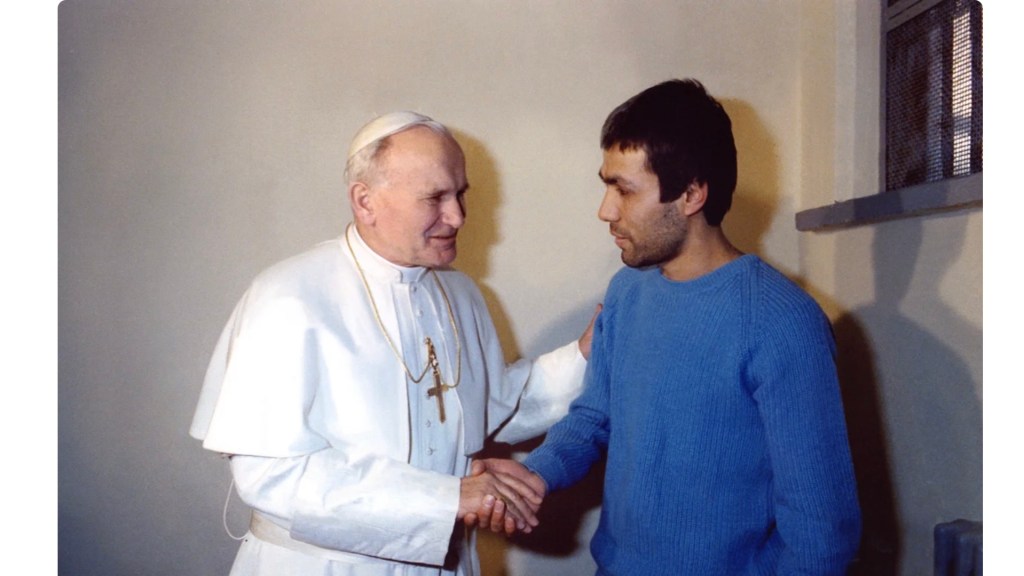
Jesus commands us to forgive. As God forgives us we are also to forgive others, to let go of grudges. Not to do so means allowing the poison injected to spread. The one who has wounded us has walked away and when we are not willing to forgive, we choose to continue to allow the harm that was inflicted to continue to fester. The antidote is forgiveness. When we forgive, we don’t condone the harm done, nor keep ourselves in harm’s way. When we forgive, we heal.
It is much easier to stay in our shell or bubble. We feel protected and safe so no one can hurt us, but that is not the posture Jesus would have us assume. In doing so, we remain focused on our self. Staying in our bubble suffocates us, stunts our growth, and limits our potential as human beings created in the image and likeness of God. Jesus calls us, not to constrict, to cave in upon ourselves, but to expand, to go out from ourselves, to be agents of love and mercy.
Each moment we have a choice. We can withdraw, remain indifferent, judge, and condemn. Each of these choices contributes to isolation, division, and polarization. We can also follow Jesus’ invitation to seek to be merciful, forgiving, and giving. These choices contribute to building relationships, communion, and unity. In our willingness to forgive, we will promote healing and invite others to forgive and heal. Let us choose in this moment to invite the Holy Spirit to expand our hearts and minds that we may become more understanding, forgiving, and merciful just as our heavenly continues to be with us.
——————————————————————————
Image: Pope St. John Paul II living Jesus’ teaching of forgiveness in his meeting with the man who shot him, Mehmet Ali Agca – ARTURO MARI/AFP/Getty Images

 Spiritual Stepping Stones