In today’s Gospel, we read about the fourth antithesis where, Jesus said to his disciples: “You have heard that it was said to your ancestors, Do not take a false oath, but make good to the Lord all that you vow. But I say to you, do not swear at all (Mt 5:33-34). The taking of an oath in Jesus’ time became an acceptable practice to confirm that someone was telling the truth. Taking an oath by invoking God made the testimony or presentation of one’s statement more believable because he was willing to receive God’s judgment upon himself if he was lying.
People expanded this oath taking as Jesus pointed out by replacing God’s name with taking an oath by heaven, earth, Jerusalem, or one’s head. The thought being that one would escape God’s judgement if they were not being fully honest. Jesus points out that this would not be the case. For heaven is God’s throne, the earth is his footstool, Jerusalem is the city of the great King, and it was even God who made the color of one’s hair.
As with his other antitheses, Jesus called his disciples to go deeper, to be better. The word of the disciple ought to stand on its own weight such that they need not take an oath at all. Jesus spoke the truth always and his disciples are called to do the same. If his disciple tells the truth, there is no need to take an oath. The “Yes” or “No” of a disciple is sufficient. “Anything more is from the evil one” (Matthew5:37).
We can see remnants of this practice today, when we hear someone say, “I swear on my mother’s grave that I did not…, I swear on our friendship that I did not…, or I swear to God as my witness that I did not…”
Jesus is teaching us as well that we are to resist the temptation to swear an oath at all. We are to just tell the truth in all circumstances. We are to be people of integrity and stand on what we say as the truth. We are living in a time period in our country where the ability to tell the truth is being called into question, where lies and the bending of the truth are becoming common place. This is one of the reasons why so many people have such a low opinion of secular and even religious leadership. But it is also present in our day-to-day interactions with one another.
In a 2014 episode of his television show, Dr. Phil, he gave a list of reasons researchers gave for why people lie: People lie to take what is not rightfully theirs, to escape accountability, to create a fantasy/false self-esteem to escape their mundane life, to avoid punishment, to inflict pain, to feel better in the moment, steal admiration, and to gain advantage to exploit others.
This is by no means an exhaustive list, but it is a very good place to start. Lying destroys the very foundation of our relationships which is trust. Once trust has been broken, it is very hard to come back from and rebuild. Lying also supports our false self. Even if we do not get caught in a lie, we know, and our conscience convicts us of that fact. There is an ache in our soul because we are not being true to who we really are.
Covering up lies expends a lot of energy because we have to constantly remember what we said. Left unchecked, one lie leads to another, and we then string together a web of lies. We also begin to feel sick inside, because we have not been created to be deceitful and dishonest. We have been created good, to be people of honesty and integrity. The worst damage is that when we live a life of lies, have been lied to, not only our trust in each other falters, but so does our trust in God. Anxiety and stress increases because we feel a growing isolation and separation from God and each other.
Examining our conscience is a good daily practice, and being humble enough to admit where we have lied is the next best step. In the beginning, to undo a habit of lying may feel hard because we have allowed a habitual pathway to form. We experience a knee-jerk or automatic response. Yet with intentionality and prayer we can rework our mental wiring. By asking God to help us to imagine how we could have handled the original situation in a more honest way, we can reach out to the person and apologize, move toward reconciliation, and be better prepared to tell the truth the next time, live a life of honesty, which is a healthier and more peaceful way to live.
Being patient with ourselves and seeking the Sacrament of Reconciliation for habitual patterns, grants us an opportunity to express our contrition and seek not only forgiveness, but Jesus’ grace to help and strengthen us to tell the truth. When we call on Jesus’ name, make a prayerful pause, Jesus will help us to harness the courage to resist the temptation to lie and to instead tell the truth. In time, with the help and love of the Holy Spirit, our vices of deceit will be transformed into new virtues of honesty. Let us live by Jesus’ command to make our, “‘Yes’ mean ‘Yes,’ and [our] ‘No’ mean ‘No.’ Anything more is from the evil one” (Mt 5:37).
——————————————————————–
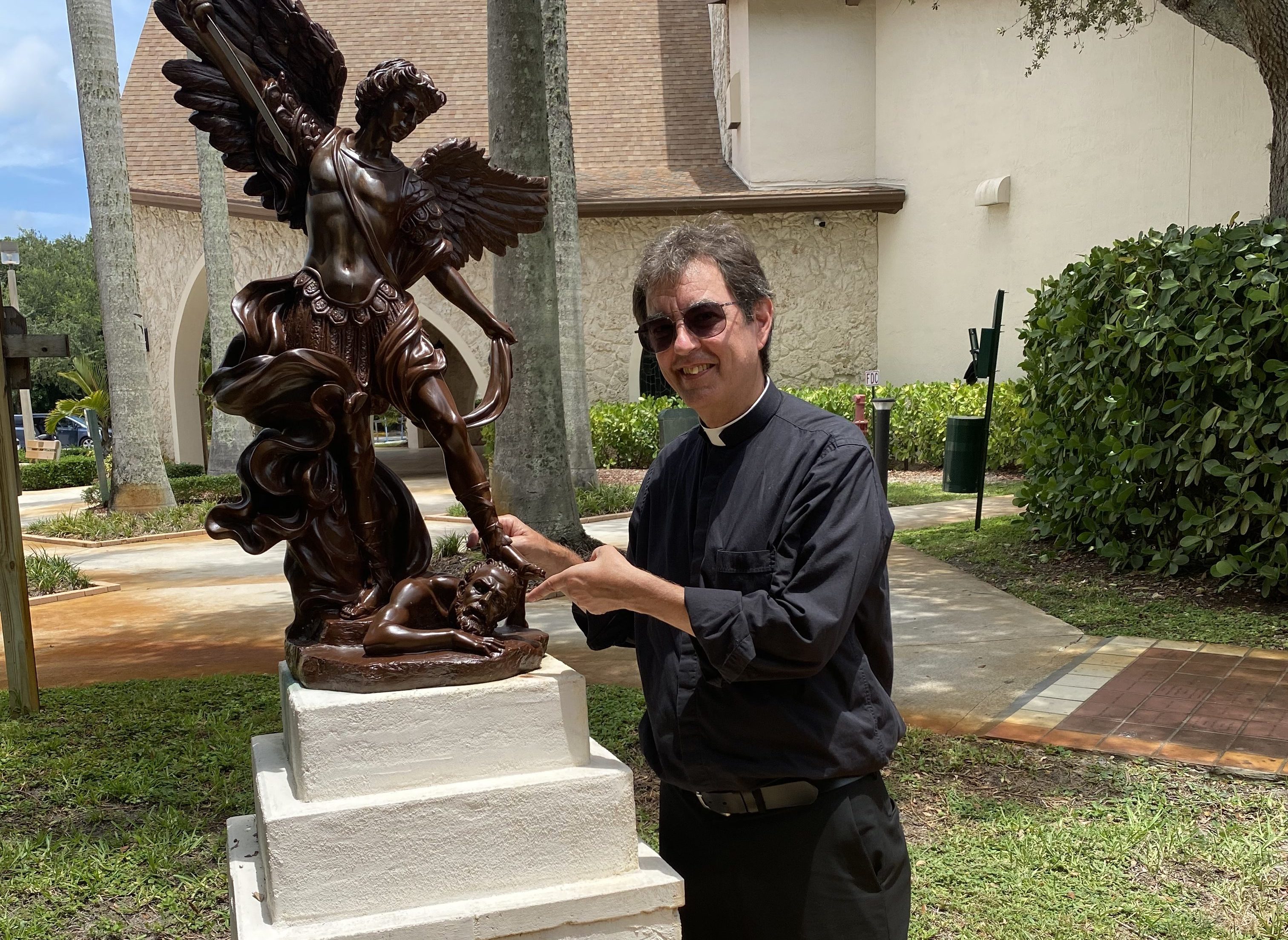
Photo: The father of lies has already lost, let us not give him any entry.
Link for the clip from the Dr. Phil Show showing the list for why we lie

