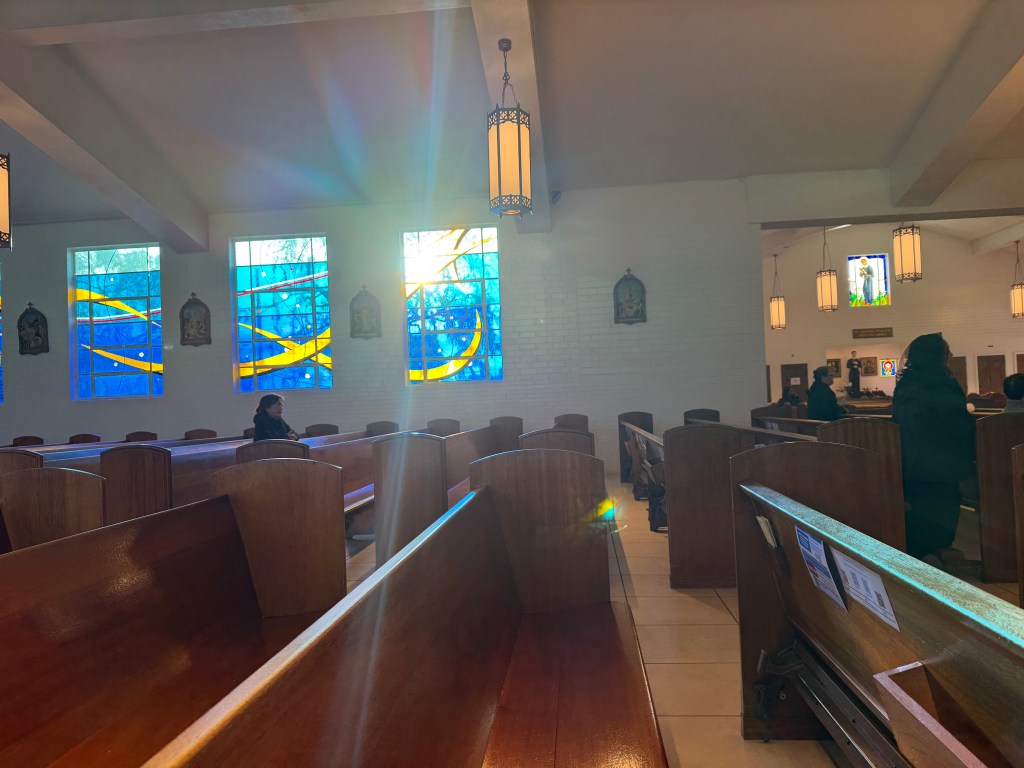
The saints reflected the light of Jesus in the darkness, we are to do the same!

“That servant who knew his master’s will but did not make preparations nor act in accord with his will shall be beaten severely” (Lk 12:47).

Jesus, as did the prophets, spoke in ways that can be jarring. The purpose was to shake his listeners out of a dull stupor and to make clear his point. In today’s Gospel passage, Jesus addressed Peter’s question: “Lord, is this parable meant for us or for everyone” (Lk 12:41)? Jesus was most likely speaking to Peter and the Twelve. They are the ones he entrusted with continuing his mission. And just as he had been clear to point out those Pharisees who had abused their positions, he was being just as clear with Peter and the apostles.

Jesus wanted to make sure that his successors were not to continue on with business as usual and going through the motions as those entrusted with the deposit of faith he had given them. What Jesus required of them was not just for themselves, but those whose care they had been entrusted with and beyond them to all the nations. His parable was for both the Twelve first and foremost, and then to their successors and all who would choose to be his followers.

Unfortunately, we have witnessed those in Church leadership who have in effect, “beat the menservants and the maidservants, to eat and drink and get drunk” (Lk 12:45) on their own power. Those who have: abused children, covered abuse, skimmed off the top of the donations from the blood, sweat, and tears of their parishioners’ donations, limited access to positions within the leadership of the Church to only male or clergy, been unmerciful confessors, held up the sin of one group or groups while turning a blind eye to others. These and other forms of hypocrisy do irreparable damage.

The world has been darkened by sin and it has crept into the Church. Even though all of us have been wounded we have not been destroyed by sin. The Son of God entered into the condition of our fallen nature, became one of us, one with us, in all things except sin. Yet he received our sin and the sin of the world upon himself, and was crushed by it on the Cross, and he died. Jesus experienced the consequences of our sin which led to his death. Because he did not sin, and was willing to give his life for us, giving us all of himself and holding nothing back, not even his life, throught the power of the Holy Spirit, he conquered sin and death.

Even when those in his name have participated in and perpetuated in that which Jesus warned his Apostles against, we are not to lose heart nor hope. I agree with Bishop Robert Barron that we are called out of “the realm of hatred, racism, sexism, violence, oppression, imperialism, what Augustine termed the libido dominandi (the lust to dominate).”

We are called out of darkness to be children of the light. We do so by following Mary’s directive to do whatever Jesus tells us to do and reject anything that is not of his love. This is just what the saints have done. They were purified in the crucible of the love of the Holy Spirit and became a radiating light in the darkness. They reflected the light of Jesus in their time and place. We will be like them when we are willing to, in the words of St. John Paul II, “be taken over by the light of Christ, and spread that light wherever” we “are.”


Photo: Reflecting the light of Jesus in the darkness as the moon reflects the sun is our call.

Barron, Robert. Catholicism: A Journey to the Heart of the Faith. NY: Image, 2014

Link for the Mass readings for Wednesday, October 22, 2025

“Peace be with you all!”

Why so much violence? So many countries are and have been consistently embroiled by the ravages of war. Many countries, including our own, were founded on the taking of lands by force and oppression of aboriginal peoples. Too many of our youth and citizens die from gun violence and mass murders. So many examples of road rage, domestic abuse, human trafficking, terrorism – foreign and domestic, and the myriad of random acts of violence that continue daily.

We may hear goodwill speeches shared after each atrocity, participate in the petitions and intercessions ringing from our ambos and pulpits in our places of worship, and pray personally and in prayer groups, participate and/or witness demonstrations, marches, and votes for change. All the while, there are those working in the trenches of communities throughout the world, putting their own lives at risk, matching their words and prayers with their deeds. And yet, do any of these efforts make a difference?

There is a constant temptation of cynicism and despair biting at our heels, but let us never give in. There is a light the shines in the darkness of our fallen world, and there is hope that we can pray with and rest in from  Jesus’ Gospel from John: “Peace I leave with you; my peace I give to you” (Jn 14:27).

This peace that Jesus promises to leave with his apostles is a peace that is not of this world, a peace that surpasses all understanding (cf. Philippians 4:7), and this peace has been and continues to be offered to us as a gift. Many have indeed said, “If there is a God, well then, why doesn’t he do anything?” He did and he has. God sent his Son the King of kings and the Prince of Peace. The peace that God shares through his Son and the love of the Holy Spirit is offered to one person at a time. This is why when Jesus resurrected he only appeared to those he chose and not the whole world.

Jesus is to be encountered and his relationship is built one person at a time in each generation. Each of us have the invitation to accept or reject his invitation to believe in him, but so much more. Jesus invites us to be his disciples. Learning from and putting into practice his teachings, as did the original apostles and saints who in each generation have done just that, is the way we are to follow. We do this best when we surrender our minds and hearts and the very depths of our souls to the love and peace that Jesus offers and teaches.

Pope Leo XIV chose to do continue to offer our war worn and weary world Jesus’ peace with his first words as Pope: “Peace be with you all!” This “is the peace of the risen Christ. A peace that is unarmed and disarming, humble and persevering. A peace that comes from God, the God who loves us all, unconditionally.”

This peace of God that the risen Jesus offers is not some abstract formula and the command to love is not some pie in the sky universal love for all. The teachings and acts of peace and love that Jesus shares throughout the Gospels are very concrete, individual, and personal. Jesus interacts with people as people, not as numbers. He engages and directs us to do the same, by encountering, accompanying, and loving a person. The real question is not why isn’t God doing anything? The real question is why have we left the gift of God’s peace offered to us unwrapped?

If we want peace in our world or even our corner of the world, our hearts and minds must be open to receive God’s love. We must be still and receive, savor, and embrace the love he wants for give and then share with others what we have received and as he directs us to give. To receive and embrace the peace of Jesus, we must be willing to let go of our own weapons of hate, prejudice, cynicism, racism, division, selfishness, and the like. God created us as beings who are interconnected, which means that what one does affects all, for the sun rises and sets on the good and the bad alike.

If we want peace, as I believe all of us really do, we need to be more aware of and choose more intentionally our thoughts, words, actions, and even the expressions of our faces. The thoughts that we feed are the ones that bear fruit in our words and deeds. Figuratively and literally, we need to be willing to “beat our swords into plowshares and our spears into pruning hooks” (cf. Isaiah 2:4).

This verse becomes real in our lives when we choose to resist the temptation to react and choose instead to seek the guidance of the Holy Spirit. In the concrete, we can choose to disagree with someone without being  disagreeable or disrespectful. When we make a mistake and resist beating ourselves up over the process and instead learn from our misstep, and begin again. We also do so when we are willing to seek and offer forgiveness, acknowledge we need to be healed, are willing to be more patient and understanding and we can do none of these alone. We need a Savior, to heal us, save us, and lead us from our own darkness into his light.

Can we really bring about world peace? In some abstract form, for all people, for all time, no. What we can do is make a daily commitment to spending time with Jesus to receive his love, study, pray, meditate with and learn from him. Then we can begin to put into practice what we have learned and received. We can share the love and peace of Jesus with each other one person at a time.

—————————————————————

Photo: Pope Leo XVI’s first appearance praying for the Church and the world that we may receive and share the peace of the risen Christ. Credit: Dylan Martinez from Reuters 

Quotes of Pope Leo from full Urbi et Orbi message.

Link for the Mass readings for Tuesday, May 20, 2025

ICTHYS!

In today’s gospel account, chosen because of the feast of St Paul’s conversion, we read:

Jesus appeared to the Eleven and said to them: “Go into the whole world and proclaim the Gospel to every creature” (Mk 16:15).

The Eleven, and Paul who would encounter Jesus after his Resurrection (cf. Acts 9:1-9), are commissioned with carrying the Gospel to the whole world. What did they preach? How are we do follow in their footsteps?

The earliest kerygmas, Greek for “to preach”, and in this case to preach the Gospel, were very simple but effective mnemonic devices. Each disciple was taught what was needed to be covered in sharing the Good News. One such “blueprint” was the symbol of the fish. In Greek, fish is written as ichthus. Each of the characters of ichthys represented the keywords that needed to be covered as follows:

Iésous – Jesus
Christos – Messiah or Anointed One
Theos – God
Hyíos – Son
Soter – Savior.

Jesus Christ is the Son of God our Savior.

The dynamic truth of these five words is profoundly transformative if we truly believe them. What we need to ask ourselves is, do we believe this statement to be true? If we do, how can we stop ourselves from smiling, from dancing, from sharing that Jesus is truly who he said he is!

Jesus is fully God and fully man and he became one of us so that we can become one with him. Through the Son of God’s Incarnation, Passion, Resurrection, and Ascension, we are called, as were the first disciples, to share in the divinity of Jesus. We become deified, meaning we participate in the life of God through our participation in the life of Jesus. The foundation of our faith has to do with our encounter with Jesus the Christ.

Jesus invites us and encounters us in our own unique way. No one can save another. We can only propose, invite, and present the Good News that Jesus Christ is the Son of God our Savior, and share our own experiences of this reality. Our encounter with Jesus does not need to be as brilliant as happened with Paul. More often, Jesus invites us in more quiet and subtle ways. We are to share the Gospel with joy and accompany each other on our journey by providing support, encouragement, and guidance, and let God be who he is and work through us as he will.

The Apostles and Paul, Mary the Mother of God, Mary Magdalene and the many who have continued to answer yes to his invitation through the ages up until and including our day were willing to be shaped and conformed by the love of Jesus and sent on mission. Each of us, have a part to play in salvation history, and so are invited to have our own unique experience of Jesus. As Bishop Robert Barron says often, “Our faith will grow as we give it away.” We too are called. When we say, “yes” to Jesus, we too will be shaped, conformed, and sent on mission to proclaim the Gospel, to give our faith away!
——————————————-
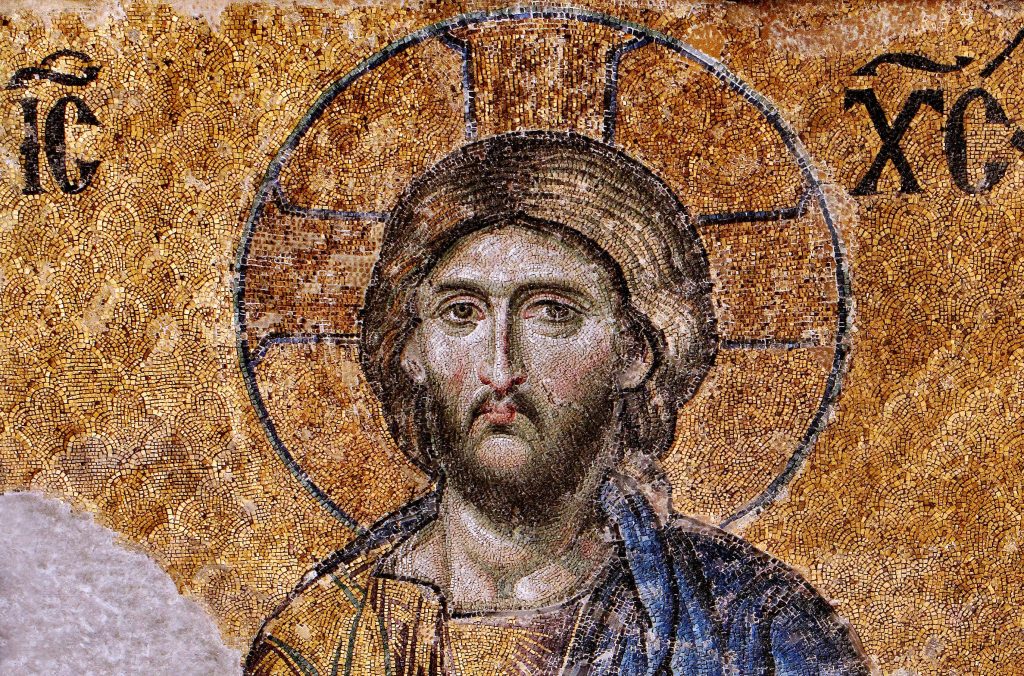
Picture: The mosaic of Jesus Christ the Pantocrator, Ruler of the Universe, at Hagia Sophia, in Istanbul, Turkey. What does he ask of you today?

Link for the Mass readings for Saturday, January 25, 2025

“Come and you will see.”

After hearing John the Baptist point out Jesus as the Lamb of God, Andrew and another disciple of John seem to understand the meaning of what John means. The two follow Jesus as he walks by them. Jesus senses they are behind him. He stops, faces them, and asks, “What are you looking for?”

Their response to the question, “Rabbi” (which translated means Teacher) “where are you staying?” (Jn 1:38), is odd. Unless we understand that, in fact, the two disciples of John did not grasp the full relevance of John calling Jesus the Lamb of God after all. They related to Jesus, from the context of what they knew, their default position. They were approaching his as a rabbi, a teacher. Most rabbis of the time would have a place where they would gather their disciples and teach them. Another thought is that they did not want to come right out and say, “Jesus, are you the Messiah?”, there was some doubt, so they went with addressing him as rabbi.

Jesus said: “Come and you will see” (Jn 1:39). Andrew and the disciple then spent the day with Jesus and that made all the difference. If Andrew had any doubt before, it was now gone. We do not know what he experienced with Jesus in their time together, but the first thing that Andrew does is go and tell Simon, his brother, that he had found the Messiah, the Anointed, the Christ! There was no hesitation. He wanted to share what he had seen and experienced. Most likely as we hear time and again in the Gospels, Andrew witnessed some or all of these examples: the blind saw, the deaf heard, the lame walked, the possessed were exorcised, sins were forgiven, and Jesus taught with authority.

May we place ourselves in this scene of the Gospel today and follow the finger of John the Baptist who points over to this man walking ahead of us at a pretty good clip. As we turn to follow, the brightness of the morning sun catches our eyes. We squint, look down, and lose him for a moment, but take a few steps to keep pace. We hear the crunch of the stone and sand under our sandals and as we look up again to see how far ahead of us Jesus is, and then we notice he is standing still only a few feet away. He is smiling, his eyes are inviting as is his question: “What are you looking for” (Jn 1:38).

Stay with the scene. How do you answer, and what happens next? Allow your imagination and senses to come alive. Place your self in this moment with Jesus. Be aware of any emotions or thoughts that arise. This is not just a mind game. Jesus experienced this scene himself in full and living color. He was there, and when we meditate on Scripture, we pray with the words we read, and ask the Holy Spirit to guide us, we can enter into the memory of Jesus. If we are willing to come and see, as Andrew and the other disciple were, Jesus will lead us as well. Allow yourself some time with Jesus today as Andrew did and let God happen.

————————————————————————————-

Photo: Let us be willing to follow Jesus, the way, the truth, and the life. Photo accessed online from housemixblog.com

Link for the Mass readings for Saturday, January 4, 2024

“Who and whose are we?”

“Who are you” (Jn 1:19)? John did not claim or pretend to be something that he was not. He was clear who he was, he was clear of his place in serving God, and he was clear about the mission God gave him. He was preparing the way of the Lord. John shared that “there is one among you whom you do not recognize, the one who is coming after me, whose sandal strap I am not worthy to untie” (Jn 1:26-27).

The question also arose about who Jesus was. It was not only a question during his lifetime, but this query was also addressed during the early development of the Church’s Christology and still arises today. The readings of the Christmas Season, that we are still celebrating liturgically, in fact, all four Gospels, address the question of who Jesus is. In fact, the entirety of the Bible from Genesis to Revelation answers this question!

The majority of the heresies that arose in the Church surrounded this question as well. From the Annunciation, we recognize that at his conception in the womb of Mary Jesus remained fully God and became fully human. He did not become the Christ at his baptism as the heresy of Adoptionism would propose. Nor was Jesus a powerful created being as the priest Arius would suggest in the third century. We counter the heresy of Arianism every Sunday when we recite in the Nicene Creed: “God from God, Light from Light, true God from true God, begotten not made, consubstantial with the Father; through him, all things were made.”

Arianism taught that Jesus was a created being, the highest of beings made by God, but created none the less. The Church teaches that Jesus is begotten not made. He was, is, and always will be God, the Second Person of the Trinity. He is God the Son consubstantial, homoousios, which means of one and the same substance with God the Father. The Father and the Son are one in substance, yet distinct in their operation. The Father begets, the Son is begotten.

Adoptionism and Arianism are but two of the various early heresies that arose, of which Arianism gained more of a following. Arianism still rears its head today in practice as it did then because of the unwillingness of those who will not acknowledge that the divine could become human. This goes back to our starting question that was asked about John. “Who are you?”

A good question to answer for us ourselves. We are human beings created in the image and likeness of God, even though our likeness has been dimmed by sin. We are physical beings with a rational soul, we are invited to embrace the reality that we are human and through our participation in the life of Jesus, beginning with our baptism, we are adopted daughters and sons of God. Do we reject our humanity, our created status, trying to determine our own destiny on our own terms, to put ourselves in the place of God, or are we like John the Baptist, and acknowledge the gift of who we are and the mission God invites us to participate in?

As we continue to celebrate this Christmas Season and the new year that has just begun, may we embrace that each and everyone of us is a unique person, never created before nor will we ever be again, with a particular vocation and part to play in building up of the reign of God. We will come to know our purpose and begin to restore our likeness, as we follow the lead of Mary who made time to ponder and align her human will with the divine will of God.

As we collaborate with Jesus in all the decisions we make, the smallest to the biggest, let us pray for a heart, mind, and soul that is open to following the love of the Holy Spirit so that we can know who we are, whose we are, the mission that the Father has given us, and begin to live it each day. We restore our likeness to God by becoming holy and striving to be saints. 

——————————————————————————————-

Photo: Spending some quiet time with God is a good way to begin the year, begin and end each day, and to know who we are and that we are loved more than we can imagine.

Link for today’s Mass readings for Thursday, January 2, 2025

May God’s word enkindle a flame in our hearts and transform us.

Jesus said to his disciples: “I have come to set the earth on fire, and how I wish it were already blazing” (Lk 12:49)!
What has been burned does not remain the same. What fire touches, it transforms. Jesus wants us to be consumed so as to be transformed by the fire of the Holy Spirit. Encountering Jesus affects a change in us. When we are open to allow the Holy Spirit to breathe on the embers in the depths of our souls they are fanned like tinder and ignite. We continue to fuel the fire by getting in touch with what God has called us to do in our place and in our time.
We are not to be a Christian in name alone but in thought, word, and deed. Pope Francis, in his exhortation The Joy of the Gospel, wrote: “THE JOY OF THE GOSPEL fills the hearts and lives of all who encounter Jesus. Those who accept this offer of salvation are set free from sin, sorrow, inner emptiness, and loneliness” (Francis 2013, 9). Joy is a gift, a holy flame, that is given to us by the Holy Spirit, it wells up within, and rises up and out to be shared with others. It is different than pleasure which has its source in the stimulation of the senses being aroused but fades once the external stimulus has ended.
Happiness is also external and fleeting. It lasts longer than pleasure in that the memory of the experience will linger on but it too will also fade away. Joy wells up from within, as it is imparted to us by God and can be present even when the external experiences are stressful or chaotic. I experienced this when I was still teaching 5th and 6th Grade Religion and acting as the dean of students at Rosarian Academy. At the same time, I was also immersed in family and parish life, as well as my studies and formation activities for the permanent diaconate.
One particular morning I woke up exhausted. When the alarm went off my first response was to skip my morning prayer and hit the snooze button to get an extra twenty minutes before rising. Instead, I literally crawled to my small chapel area, lit the candles, and opened my breviary. When I read the words in Psalm 42: “Hope in God; I will praise him still, my savior and my God”, something ignited within. I felt an energy well up within me that I cannot to this day describe. I felt an inexpressible joy. Not only did the experience carry me into the day but lasted throughout the whole week.
God is the foundation of our lives and seeks to transform us with the fire of his love, and even when we are at our lowest, such that in our soul there are only smoldering embers, we need to resist the temptations of indifference and complacency and remember to turn to Jesus. Instead of brooding over what we don’t have, we will encounter him when we are thankful for that which he has given to us and for those he has placed in our lives. We will experience him in his Word, in prayer and worship, and in serving one another. We need to keep showing up, even if sometimes we have to crawl to get there, and allow God to fan the embers within our soul to set us ablaze.
This flame St. Paul experienced and shared in today’s first reading from his letter to the Church in Ephesus and he invites us to experience this gift of grace as well. May we, “know the love of Christ that surpasses knowledge, so that [we] may be filled with all the fullness of God” (Ephesians 3:19). To know the love of Jesus is more than knowing about him. We don’t read and study the Bible as we study a history text, but to experience the love of the Holy Spirit bringing alive the word into our hearts. In meditating, pondering, and praying with Sacred Scripture, we experience, breathe, rest, and receive his love and so become filled with the fullness of God.
Nothing else in this world can satisfy us as much as experiencing and being transformed by the love of God! When we seek God first, we resist the temptation of being attached to finite things. When we trust Jesus and align our will with his, we know him and experience his love for us and then our relationships and possessions are properly ordered. Knowing his love we can then experience fullness of his Father, we will no longer seek substitutes to place before God. We will experience fulfillment and better enjoy our relationships and those goods in our lives that God has blessed us with.

Photo: Rosary walk at sunset on Veteran’s Memorial Island, Vero Beach. Great way to ponder and mediate upon the mysteries of Jesus and his life.
Pope Francis. Evangelii Gaudium: The Joy of the Gospel. Frederick, MD: The Word Among Us Press, 2013.
Link for the Mass readings for Thursday, October 24, 2024

We have been made for more.

James, from our second reading today, asks a question that unfortunately needs to be asked in every generation.

Where do the wars and where do the conflicts among you come from?

James gives us a place to start:

Beloved: Where jealousy and selfish ambition exist, there is disorder and every foul practice.

Conflict and division come from the disordering of our thoughts, desires, passions, words, and actions. There is something a bit off kilter with us. This disorder or dis-orientation is caused when we choose our self over God. Turning in upon ourselves, saying we are the center of the universe and all is to revolve around us comes from the condition of Original Sin which weakens and wounds our human nature. This condition is made worse by the belief that we can save ourselves.

We seek the truth, to be happy, and to be fulfilled but we follow false promises, substitutes, and apparent goods that appeal to our egotism, our pride, and our fear. St Thomas Aquinas, the thirteenth century Dominican doctor of the Church, categorizes four substitutes or temptations that lead us astray from our proper orientation to God:

Pleasure, Wealth, Power and Honor

In and of themselves there is nothing wrong with any of these, but when we make any or all of them into an idol, our primary focus, when we pursue them to provide our stability, satisfaction and fulfillment, we will be led astray.

Pleasure feels good and it brings us instant gratification. The problem is that once the external agent or stimulus of the pleasure ends, so does the experience, and it leaves us empty and wanting more.

Wealth promises us that if we just have enough money, we can get whatever we want, do whatever we want, we believe that we can also be safe and secure. But again, we will still experience that deep hunger within us that cannot be fed by that which is finite or material.

Power offers the promise of access, of controlling the unpredictability of life’s challenges, yet, as the Catholic historian and moralist, Lord Acton, wrote: “Power tends to corrupt and absolute power corrupts absolutely.”

Honor, closely linked with power, we see played out in our present day through the cult of celebrity that is sown into the very fabric of our society. So many seek their fifteen minutes of fame, too many not caring how they can get it.

We witness the Apostles in today’s Gospel, the closest to Jesus and his teaching, falling for the temptations of power and honor as they argue among themselves who is to be the greatest among them. The deeper sadness of their debate is that they are engaged in it just after Jesus has explained to them that he will be handed over and killed. The Apostles are so ensnared in the hierarchical structure of the society of their time that they fail to have the empathy and compassion to be present to Jesus as he shares with them his horrific fate.

We witness time and again, from the ancient times to today, the effects of Original Sin. The English convert to Catholicism, GK Chesterton, wrote that, “original sin… is the only part of Christian theology which can really be proved” (Orthodoxy). We can see it in the streets, we in the news, as well as looking back at us in the mirror, for we too fall into indifference, lack of empathy, and resist slowing down enough to be present and accompany others.

We perpetuate the condition of Original Sin when we choose to put ourselves in the center where God belongs. We must resist its lure and acknowledge that we cannot save ourselves, we cannot find happiness, security, joy and/or fulfillment in any finite or material pursuit. While at the same time, we can also acknowledge that even though Original Sin is real, even though we have been wounded and battered by its effects, we have not been overcome, we are not totally corrupt or destroyed by it.

We have been created good by God, and the embers of that goodness remain in each and every one of us. Even if the embers are only a smolder, they are just awaiting to be stoked and set ablaze. God has created us as a living, craving, hunger and desire to be one with God and each other and this is true for the atheist and the mystic alike.

The antidote to the poison of Original Sin is Jesus the Christ. He, the Son of God, the Second Person of the Holy Trinity, became one with us in our humanity so that we can become one with him in his divinity. In our Baptism, we are cleansed from this condition of Original Sin and are indelibly marked, we are conformed to the very being of Jesus. We become part of his Body.

Yet, while freed from the bondage of Original Sin by our Baptism, we are still tempted to return to the place of our slavery, like the Hebrew slaves yearning for Egypt, like Lot’s wife looking back to Sodom and Gomorrah. We need to keep our eyes focused on looking ahead, to that which is above. Jesus shares with his Apostles in today’s Gospel that we are to turn the pursuit of pleasure, wealth, power, and honor on its head when he states that: “If anyone wishes to be first, he shall be the last of all and the servant of all.” Only a relationship with God will bring us happiness and fulfillment.

We begin our path of walking as disciples by becoming like the small child that Jesus brought into their midst. The child in ancient Palestine was nothing. He had no status, no significance, no wealth, power, or honor. Each child was completely dependent on their parents. This is to be our starting point in being a disciple. We need to reject the notion outright that we can heal ourselves and admit that we need Jesus to restore us to our relationship with our Father and place our sole dependence in him for everything. God, not self, is to be our end goal.

As James wrote, “the wisdom from above is first of all pure, then peaceable, gentle, compliant, full of mercy and good fruits, without inconstancy or insincerity. And the fruit of righteousness is sown in peace for those who cultivate peace.”

May we receive and live by this wisdom from God and accompany one another as we seek to deepen our journey with Jesus. May we be willing to serve, to give of our time, talent and treasure to build up God’s Kingdom here on earth. May we be willing to seek out and invite others to share in our journey, so that we can feel support and encouragement and realize that we do not have to walk alone. May we be open to pray to the one who created us, read the Bible and ponder on the living word of God, and experience the lives of those who have walked before us in their encounters with God, and read the lives of the saints, those who are now where we seek to one day be! May we participate regularly in the sacraments, our deepest encounters with Jesus this side of heaven.

We are one Body in Christ. All of us seek happiness, fulfillment, and meaning in our lives, to belong and to be a part of something greater than ourselves. This is who God has created us to be. St Augustine realized this when he wrote: “You have made us for yourself, O God, and we are restless until we rest in you.” It is never too late to come to realize that God loves us more than we can ever mess up and more than we can ever imagine. God is our hope, our ultimate goal, and the answer to our deepest desire.

Let us renounce all jealousy, fear, pride, and selfish ambition, and instead surrender our hearts, minds and souls to Jesus in our time of meditation, prayer, service, in his very real presence in the Eucharist celebrated today at Mass, so to be forgiven, healed, renewed, reconnected, and in so doing, find the fulfillment we have been created for.

Once we receive and experience God’s unconditional love, may the embers of our soul ignite with the flame of his love such that we can recognize and distinguish between the voice and enticement of the enemy who seeks to destroy us and the voice of the Good Shepherd who seeks to give us life and life to the full. For in experiencing the life of Jesus, we experience the infinite we have been created for.


Photo: Sometimes taking the time to get outside and look up and beyond helps us to get in touch with the reality that we are physical as well as spiritual beings, not either/or but both/and.

Link for the Mass readings for Sunday, September 22, 2024
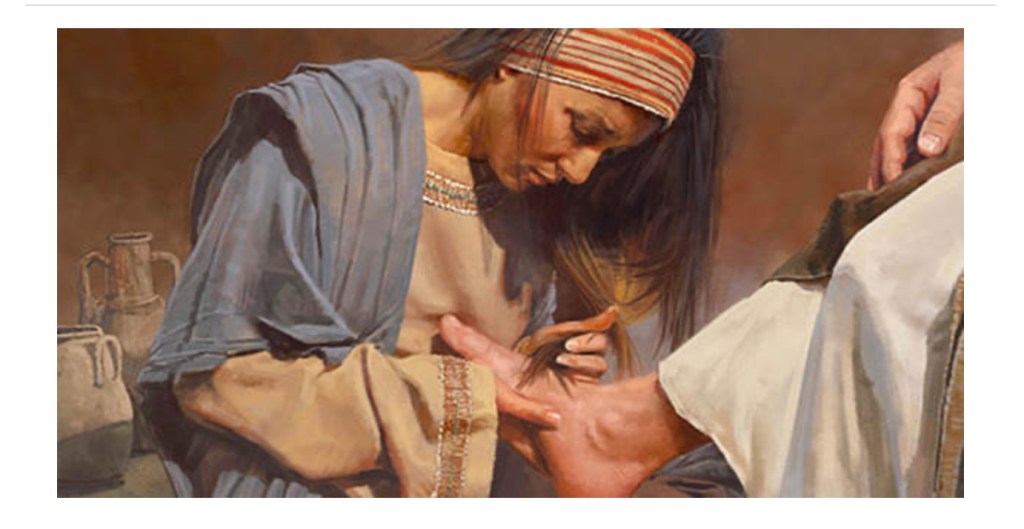
Loving our enemy is possible if we are willing to love each other as God loves us.

Jesus said to his disciples: “To you who hear I say, love your enemies, do good to those who hate you, bless those who curse you, pray for those who mistreat you” (Luke 6:27-28).

Certainly, this is as hard of a teaching as any of us have ever heard, yet this is the path to peace. Peace that is not just an absence of violence but a peace that is grounded in mutual respect, unity, and dignity of the human person. There are not enough examples or models in our present day and age for us to see this Gospel being put into practice. There is a consistent engagement in rhetoric, language, and outright hostility that promotes dehumanization, division, contempt, hatred, and vileness. These voices are not only on the rise in our secular and political discourse but also have become a growing din within the Church as well.

Nor do I believe in the temptation of the pendulum swing that would threaten to counter and go the other way, where what we think and say has the substance of milk toast, meaning, that we are so careful not to offend that we don’t share our ideas or what we truly believe to avoid conflict. Staying away from hot button issues and the taboos of talking religion and politics is not a way to bring about peaceful coexistence nor solve important issues either.

Neither an overly aggressive nor a bland tolerance of engagement is what Jesus is presenting in today’s Gospel. Jesus is inviting us to proclaim what we think and believe but in our interactions with one another, the primary starting point is respecting the dignity of the other person. We can dialogue and disagree without it devolving into disparaging, demeaning, belittling attacks, and shouting at and over people. We can agree to disagree, while still stating clearly what we believe, even boldly and passionately, while at the same time being willing to listen and allow others do the same. In this way, we each can be heard, we can exchange ideas, and quite possibly learn and grow from our encounter with one another, and work together for the common good.

We need to learn again that it is truly possible to engage in a constructive argument. We begin to do so when we are willing to recognize our interconnectedness and our common dignity. We can love our “enemy” by choosing no longer to make another person into a monster.

Jesus offers a different way in today’s Gospel, a hard teaching and difficult one to follow. In inviting us to love our enemy, Jesus is calling us to love one another as he loves each and every one of us, without condition. Love is no mere emotion or sentiment but an intent to will the good of each other, even and especially when there is some attribute(s) that we do not like about a person.

If we want to see a change in our divisive and polarized time, we need to be willing to resist dismissing the other person as our starting point, we need to resist labeling them as other. We are asked to encounter one another, one person at a time, to sit down, talk, and listen, and love one another. We can each share what we believe openly and honestly, without watering down what we believe while allowing another to do the same.

Easy, no; possible, yes; more so when we are willing to allow God to open our hearts and minds to see each other as he sees us: as his beloved children.

——————

Photo: Peace can bloom if we are willing to be transformed by God’s love. Saw this flower with leaves shaped as hearts a last week on my Rosary walk.

Link for the Mass readings for Thursday, September 12, 2024

Jesus is calling and sending us as he did his Apostles.

“I was no prophet, nor have I belonged to a company of prophets; I was a shepherd and dresser of sycamores. The Lord took me from following the flock, and said to me, Go, prophesy to my people Israel” (Amos 7:14-15).

Amos is pushing back against Amaziah, the priest of Bethel, who told him to no longer preach in Israel. He was saying basically, if you want to preach, go back to where you came from, to Judah and preach to your people there. Amos wasn’t going anywhere. He was not there for profit nor did come through the company or guild of prophets or was he the son of a prophet. This was no profession for him, he came to Israel to share God’s message of repentance because God sent him to do so.

The Gospel message from Mark shows Jesus doing the same. He, the Son of God, who was sent by his Father, was now sending the Twelve who he had called and taught. They too, like Amos, were to rely solely on the providence of God, to trust him to give them what they needed for their ministry of going out, to evangelize; to share the good and what may be for some, the bad news.

They were to share the goodness of God the Father’s mercy, grace, forgiveness and love, while at the same time challenge the people to reform and change their lives, to repent from that which they were doing that was going against God’s will. The beauty of this both/and is outlined in Psalm 85: “Kindness and truth shall meet; justice and peace shall kiss. Truth shall spring out of the earth, and justice shall look down from heaven” (Psalm 85:11-12).

Too many times we can fall into an overemphasis on one or the other creating an either/or. A heavy-handed emphasis on justice and forgetting the tender compassion of mercy, or an overemphasis on mercy at the expense of justice. Jesus is the incarnate expression of the balance of both justice and mercy as presented in Psalm 85.

St. Paul outlines the richness of this balance in Jesus to the Church at Ephesus. For he writes, it is in Christ that we receive our blessing, in him: we receive our redemption and are forgiven, we hear the truth of his will, and we are chosen by God in Christ – before time began! We have been chosen to be holy, set apart by God for a unique purpose. We can reject or accept this offer for God loves us so much that he is willing to risk our, “No.”

Amos seemed to be saying to Amaziah that he was quite satisfied being “a shepherd and dresser of sycamores.” Yet, he assented to God’s call and went north. I understand. I was content in my teaching position and contemplating an earlier retirement, but when I asked God what he wanted me to do, he had another idea. I, like Amos, said, “Yes.”

The Apostles said, “Yes” as well and Jesus sent them out two by two. He was sending them out of their comfort zones and without the security of the material support. He was not sending them out unprepared, even though they were not to taking anything on their journey but the tunic they wore, their sandals, and a walking stick. Jesus sent them out with his authority and the commission, to preach repentance, cast out demons, anoint and cure the sick.

They were to trust and completely depend on God’s mercy and providence as they went out to evangelize. To evangelize, Jesus did not mean to advertise and convince. They were sent to share the Gospel and not worry about whether it was to be accepted or rejected. If accepted, they would stay with those who were hospitable and not leave if a better offer of lodging came along. If they were rejected, they were to “shake the dust off their feet.” They would move on. As St. Mother Teresa likewise taught her sisters, they were not sent by Jesus to be successful, they were sent to be faithful to what Jesus was sending them to say and do.

Jesus is calling us as well to repentance, so we can receive more of God’s love, be drawn closer into relationship with him, so that we can know and fulfill our own unique role in his plan of salvation history. This is a call that will stretch us beyond our comfort zones, it is a call to let go of the security in anything material and to rely and depend instead upon God first and foremost. We will face rejection and ridicule or worse, and yet, we will experience fulfillment, meaning, joy, and a love beyond anything we can ever imagine. Each day is a new opportunity to say yes to the invitation Jesus shares with us and he will provide what we need to follow him as we walk upon the path of our journey of discipleship one step at a time.


Photo: Spending some time with Jesus and the Apostles during my holy hour in our adoration chapel yesterday afternoon before celebrating the 4:30 Mass at Holy Cross Catholic Church, Vero Beach.

Link for the Mass readings for Sunday, July 14, 2024

“Go, and announce the Gospel of the Lord.”

Jesus appeared to the Eleven and said to them: “Go into the whole world and proclaim the Gospel to every creature” (Mk 16:15). Jesus is once again claiming who he is: Kyrios – Lord. The word, gospel, comes from the Greek word, euangelion, meaning good news, but the one who proclaimed “good news” during the time of Jesus was the emperor. Caesar would send his emissaries to announce such good news as a great victory or his birthday. What Mark conveys in the very first line and here at the ending of his Gospel, is that Jesus is Lord! Not Kaiser Kyrios, Caesar is Lord, but Jesus Kyrios, Jesus is Lord!!!

We receive Jesus our Lord in an intimate way in the Eucharist. We receive his Body and Blood. We are loved and transformed by him each time we receive him and so when we are dismissed from Mass, one of the dismissal lines I use most often is, “Go and announce the Gospel of the Lord.” This is to echo the command of Jesus for all of us to proclaim the Gospel in our everyday experiences and encounters.

We proclaim the Gospel first and foremost by believing that Jesus is the Christ, the Son of God, our Savior and Lord. He has risen! He has risen indeed! He is the firstborn of the new creation. This is something to get excited about, something to fill us with joy. We are an Alleluia People, not a Grumpy Gus people. Once we remind ourselves what we believe, who we believe in, and whose we belong to, then we are better prepared to engage with others.

The most powerful witness we can offer is when we seek opportunities to act, speak about and engage others with respect, caring, and joy. When we catch the eye of another offer a smile. We can also say hello, a nod of our head, or offer a wave, fist bump, high five, or a hug. We also need to be aware of other’s boundaries and respect their space at the same time. If someone is not open, we need to respect their posture, and meet them where they are.

Reaching out to others to acknowledge their dignity and value is the simplest, yet most profound way to spread the Gospel, which really means to share the love of Jesus by willing their good. We are to accept and accompany others as Jesus does with the purpose of building relationships. We are more inviting when we are willing to be patient, gracious, and willing to listen and hear in our interactions with each person we meet and in doing so we may begin to understand each other a little better.

As we encounter others, we are to also remember the common courtesy of saying please, thank you, and I forgive you, whether in a store, restaurant, bank, convenience store, on the sidewalk, in traffic, or online. It is just as important to engage in a similar fashion with those of our family, friends, and those closest to us. Remember God gave us two ears and one mouth for a reason because it is better to listen first and speak second.

Especially now, with the world on edge and more anxious than ever, believing in Jesus, embracing his love and message, and putting into practice small actions with great love is a wonderful way to begin to “Go into the whole world and proclaim the Gospel to every creature” (Mk 16:15). I might add, “every creature” is in this statement. All of the above applies to all that God has created. We need to be better stewards and caretakers of each other as well as our planet.


Photo: Sanctuary at St. Edward Catholic Church, Palm Beach, FL.

Link for the Mass reading for Thursday, April 25, 2024