“My Lord and my God!”

Then Jesus said to Thomas, “Put your finger here and see my hands, and bring your hand and put it into my side, and do not be unbelieving, but believe.” Thomas answered and said to him, “My Lord and my God” (Jn 20:27-28)!

Thomas’ acclamation “My Lord and my God!” came from his seeing the risen Jesus and his wounds. Jesus rose from the dead, had conquered death, and yet he still bore the wounds of his Passion. This is a profound message to the Apostles, those Jesus sent to proclaim his Gospel, and for us who have been called to follow him today.

The Body of Christ continues to be wounded by the sin and division of our fallen nature that put Jesus on the Cross in the first place. Many people doubt and do not believe today in God because they question, “How can a loving God allow such suffering and pain, especially of the innocent?” A valid question as many examples may come to our minds, we can then follow with another Yet the question, “Why God? Where were you and do you care?”

God is present, God cares, though again we are limited in what we can see and understand. Also, death does not have the final answer. That is what Jesus showed Thomas in bringing him close to touch his wounded side. Jesus rose from the dead and conquered it, but the scarring of his wounds remained. Jesus calls us to draw close and to touch his wounds so we can embrace our own, those we can and cannot see. As we experience his healing, Jesus will send us, as he did Thomas and the other apostles, to touch his wounded Body again this time by entering into the pain and suffering of others where God can happen and healing can begin.

Though the temptation is strong to deny, rationalize, or flee from the conflict, challenges, hurt, and pain that we and others are experiencing, we must resist. If we don’t embrace our or another’s trials we will not come to the root cause of them. We touch the wounded Body of Christ, as Thomas did today, when we are willing to draw close, be present, and accompany those who bear his wounds, those who are vulnerable: the unborn, widows, orphans, those with chronic illness, the dying, refugees, immigrants, hungry, homeless, and those without access to clean water; those who suffer from addiction, poverty, depression, disease, oppression, prejudice, discrimination, dehumanization, racism, sexism, misogyny, unjust immigration policies, incarceration, those on death row, unemployment, underemployment, wage theft, human trafficking, domestic violence, slavery, violence, war, terrorism, and natural disasters. For what we do to the least among us, we do it to Jesus.

We can be easily overwhelmed with the suffering in our country, our world, or the personal challenges before us. Denial or indifference is not the answer. There is an act of balancing that Jesus calls us to participate in as we allow ourselves to be loved by and learn to love God, love others, and love our neighbors as ourselves. The answer is found when we are willing to encounter Jesus, grow in our relationship with him, and follow his lead.

We do not know where Thomas was when the Apostles first encountered Jesus after the Resurrection, but we do know he was not with Jesus. Apart from Jesus, we can do nothing, yet with Jesus, the one who conquered death, all things are possible! When we feel overwhelmed, helpless, or indecisive, we need to return to Jesus and acclaim with Thomas, “My Lord and my God!” and begin again with him.

Jesus is present in our midst, just as he was with Thomas and the other apostles. He invites us to be engaged in the unique way he calls us to serve today to make our corner of the world a little better. We can reach out when Jesus prompts us to enter into the chaos of another’s life, to hear their story, their experience, be present, and allow the Holy Spirit to happen in each encounter.

St. Thomas, pray for us!


Painting from Caravaggio: Incredulity of St Thomas, 1601-1602
Link for the Mass readings for Thursday, July 3, 2025

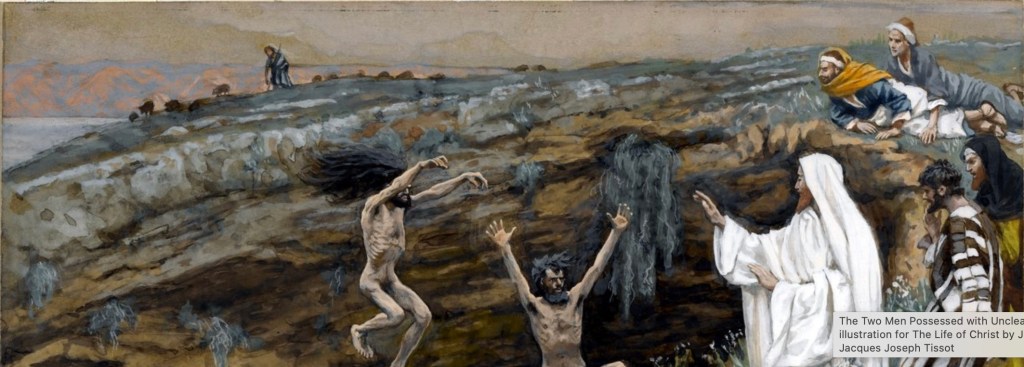
Jesus healed the two demoniacs and can heal us as well, as long as we don’t send him away.

Thereupon the whole town came out to meet Jesus, and when they saw him they begged him to leave their district (Mt 8-34).

After hearing of the healing of the demoniacs and the herd of swine rushing into the water, the townsfolk came out and begged Jesus to leave. This is also attested to in the Gospel of Mark 5:17. Luke adds that the people asked Jesus to leave because: “they were seized with great fear” (Lk 8:37). Jesus healed two demoniacs in Matthew’s account, one in the Mark and Luke accounts, and the people asked him to leave. Hearing of Jesus’ healing power to expel demons, hearing about his act of mercy and grace, would we too ask Jesus to leave?

Before answering, “No, of course not!” too quickly, how many times have our own judgements, prejudices, and self-centeredness, our own lack of understanding for the bigger picture, our own fears, been chosen over living the Gospel in our own lives? Is our life shaped by the Gospel message of Jesus? (One reason I started sharing these daily reflections on the daily Gospels, I think back in 2017, was to spend time reading the daily Mass readings, especially the Gospels, and invite others to do the same.)

Do we spend time not only reading the Bible but also pray, meditate, and wrestle with the challenge of how we are to live out some of Jesus’ teachings like: love our enemies, to be perfect as our heavenly Father is perfect, to turn the other cheek, and to answer in practical, concrete ways, “What you do to the least of these: you do it to me?” Or, if we read or listen to the Gospels at all, do we seek to adjust Jesus’ message, to conform God to our will, to fit the message to our lifestyle, what works for us? Is the radiance of Jesus’ mercy, love and grace too bright for us such that we wince, that we feel it is too much to bear, and we, as did the Gadarenes also say, “Go away!”?

If you are experiencing some slower, summer days, maybe, make some time to read, slowly, meditatively, and prayerfully, each of the accounts of the healing of the Gadarene demoniacs in Matthew’s Gospel and the one demoniac in the Mark and Luke accounts. One of the differences in the Mark and Luke accounts, presents the man who was exorcised asking to follow Jesus. Jesus said to the man: “Go home to your friends, and tell them how much the Lord has done for you, and how he has had mercy on you” (Mark 5:19).

The one who was so bound up by possession that he was out of his mind and separated from family and friends, still had some glimmer of hope that he could be healed. He ran up to and prostrated himself before Jesus, was healed, and set free. He then did as Jesus guided him to do and proclaimed what Jesus had done for him to the whole city.

After spending some time pondering these parallel passages, let us also approach Jesus. Let us bring to him that which enslaves and binds us, that which keeps us separated from God and others. Let not our fears get in the way so that we like the Gadarenes send Jesus away but instead, let us open our minds, hearts, and souls to his healing words and touch. Jesus entered unclean territory to bring healing. He exorcised the demons with only the power of his word, on his own authority. May we, as the man possessed did, also surrender to Jesus and hear his words of healing so that we too may experience his healing, mercy, love, forgiveness, and freedom and then go and share how much the Lord has done for us!


Painting: James Tissot, “The Two Men Possessed with Unclean Spirits”

To read the parallel accounts of today’s Gospel see: Mark 5:1-20, Matthew 8:28-34, Luke 8:26-39

Link for the Mass readings for Wednesday, July 2, 2025

“You may go; as you have believed let it be done for you.”

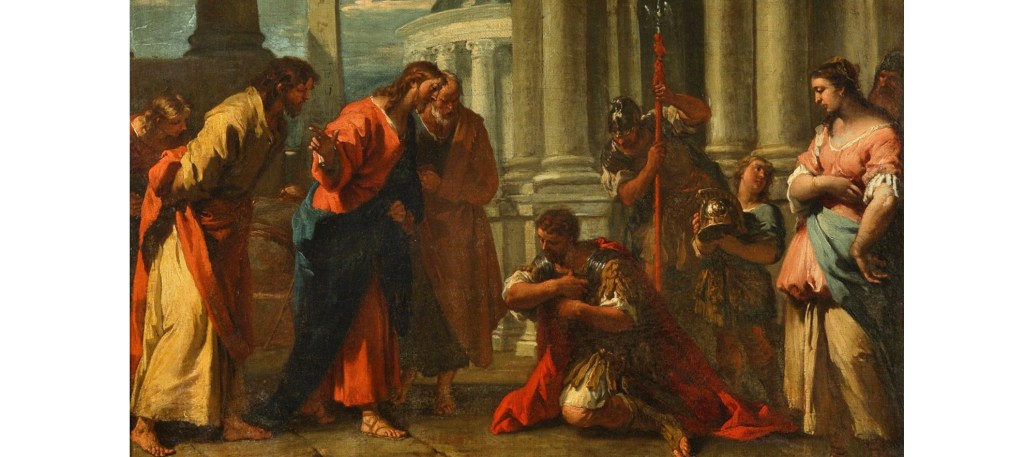
The centurion said in reply, “Lord, I am not worthy to have you enter under my roof; only say the word and my servant will be healed” (Mt 8:8).

After Jesus finishes his Sermon on the Mount, he comes down from the mountain. In the opening of chapter eight, we see two hearts open to God, a leper (who is not included in today’s reading but you can see his encounter with Jesus by reading Mt. 8:1-4.) and a centurion. The centurion may or may not have been a Roman but he certainly was a Gentile. He, a member of an occupying army, was aware of the animosity many Jews felt toward him. Yet he, like the leper, approached Jesus.

Jesus saw in the leper, not revulsion, and in the centurion, not an enemy, but first and foremost, human beings in need, two persons with faith and belief. Reading on we see that Jesus also heals the mother-in-law of Peter and many who are possessed. Jesus reached out to them with a simple touch of his hand, with his healing words and in so doing brought to each of them the healing they sought. Jesus shows us that the kingdom of his Father is open to all who have faith and believe.

Jesus said to the centurion, “You may go; as you have believed let it be done for you” (Mt. 8:13). Do we have the same belief as the leper, the centurion, and Peter’s mother-in-law? Each of them believed in Jesus and experienced healing.

We are all wounded by sin and also in need of experiencing physical, psychological, and/or spiritual healing.  Jesus is just waiting for us to ask, and to open our hearts and minds to him, so that we too may be healed and transformed by his forgiveness, love, and mercy. We, like the centurion and Peter, can approach Jesus on behalf of others who are also in need of healing. Let us resist the temptation to judge anyone as unworthy to receive the grace, love, and mercy of Jesus but be willing to see others in need and bring Jesus to them.

As God brings people into our lives, let us receive them as Jesus did: as fellow human beings, first and foremost, created in his image and likeness. May we be healed from any revulsion, prejudice, or temptation to define others with labels and instead be willing to allow Jesus to reach out through us to share his healing word or extend his healing touch to one another. Let us believe in Jesus, be healed and help to heal others!


Painting: Sebastiano Ricci, “Christ and Centurion”, 16th century, Italy

Link for the Mass readings for Saturday, June 28, 2025

“Remove the wooden beam from your eye first”!

For many of us, judging one another is almost as automatic as breathing. As we encounter someone we have instant internal judgments. We judge looks, clothes, actions, inactions, homes, cars, and material items. We judge our family, spouses, friends, colleagues, classmates, leaders, enemies, celebrities, as well as those we consider different as well as those we determine to keep at arm’s length. Much of what gets our attention is what Jesus is addressing in today’s Gospel, negative judgments.

Jesus said to his disciples: “How can you say to your brother, ‘Let me remove that splinter from your eye,’ while the wooden beam is in your eye? You hypocrite, remove the wooden beam from your eye first; then you will see clearly to remove the splinter from your brother’s eye” (Mt 7:4-5).

There are positive judgments that bring about effective change for the good. In a court case, our hope is that the judge is learned in the law and guides the lawyers and jury in ways of sound judgment such that justice with mercy is served. For us to do likewise in our everyday interactions with one another, Jesus shares that we need to remove the wooden beam from our eye first before we are able to remove the splinter in another’s.

Through this hyperbolic image of someone attempting to remove a splinter in someone else’s eye all the while the wooden beam protruding out of his own eye prevents him from coming close enough to actually be of any help! To remove the beam from our own eye, Jesus is inviting us to change our hearts and minds such that we are no longer hardened by negative and condemning judgments toward others based on our own unbridled biases and prejudices. May they soften such that they are open to the mercy and love of Jesus. This does not mean that we accept any and all behaviors, actions, and inactions from ourselves and others. Jesus did not do so.

He is willing to enter our chaos, to embrace any and all of us who will receive the invitation of his healing embrace. Next, through his love, Jesus walks with us, convicts us, and shines his light to reveal to us our slavery of sin. Then he calls us to repent, to turn away from our sinful ways and turn instead toward that which is True, Good, and Beautiful.

As we acknowledge and turn away from our sin, we participate more in the life of Jesus. We are then healed from our own limitations, weaknesses, self-centered perceptions, denial and suppression of our anxieties and wounds that so often fueled our biases and prejudices. As we experience God’s forgiveness and love, we begin to heal, and that beam becomes smaller, and we are able to see others as God sees them, as human beings endowed with dignity because we have been created in the image and likeness of God.

Repentance, forgiveness, and growing in love helps us to collaborate and participate in Jesus’ work of redemption and how we can participate in taking the log out of our own eyes. We can then better assist others in  removing their splinters. When we are willing to admit to our own shortcomings, weaknesses, and failures, and are open to healing, learning, and growing from those experiences, we are then in a better position to meet others in their own chaos, to journey side by side, help others to repent, heal, and to be transformed into who God is calling us to be.

Let us commit to allowing Jesus to help us to remove our beams of judgment so that we can be more understanding, merciful, and forgiving. We will be blessed in doing so, for Jesus also taught that as we judge, so will God judge us. As we repent and are forgiven, so may we forgive and show mercy. In receiving forgiveness and forgiving, in repenting from sin and judgmentalism, our souls will find rest and we will experience God’s peace.


Photo: Icon of 1546 by Theophanes the Cretan, Monastery of Stavronikita Mount Athos.

Link for the Mass for Monday, June 23, 2025

Putting God first will help us to experience his love and peace.

In today’s Gospel from Matthew, Jesus draws a direct correlation between our level of worry and our faith. Having faith is a common theme throughout Jesus’ teaching. How many times have we read or heard, “O you of little faith” (Mt 6:30). Faith is defined in the Catechism of the Catholic Church as, “man’s response to God, who reveals himself and gives himself to man, at the same time bringing man a superabundant light as he searches for the ultimate meaning of his life” (CCC, 26.) Jesus came to reveal his Father to us, to show us that he cares for, loves, and wants to provide for us in our need.

When we are feeling anxious or worried, we are most likely not placing our trust or putting God first in our lives. We may be dwelling on the past, rehashing something we did or did not do, what someone did or did not do, fixating on whether or not we made the right decision, or we could be anxious about the future. Our minds plague us often with the worst-case scenarios of what might be or what could happen. We also may react to another’s actions or words, not fully understanding the context or source of the hurt or struggle they may be going through that caused those words or actions. When we seek security first in anything other than God, remain hyper-focused and absorbed on our own reaction(s), and/or stay stuck in our emotions, we become tossed about like a tumble weed and our insides can experience a perpetual churning.

When we focus on what we do not have instead of being grateful for what we do, we will also experience unrest. We exercise little faith or trust in God when we allow ourselves to be hyper preoccupied with anyone or anything apart from and other than God. Jesus is helping us to see that, “No one can serve two masters” (Mt 6:24). Either we place ourselves, someone, or something first, or we place God first. Jesus’ command is to put God first in our lives and to trust in him above all and everyone else.

Anxiety, worry, and fear can be debilitating and paralyzing and can lead toward a downward spiral, a curving in upon ourselves, that leads to an unsettled mental state. From this posture we can become impatient, reactive, and more fearful. Too many of us buy into the enemy’s lies to isolate ourselves, to keep ourselves busy, distracted, and perpetually tired. Even when we seek to find some rest and to wind-down and renew, we may reach for activities that do not bring us the rest we seek but instead continue to keep us in a perpetual state of unrest. Mindless channel surfing, lost hours on social media, or binging on YouTube clips, will not bring rest to our souls. These practices do the opposite; they keep us in a constant state of busy and overstimulation fueled by dopamine hits that contribute to a growing cycle of chronic stress.

One of the reasons we may be drawn to these technological avenues is to escape the anxieties and stresses we experience. They can distract and divert us for the moment, we can enjoy instant gratification, and we may feel satisfied for the moment. It comes at the cost though of further separating us from God and each other. At our core, we are deeply hungering to be loved and to love. “The desire for God is written in the human heart, because man is created by God and for God; God never ceases to draw man to himself. Only in God will he find the truth and happiness he never stops searching for” (CCC, 27).

Jesus’ life, words, and actions provide a starting point for shifting the momentum of the cycle of enslavement to our unbridled anxieties, attachments, and emotions. The way out of this inner downward spiral is to, “seek first the Kingdom of God and his righteousness, and all these things will be given you besides” (Mt 6:33). God truly knows what we seek and need in the depths of our souls. At the foundation is deepening our relationship with him. When we spend time consistently reading the Bible, praying and meditating, walking in creation, seeking the things of heaven instead of this world and bringing our anxieties, fears, and sources of stress to God, we will experience moments of peace and renewal. We can come to a place of rest where we can breathe again and we can begin to heal.

Intentionally setting aside key anchor times to be with God each day is one way to put God first in our lives. As we offer vocal prayers to God our Father, share with him our needs, our thanks, our hopes and anxieties, we will find rest in knowing that God hears our prayers and will guide us. As we spend time meditating on God’s word, we are nourished, transformed, and recognize we are not alone in our struggles as we engage with the lives of our ancestors in faith. And as we become more consistent with vocal and meditative ways of praying, we can then engage in the deeper gift of contemplative prayer in which we can just be silent with God and rest in his presence. We can be like St. John who rested his head on the sacred heart of Jesus.

Let not our hearts be troubled, let us not be afraid, but have faith and trust in Jesus, his Father, and the love of the Holy Spirit, and put God first in this moment and often with each drawing of our breath throughout the day.

———————————————————-

Photo: Making some time for a silent holy hour, looking at Jesus as he looks at me.

Link for the Mass readings for Saturday, June 21, 2025

The love of Jesus will heal us and help us to heal others.

Jesus said to his disciples: “Do not think that I have come to abolish the law or the prophets. I have come not to abolish but to fulfill” (Mt 5:17). Jesus was a devout Jew, he was taught how to live out the law and the prophets in his daily life by Joseph, Mary, and his Father. Jesus grew up not only practicing but embodying a deep understanding of the law and the prophetic tradition. We see evidence of that when, at twelve, he is found by his parents among the teachers and scholars discussing the law with understanding and wisdom. Jesus, in his public ministry, very much spoke with authority, as God, calling the people of Israel back to the law, both those who have turned away from God as well as those who used the law as a bludgeon and for building a wall to keep others out.

Jesus also showed time and again that being true to Torah was more than just following the law but obedience to God and allowing God to transform each person from within was the point. The law was about building relationships with God and others. Jesus extended his hand, person to person, offering an invitation of welcome for people to come to know him and his Father intimately. He called out many religious leaders who taught the truth but lived another way. Jesus healed on the Sabbath, Jesus forgave sins, Jesus touched lepers and he ate with tax collectors, prostitutes, and sinners, those on the peripheries, not because he was being willy-nilly with the law, but because he was showing the deeper interiorization of how to live out God’s commands by his lived example that the greatest commandment of the law was and is to love God with all his mind, heart, and strength and to love his neighbor as himself.

This practice goes right to the foundation of who God created us to be. All of humanity has been created in God’s image and likeness. Each of us is endowed with dignity by the very fact that we exist as a daughter and son of God. Yet, it is in our choices to sin, that we lose our likeness to God. Jesus calls us to repent, to turn away from our sinful attitudes and ways, and to turn back to receive the love of God.

In Jesus, we see that the highest observance of the law of God is to love. Jesus met each person where they were and accompanied them. That also meant calling out those who misused the law by keeping others at arm’s length. Jesus did the opposite. As the Son of God, Jesus became one with us in our humanity, so that we can become one with him in his divinity. Jesus offered others his arms extended outward, inviting others to enter into his loving embrace. He showed this in a graphic and powerful way on the cross, where he opened his arms wide to embrace all peoples of every race, ethnicity, and gender, even in our deepest sins.

Jesus built on the law and the prophets, because he was the fulfillment of them, and in doing so, he gave the law its greater context. The foundation of the law and the prophets were founded in love, meaning its highest expression, which is to will the good of the other as other. This means that the law is not like a stagnant pool, where we grasp onto the law and tradition for its own sake, but the divine law of God is rather like a running stream, it is always fresh and being renewed by the Holy Spirit.

What Jesus ushered in, was the reign of God, which was possible through the foundations laid by those who had gone before him: Abraham, Isaac, Jacob, Joseph, the judges and prophets, David, and those who answered the call of God to serve in his name. From a person, Abraham, to a clan, a loose gathering of twelve tribes and then a nation, Israel, God called a people to himself to shine the light of his will to others. Then at the appointed time, he sent his Son, to be one with the people he called to draw all nations to himself so that all were and continue to be invited to come to be one with him, the God of all creation.

Our joy and fulfillment take shape most meaningfully as we are transformed by the love of God. As we build on the traditions of our faith that give us a solid foundation, we must resist holding on to them so tightly that they strangle and suck the life out of us. That which leads us to encounter and renew our relationship with Jesus in love is what we are to embrace and share. That which has become stagnant and no longer is an avenue for affirming life must be purified.

The love and mercy of God put into practice through Jesus was not a watering down of the law and the prophets. Jesus not only fulfilled both expressions, but he also raised the bar even higher when he taught his disciples to move beyond seeking an eye for an eye, to not resisting an evil person (see Mt 5:38-39), and challenged them further in requiring them to love their enemies and pray for those who persecute them (see Mt 5:44). To accept and put into practice these impressive expressions of love is only possible, by allowing God to love us in our weakness and frailty, by being willing to be transformed by his love, so that we can in turn will love others unconditionally with the same radical love we have received from Jesus.

God’s love invites us to identify the darkness of our own sins and idolatry not so that we become over zealous moralizers. We are not to lead with the law but with love. We do so best when we are willing to be humble enough to trust in the purifying fire and convicting movement of the Holy Spirit in our lives, are willing to confess with contrition our sins, and become less drawn to protecting our false and fallen selves. Emptying ourselves in this way, we are then open to drink from the living stream of Jesus’ love, we become more comfortable in our own skin, are true to ourselves, and who God calls us to be. Hurt people, hurt people. Let us be healed people who radiate joy, hope, and love to those seeking to be healed.

——————————————————————————–

Painting: by Melody Owens – The original painting is 11″x14″ gouache.

Link for the Mass readings for Wednesday, June 11, 2025

Jesus offers us a better Way.

When we spend time reading the Gospels, we will encounter in them that the God of Jesus Christ is a God of justice, yes, but a justice that is tempered with mercy and love, a restorative justice, not a punitive justice. God invites us to be in communion with him and one another, and to answer that call requires a transformation, a change of heart and mind. Jesus meets people where they are, accepts them as they are, while at the same time holding a mirror up to them to show how what they are doing is keeping them from the very reality of communion with his Father that they seek.

One example can be seen when Jesus encountered the Samaritan woman at the well and he asked her for a drink. What followed from that simple, while at the same time profound request, led to her humble confession that she did not have a husband to which Jesus responded: “You are right in saying, ‘I do not have a husband.’ For you have had five husbands, and the one now is not your husband. What you have said is true.” Jesus spoke to a woman and a Samaritan in public, two things that were not done in his time as it was against societal norms.

Jesus recognized the distinction, but saw instead and foremost, a human being, a woman isolated, possibly being ostracized from her community, for who else would come by themselves to fetch water in the full heat of the day? What he shared with her was respect, as he spoke to her as a person. Because of her honesty, humility, and courage, what transpired over the course of the conversation was not only her transformation but the redemption of her and her whole community. This transpired because, with joy and courage, she proclaimed the Good News even to those that had kept her at arm’s leg, and on the margins (cf. Jn 4:1-12).

Another encounter happened with Saul who was present and oversaw the stoning of St Stephen and continued his zealous persecution of the followers of Jesus. On the road to Damascus, Saul encountered the risen Jesus, who met him with the words: “Saul, Saul, why are you persecuting me” (Acts 9:4)? Again, as with the woman at the well, Jesus greeted Saul with a simple but profound question which had a tremendous effect on him. Saul was transformed from a persecutor of the Way to a follower of the Word. He would not only change his name to Paul and proclaim the Gospel to a community but to the Mediterranean world.

In today’s Gospel, Peter, who had betrayed Jesus three times, encountered Jesus who also posed a question, but this time asking it three times: “Simon, son of John, do you love me?” (cf. Jn 21:15-19). With these simple questions and Peter’s affirmative responses of yes, Jesus forgave Peter for betraying him. Peter went forward to proclaim boldly the life of Jesus at the feast of Pentecost, and three thousand were moved by his words and sought to become part of the Way of Jesus.

Jesus encountered the Samaritan woman, Paul, and Peter, and met each of them, not with condemnation, but with love and mercy. He met them on their level and then offered them a look in the mirror by asking a simple question. Jesus sought to draw them out of their own false senses of self and sin, and into the love of God. Jesus provided another way. Each person answered with truth and humility, and willingly looked at their life, turned away from what Jesus revealed and accepted his invitation to change their hearts and minds.

The justice of God is not about the punitive measure, about rubbing our noses in our own mistakes and misjudgments. Yet, if we choose our own sin over the love of God’s healing transformation, it may feel punitive, because God will allow us to feel the effects of our decisions. God gives us another choice. He has sent his Son to show us the path of love, forgiveness, and reconciliation. Jesus echoes Hosea 6:6 when he is recorded as saying, “‘I desire mercy, not sacrifice’. I did not come to call the righteous but sinners” (Mt 9:13). Jesus comes to us, as he came to the Samaritan woman, Paul, and Peter.

As we make some time for prayer, enter into any of these biblical accounts, and spend some time in silence today, let us allow ourselves to see Jesus approaching us or sitting with us. What simple, yet transformative question does he ask that reveals in what way or areas we are keeping God distant? In what way(s) do we need to change our hearts and minds? When we choose to leave behind our false self, our pride, and our ego, and instead respond with humility and contrition, true sorrow for our sins, as did the Samaritan woman, Paul, and Peter, we will be healed, transformed, and empowered to go forth to share the Good News of the love and mercy we have experienced with God.

—————————————————————————-

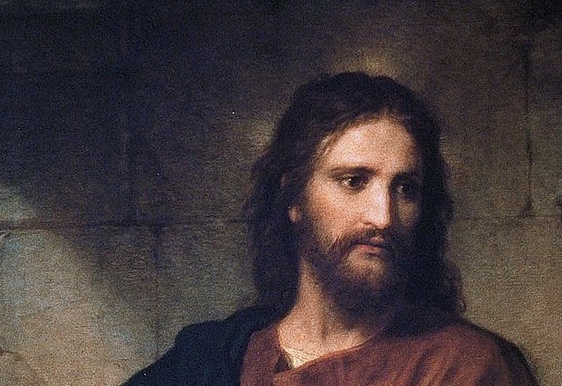
Photo: Close up of Heinrich Hoffman’s Christ and the Rich Young Ruler, 1889

Link for the Mass readings for Friday, June 6, 2025

The Holy Spirit will help us to heal from the grief that fills our hearts.

At some point in our lives, we experience the death of someone we love. If we live a long life, we will experience even more of the pain of losing those close to us. I remember my maternal grandfather sharing with me when he was around ninety that he had outlived most of his siblings and friends. Unfortunately, for too many in our world, death is a daily event through violence in all its forms. Grief during time of loss is a natural human response. It is certainly not an emotion to be suppressed.

In today’s Gospel, Jesus shared: “But because I told you this, grief has filled your hearts” (Jn 16:6). Jesus was preparing his disciples for his suffering and death on the cross, but also letting them know that they would not be left alone. Even after his death, his resurrection and again time with his disciples, he would then at his ascension return to the Father. And better for his disciples that he would return to his Father. The Father will transform Jesus through his suffering, death, resurrection, and ascension. Jesus will assume his glorified body and the Holy Spirit will proceed from the Father and the Son to empower the apostles. They too will be transformed. No longer afraid, no more falling short of the glory of God but fulfilling and actualizing who Jesus called them to be from the beginning.

Of course, the Apostles were not able to understand what Jesus was talking about. Who can blame them? They had no point of reference for someone dying and rising again, let alone that he would ascend to the Father and send the Third Person of the Holy Trinity to be with them. The Apostles would not only feel the grief of the loss of Jesus they would also experience the fear that the same persecution that took him would take them. Jesus predicted no less. To be his follower, they would need to be willing to give their own lives as Jesus was about to do.

They did not get off to a great start. Even though Jesus foretold them of what was to happen, in Jesus’ final hour, they betrayed and abandoned him. And yet, except for Judas, because he had taken his own life, Jesus came to them again after his resurrection. He did not condemn but forgave them. Jesus would in a short time ascend back to the Father as we will celebrate next Sunday, and the disciples, with Mary, would experience the love and grace of the outpouring of the Holy Spirit at Pentecost.

Empowered by the Holy Spirit, they faced what was before them head-on, even to experience their own violent deaths, except for John. The fear of death had no more power over them, their grief and their fear were turned into joy from their encounter with the Risen Jesus and the Love of the Holy Spirit they experienced first hand.

For us, as with the Apostles, grief is real, because death is a loss, it is a change in our present reality. Yet, we celebrate this Easter Season for fifty days for a reason. Death has lost its sting because Jesus has died, entered into the fullness of everything that death threw at him, and he conquered it. Jesus died for each and everyone of us so that we can also rise with him, and be with him, and our loved ones again for all eternity.

We can believe in our minds that death does not have the final answer, yet we will still feel the grief, the pain of loss. We need to be honest with our emotions, and not stifle them, thinking by showing grief that we are in some way less a person of faith. Jesus himself wept at the tomb of his friend Lazarus. In allowing ourselves to enter into our pain, we will experience the Risen Christ who is waiting to embrace us and help us to heal. The key is to allow ourselves to experience and feel our grief, but just not to stay there.

To experience our grief and allow it to rise up when it comes is healthy and necessary but we do need to be careful that it does not define and overwhelm us. After seven months of caring and accompanying JoAnn to her death, visiting with family and friends through Thanksgiving and Christmas, I returned home, and had some time alone for the first time. I had a two day period where I was able to experience the weight of my grief and was hit pretty hard. I was beginning to sink into a dark place. Fortunately, I received a phone call from my friend, Theresa Frettered, and she invited me to a diocesan event. I didn’t want to go, but said yes. Terry was a messenger of the Holy Spirit. She invited me to leave the despair and come up for some air.

The time of grief is different for each person. “There is a time to weep, and a time to laugh; A time to mourn, and a time to dance” (Ecclesiastes 3:4). We place our hope in Jesus, the first born of the new creation, and pray that those we remembered yesterday for Memorial Day, all those we hold close to our hearts in this moment, and those who have no one to pray for them, who have left this life, are now experiencing the gift of eternal life that Jesus won for us on the cross. Our time will come too.

This is not a morbid thought. Pondering our own death helps us to not take the time we have left for granted and choose to live our lives more intentionally, with greater purpose. In doing so, we can experience a foretaste of heaven, God’s tender care for us, even on this side of heaven. When our hearts and minds are open to slow down, to invite the Holy Spirit to come close so that we may experience his love for us. For a brief moment we will get a glimpse, that death really does not have the final answer. The loving embrace of Jesus does.


Photo credit: Losing someone we love is like experiencing an amputation. We will live, but it will never be the same. Allowing the Holy Spirit to accompany and heal us will help us to learn to fly again!

Link for the Mass readings for Tuesday, May 27, 2025

As we participate in the life of Jesus we experience the love of the Holy Spirit.

What is common to all of us is that we experience some expression of loneliness to varying degrees consciously, or mostly unconsciously. We are social beings, we want to belong, to be part of, and this is why we are communal. We may do, say, or turn a blind eye to behaviors that go against our conscience just to be accepted, acknowledged, and/or noticed. This behavior further feeds our loneliness, because though we may be “accepted”, we become more alienated from our true self. We are not be accepted for who we are but who we portray ourselves to be.

At the core of our being, what we all seek is to be loved, and to love in return. We strive from the moment of our conception not only to exist but to actualize the fullness of who God is calling us to be. Through our time of gestation, we are not potential human beings, we are human beings actualizing out potential. A difference between me typing this now and when I was in my mother’s womb is that before and after my birth, I was smaller and more vulnerable.

We as human beings are a living, craving hunger and desire to be in communion with God and one another from the moment of our conception until our natural death and continuing on into eternity. This is true to the believer and the atheist alike. Until we embrace this deepest of needs and desires, we will be restless, anxious, and unfulfilled. We can feel isolated and alone, even in the midst of a hundred people or daily likes on social media. As St. Augustine shared in the introduction to his autobiography, “You have made us for yourself, O Lord, and our hearts are restless until they rest in thee.”

God has made us for himself and constantly invites us to be in a relationship with him and with each other because he is the foundation and source of our being. Sin is the turning away from that invitation, a curving, or caving in upon oneself away from God and others. It is also the unwillingness to bother or care, to reach out toward another in need. For what we do to the least of our brothers and sisters, we do to Jesus. We are not just to be pro-birth though, we as Catholics are to be pro-life, and we are invited to promote a consistent ethic of life.

Jesus became human in his Incarnation. He too, as we did, developed in the womb of Mary to show the importance of the dignity of the person and that our dignity is grounded in our relationship with God our Father, meaning we are all brothers and sisters. We are his beloved daughters and sons, just by who we are not by what we do. Jesus was not a plan B, but he was always the primary plan. In the fullness of time, when God so willed, he sent his Son to become one with us in our humanity so that we can become one with him in his divinity. Jesus is the face, hands, and body of God. He came that we might see and experience God. Jesus experienced all we experience except for sin because he never in any thought, word, or deed rejected or said no to his Father. His whole life was a, “Yes” to the will of God. Jesus is the bridge, the way to love and be loved, authentically.

In today’s Gospel, Jesus continues his farewell discourse. He prepares his disciples for the reality that he will be returning to the Father, and yet at the same time, he will not leave us alone. He will be with us for all ages. This is so because as the Son of God made man, in his Ascension, he returned to the Father not just in his divinity as the Son, but also in his humanity. God created all of humanity and his creation as interconnected, and because of that, we all experience this transcendent act of the Ascension when Jesus returned to the Father in his glorified, human body.

Jesus shared with his disciples: “When the Advocate comes whom I will send you from the Father, the Spirit of truth who proceeds from the Father, he will testify to me. And you also testify, because you have been with me from the beginning” (Jn 15:26-27). Jesus is talking about the Holy Spirit, the third person of the Trinity, the infinite Love experienced and shared between the Father and the Son. We become sharers in this divine love and communion of the Holy Trinity through our participation in the life of Jesus.

As we experience the love of the Holy Spirit and develop a relationship with him we begin to feel alive, we begin to heal and to feel whole, because we have experienced the love we have been made for. We have experienced being loved for who we are and as we are. We no longer have to say, do, or accept those actions that we don’t agree with that go against our conscience, to belong. St. John Henry Cardinal Newman has stated that our conscience is the “Aboriginal Vicar of Christ”. Jesus dwells within us, to guide and lead us, to help us to develop a well formed conscience. He encourages us to also say, “Yes” to his Father as he has and continues to do.

We share in the trinitarian love when we grow our relationship and participate in the life of Jesus. This great gift of grace will continue to grow as we testify to this love and share it with others. The greatest gift of God, his love that he gives us, expands as we give his love away. The more we give, the more we will receive. That does not mean fixing others or their problems. We are called to be present, to accompany, and journey with others, meeting them as Jesus met others and meets us, as and where we are. We are to laugh with, to cry along, to encourage, empower, and support, but above all to be present, to allow the love of the Holy Spirit to happen through us.

Jesus has not left us as orphans. His return to the Father through his Ascension has given us a greater and more intimate access to the Holy Spirit. By trusting in his love, we free ourselves from the tendrils of fear and anxiety. We are not alone when we say, “Yes”, to God’s will and develop our relationship with him. As we do so, we continue to actualize the fullness of our potential, become truer to ourselves, and who we are created to be. We experience that peace that surpasses all understanding and develop relationships with others based on authenticity and integrity, regardless of external pressures and experiences. We are loved and we love in return, which is what we all seek, which is who we are called to be.

——————————————————————————–

Photo credit: Some quiet time and prayer during priest convocation May 7.

Link for the Mass readings for Monday, May 26, 2025

May we pray that we will be more willing to help “one another to walk in love and truth.”

When Jesus said to his disciples: “If the world hates you, realize that it hated me first”, Jesus was not proposing an-us-verses them mentality, for he had just spoken to them about loving others as he loves them. Falling into an-us-verses mentality for those suffering from persecution is an understandable posture. It is just not the stance that Jesus proposes for us to take. We are to love our enemies, we are to love those who hate us and persecute us. Impossible? On our own will power alone, yes, for apart from Jesus we can do nothing, but with him all things are possible, even loving our enemies, haters, and persecutors.

Jesus is making it plain to his disciples that they need to be prepared, that they will face the same that he did. They will be persecuted, mocked, imprisoned, and many will give their lives just as Jesus did. The gospel message is a challenge. We are challenged to have a change of mind and heart and not to think in the ways of the fallen world. Our minds are instead to be transformed by and conformed to the love of Jesus the Christ. This means that our focus must shift away from being self first and foremost to putting God first. God is to have the primary place in our lives.

We know we are putting God first instead of our fallen nature when we react less and love more. Reactions are based in fear, defensive, and slipping into an-us-verses them mentality. “They”: are responsible for the state I am in, are taking my jobs, are not allowing me to worship or speak in the way I want to, it is all their fault, they made me do it. These are all reactive thoughts that lead to uglier statements and actions. Jesus invites us to assume the disposition resisting the temptation of reaction and instead choosing intentional action grounded in God’s love for us and making our decisions from God’s guidance and not our reactions.

The way we can be more intentional and less reactive is to spend more time making friends with silence, being more still to pray and meditate with God’s word in the Bible and also in his word of creation. Much of our reaction comes from our harried pace, keeping us from being in touch with our deep-seated wounds, fears, and prejudices. We run from the mirror Jesus holds up to us. It is important to stop and pray regularly. When we do and we are willing to face the sin in our hearts, we can identify them and let them go. We can bring our struggles, pain, and areas in need of healing to Jesus for healing. A way to begin to turn away is by taking some deep breaths and ask Jesus to shine the light of his love in our hearts so that we can see what lies hidden in those dark corners. Then we can identify those sins, renounce, let it go, be forgiven of them, and set free.

Embracing the humility to confess our sins and to die to our sinful ways helps in our healing. We are not only forgiven, Jesus gives us the grace to grow in our relationship with him and each other and we are strengthened to resist temptations. We become more patient, understanding, and truer to who Jesus calls us to be, which is people who love. We will each other’s good by treating each other as brothers and sisters. We are better able to accept that we are all imperfect, make mistakes, experience loneliness, and just want to belong, and be loved.

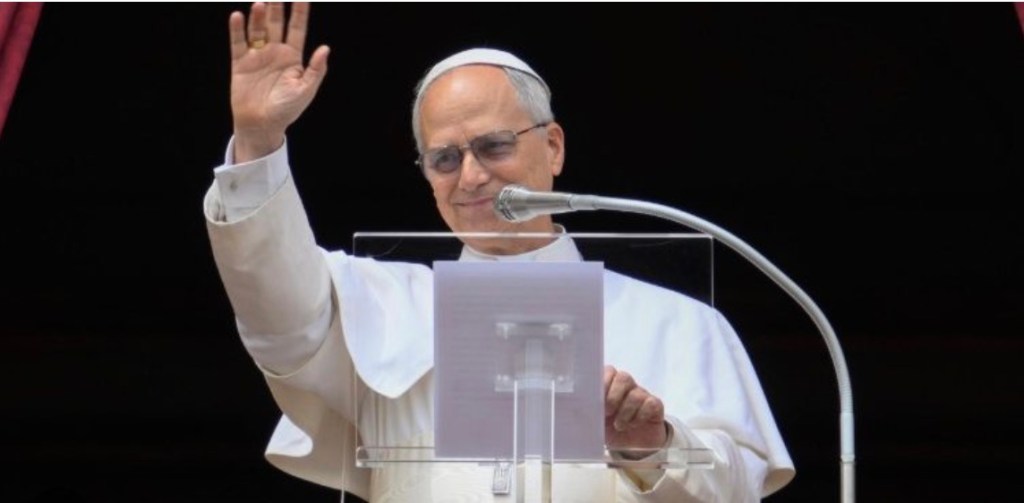
Pope Leo encouraged us in his Regina Caeli address on May 11 to, “ask our Heavenly Father to assist us in living in service to one another, each according to his or her state of life, shepherds after his own heart, (cf. Jer 3:15) capable of helping one another to walk in love and truth.”

Jesus and Pope Leo show us the way to the Father is to ask him for help. Let us ask God, our Heavenly Father to help us to live more consciously and pray to renew and conform our lives to the Jesus who gave his life that we might be free from the grip of our own sins, prejudices, and darkness. May we allow the love of the Holy Spirit to guide and flow through us, so as to dissolve attitudes of hate and division, and instead soften our hearts that they would be more open to dialogue and healing.

May we no longer turn away from the temptation of revenge and fueling contempt, hate, and dehumanization, and instead choose to pause, breathe, receive, rest, and abide often in Jesus’ love for us. Empowered and embodied by his love, obeying God’s will and his commandments, we will be empowered to resist the easy and impulsive reaction so as to not retaliate in kind, but instead choose to intentionally respond in ways that are understanding, compassionate, and loving. In this way, we can heal and help others to heal and to “walk in truth and love.”

———————————————————————————-

Photo: Pope Leo offering his first Regina Caeli address on May 11, 2025. Vatican News photo credit.

Link for Regina Caeli Pope Leo

Link for the Mass readings for Saturday, May 24, 2025