Joseph and Mary trusted, followed the will of God, and gave us our Savior.

Joseph had an interesting twenty-four hour period. First, he learned that his betrothed, Mary, was “with child”. Betrothal in ancient Judaism was not what we think of today as being engaged. Betrothal is the first step in the marriage process in which the man and wife give consent to marry before at least two witnesses. The wife remains with her family while the husband builds a home for them. Once the time for the second stage of the marriage arrives, they will celebrate for about a week and then at the end, there is a procession of the husband and wife and all present that leads to their home. The couple enters their new home and consummate the marriage.

The key point is that even in the first stage of the marriage, the betrothal period, the couple is considered to be married and have formed a covenantal bond. If on the night of marriage it was uncovered that the woman was not a virgin or that she had conceived a child with another man, the punishment could be as severe as stoning. Although, by the time of the Roman occupation, it was not allowed for the Jews to enact capital punishment. This is why the Jewish leadership brought Jesus to Pilate to get permission for his crucifixion and why the crucifixion was enacted by the Roman centurions.

Providing this context may help us better understand that when Joseph hears the news from Mary that she is pregnant, and knowing that he was not the biological father he decided, to “divorce her quietly.” This could have been because he did not believe Mary, that she conceived this child through the power of the Holy Spirit. He also could have believed Mary, recognizing this was a miracle, but did not feel himself worthy to take on this roll. Either way or if there was some other thoughts swirling in his brain, before being able to act on his decision, the angel Gabriel had a few things to say.

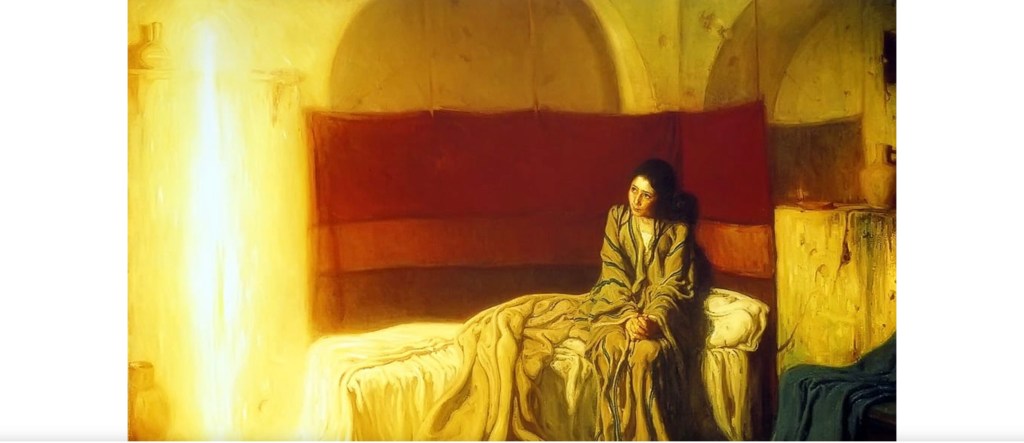
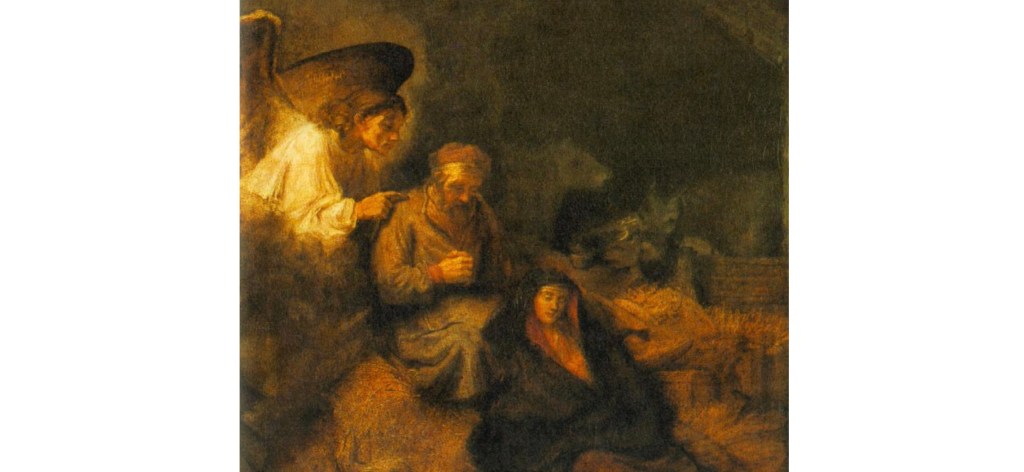
“Joseph, son of David, do not be afraid to take Mary your wife into your home” (Mt. 1:20). Gabriel confirmed Mary’s story and was asking Joseph to fulfill his vow to Mary and to commence with completing the second stage of their marriage. Gabriel also called Joseph, “Son of David.”

These words reveal that the royal line of David did not die out at the destruction of the Temple in 587 BC at the hands of the Babylonians. Joseph was an heir to the throne of David. Gabriel continued, “You will name him Jesus” (Mt. 1:21). In calling Joseph to name Jesus, even though he was not his biological father, meant that he was asking him to adopt him legally and that meant he was just as much his son as if by blood. Meaning that Jesus would be part of the royal lineage and an heir to the throne as Joseph was.

The end of Gabriel’s message was the most powerful. Jesus or Yeshua in Aramaic, means God or the LORD saves, and this son of Joseph and Mary was not just to be the long awaited Messiah, he is: “Emmanuel, which means ‘God with us'” (Mt. 1:23) and he be the savior of the children of God, he would save them from their sins. If Joseph did not know how to respond to Mary’s version of her account, what about now? Joseph followed Gabriel’s opening line and was not afraid. Joseph fulfilled his word, trusted in God, fulfilled the second stage of marriage, and was willing, ready and able to provide and protect his young family from the challenges that were about to unfold.

Both Joseph and Mary awaited the coming of the Messiah just as so many of their kinsmen, yet neither could believe the part they were asked to play in being the parents of the Son of God. Yet, once they were clear of the plan that God had for them they faithfully assumed their responsibility. Because of Joseph and Mary’s faith and trust in God, their ascent to follow the will of God, the second person of the Trinity, the Son of God, took on flesh and became man in the virgin womb of Mary.

As Jesus would later speak during his public ministry, “Blessed are those who hear the word of God, and observe it” (see Luke 11:28). Joseph and Mary did just that and continued to do so with each thought word and deed going forward. They are models for us and Jesus their Son is more than a model, but the one who saves us, gives us the strength, guidance, and hope when we may feel weak, lost, or experiencing sorrow.

There are so many anonymous people within and without of the Church who are just like Mary and Joseph. They quietly and diligently go about their daily lives as pencils in God’s hands. They are not only open to hearing but also following the guidance of the Word of God. They ascent to the truth and follow through with their actions. They may not have even be aware of the profound effect that their choices have had on others.

Throughout the Bible, God calls those who are not necessarily worthy, but humble and willing to play their part in salvation history. Each one of us is invited to participate as well. If our heart aches about a particular issue and we may wonder why God does not intercede and correct a certain situation, he may be convicting our conscience, moving our hearts to compassion. The injustice that tugs at our heartstrings could be an invitation from the Holy Spirit to be the hands and feet of Jesus to help to make right what has gone wrong.

Mary and Joseph waited with great expectation for the Messiah, never in their wildest dreams would they have imagined that they would play a central role in his birth. Never would they have dreamed that he would be more than the Messiah, he would be “Emmanuel, God with us.” Jesus remained fully divine while he became fully human. If it were not for the care, guidance, and support of Mary and Joseph, things would have gone badly for Jesus and for us all.

May we allow our hearts and minds to be conformed to the movement of the love of Holy Spirit as did Mary and Joseph. Jesus, Mary, Joseph, and the saints have paved the way of salvation history for us to follow. We are invited to walk on, even if with baby steps in the beginning, and play our part by daily allowing each thought, word, and action to be filtered by the Holy Spirit so that we can engage in small acts of great love with each choice we make.

—————————————-

Painting: “All is Calm” by Gabriel Heaton from havenlight.com

Link for the Mass readings for Sunday, December 21, 2025

Jesus, Mary, and Joseph, please help us to follow the will of God as you did.

Joseph heard the news that Mary, his betrothed, was with child. In ancient Judaism, a betrothal was the first stage of marriage in which the couple exchanged their consent before at least two witnesses. They were considered to be legally married and yet the woman would still live in her home for up to a year. The second stage happened when the bride moved into the groom’s home and they consummated the marriage.

In Matthew sharing the information that Joseph and Mary were betrothed, indicated that the child was not biologically Joseph’s. Matthew does disclose the thoughts or emotions of Joseph about what he felt when he found out this news. Whatever inner turmoil he had, he chose not to bring Mary’s case to a public hearing, he did not want expose Mary to any shame. He was not going to make a public spectacle of Mary, but instead decided to “divorce her quietly.” Before he made his final decision though, Joseph made an excellent choice regarding the discernment of serious matters. He slept on the idea before acting.

During Joseph’s sleep, the angel of the Lord delivered a message. “Joseph, son of David, do not be afraid to take Mary your wife into your home. For it is through the Holy Spirit that this child has been conceived in her. She will bear a son and you are to name him Jesus, because he will save his people from their sins” (Mt 1:20-21). When Joseph awoke, he was obedient to the angel of the Lord. Joseph was willing to change his mind and took his wife into his home (Mt 1:24).

We may hear this so many times, we may miss the power of Joseph’s choice. He could have felt anger that the child was not his own and that Mary was unfaithful, which is what most of us go to when we read this account. There is another interpretation of the “reverential fear view,” which “was held by Sts. Thomas Aquinas, Bernard, Basil, and Ephraim. In this view, Mary told Joseph about her conceiving by the Holy Spirit and he responds with religious awe over the mystery of what God is working in Mary” (Curtis and Sri, 44). Joseph, like many of the prophets when encountering the work of God concretely do not feel worthy to follow through on what is being asked of him.

We don’t know what was going through Joseph’s mind before the angel, but we do know that he as did Mary once he was clear of God’s will trusted in God’s will, and “that has made all the difference” to quote Robert Frost’s poem, “The Road Not Taken.” Because of Mary and Joseph’s, “yes”, to God and to family, the Son of God became man and opened up heaven for us in the humanity he assumed.

God often works in the same way when dealing with us. What may appear to be absurd, unimaginable, or downright impossible, is indeed possible when we align our will with God’s will. This is the week of Joy in Advent.

The source of joy does not come from external experiences but from an encounter with and acceptance of God’s invitation. Joy is an experience of communion with the love of God. This has been given to us in greater measure because Jesus became one with us, and so upon his ascension into heaven, we too can experience the loving communion he experiences with his Father. We can also experience the love of the Holy Spirit in our encounter with family and friends, this exchange of giving and receiving of ourselves in conversation, shared experiences, and in resolving challenges and conflicts together.

Mary and Joseph both received incredible news, that neither of them fully comprehended. They could have easily responded in a different way. They could have given into very real fears. Instead, they trusted in and obeyed God, they chose family, and because they did, we can rejoice not just during this week but we can rejoice always! The same God who sought out Mary and Joseph has a plan for us as well.

Mary and Joseph followed God’s lead and were willing to allow their unborn child, Jesus, to come to full term. Because they were willing to risk public ridicule and worse, Jesus entered into our human condition. There may be a difficult situation we are dealing with, we may feel like we are on our own, and that there is no way out, and/or no help on the horizon. God will make a way when there appears to be no way, and reveal it to us through his Son. We may not understand either, but like Mary and Joseph, let us trust in God, one another.

Jesus, Mary, and Joseph, please intercede on our behalf this Advent Season such that we will resist the temptation of taking each of our family members for granted, and instead give others the benefit of the doubt, appreciate and be thankful for one another. Help us to react less and breathe deeply more. Help us to be more understanding, patient, and willing to forgive, such that even though we have experienced past hurts, conflicts, disagreements, and different points of view, we may ultimately experience time and again the joy of being there for one another, through thick and thin.


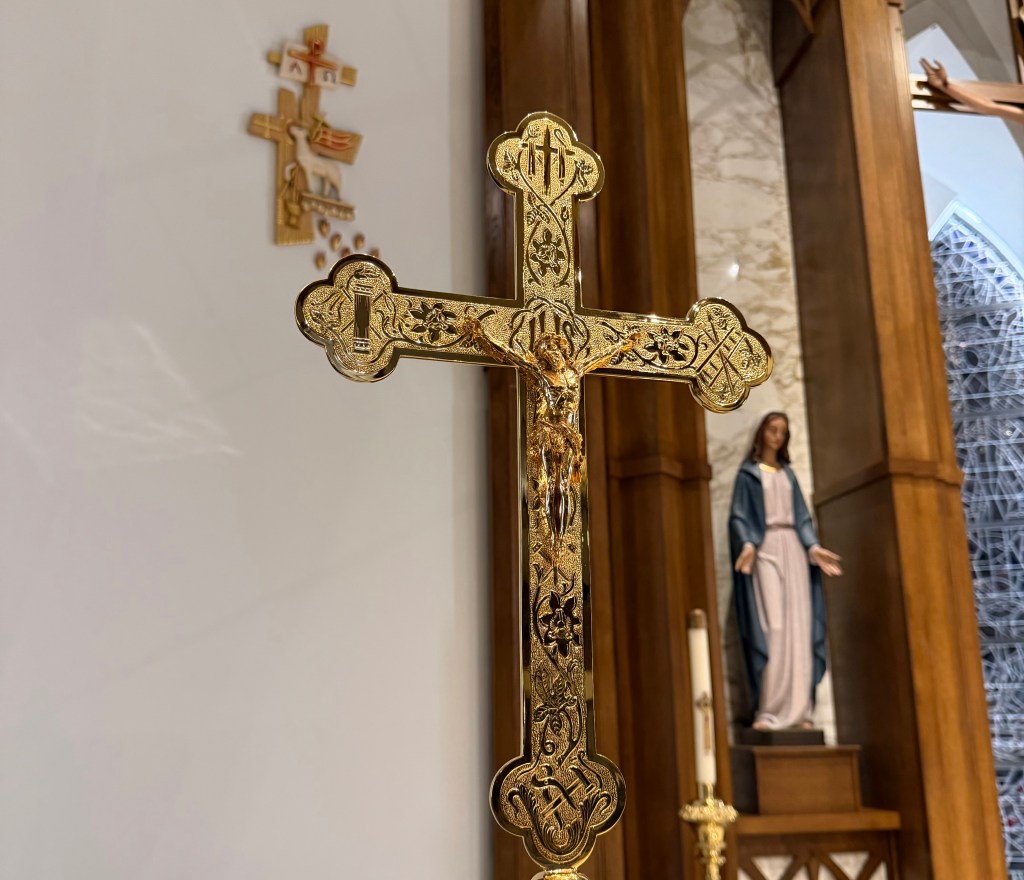
Photo: Blessed to spend time with the Holy Family each evening for my holy hour.

Link for the Mass readings for Thursday, December 18, 2025

“Of her was born Jesus who is called the Christ.”

The Book of the genealogy of Jesus Christ, the son of David, the son of Abraham (Mt 1:1).

Many may gloss over the long genealogy of names that follows verse one. Matthew certainly had a reason, Luke also had his, as did other ancient writers for compiling genealogical lists, “for the ancient Jews, a genealogy was nit merely a catalogue of old names. Each name told a story and recalled key events in salvation history. Biblical genealogies also conferred identity and privileges on members of a family, bestowing a sense  of mission and responsibility” (Mitch and Sri, 33).

Matthew placed the context of the incarnation of the Son of God in history, in time, and in a place. Jesus belonged to a people. All of us, as human beings, have the same desire and yearning for belonging. Knowing where we come from, sharing stories of our families, of our culture, ethnicity, race, language, customs, celebrations, rituals, and religion, provide a place for us, provide stability and security. On the flip side, the more we lose the connectedness to our roots, the more we may feel adrift. The need to belong is primal.

Matthew penned for his community the roots of Jesus’ genealogy. Matthew invites us to hear them again, to recognize our place in the same saga of salvation history, for this is our genealogy also. The Church chose this Gospel today as we remember and celebrate the nativity of Mary. The whole of the Bible is a rich library of faith and a part of, not separate from, but an integral part of sacred Tradition. The Bible, from Genesis to Revelation, is a compilation from Mary and our ancestors who encountered God and shared their stories. They passed them on, generation after generation, to provide for us a foundation, so we can know that we are never alone, that we have a place, that we are a people, we stand in solidarity with one another, that we belong. We are a part of something greater than ourselves.

That rings out from the very first line of this genealogy. The announcement that Jesus is connected to Abraham the father of faith and David the prototype of the King who unified the twelve tribes of Israel. Matthew also adds, Christ. This is not Jesus’ surname, but the Greek title of “Anointed One” from the Hebrew, Messiah. Jesus is no mere teacher. He is the Christ the Son of the living God.

One thing that can weaken the richness of the foundation of our roots and identity is when it is corrupted by a lack of integrity. We see this time and again in the pages of the Bible continuing up to our present day. Those who not only turn their back on but usurp their faith, tradition, and God’s message for their own selfish means and purposes. Yet, even in the darkest of times, in those same pages there have been those judges, prophets, and people of integrity who have stood up to speak truth to power, to give voice and access to those on the peripheries.

Even today when we may feel like our country, world, or even our own lives are spinning out of control, let us remain faithful, seek courage and strength from our ancestors in the faith, those people of integrity who remained true, remained faithful, and did not turn and flee, but drew closer to God. Through our ancestors in faith and through Mary and Joseph, we are given rich models who because of their faithfulness, brought to us the gift of Jesus.

Jesus is more than a model of faith. Calling upon his name can be a prayer in itself. Jesus is Emmanuel, God with us. Proclaiming the name of Jesus places us in the very presence of the Son of God. Where the Son is, so is the Father and the Holy Spirit. We can also find refuge in the Son who became one with us in our humanity as the Son of Mary because he intimately understands each of us and our needs and challenges. He is present to us when we call upon him through the power of his name. Our lives are transformed when we allow Jesus to conform our hearts and minds to the will of his Father and become one with him in his divinity.

—————-

Photo: Mary, Mother of God, as we celebrate your birthday, we thank you for the greatest gift you could have given us, Jesus.

Link for the Mass readings for Monday, September 8, 2025

“Holy Mary Mother of God, pray for us sinners, now and at the hour of our death.”

There was no one on this earth closer to Jesus than Mary. He was conceived in her womb, she bore him, nursed him, raised him, initiated his public ministry, held him in her arms as he was taken down from the cross, and she was with the Apostles in the upper room when the Holy Spirit descended upon them. Mary from her own beginning, through God’s grace, experienced an Immaculate Conception. When her time came to leave this life, who better than Mary to have experienced the “singular participation in her Son’s resurrection and an anticipation of the resurrection of other Christians” (Catechism of the Catholic Church 1997, 966)?

Today we celebrate the official dogmatic constitution issued by Pope Pius XII in 1950, the Assumption of Mary, acknowledging what the Church has recognized from the beginning, the special grace she received from her Son. Jesus is the promise and Mary is the hope that we will live eternally with our heavenly Father, for Mary is now where we will one day be, body and soul.

Jesus and Mary have undone the sin of Adam and Eve. They, in their continual faithful life of saying yes to the will of God, opened up heaven for us. In our darkest trials, when the storm clouds of injustice, racism, violence, division, and polarization gather, when a situation or conflict does not appear to be getting any better, when death may be imminent, and/or when a loved one has died, even then, death does not have the last word because we are not alone.

As St. Paul wrote to the Church in Corinth, “Christ has been raised from the dead” (1 Corinthians 15:20). Jesus is the first born of the new creation. We are invited to join Jesus in participating in his new Kingdom on earth as it is in heaven, preparing ourselves in this life for eternity in the next. How? By doing what Jesus and Mary did. We are to open our hearts and minds to God, hear and observe his word, and put into practice what we receive.

Mary was not blessed so much because she gave birth to the Son of God but because she heard the Word of God, pondered it in her heart, obeyed, and put it into practice. This is why the Church calls Mary the model of discipleship. Just as the moon does not radiate because of its own light but reflects the light from the Sun, so Mary reflects the light of her Son.

Mary radiates the light of Jesus in her thoughts, words, and deeds and we are to do the same such that when people look at us they no longer see us but the love of Jesus radiating from us. How do we radiate Christ to others? We become deified, our likeness to God is to be restored through our participation in the life of Jesus. This happens when we make a daily commitment to meditate, pray, and contemplate the words that God has given to us in Sacred Scripture, so as to allow the Holy Spirit to transform us by the holy fire of his love.

A simple way to begin is to commit to a time and place every day to ponder the mysteries of Jesus and Mary. One beautiful way is to practice the Rosary which embodies all three of the traditional forms of Catholic prayer, vocal, meditative, and contemplative. You may feel that praying a Rosary in one setting is too much of a task to undertake, then start with one mystery. Make the Sign of the Cross, take in three, deep breathes for each Person of the Trinity, announce the mystery and begin to ponder the mystery you have chosen.

Since today we are celebrating the Solemnity of the Assumption of Mary, ponder this beautiful mystery. The Lord’s Prayer helps to quiet our minds so we can ponder. Each Hail Mary, like background noise in a movie, helps our minds to resist distraction. Then as our mind stills we can stop the vocal part of the prayer and just imagine Mary’s final hours, maybe with the Apostle John by her side. We can imagine ourselves joining him and experiencing the peace of not only her passing but of her Assumption into heaven, body and soul. We can contemplatively rest in God’s peace that we have received from our time with Mary and the promise that she is where we will one day be and remember who we are, beloved daughters and sons of our loving God and Father.


Photo: “… by her Assumption, she goes ahead like her son to prepare a way for us.” – From The World’s First Love, by Fulton J. Sheen.

Link for the Mass readings for Friday, August 15, 2025

Jesus the Christ, the Son of God, will make all things new.

Hospitality was a key virtue for people of the ancient Near East. Martha approached Jesus as he was teaching looking for support from her sister Mary in preparing the meal. Mary was sitting at Jesus’ feet with the male disciples gathered around him while Martha appeared do be doing all the work. Martha was hoping that Jesus would support her in her request. Jesus not only did not, but said that Mary had chosen the better part and that Martha was “anxious and worried about many things” (cf. Luke 10:38-42).

We don’t know how Martha reacted to Jesus. A subtle key in today’s Gospel account from John may shed light on their last encounter and Martha’s reaction. Martha’s boldness was on display again. As soon as she was aware that Jesus was coming near, she did not wait for him to arrive but “went to meet him” (Jn 11:20). Martha’s brother, Lazarus, had now been dead for four days and Jesus, who had the time to arrive before his death, was not present to help his friend, her brother, Lazarus in his time of need.

How many times have we been in Martha’s position? Feel that Jesus was not there when we needed him most? Why do bad things happen to good people? Part of the answer is that we live in a fallen world of sin and self-centeredness. God does not bring about suffering but he does allow it. God loves us so much that he is willing to give us the free will to reject him. The cost of our freedom to choose means that there are consequences to our choices which can be detrimental or beneficial. We are all interconnected so when we choose to act on our own apart from God’s guidance and the welfare of others, the damage that ensues affects not only those around us but everyone. On the other side of the coin, there is the presence of grace, forgiveness, and love when we choose to draw close to God, especially in challenging times.

When we choose God, we will find out that we are not alone in our suffering, especially, when we do as Martha did and go out to meet Jesus. She most likely did not holding back any of the full range of her hurt and pain. Martha’s words expressed her anguish, “Lord, if you had been here, my brother would not have died” (Jn 11:21). We can only see from our limited point of view, especially with our own experiences of grief. Yet God sees far beyond our finite perspectives and Jesus helps to not only bring about a greater good, though it may take time to come to understand and experience, he accompanies us in each agonizing breath of our suffering.

Jesus came too late to heal his friend, which Martha and Mary could not understand. What he came to do, was beyond their wildest imaginings. Jesus came to restore Lazarus to life, which would also be a foreshadowing of his own Resurrection. The difference being that Jesus would not merely be resuscitated as Lazarus was and die again.

Martha was not holding a grudge from their last exchange. She came directly to him. She knew he could have healed her brother if he had been there, but did not say so accusingly. Martha immediately followed instead with: “But even now I know that whatever you ask of God, God will give you” (John 11:22). Then even before Jesus called Lazarus back to life, Martha showed her faith. Jesus asked if Martha believed. Martha, as did Peter, made the affirmation of our faith: “Yes, Lord. I have come to believe that you are the Messiah, the Son of God” (John 11:27).

We have been blessed by the witnesses of Martha, Mary, and Lazarus. Each show their trust in Jesus in their own unique way and follow his guidance. Those of us who have suffered the loss of a loved one, or more, know something of the pain that Martha and Mary experienced. May we also all trust in Jesus, the Son of God, the “resurrection and the life” who conquered death and became the firstborn of the new creation. We need not fear our time of suffering or death, our own, or for our loved ones as long as we give our lives to him. When we call on Jesus he will give us the strength to endure and overcome, in this life and into the next.


Painting: The Raising of Lazarus – Caravaggio, Martha, Mary, and Lazarus help us to trust and have faith in Jesus as you did. Pray for us!

Link to the Mass readings for Tuesday, July 29, 2025

“Woman, behold, your son.” Then he said to the disciple, “Behold, your mother.”

Today’s memorial, Mary the Mother of the Church, began with the decree released on February 11, 2018, by Cardinal Robert Sarah while he was still the head of the Congregation of Divine Worship. Pope Francis called for the Church to celebrate this memorial on the Monday after Pentecost. Not only is Mary the Mother of Jesus, but since we as the People of God participate in the life of Jesus as members of the Body of Christ, she is our mother too.

The New Testament records time and again how Mary reveals by word and action that she is the model of discipleship.

Mary answered Gabriel’s request to conceive and bear Jesus, with her response, “Behold, I am the handmaid of the Lord. May it be done to me according to your word” (Lk 1:38). Mary then went with haste to share the good news with Elizabeth and to assist her in her pregnancy of John the Baptist. Mary, after the birth of Jesus, is visited by the shepherds and upon hearing their news from the angelic host, she “kept all these things, reflecting on them in her heart” (Lk 2:19). Mary and Joseph cared for, protected, and guided Jesus in the Jewish faith as he matured and grew into a young man.

Mary was also present at the beginning of his ministry when she said to the servants at the wedding at Cana, “Do whatever he tells you” (Jn 2:5). Mary was also present at the crucifixion, as recorded in today’s reading from the Gospel of John: When Jesus saw his mother and the disciple there whom he loved, he said to his mother, “Woman, behold, your son.” Then he said to the disciple, “Behold, your mother.” And from that hour the disciple took her into his home (Jn 19:26-27). Mary was pierced with sorrow when the centurion’s lance was thrust through the side of Jesus, her son, as blood and water flowed. Mary was then present as the Church was birthed at Pentecost during the coming of the Holy Spirit (cf. Acts 1:14).

Mary is the mother of Jesus, the Mother of the Church, and so she is also our mother. We do not worship Mary but seek her intercession and guidance as we would our own earthly mothers. We also look to her as a model for living as disciples of Jesus. We too are to ponder the wonders and mysteries of God working in our lives. As with Mary at the cross, may we too not run from suffering but embrace it so that we also can then receive her Son, Jesus, whose arms are wide open to receive us in the midst of our pain, so that he may bestow upon us his consolation and healing.

But may we not stop there. May we open ourselves to the love and empowerment of the Holy Spirit such that we may say, “Yes”, to bearing Christ and going with haste to share the Good News of he has transformed our lives. May we resist the temptation of indifference and uncaring and instead help and support those we come into contact with who are in need. May we follow the last words of Mary recorded in Scripture and do whatever Jesus tells us to do to make his Church relevant and vibrant in our time. May we, as did John, receive Jesus’ invitation to receive Mary as our mother and take her into our home.

Mary, Mother of the Church, our mother, pray for us now, and at the hour of our death!

———————————————————-

Photo: Taken while on my canonical retreat for the priesthood December of 2023 at Bethany Center in Lutz, FL.

Link for the Mass readings for Monday, June 9, 2025

Life is a fragile and precious gift to be respected and celebrated.

Mary “traveled to the hill country in haste” (Lk 1:39) and as she drew close and called out to announce her arrival: Elizabeth heard Mary’s greeting, [and] the infant leaped in her womb, and Elizabeth, filled with the Holy Spirit, cried out in a loud voice and said, “Most blessed are you among women, and blessed is the fruit of your womb” (Lk 1:41-42). This is an encounter of joy. Elizabeth’s response is a confirmation to Mary’s, “Yes”, to the angel Gabriel, that she has indeed conceived in her womb the Son of God who was taking on flesh and becoming one of us, a human being, as she traveled to the hill country. Elizabeth’s son recognized him, and in leaping with joy, helped to get the celebration started!

The encounter and interaction between Mary and Elizabeth, Jesus and John, at the Visitation is a model for us of discipleship. Touched by the Holy Spirit we are to go out to share the Good News that God our Father loved us so much that he sent his Son to be one with us. He was willing to enter into our humanity. Some of the earliest heresies in the Church, which are still perpetuated today, were birthed because of an unwillingness to accept this gift, that God entered into and embraced our humanity, that God would become human was and is still for too many, inconceivable.

Yes, we have been wounded by sin, but we have not been destroyed and completely undone. The coming of the Son of God as one of us is an opportunity to be healed, to be born again from above, and this can happen through the same love of the Holy Spirit that inspired John to leap in Elizabeth’s womb and for her to rejoice.

May we resist the mind noise from within, and without from other people who tell us overtly and/or covertly that we are worthless or nothing. Not true! Through our very being, we are created in the image and likeness of God, we have been created by love, to receive and to share love. We are a living craving hunger and desire to be in communion with God and one another. This is true for the atheist and the believer alike. We are called to will the good of the other as other as they are, unconditionally. If we have fallen short, a little or a lot, in the way we have been treating ourselves and/or others lately, today is a new day to take Jesus’ hand and begin anew. Let us celebrate with Jesus, Mary, Elizabeth and John.

We are celebrating that Jesus was born for us, he lived that we might not only be shown a better way, but know that he is the Way. Jesus became vulnerable for us, a key ingredient in unconditional love: to be willing to risk being authentic to who God called him to be, even to being willing to be rejected, even if that meant that all might walk away from him. May we be willing to be vulnerable, to risk, to share with others who we are, free of masks and pretense. May we be present to, and also walk and accompany one another. Being there for our family and friends is important, and if we take our Christianity seriously, we must come to acknowledge, in concrete ways, person to person, that we are all brothers and sisters, that in Christ we are all related.

Just as the sun shines on the good and the bad alike, Jesus died for each and every human being, all of us. After his resurrection and ascension into heaven, he sent the Holy Spirit, the love shared between the Father and the Son, to empower us to live as he did, in communion with his Father, so to better actualize our communion with one another.

An invitation for the transformation of all humanity and creation happened at the Galilean hill side when two simple women said yes to God and embraced with joy. They came to embrace not only each other, but their vocation. May we join them in saying, “Yes”, to God, follow his will with joy as Mary and Elizabeth did and with them, celebrate the gift of life, because as each of these mothers would experience all too soon, life can be taken quicker than they could or we can ever imagine.

We do not know the time or the hour, so let us like Mary go in haste to tell those we care about that we love them. Let us make that call, send that card, email, or text, and/or invite that person for a walk, to sit down and visit. Especially amidst the expansion of divisive and polarizing darkness, may we be a light to all we encounter. Empowered by the love and joy of Jesus, may we encourage, empower, and lift one another up so as to treat each other with dignity, respect, kindness, and understanding. The easiest way to start is when you catch the eye of another, smile. In that simple gesture, we say to the other person that we care enough to make the time to acknowledge their dignity, their worth, and to let them know that they exist and have meaning.

On this feast day of the Visitation, may Mary and Elizabeth intercede on our behalf that we may honor all life from the moment of conception, through each stage until natural death. We start simply by appreciating and respecting the dignity of each other a bit more today than we did yesterday. “All we have to decide is what to do with the time that is given to us” (Gandalf said to Frodo in The Fellowship of the Ring, JRR Tolkien). Let our choice be to build a culture of life.

——————————————————————–

“The value of the person from the moment of conception is celebrated in the meeting between the Virgin Mary and Elizabeth, and between the two children whom they are carrying in the womb” (St. John Paul II, Evangelium Vitae, 45, in Gadenz, Pablo T. The Gospel of Luke. Grand Rapids, MI: Baker Academic, 2018). Photo credit: OSV News photo/Giancarlo Giuliani, CPP

Link for the Mass readings for Saturday, May 31, 2025

May we, like Mary, give without counting the cost.

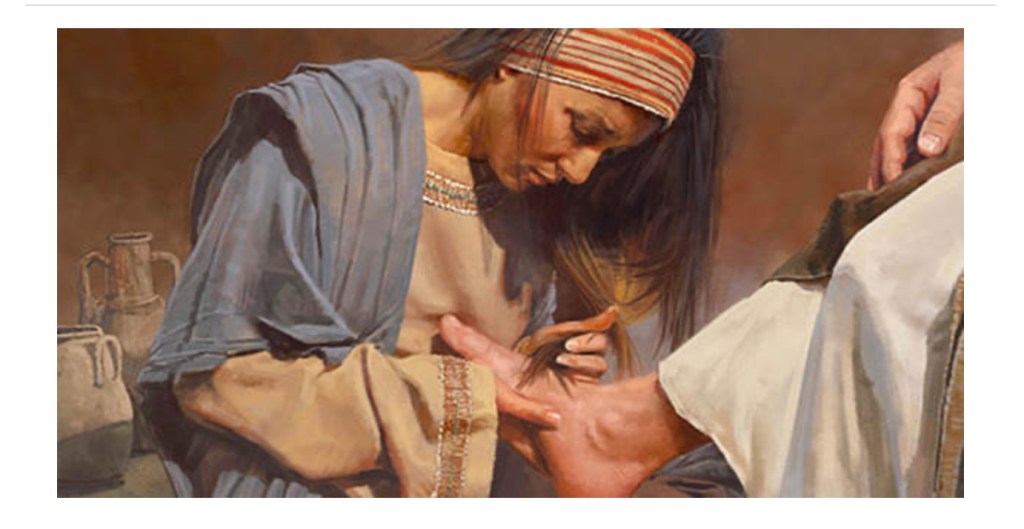
“Mary took a liter of costly perfumed oil made from genuine aromatic nard and anointed the feet of Jesus and dried them with her hair; the house was filled with the fragrance of the oil” (Jn 12:3). This is indeed some gift that Mary shares with Jesus, though Judas’ critical response showed that he missed the point of her offering, which went well beyond the material cost of the perfume. Mary even exceeded the gesture of hospitality by going beyond washing Jesus’ feet and anointing them as well. This act of caring could have been a bestowal of appreciation and gratefulness toward Jesus who brought Lazarus, her brother, back to life, but it was even more than that.

In Jesus’ correction of Judas, “Leave her alone. Let her keep this for the day of my burial” (Jn 12:7), we may intuit the best source for interpreting Mary’s act. Mary comprehended better than any of the Apostles that Jesus’ death was imminent. Mary’s washing the feet of Jesus, anointing them, and drying them with her hair was a gift of love, of giving herself in service to the Son of God. This exchange mirrors the communion between God the Father, God the Son, and the love shared between them, God the Holy Spirit. Mary follows the will of the Father and plays her part in salvation history.

Martha is again present and seemed to have learned from their last encounter. She is again serving the meal, but this time she is not complaining. Martha was not anxious and worried about many things. Judas was the one corrected this time when Jesus told him to, “Leave her alone.” Mary has shown her spiritual growth as well. She is no longer sitting at Jesus’ feet but anointing them for his imminent death. Her generosity in pouring out such a large amount of perfumed oil which was evident because the fragrance filled the entire house. Mary’s generosity foreshadowed the generosity of Jesus not just in his eventual washing of the feet of his apostles but ultimately, his total self-gift that he will give of himself on the cross.

We do not know how Mary came to possess this precious oil, but what we do know is much more important. She did not grasp or cling to the oil, she did not count the cost and just pour out a little bit. When she felt moved to pour the costly nard and anoint the feet of Jesus she freely poured the perfume out in an act of love to serve the need of Jesus by anointing him for his death and burial.

What is something that we may hold as precious that God may be calling us to give up, to let go of, to pour out, not just for the sake of doing so, but in service to Jesus? The path to holiness and sanctity, is coming to a place in our lives in which we can let go of that which we are attached to, so to hear clearly the will of God, know what is required of us, and give freely in love and service without counting the cost. May we follow the lead of St. Mother Teresa who said that she sought to be just a pencil in God’s hand. May we come to spend time in prayer and quiet meditation and contemplation each day so we may know, hear, and act without hesitation on God’s voice.

————————————————————————————–

Painting: Mary anointing the feet of Jesus.

Link for the Mass readings for Monday, April 14, 2025

Mary, the model of faith, can help us to grow in our faith.

Why celebrate the Annunciation at the beginning of the third week of Lent? Simple math. If we celebrate the birth of Jesus on December 25, it is logical to celebrate his conception nine months earlier on March 25.

Gabriel, an angel, a messenger of God, a spiritual being, interacts with a human being; though Mary is not the first one to experience such an encounter. There are personal encounters with God and his messengers throughout the Bible. This is how the God of Israel, the God of Jesus Christ acts, person to person, through invitation, either directly himself or indirectly through one of his angels.

We can read such encounters going back to Genesis. God invited Abraham to be the father of a people that God would call to be his own. This reality would come to be with the birth of Isaac, while Sarah, like Elizabeth, was well past child-bearing years. Jacob would wrestle all night with an angel and become the father of the twelve tribes of Israel, during the time of the Judges the mother of Sampson, and Hannah, the mother of Samuel, both barren women would encounter angels bearing the message that each would give birth to those who would grow to lead the people Israel in their time of need. Moses, the judges, David, and the prophets all would hear and answer God’s invitation. Zechariah had an encounter in the temple and his wife Elizabeth, also barren and older, would give birth to John the Baptist. God has communicated and reached out to his created beings in history, at specific times and in specific places.

With Mary, this announcement and encounter was different, for, at this appointed time, the Son of God himself would become, while remaining fully divine, a human being in the womb of Mary. The God who is. Period. Full stop. He is not a being, not a human, or even a supreme being. Infinite Act of Existence, the Sheer Act of to Be, at the appointed time was sent to take on flesh. This is the message that Mary receives, and we can understand why she might be “troubled”. Mary, the model of discipleship, pondered what this might mean as Gabriel said to her:

“Do not be afraid, Mary, for you have found favor with God” (Lk 1:30).

Mary, who knew the arch of salvation history as briefly sketched above, knew of the encounters God had with his people, her ancestors. She knew of the promised coming of the Messiah as she and Joseph were both of the line of David. She would now be the bridge between heaven and earth, the bridge between the old and the new covenant, the bridge between a people lost and a people to be found. Mary in her fiat, her “yes,” would become Theotokos, the God-bearer.

This is a solemnity that we celebrate each year because the Son of God has been born to us because Mary said “yes.” Yet, her yes is not in isolation. It was made possible by so many who had gone before her. Joachim and Anna, Mary’s parents who provided care and guidance, as well as the many named above and not named throughout the Biblical tradition who said, “yes” to God and played a part in making this moment possible. Mary is not alone in the Annunciation, not alone in this definitive moment. This is the distinctive feature of Judaism and Christianity: We cannot save ourselves. We are not God. Our very life as created beings is a gift from God and we are in need of constant help and support from God and one another (cf. Lohfink, 254).

God invites us, not just today as we celebrate the feast day of the Annunciation, but every day. Each day is a day to ponder, to wonder, to be still, to be silent, to be in awe. The Son of God, the Second Person of the Trinity, loves us so much more than we can ever imagine, more than we can ever even begin to conceive, that he became one with us in our humanity so that we can become one with him in his divinity. Us, you reading this, me writing this, and each unique person taking a breath on this earth.

No matter how much we have messed up, no matter how distant we feel we may be from him, no matter how confused, overwhelmed, disillusioned, Jesus, is present for and with us. The question is not whether we are worthy to play a part in salvation history, for none of us are worthy. The question is, “Are we willing?”

Are we willing to trust as Mary did even when we may not understand God’s will for our lives. Mary’s answer to her invitation was: “Behold, I am the handmaid of the Lord. May it be done to me according to your word” (Lk 1:38). We too are called to participate in God’s invitation. What will our response be?
——————————————

Painting: Some quiet time with Mary, Holy Cross Catholic Church, Vero Beach, FL.

Lohfink, Gerhard. No Irrelevant Jesus: On Jesus and the Church Today. Collegeville, MN: Liturgical Press, 2014.

Link for the Mass readings for Tuesday, March 25, 2025

“Who and whose are we?”

“Who are you” (Jn 1:19)? John did not claim or pretend to be something that he was not. He was clear who he was, he was clear of his place in serving God, and he was clear about the mission God gave him. He was preparing the way of the Lord. John shared that “there is one among you whom you do not recognize, the one who is coming after me, whose sandal strap I am not worthy to untie” (Jn 1:26-27).

The question also arose about who Jesus was. It was not only a question during his lifetime, but this query was also addressed during the early development of the Church’s Christology and still arises today. The readings of the Christmas Season, that we are still celebrating liturgically, in fact, all four Gospels, address the question of who Jesus is. In fact, the entirety of the Bible from Genesis to Revelation answers this question!

The majority of the heresies that arose in the Church surrounded this question as well. From the Annunciation, we recognize that at his conception in the womb of Mary Jesus remained fully God and became fully human. He did not become the Christ at his baptism as the heresy of Adoptionism would propose. Nor was Jesus a powerful created being as the priest Arius would suggest in the third century. We counter the heresy of Arianism every Sunday when we recite in the Nicene Creed: “God from God, Light from Light, true God from true God, begotten not made, consubstantial with the Father; through him, all things were made.”

Arianism taught that Jesus was a created being, the highest of beings made by God, but created none the less. The Church teaches that Jesus is begotten not made. He was, is, and always will be God, the Second Person of the Trinity. He is God the Son consubstantial, homoousios, which means of one and the same substance with God the Father. The Father and the Son are one in substance, yet distinct in their operation. The Father begets, the Son is begotten.

Adoptionism and Arianism are but two of the various early heresies that arose, of which Arianism gained more of a following. Arianism still rears its head today in practice as it did then because of the unwillingness of those who will not acknowledge that the divine could become human. This goes back to our starting question that was asked about John. “Who are you?”

A good question to answer for us ourselves. We are human beings created in the image and likeness of God, even though our likeness has been dimmed by sin. We are physical beings with a rational soul, we are invited to embrace the reality that we are human and through our participation in the life of Jesus, beginning with our baptism, we are adopted daughters and sons of God. Do we reject our humanity, our created status, trying to determine our own destiny on our own terms, to put ourselves in the place of God, or are we like John the Baptist, and acknowledge the gift of who we are and the mission God invites us to participate in?

As we continue to celebrate this Christmas Season and the new year that has just begun, may we embrace that each and everyone of us is a unique person, never created before nor will we ever be again, with a particular vocation and part to play in building up of the reign of God. We will come to know our purpose and begin to restore our likeness, as we follow the lead of Mary who made time to ponder and align her human will with the divine will of God.

As we collaborate with Jesus in all the decisions we make, the smallest to the biggest, let us pray for a heart, mind, and soul that is open to following the love of the Holy Spirit so that we can know who we are, whose we are, the mission that the Father has given us, and begin to live it each day. We restore our likeness to God by becoming holy and striving to be saints. 

——————————————————————————————-

Photo: Spending some quiet time with God is a good way to begin the year, begin and end each day, and to know who we are and that we are loved more than we can imagine.

Link for today’s Mass readings for Thursday, January 2, 2025