joy
Our faith and practices are healthy when they lead us to Jesus and “a deep transformation of the heart.”
Jesus reacted to the criticism of not observing ritual washing prior to eating that was leveled at him from the Pharisees and scribes by recalling the tradition of the Prophets through the words of Isaiah: “This people honors me with their lips, but their hearts are far from me” (Mk 7:6). Jesus recognizes the context of these words as he uses them. Many of the Israelites of Isaiah’s time “lost an intimate contact with God, and serve him with an empty formalism devoid of authentic love… inherited rituals that are not rooted in interior conversion of heart” (Healy, 137).
Jesus is convicting the Pharisees and scribes of doing the same, following the law for the law’s sake which is an empty act. What is more important is encountering the living God, experiencing his love and forgiveness, developing a relationship, being transformed by him, and restoring what has been lost.
Isaiah, the prophet, the mouthpiece of God also invoked a promise. “For when his children see the work of my hands in his midst, they shall sanctify my name; they shall sanctify the Holy One of Jacob, be in awe of the God of Israel” (Isaiah 29:23). When the people again are willing to see God among them and recognize his presence, change their minds and hearts, they will again be invited to turn away from their idolatrous and selfish ways and again worship God.
In quoting this verse, those with eyes to see and ears to hear will reflect on the life, teachings, exorcisms, and healings, they will ascent to the truth, that Jesus is his Father’s hands in their midst.
Are we willing to see this truth as well? Each of us as human beings were created in God’s image and likeness, but through sin, lost that likeness. Jesus us come to reveal where we have turned away and lead us back, heal where we have been wounded, forgive us of our sins, and show us where, in our religious practices, we may be going through the motions, offering empty lip service, rather than growing in our relationship with him as a person.
We must be careful and vigilant that we resist substituting “religiosity for genuine obedience to God and his word. What is needed is a personal encounter with Jesus leading to a deep transformation of heart. When that occurs, religious practices come to life and serve their true practice” (Healy, 138). Jesus challenged the hyper scrupulosity and exactitude of the rules that had nothing to do with being humble servants of and growing in relationship with God.
Just laws and practices are enacted to help us to build up and empower through discipline and clear boundaries so that we can identify the false promises and lies of the enemy, the apparent goods the distract us. Their aim is to help keep us from being enslaved to our passions and sins and instead lead us to freedom for excellence, for fulfillment, and to experience a heart on fire with an ever-growing love that yearns for a relationship with God and each other, like a deer that longs for running streams.
As with any game we play, there are rules and regulations, there are referees and officials to keep order. When the rules enforced encroach on the flow of the game, such that they inhibit the freedom of play, the game is stunted. When there is no enforcement, the game quickly devolves into chaos. When the rules are consistent, they provide the structure and boundaries that limit abuse, allow for the game to flourish, and the players to experience the freedom to actualize their potential, and as such, the play becomes something beautiful for God.
The first time I saw people skate, at around seven years, I was enraptured. My father was working on a project at our local, ice rink. We had not gone there to skate, and yet, I refused to leave until he took me on the ice. It didn’t matter that the only skates that fit my feet were figure skates or that my first attempt was a dismal failure. What mattered was that I made it to the ice and the joy of that experience inspired me as I learned the rules of balance, how to stop, and what a toe kick was and was not for. Soon I had the freedom not only to skate but to join a hockey team. The freedom and joy I felt any time I skated or played hockey, I still carry with me.
We as the Church, are not to lead with the rules and moralizing, but instead, share our time, presence, the joy of our faith, and build opportunities of encounter and relationship. We empower and support one another as we enter into the play between our finite freedom and God’s infinite freedom. We have been created for and to seek a deep and intimate relationship with him that will lead us to a deeper transformation of our hearts and minds. With both open to God’s guidance, we can better identify and discern between the voice of the enemy and God. There is a unique balance between the rules and the freedom of play in ice skating as well as our relationship with God.
Loving someone does not mean allowing them to do whatever. Loving means willing their good, offering invitations, options, establishing boundaries, corrections, opportunities for growth, maturity, and authentic freedom. This is how God guides us with his love. We are going to make mistakes, I have made plenty. The key is learning from those mistakes, recognizing that we are on a journey together, and we are to learn from God and one another. The boundaries, practices, and rules that God teaches us through the Church provides a foundation to identify and renounce that which seeks to divide and isolate us. They allow us to grow in relationship with God, who invites us to be; joyful, human beings that are fully alive!
———————————————————————————
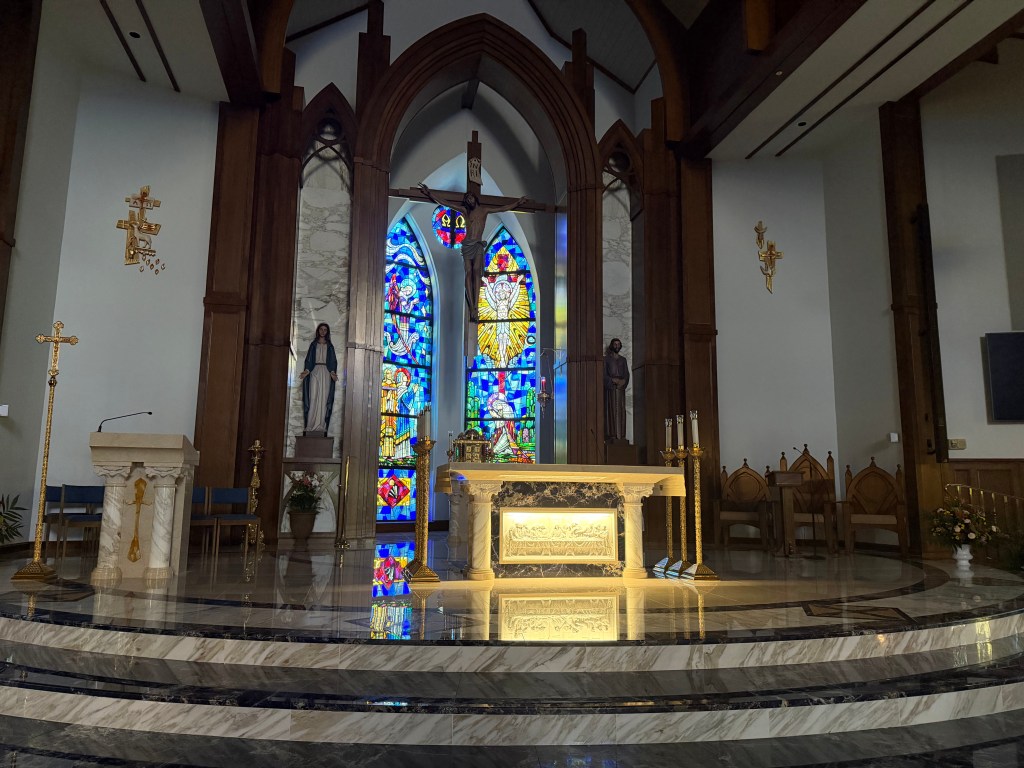
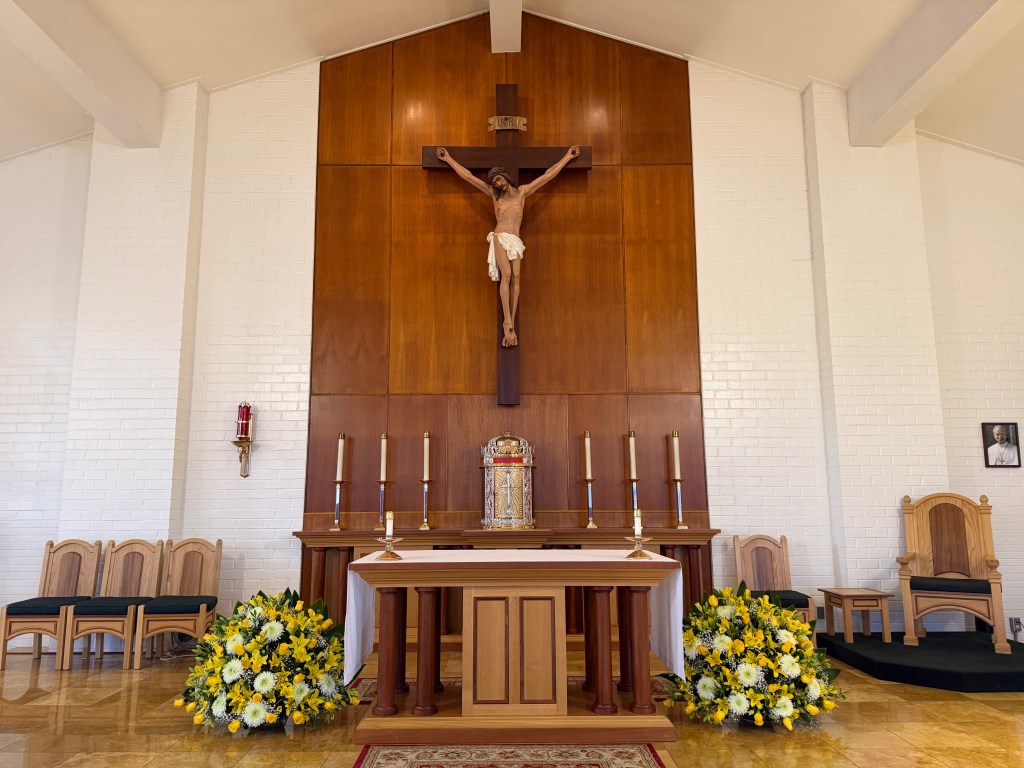
Photo: Be aware what brings you closer to experiencing God and his love for you and do that! Holy Hour at St. Gerard Majella Catholic Church this morning.
Healy, Mary. The Gospel of Mark. Grand Rapids, MI: Baker Academic, 2008.

“I yearn to see you again… that I may be filled with joy.”
“I yearn to see you again, recalling your tears, so that I may be filled with joy, as I recall your sincere faith that first lived in your grandmother Lois and in your mother Eunice and I am confident lives also in you” (2 Timothy 1:3-5).
What is wonderful about the words that St. Paul wrote to Timothy was not only the affection he had for Timothy, his recalling of Timothy’s tears, which was most likely from their last parting, but also that he knew Timothy’s mother and grandmother. He also remembered their names and the depth of the faith of each. What will bring him great joy is seeing them again. Who would we write a letter like this to?
We are at our best when we resist slipping into a deist understanding or misunderstanding that God is just something or someone out there, the big guy in the sky. God is a person, three persons, a divine community of love. God thirsts and hungers to be in relationship with each one of us. He is so far beyond our imagination and conception while at the same time he is closer to us than we are to ourselves. The Father sent his Son to us so that we can share in the divine love of the community of the Trinity. We are invited to build a relationship with God and that is to be our top priority.
As God is not just an idea, Christianity is not just a philosophy or even a theology. Christianity is an invitation to be in a relationship with a person, the God made man, Jesus the Christ. This faith in and willingness to enter into a relationship with God was lived by Lois, passed on to Eunice, and they both modeled and shared their relationship with God to Timothy.
They knew and loved God and one another, they cared for and supported each other, and they welcomed Paul into their family such that he knew them well enough to refer to them by name. Do we know Jesus or as St. Mother Teresa would ask her sisters: “Do you really know the living Jesus, not through books, but by being with him in your hearts?” (Sattler, 20). As we get to know Jesus and experience his love, allow his heart to touch our hearts, we begin to trust him. As we trust him, we spend more time with him and grow in intimacy. As we know Jesus, we come to know his Father and the Holy Spirit, and will begin to know each other better as well.
Dr. Leo Buscaglia, a professor at USC shared a story about how he noticed that one of his students had missed class for a few days. When she did not return the following week, he asked her classmates about her whereabouts, and no one knew where she was. He then reached out to the dean of students, and she broke the tragic news to Dr. Buscaglia that she had taken her life.
He was horrified not only by her death but even more by the fact that no one in the class knew anything about her. He then began to teach a course simply titled, “Love Class 101” in which his students came together to learn about building relationships with one another. He was doing what Lois, Eunice, Timothy, and Paul were doing, what faith communities and families are called to do, what we as human beings are called to do: to be loved by God and to love one another.
We can help to shift the tide of growing anxiety, confusion, isolation, loneliness, and division when we make a commitment to spending quiet time with Jesus. As we receive his love, we have something to share. We will care, be more present, communicate and listen, be more understanding and patient, support, and empower one another. In other words, when we are willing to be still long enough to experience God’s love, we will love God in return with our whole heart, mind, soul, and strength, and then we will be better at loving our neighbor as ourselves.
Photo: Blast from past, my teaching days at Cardinal Newman HS. Many fond memories of my teaching years come to mind that still bring me joy.
Sattler, Fr. Wayne. Remain in Me and I in You: Relating to God as a Person, not an Idea. Manchester, NH: Sophia Institute, 2025.
Jesus challenges us to follow him, will we follow?
Jesus has been on a whirlwind tour since beginning his public ministry. Daily he has been healing the sick, casting out demons, teaching with authority, and the number of people continue to gather and press in around him. The authorities have also taken notice are most of the scribes and Pharisees are not pleased with this new upstart rabbi, claiming to preach not from the authority of any rabbi he may have studied with, but on his own. Not only that he is making covert claims and practices that place him on equal ground with God. Not only has the leadership of Jerusalem taken notice, his family from Nazareth have as well.
Jesus has also just called the twelve, representatives of the new Israel. He has returned to the house of Peter and Andrew for a respite. As has been happening, people flock to the home because of their unique needs. The numbers press in with such demand that they made it impossible for Jesus and his disciples “even to eat” (Mark 3:20).
When his relatives heard of this they set out to seize him, for they said, “He is out of his mind” (Mark 3:21). What exactly causes his family to think that he is out of his mind? Is it that Jesus has called Apostles, is it that people are following him in such great numbers to come to be healed, is it that they hear of the growing threat from leadership? Now seeing for themselves the numbers gathering, they don’t get it.
There are many speculations about the “hidden years” of Jesus referring to the fact that there is no mention of Jesus in the gospels from the moment he is twelve years old when Joseph and Mary lose him, until he is about thirty and beginning his public ministry. There are wild speculations about what happened in those unrecorded years, but accounts such as this one support the idea that nothing special happened during that time. Jesus led an ordinary and very simple life and that is why nothing is written.
This could be the reason why his relatives are thinking that he is “out of his mind.” How can this simple carpenter all of a sudden be getting all of this attention? Who does he think he is? Does he think he is better than us?
It also reveals, as we have been seeing with the scribes and Pharisees, and possibly now with Jesus’ relatives, that when we get stuck in our routines, grind ourselves into a rut, and find our definition and security there, we feel safe only in our comfort zones, and that stunts our growth and maturation.
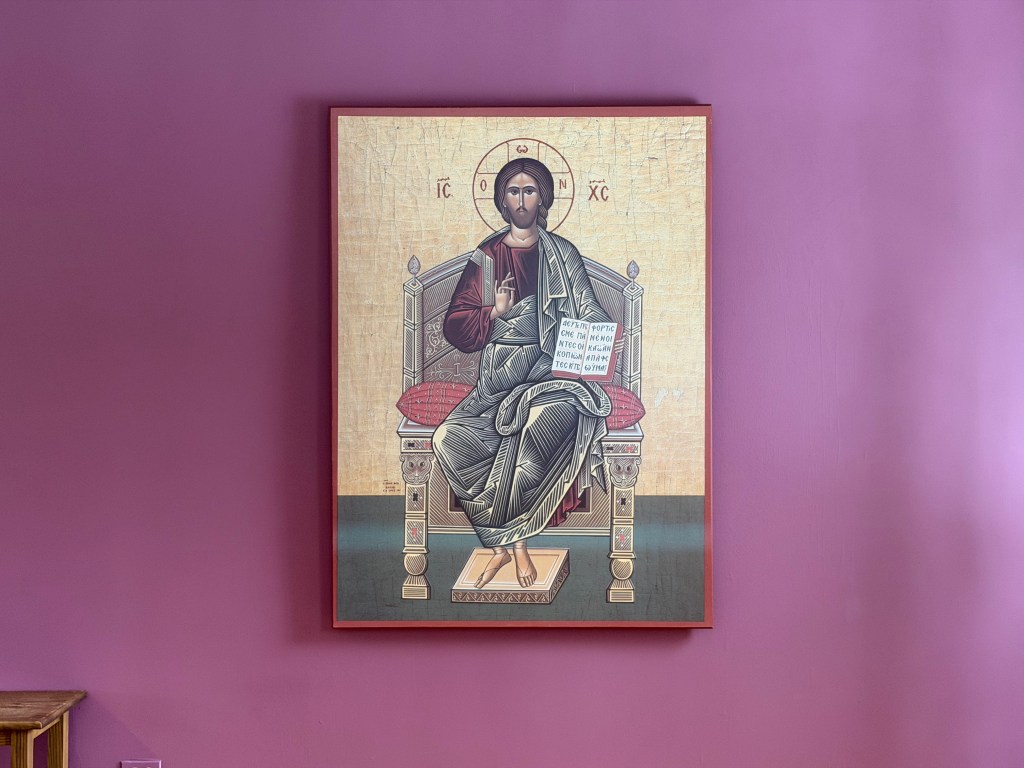
Jesus is a challenge. One of the biggest challenges that he offers is to step out of our comfort zones. We can dig in our heals or trust him and take a risk. Many of Jesus’ relatives as well as the scribes and Pharisees, unfortunately dug in their heels. They were not only unwilling to see who Jesus was, they were not willing to answer his call to follow him as the apostles did.
Jesus, as he shared when he offered the image of the new wine skins, challenges us as well, to be open to the leading of the Holy Spirit. He challenges us not to settle, and he offers to reveal to us the reality that many of us are existing in a chronic state of fight or flight and in perpetual reactive mode. We have not been created to merely survive. God created us to thrive and embrace the gift of our human existence with consolation and joy.
Jesus is inviting us in this moment to breathe, slow and deep. He is inviting us to stretch a bit and to take a risk, to take a step or two out of our comfort zones. Where might that lead? Will we follow Jesus’ call to come and follow him or dig in our heals as well? When we follow Jesus, it will get bumpy, we will be challenged, but following Jesus will lead to our freedom.
Photo: Sitting at the feet of the master USML, Mundeleine, IL.
” A sacrifice of love for the salvation of the world.”
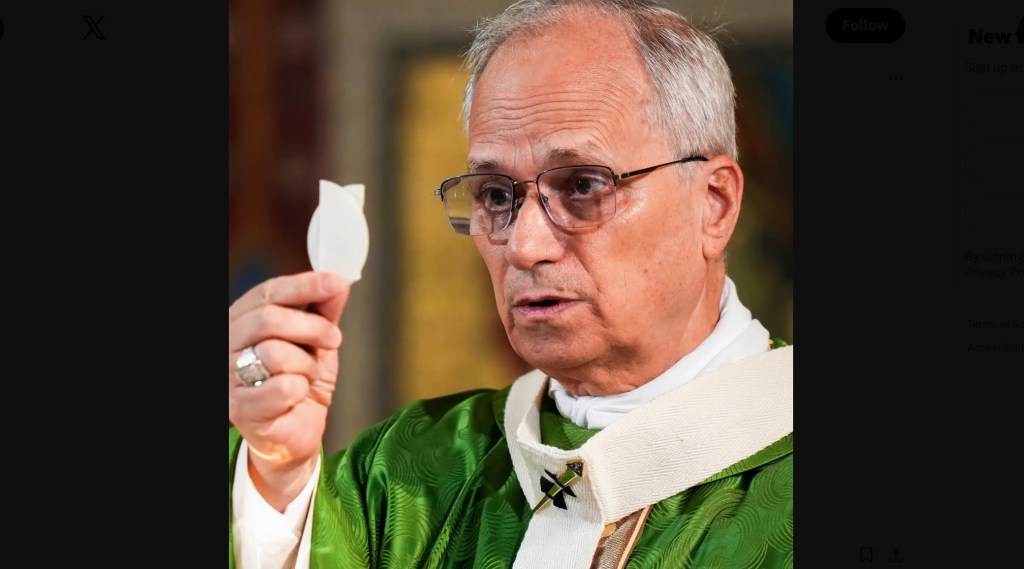
On a significant day in the history of the world, those who gathered around John the Baptist to be baptized in the Jordan heard John speak, “Behold, the Lamb of God, who takes away the sin of the world” (Jn 1:29). The phrase would have brought back the imagery of the blood of the lamb that was placed on the doorposts to save their ancestors from death and also remember the beginning of the Exodus and freedom from slavery. We who attend Mass hear the priest invoke this same phrase as he holds up the consecrated host. Jesus, of whom John said, “Now I have seen and testified that he is the Son of God” (Jn 1:24), was present to testify that the Son of God was in their midst and at Mass the priest does the same, now to free each of us from our slavery to sin.
Jesus is truly present to us in the Eucharist. This is no mere remembrance nor just a symbol. Jesus came to us, to become one with us in our humanity. He continues to do so in the Eucharist so that we can be nourished by his very Body and Blood and so become one with him in his divinity. This gives new meaning to the words we are what we eat! In receiving Jesus in this way, we are transformed and conformed to him so that when we return to our everyday experiences we can see Jesus present in each other. This intimate encounter with Jesus is a gift that we are invited to receive and partake of often, even daily if at all possible.
Many times we struggle in our lives because we may not feel heard or misunderstood, we may not feel accepted for who we are, and/or we feel alone, we may not experience being seen or we make allowances, self ourselves short to attempt to fit in. Jesus comes to us in our places of doubt and confusion, disfunction and disorder, to remind us who we are: beloved daughters and sons of his Father. Through his physical manifestation and presence in the Eucharist, we are reminded that God loved us so much that he sent his Son, not just at one historical point in history, but again and again at each Mass.
Jesus understands our trials and tribulations because he experienced them first hand. He was rejected by the people of his own hometown, many walked away from him when he was offering the bread of life discourse, and even his closest friends betrayed him in his most dire hour. Yet, he experienced joy even in these moments because he followed his Father’s will. He teaches us how to experience that same trust and love in the Father as he experienced then and continues to experience.
As we gather around the table of fellowship to experience the sacrifice of Jesus that is re-presented in his real presence, we experience again that Jesus has died for us and rose again conquering death, that we might have life; not just mere existence but instead a life of consolation and fulfillment. He died for us so he could be present to us in the very simple elements of bread and wine anywhere and everywhere in the world, to remind us that we are never alone and that our lives, as well as those we care for, can be better.
When we come to Mass we do not come for ourselves alone. We come to participate in the heavenly banquet feast that happens on earth as it is in heaven. We come to pray for the salvation of the world. We come to be transformed by the Son of God and as we consume him in such an intimate way, we become more and more conformed to his Body. “The Lord receives, sanctifies, and blesses the bread and wine that we place on the Altar, together with the offering of our lives, and transforms them into the Body and Blood of Christ, a sacrifice of love for the salvation of the world” (Pope Leo XIV, Angelus June 22, 2025).
Come to the feast and invite others to join you so that together we may, “Behold, the Lamb of God, who takes away the sin of the world” (Jn 1:29). Together, we may be saved, healed, and know that we are not alone but loved more than we can ever imagine and given the mission to go forth to heal and love others as we have been.
Photo: Pope Leo XIV celebrating Mass at the Shrine of Santa Maria della Rotonda in Albano Laziale, Italy, Aug. 17, 2025 (CNS photo/Lola Gomez).
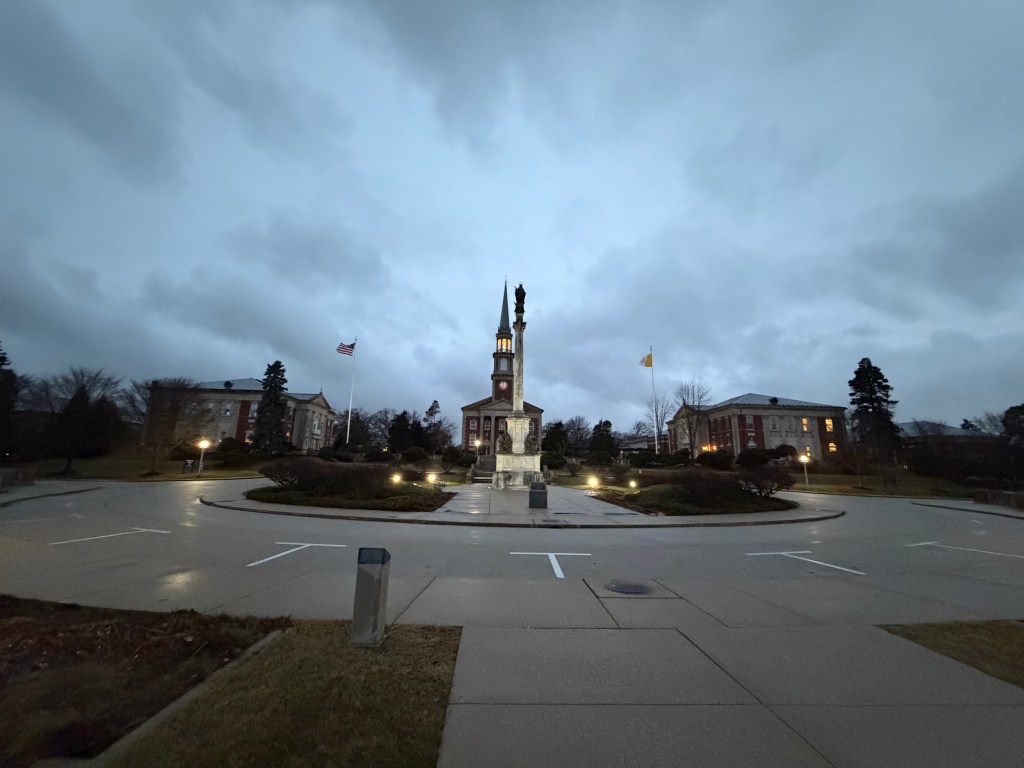
Each day we awake and consecrate our heart to the Lord, we will experience his joy!
“So this joy of mine has been made complete. He must increase; I must decrease.”(Jn 3:29b-30).
How could John be feeling joy with decrease? This is counter to what many aspire to in our country. Aren’t we supposed to obtain more, be more popular, and not rest on our laurels if we are to be happy? If our end goal is, fame or honor, wealth, power, and/or pleasure, above all else, then yes that would be true. But John is giving us an insight here about what brings us real joy.
True joy comes from God himself. He is the one who will satisfy our deepest longings, the ones that we are not even aware of! This is even deeper when we have found our meaning and purpose, or vocation in life. John was clear about his mission. John came to prepare the way of the Lord. He experienced this from the time when he leaped in the womb when Mary first arrived to see Elizabeth. From that moment, he was preparing the way for Jesus and continued to do so into his adult life. He was not distracted by how many people he was or was not baptizing because he did not see Jesus as competition. Each of them were playing their part in saving humanity and the world. John focused on his part, preparing people to be ready for the coming of the “Lamb of God, who takes away the sins of the world” (Jn 1:29).
John is not threatened by Jesus as was Herod, he was overjoyed that the time of fulfillment had come. What John had been called to do by God he had been doing and would continue to do. The reality that Jesus increased and John decreased brought John joy because this was the fulfillment of his mission. How many of us get to experience the fruits of our labor in the moment or even our lifetime?
If we want to be happy, experience joy, and be fulfilled, then following the lead of John the Baptist is a pretty good way to start. I do not necessarily mean selling off everything and living in the wilderness. The important point is that John cultivated a relationship with God. He came to know God’s voice, was open to his direction, acted on his leading, found confirmation, and became clear of the part he was to play in salvation history.
Each and every one of us has a specific role to play in God’s plan. We come to understand our mission by slowing down and becoming consciously aware of the relationship God is inviting us to participate in. As we do so, we also experience the Holy Spirit who, in the words of Pope Francis, “impels us to open the doors and go forth to proclaim and bear witness to the good news of the Gospel, to communicate the joy of faith, the encounter with Christ. The Holy Spirit is the soul of mission” (Francis 2014, 48).
I enjoyed teaching at each level, elementary, middle and high school. As I saw my teaching career coming to a close because I knew that Jesus was leading me to the priesthood, I experienced joy, not because I was leaving a career and vocation I was blessed with, but was taking the next step that the Holy Spirit had called me to participate in. I am also glad that I have been able to continue to share these reflections. There have been many evenings in which my body was ready to head for the land of dreams but I have found joy even when weary to do so mostly each day.
When we allow ourselves to listen, we will hear and begin to recognize the voice of Jesus in the silence of our hearts, we will better discern where we are placing our thoughts, time, and energy, as well as better examine how God is inviting us through his creation, our experiences, and relationships. As we step out and risk, following the lead of the Holy Spirit, as we decrease and allow Jesus to increase, he will not only confirm for us but provide us with the means to accomplish our mission and we will experience his joy!
—————————————————————————–
Photo: “My heart is steadfast, God, my heart is steadfast. I will sing and chant praise. Awake, my soul; awake lyre and harp! I will awake the dawn.” (cf Psalm 57). Last morning at USML.
Pope Francis. The Church of Mercy: A Vision for the Church. Chicago: Loyola Press, 2014.
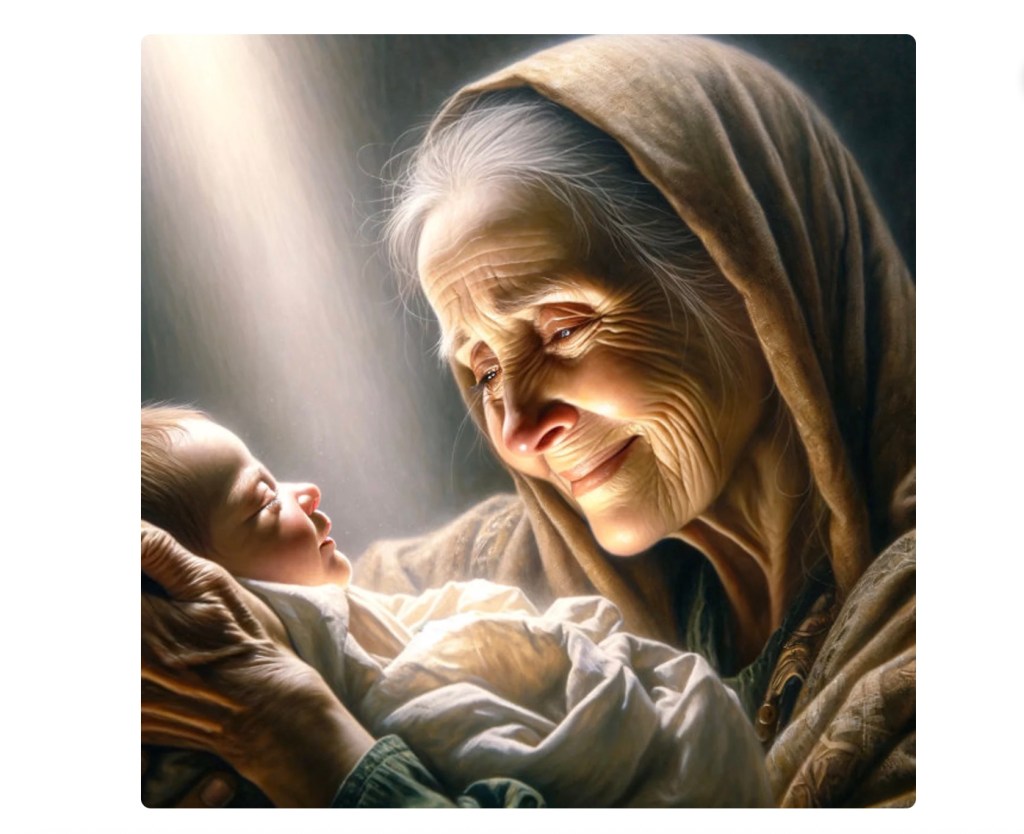
May we, like Anna, speak about how our encounter with Jesus has changed our lives.
We have no evidence of what the encounter with the baby Jesus meant for Anna, Simeon, the Magi, or the shepherds. What most likely happened was that they all did as Anna did, she “spoke about the child to all who were awaiting the redemption of Jerusalem” (Luke 2:38). Since they followed God’s invitation to come and see the baby in their own unique ways, even though their part in God’s theodrama was no longer recorded in the Bible, their lives were most likely not ever the same again as they continued to share the good news they experienced.
The account continued for Joseph, Mary, and Jesus who, “returned to Galilee, to their own town of Nazareth. The child grew and became strong, filled with wisdom; and the favor of God was upon him” (Lk 2:39-40). No ticker-tape parade, no giving the key to the city, and no gala ball awaited the Holy Family when they returned to Nazareth. They went on to live very simple lives preparing for the appointed hour.
The Advent and Christmas accounts of these past few weeks have revealed a wonderful tapestry of men and women accepting God’s invitation. In their own small and unique ways they have collaborated with God who works through the everyday events of people’s lives, more often than not unseen. We would do well to ponder and follow their examples. St. Mother Teresa learned from her namesake, the Little Flower, St. Therese of Lisieux, to do just that, not get caught up seeking to do great things, but to do little things with great love.
As the Christmas Season continues, let us do the same as life has already or has begun to shift; families and friends have come and gone or are readying to go, vacation days are coming to an end. Let us resist the temptation to get lost again in the busyness of life. Let us appreciate the gift we have been given, to meditate, ponder, and think a bit more about the accounts of Jesus and the supporting cast around him. What do these stories mean for each of us? Life can be hard and can change in an instant because it is fragile. Let us not take our family and friends for granted. May we take a deep breath and renew our commitment to God and each other.
As the Holy Family begins their journey to Nazareth and their simple life, as we begin to return to our regular daily routines, may we be a little more aware and open to the quiet and gentle ways of how God is working in our lives. May we commit to supporting and caring for one another, be a little more aware and reach out to those in need, express our need for help and allow others to assist us. As we do so, we will start to recognize the simplicity of divinity operating within the midst of our human interactions. The Holy Spirit is inviting us to be transformed in this new year, to watch, pray, and cooperate, so that he may kindle in us the fire of his love so that it may spread to others and renew the face of the earth.
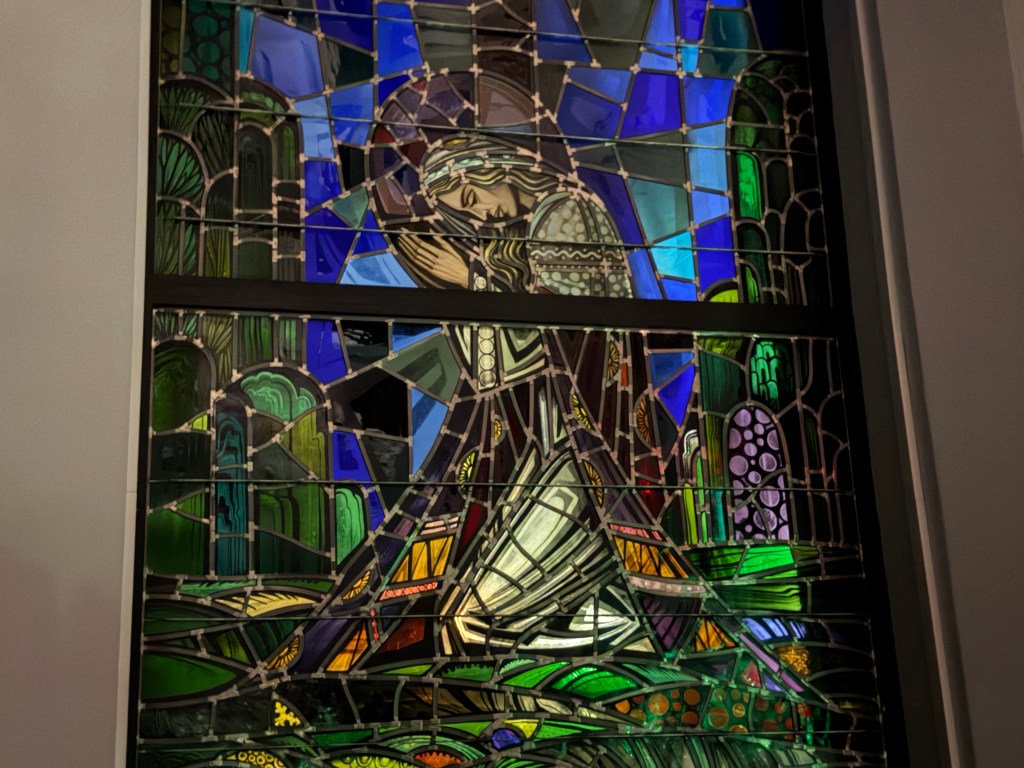
“When everything is said and done, we are infinitely loved.”
Jesus sent out these twelve (Mt 10:5).
Jesus sent out his Apostles to minister in his name and share the Gospel as he did, declaring that the “Kingdom of heaven is at hand.” Our faith tradition is one of evangelizing, sharing the Good News. That means that first and foremost we need to be people of joy. We may share the most wonderful words about our faith, but if they are not backed up by a life of radiating joy, then our words will have little if any impact.
This does not mean that we are happy and buoyant every second of the day, it does not mean that we will not experience hardship, sorrow, and loss. What it does mean is that we are not defined by our suffering, the trials we face, nor our wide range of our emotions. God also calls us to face tough realities when it might be easier to remain in our comfort zone. In the midst of each of these and other challenges, we can experience hope because God is with us. He seeks to comfort us in our weeping, provide for our needs, guide us in the right way we are to walk, and give us the strength to do so with each step we take.
What defines us is God’s love. We will experience great joy when we slow down long enough to allow God to love us. We will then know that we are not alone in our trials. Jesus experienced the fullness of our human condition, from his conception, birth in a cave, having lived a life of hardship and poverty that led all the way into the depths of betrayal, injustice, and God forsakenness on the cross. He did not just suffer on the cross but he also experienced death. Yet, through the indelible, binding force of the Holy Spirit, the love shared between Son and Father, Jesus was drawn back to life and conquered death not only for himself but for us all.
This is the good news we are to share. Jesus conquered death for each of us. How we live our lives each day and interact with others may be the only Bible that someone else will ever read. May we share the joy of our relationship with Jesus, may we share the joy of the lives we have been given, for: “Joy adapts and changes, but it always endures, even as a flicker of light born of our personal certainty that, when everything is said and done, we are infinitely loved.” – Pope Francis from his apostolic exhortation, Joy of the Gospel, line 6.
Photo: Mary Magdalene, apostle to the apostles at the foot of the cross. She experienced the joy of being infinitely loved. May she intercede for us that we may as well!
Link for the Mass readings for Saturday, December 6, 2025

The beatitudes lead us away from the false promises of this world to experience real joy!
Blessed are you when people hate you, and when they exclude and insult you, and denounce your name as evil on account of the Son of Man” (Lk 6:22).
The Beatitudes are contrary to much of what too many of us are tempted by when seek our satisfaction, security, and fulfillment. Much of us are lured in some form or fashion, by power, fame, wealth, pleasure, and celebrity. What is more, how many of us who proclaim to be people of faith resist Jesus’ teachings because of self-centered reasons? We hold on to things that keep us from God, that really do not make us happy.
In today’s Gospel account from Luke, Jesus began to teach his disciples on a deeper level. He had just chosen the twelve by name and that number would not have slipped by them. Their thoughts were more than likely moving closer to the realization that Jesus was the Messiah, the promised heir of David. Would he be gathering them together to restore the twelve tribes of Israel and overthrow the occupying power of Rome? Yes, but not in the way they were thinking.
Jesus’ presentation was not about taking up military or physical armaments, but spiritual ones of attaining the kingdom through four blessings and dashing the common hope with four woes. Jesus’ message is a universal message, an invitation to and for all who have ears to hear as well as hearts and minds open to receive. Jesus spoke not only to his twelve newly hand picked followers as wells as those from “Judea and Jerusalem” but also those from the “coastal region of Tyre and Sidon” (Luke 6:17). That Jesus did not dismiss but was teaching those from Tyre and Sidon would not have been missed either. They were from Gentile territory.
Jesus’ teachings challenged all present and they challenge us today to evaluate where we are placing our trust and security. If we are placing our trust in the things of this world, the four woes section is for us, for that which is finite and material are fleeting and passing. By placing our trust in Jesus, his Father and the love shared between them, the Holy Spirit, the beatitudes will lead us to experience joy.
Being poor, hungry, in mourning, hated, excluded, insulted and denounced as evil will bring us happiness? Yes. Because each of them counter the typical substitutes that we can be tempted by and place before our relationship with God. Each of the beatitudes that Jesus offers are invitations to experience true joy. We just need to be willing to relinquish putting self first and seeking pursuits apart from God’s will.
When we rely more on God and less on material things, even relationships, when we depend more on God alone, our relationships and our pursuits will be more properly ordered. With God first, we will experience order and peace and… what is so fleeting to so many who seek both in the things of the world, we will experience real rest. If we are serious about being Jesus’ disciple, then a good place to start is learning and living the beatitudes. This is no easy task but when we look at each one and begin to detach from the attachments they allude to, “we will rejoice and leap for joy” (Lk 6:23)!
Joy because we will then have the inner freedom to experience the good things that God gives and less ensnared by them. We will be fueled not by the advancement or aggrandizement of self, but by emptying our ego, we will have room to receive the love of Jesus, the source of our joy, which wells up from within and never runs dry! Jesus is the kingdom of Heaven that is at hand and he will lead us, if we are willing to follow, to the ultimate desire and deepest craving and hunger of our being, to be in communion with God and one another.
———————————–
Photo: EnJOYing another beautiful sunset painted on God’s canvas of creation Sunday evening. May you experience a taste of the joy God is seeking to bring you today!
Link for the Mass readings for Wednesday, September 10, 2025

Life is a fragile and precious gift to be respected and celebrated.
Mary “traveled to the hill country in haste” (Lk 1:39) and as she drew close and called out to announce her arrival: Elizabeth heard Mary’s greeting, [and] the infant leaped in her womb, and Elizabeth, filled with the Holy Spirit, cried out in a loud voice and said, “Most blessed are you among women, and blessed is the fruit of your womb” (Lk 1:41-42). This is an encounter of joy. Elizabeth’s response is a confirmation to Mary’s, “Yes”, to the angel Gabriel, that she has indeed conceived in her womb the Son of God who was taking on flesh and becoming one of us, a human being, as she traveled to the hill country. Elizabeth’s son recognized him, and in leaping with joy, helped to get the celebration started!
The encounter and interaction between Mary and Elizabeth, Jesus and John, at the Visitation is a model for us of discipleship. Touched by the Holy Spirit we are to go out to share the Good News that God our Father loved us so much that he sent his Son to be one with us. He was willing to enter into our humanity. Some of the earliest heresies in the Church, which are still perpetuated today, were birthed because of an unwillingness to accept this gift, that God entered into and embraced our humanity, that God would become human was and is still for too many, inconceivable.
Yes, we have been wounded by sin, but we have not been destroyed and completely undone. The coming of the Son of God as one of us is an opportunity to be healed, to be born again from above, and this can happen through the same love of the Holy Spirit that inspired John to leap in Elizabeth’s womb and for her to rejoice.
May we resist the mind noise from within, and without from other people who tell us overtly and/or covertly that we are worthless or nothing. Not true! Through our very being, we are created in the image and likeness of God, we have been created by love, to receive and to share love. We are a living craving hunger and desire to be in communion with God and one another. This is true for the atheist and the believer alike. We are called to will the good of the other as other as they are, unconditionally. If we have fallen short, a little or a lot, in the way we have been treating ourselves and/or others lately, today is a new day to take Jesus’ hand and begin anew. Let us celebrate with Jesus, Mary, Elizabeth and John.
We are celebrating that Jesus was born for us, he lived that we might not only be shown a better way, but know that he is the Way. Jesus became vulnerable for us, a key ingredient in unconditional love: to be willing to risk being authentic to who God called him to be, even to being willing to be rejected, even if that meant that all might walk away from him. May we be willing to be vulnerable, to risk, to share with others who we are, free of masks and pretense. May we be present to, and also walk and accompany one another. Being there for our family and friends is important, and if we take our Christianity seriously, we must come to acknowledge, in concrete ways, person to person, that we are all brothers and sisters, that in Christ we are all related.
Just as the sun shines on the good and the bad alike, Jesus died for each and every human being, all of us. After his resurrection and ascension into heaven, he sent the Holy Spirit, the love shared between the Father and the Son, to empower us to live as he did, in communion with his Father, so to better actualize our communion with one another.
An invitation for the transformation of all humanity and creation happened at the Galilean hill side when two simple women said yes to God and embraced with joy. They came to embrace not only each other, but their vocation. May we join them in saying, “Yes”, to God, follow his will with joy as Mary and Elizabeth did and with them, celebrate the gift of life, because as each of these mothers would experience all too soon, life can be taken quicker than they could or we can ever imagine.
We do not know the time or the hour, so let us like Mary go in haste to tell those we care about that we love them. Let us make that call, send that card, email, or text, and/or invite that person for a walk, to sit down and visit. Especially amidst the expansion of divisive and polarizing darkness, may we be a light to all we encounter. Empowered by the love and joy of Jesus, may we encourage, empower, and lift one another up so as to treat each other with dignity, respect, kindness, and understanding. The easiest way to start is when you catch the eye of another, smile. In that simple gesture, we say to the other person that we care enough to make the time to acknowledge their dignity, their worth, and to let them know that they exist and have meaning.
On this feast day of the Visitation, may Mary and Elizabeth intercede on our behalf that we may honor all life from the moment of conception, through each stage until natural death. We start simply by appreciating and respecting the dignity of each other a bit more today than we did yesterday. “All we have to decide is what to do with the time that is given to us” (Gandalf said to Frodo in The Fellowship of the Ring, JRR Tolkien). Let our choice be to build a culture of life.
——————————————————————–
“The value of the person from the moment of conception is celebrated in the meeting between the Virgin Mary and Elizabeth, and between the two children whom they are carrying in the womb” (St. John Paul II, Evangelium Vitae, 45, in Gadenz, Pablo T. The Gospel of Luke. Grand Rapids, MI: Baker Academic, 2018). Photo credit: OSV News photo/Giancarlo Giuliani, CPP
 Spiritual Stepping Stones