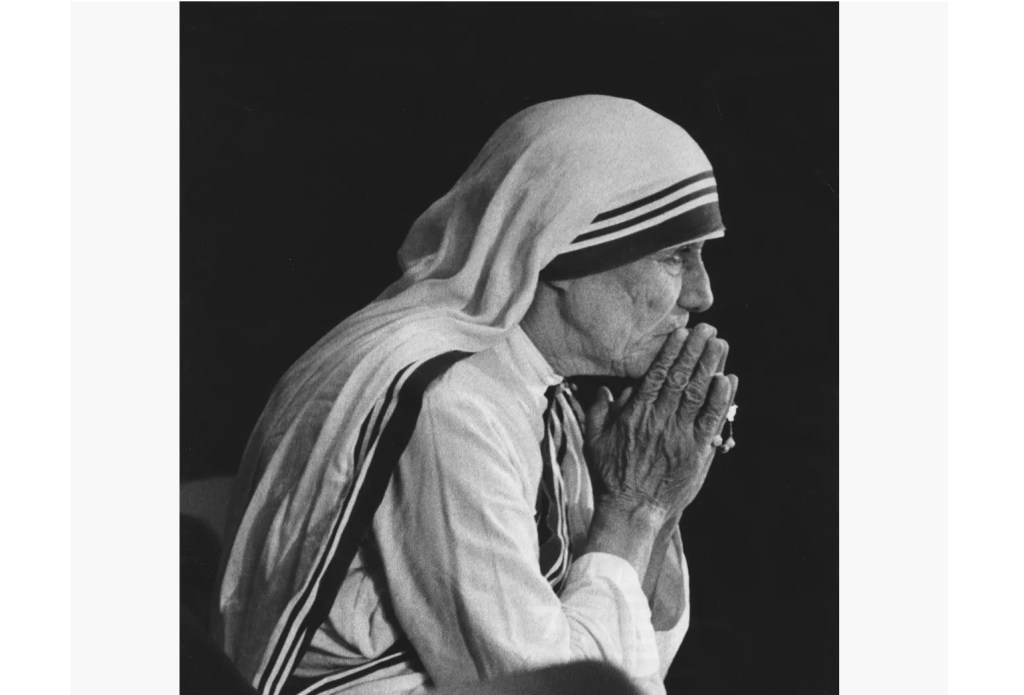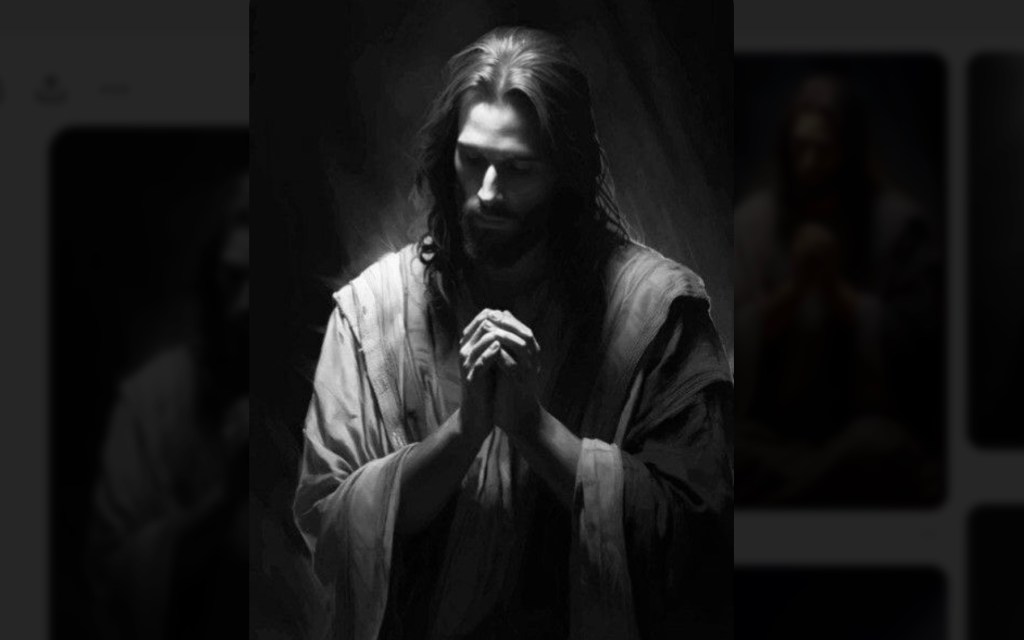
“Holiness is standing in the fire of self-knowledge and letting it burn” – Fr. William Sattler

Jesus said to his disciples: “I have come to set the earth on fire, and how I wish it were already blazing” (Luke 12:49)!

This fire that Jesus has come to set is the purifying fire of God’s love which will be manifested brilliantly at the feast of Pentecost when the Holy Spirit will come like tongues of fire to land upon and transform the apostles. But before that time, there will be a baptism in fire, the passion, suffering, crucifixion and death of Jesus. As he did in the baptism of water he submitted to with John to join in solidarity with us in our human sinfulness, in the crucifixion, he is baptized with fire. Jesus took upon himself the worst fallen humanity had to offer, betrayal, injustice, violence, indifference, scapegoating, mob rule, indignity, inhumanness, and God forsakenness itself.

Impure metals, like gold and silver are placed in a crucible to be heated. The metals become liquified so that the dross, the impurities, will burn off and the metals are purified. The cleansing waters of baptism and the confirming fire of the Holy Spirit purifies and transforms us as well. Yet that is not enough. It is through our daily lives that this purification will continue. That is why Jesus continues: “Do you think that I have come to establish peace on the earth? No, I tell you, but rather division” (Lk 12:51).

Interesting words offered by the Prince of Peace. He has come to set fire on the earth and to establish division. What Jesus is sharing is that to be his disciples, God must be first in our lives. We are to love God with all our hearts, souls, strength, and minds and we are to love our neighbors as ourselves. We are to love in that order. When we love God first then all our loves will burn away as they are apparent goods, and those that remain will be properly ordered.

Putting God first will cause division because there will be those who are not willing to do so, even within the same family. Others might have different ideas of what it means to put God first. We can learn from Jeremiah and Jesus that putting God first has a cost, even if that meant all would turn on them.

Jeremiah followed God’s call to be a prophet. This did not exactly turn out to be a peaceful vocation. As is presented in our first reading, Jeremiah was persecuted for sharing the word of God with his own people of faith. They refused to repent and return to God and they refused to listen as the impending destructive power of the Babylonian army was storming upon them and about to be unleashed. Surrender was not in their vocabulary, to the Babylonians, and unfortunately, neither to God.

They refused to listen to God through Jeremiah and instead the princes received permission from the king to throw “him into the cistern of Prince Malchiah” (Jeremiah 38:6). Jeremiah was left sinking in the mud, and left for dead. It was only through the compassion of the appeal of the court official, Ebed-melech, that Jeremiah was pulled up to safety before he starved to death.

We can see not only Jeremiah’s faithfulness in the face of extreme opposition, but in this account we can also see a foretaste of Jesus. He was also persecuted by his own people and left for dead. There would be no Ebed-melech to come to his aide. Jesus died a humiliating and horrific death on the cross descended into the realm of the dead. Like Jeremiah, he went down. And like Jeremiah, he would be raised up. Jesus conquered death and rose through the power of the Holy Spirit.

Both Jeremiah and Jesus, in following the will of God, advocated for repentance and transformation, they sought to bring unity and peace, and yet for those who refused to receive their message and follow them, they were signs of division, demoralization, and ruin. Both followed God in the line of prophetic tradition, which announced that before there will be true reconciliation and peace, before the promised return and unification of the scattered Twelve Tribes of Israel, there will be a time of tribulation, a time of cleansing. For Jesus, there could be no resurrection until he went to the Cross.

How can we live our lives with the faithfulness of Jeremiah and Jesus? We can’t, on our own, alone. If we are to be disciples of Jesus, we need to be people of prayer. We need to daily turn our hearts and minds to God in prayer. “There is nothing more important that we will ever do than pray. That is why the devil hates prayer and tries to chase you away from any prayer” (Sattler).

The devil’s greatest weapon against us is distraction. If we are even willing and able to hear the call of the Holy Spirit inviting us to pray, our first response may be, I don’t have the time. And when we do, the next challenge will be resisting the myriad distractions, diversions, and temptations that the enemy will hurl at us to lead us away from even a minute of prayer.

“This restless being wants to pray. Can he do it? Only if he steps out of the stream  of restlessness and composes himself… No sooner has he started to pray than, conjured up by his inner unrest, all sorts of other things clamor for attention… prayer seems a sheer waste of time, and he fritters it away with useless activities. To recollect oneself means to overcome this deception which springs from unrest and to become still; to free oneself of everything which is irrelevant, and to hold oneself at the disposal of God, who alone matters now” (Guardini, 12).

The beauty of the temptations of the devil is that he is revealing to us exactly what God wants us to see. Our weakness, wounds, sins, attachments, disordered affections, and anything that is diverting us from keeping our face on Jesus. The same face that Peter held fast to when he walked on the water, and then sank when he allowed the distractions of the wind and the waves to look away. We continue to behold the gaze of Jesus when we are vigilant and consistent with praying daily and growing in our prayer so that we also pray in our activity and our challenges.

“Holiness is standing in the fire of self-knowledge and letting it burn” (Sattler). We are called to be still and identify our wounds, distractions, and temptations so that we can hear more clearly to identify whose voices we are listening to. When we are willing to enter into the crucible of the Holy Spirit and allow ourselves to be purified by the fire of his love, no matter what the devil throws our way, we can stand tall. When we resist running, trust in Jesus’ love for us, and remain, all that is not of God will be burned away.

The peace, stability, and unity that we seek comes by taking up our cross daily and walking with Jesus. When we are tempted in any way, let us turn to Jesus immediately. In this way, temptations and diversions will not lead to moments of sin, but will be invitations to receive God’s grace. When we do fall, we simply repent, turn away from the sin, turn back to God, learn from the experience, pick up our cross, and begin again.

With each step we will find healing, forgiveness, and courage. The fear, anxiety, and insecurities will become less, we will heal, as long as we remain in the presence of God’s purifying love and let him burn. We will slowly come to know God’s will for our lives and that is the meaning and fulfillment we all seek.  Jesus has blazed the trail before us. As we remain faithful to prayer, trust and follow him, he will continue to empower and strengthen us that we may continue to walk on as his disciples.

————————————————————–

Photo: Water and fire are powerful signs of the love of the Holy Spirit’s transformative power in the Bible.

Quotes from Fr. William Sattler received from his interview with Matthew Leonard on his podcast, The Art of Catholic on his YouTube channel.

Guardini, Romano. The Art of Praying: The Principles and Methods of Christian Prayer. Manchester, NH: Sophia Institute Press, 1985.

Link for the Mass readings for Sunday, August 17, 2025

“Holy Mary Mother of God, pray for us sinners, now and at the hour of our death.”

There was no one on this earth closer to Jesus than Mary. He was conceived in her womb, she bore him, nursed him, raised him, initiated his public ministry, held him in her arms as he was taken down from the cross, and she was with the Apostles in the upper room when the Holy Spirit descended upon them. Mary from her own beginning, through God’s grace, experienced an Immaculate Conception. When her time came to leave this life, who better than Mary to have experienced the “singular participation in her Son’s resurrection and an anticipation of the resurrection of other Christians” (Catechism of the Catholic Church 1997, 966)?

Today we celebrate the official dogmatic constitution issued by Pope Pius XII in 1950, the Assumption of Mary, acknowledging what the Church has recognized from the beginning, the special grace she received from her Son. Jesus is the promise and Mary is the hope that we will live eternally with our heavenly Father, for Mary is now where we will one day be, body and soul.

Jesus and Mary have undone the sin of Adam and Eve. They, in their continual faithful life of saying yes to the will of God, opened up heaven for us. In our darkest trials, when the storm clouds of injustice, racism, violence, division, and polarization gather, when a situation or conflict does not appear to be getting any better, when death may be imminent, and/or when a loved one has died, even then, death does not have the last word because we are not alone.

As St. Paul wrote to the Church in Corinth, “Christ has been raised from the dead” (1 Corinthians 15:20). Jesus is the first born of the new creation. We are invited to join Jesus in participating in his new Kingdom on earth as it is in heaven, preparing ourselves in this life for eternity in the next. How? By doing what Jesus and Mary did. We are to open our hearts and minds to God, hear and observe his word, and put into practice what we receive.

Mary was not blessed so much because she gave birth to the Son of God but because she heard the Word of God, pondered it in her heart, obeyed, and put it into practice. This is why the Church calls Mary the model of discipleship. Just as the moon does not radiate because of its own light but reflects the light from the Sun, so Mary reflects the light of her Son.

Mary radiates the light of Jesus in her thoughts, words, and deeds and we are to do the same such that when people look at us they no longer see us but the love of Jesus radiating from us. How do we radiate Christ to others? We become deified, our likeness to God is to be restored through our participation in the life of Jesus. This happens when we make a daily commitment to meditate, pray, and contemplate the words that God has given to us in Sacred Scripture, so as to allow the Holy Spirit to transform us by the holy fire of his love.

A simple way to begin is to commit to a time and place every day to ponder the mysteries of Jesus and Mary. One beautiful way is to practice the Rosary which embodies all three of the traditional forms of Catholic prayer, vocal, meditative, and contemplative. You may feel that praying a Rosary in one setting is too much of a task to undertake, then start with one mystery. Make the Sign of the Cross, take in three, deep breathes for each Person of the Trinity, announce the mystery and begin to ponder the mystery you have chosen.

Since today we are celebrating the Solemnity of the Assumption of Mary, ponder this beautiful mystery. The Lord’s Prayer helps to quiet our minds so we can ponder. Each Hail Mary, like background noise in a movie, helps our minds to resist distraction. Then as our mind stills we can stop the vocal part of the prayer and just imagine Mary’s final hours, maybe with the Apostle John by her side. We can imagine ourselves joining him and experiencing the peace of not only her passing but of her Assumption into heaven, body and soul. We can contemplatively rest in God’s peace that we have received from our time with Mary and the promise that she is where we will one day be and remember who we are, beloved daughters and sons of our loving God and Father.


Photo: “… by her Assumption, she goes ahead like her son to prepare a way for us.” – From The World’s First Love, by Fulton J. Sheen.

Link for the Mass readings for Friday, August 15, 2025

Prayer helps us to restore our likeness to God.

He took Peter, John, and James, and went up the mountain to pray (Luke 9:28).

Peter, John, and James experienced Jesus’ profound teachings, his powerful signs, his wonders, and they also witnessed his healings, casting out demons, and forgiving of sins, which, alluded to the reality that he was the Son of God. Peter, James, and John, although acknowledging Jesus as the Messiah, still pretty much looked at Jesus as a human being. In the encounter of Jesus transfigured, Jesus revealed to his inner circle of Apostles not only a foretaste of what was to come in heaven but a glimpse of his actual divinity.

Jesus is not 50% God and 50% human. He is fully God and fully man. This is the Mystery of the Incarnation; the reality that the second Person of the Trinity took on flesh and became human. This is an important reality, because in this very act of Infinite Grace, the Son of God assuming humanity, Jesus, Emmanuel, God with us, as St. Irenaeus wrote, “opened up heaven for us in the humanity he assumed.” The Son of God became one with us in our fallen and sinful state so that we can become one with him. Through participation in the life of Jesus Christ, we can be restored and deepen our relationship with his Father, and we too can be transformed.

“By revealing himself God wishes to make [us] capable of responding to him, and of knowing him, and of loving him far beyond [our] own natural capacity” (Catechism of the Catholic Church 1997, 52). This reality of the invitation of communion with the Loving God and Father of all creation is for all. Authentic joy and fulfillment are achieved through developing a relationship with the God of Jesus Christ.

Many may say they are happy and living a good life without having a relationship with Jesus Christ, the do not need God or his Church, and I would not disagree with them. I would only add that if we are honest with ourselves, there is more to life than the mere material and finite reality we see and what experience with our senses. When we slow down enough, when we are actually still enough, we can experience a deeper yearning for more, and begin to see what is keeping us from the deeper reality Jesus is offering.

Even with great achievement, mastery, honor, and accumulation, there is still a lingering question, “Is this all there is?” We experience consciously or unconsciously a restlessness, we continually search to fill this unease, feeling satisfied for the moment, but eventually in short order, we are left empty, time and time again. This unease is our soul’s yearning, our transcendent nature longing for more, and that longing is for the infinite that the finite cannot provide. St Augustine of Hippo articulated this desire and yearning so well in the opening chapter of his autobiography, Confessions: “You move us to delight in praising You; for You have made us for Yourself, and our hearts are restless until they find rest in You.”

The Feast of the Transfiguration is an invitation to embrace the fullness of what it means to be human, as the Son of God did through the Mystery of his becoming one with us, all of us, all of humanity, not just a select few. We are invited to embrace the fullness and rich diversity of our humanity; the reality that we are physical, emotional, intellectual, while at the same time, spiritual beings. Our fulfillment and joy come from a balance of nurturing the reality that each and every one of us have been created in the image and likeness of God.

Peter, John, and James, as well as each of the saints, embraced the invitation of Jesus and were healed. The likeness to God that was lost in the fall of Adam and Eve was restored through their lives of prayer, service, and growing in relationship with Jesus. We can see the restoration of the likeness through such biblical imagery as Moses’ face which radiated after his intimate encounters with God and in the transfiguration of Jesus with not just his face but his whole being.

Setting time away with God daily to speak with him, listen, as well as follow the guidance of God will help us to grow in holiness and restore our likeness as well. Our hearts and minds and souls will be expanded and transformed such that we will experience the fullness of our humanity, be purified and perfected by our Father’s divinity. We will also embrace the gift of our common dignity and love others as we are loved.
———————————————————————–

Photo: “The person who prays begins to see.” From Pope Benedict XVI accessed from The Gospel of Luke by Pablo T. Gadenz.

Link for the Mass readings for Wednesday, August 6, 2025

When we make time to be silent, we will receive the greatest of treasures.

Jesus said to his disciples: “The Kingdom of heaven is like a treasure buried in a field, which a person finds and hides again, and out of joy goes and sells all that he has and buys that field” (Mt 13:44).

God is hiding in plain sight, in our midst, and present to all of us. God’s kingdom is a wonderful treasure just waiting to be found. God’s eternal love and grace is ever reaching out to us. Our soul hungers, yearns, and seeks for that love, whether we know it or not. It is when we seek satisfaction, filling this deepest of our desires in material and finite pursuits alone, that we miss what is present right before us. When we sin, create idols, seek the allure of apparent goods, we block our access to the very union we seek, then we are not satisfied and our desire increases all the more. We can attempt to keep filling that hunger with more or different apparent and material goods and yet, we will continue to feel empty and unfulfilled. God acts in the everyday events of our lives, but we limit being aware of those experiences by waving them off as mere coincidences. Each time we do so, we miss the opportunity the great treasure Jesus offers.

The saints and the mystics are those who have found this great treasure, they have experienced his love, forgiveness, and mercy. They have encountered the living God in the mundane events of their lives and given all to be immersed in his communion. They “are amplifiers of every person’s more hidden life of faith, hope, and love. Their lives help us to hear the interior whispers and see the faint flickers of divine truth and love in ourselves and others. The Christian mystics point the way to fully authentic human life by illustrating what it means to be a human being, what life means: eternal union (which begins here) with the God of love” (Egan 1996, ix-xx).

Like metal detectors that some people walk the beaches with to find a hidden treasure, the Holy Spirit invites us to enter into silence. It is in silence that we will find our truest gift, God who yearns to speak to us in the silence of our hearts. Setting aside time to be still will help us to hear his whisperings in those moments of silence and when we hear and follow through on his promptings, we will begin to hear him in our daily activities.

Opening our hearts and minds to recognize those faint stirrings will help us to recognize God’s ongoing presence. We can also experience Christ by reading, meditating, praying, and contemplating on his Word, as well as the lives of the saints, who are willing to offer us their treasure maps: St Francis of Assisi, St Teresa of Avila, St John of the Cross, St Therese of Lisieux, St. Ignatius of Loyola, and St Mother Teresa. Each have experienced and are urging us on to experience the rich encounter of the God of Jesus Christ.

In spending time regularly in silence with the Holy Spirit, we encounter and receive the love of God and come to realize that we are not human doings but human beings. We can let go of the weight of the stress and strain we have been carrying, of having to process anything, and instead be still and rest in God’s loving embrace. St. Theresa of Avila wrote that, “We always hear about what a good thing prayer is; our constitutions oblige us to spend many hours in prayer. Yet, only what we ourselves can do in prayer is explained to us; little is explained about what the Lord does in a soul, I mean about the supernatural” (Sattler, 135). Spend some time today allowing God to do – so that you can be!

———————————————————————–

Photo: Came upon this family during an evening Rosary walk on the campus of St. Mary of the Lake.

Egan, Harvey D. An Anthology of Christian Mysticism, Second Edition. Collegeville, MN: Liturgical Press, 1996.

Sattler, Wayne. And You Will Find Rest. What God Does in Prayer. Manchester, NH: Sophia Institute, 2024.

Link for the Mass Readings for, Wednesday, July 28, 2021

“Lord teach us to pray”.

Prayer is God’s initiative. God initiates prayer because he wants to be in relationship with us. When we feel the desire to pray, prayer has begun because this is our first awareness of God’s invitation to relationship. By our very nature, we are prayerful beings, we want to belong, to be a part of, and to be in communion. We seek to receive love and love in return. The challenge is that we can be led astray and seek disordered affections and substitutes for that which and who will fulfill our greatest desire for communion and love which is answering our deepest yearning as a living, craving, hunger and desire to be one with God and each another.

Yet, as Jesus’ Parable of the Sower shows, the desire to pray is not enough. The enemy can easily divert, distract, and steal our desire. We may not know how to pray or how to really pray. This was true for the disciples as well. Even though they prayed, most likely by reciting the Shema (Deuteronomy 6:4-9) each morning and evening as well as the Psalms, they saw something different about Jesus in his prayer. So we hear in the Gospel today from Luke: “Lord, teach us to pray” (Luke 11:1). Jesus then shared with his disciples the model and form of prayer which can help us today as well.

The first movement in our prayer is to acknowledge God’s invitation for dialogue, for relationship, and truth. Jesus teaches, “Father, hallowed be your name” (Luke 11:2). The very first instinct is to acknowledge that God, as Jesus teaches, is our Father. In our prayer with Jesus we acknowledge and so recognize that we are children of God. God is God and we are not. God is infinite and we are finite, created beings. May sound obvious but if we don’t get this starting point correct, we will be frustrated with prayer.

We can be frustrated if we approach God like a gum ball machine, seeking to get what we want, when we want, and how we want. We will be frustrated by seeking to bend God’s will to our own. God does not operate that way. God knows what we seek, need, and what will be best for us, better than we do. Our Father will give us that which we need and will fulfill us, especially the best gift of all which Jesus shares at the end of today’s reading: “If you then, who are wicked, know how to give good gifts to your children, how much more will the Father in heaven give the Holy Spirit to those who ask him” (Luke 11:13)?

The Holy Spirit, is the greatest gift we can receive. The Holy Spirit, the love shared between the Father and the Son, is who we seek in the depth of our souls. It is in following the promptings of the Holy Spirit that we not only come to know God, we come to know ourselves. The Holy Spirit gently leads us and each time we follow, we begin to recognize his voice and distinguish it from the father of lies. “Each act of fidelity to an inspiration is rewarded by abundant graces, especially by more frequent and stronger inspirations” (Philippe, 22).

As we follow the lead of the Holy Spirit in our prayer, come to breathe, receive, rest, and abide in God’s love, we will also be better able to do so in our daily lives and interactions with one another. We will better identify the lies, apparent goods, and even competition of actual goods so that we can clearly follow with each thought, word, and action the guidance of the Holy Spirit.

To get to this point of closer intimacy with God takes intention, daily time committed to meditating, praying, and contemplating his word. Also, when he leads to just be silent, for as St. Mother Teresa taught, “God speaks in the silence of our heart.” Oral prayer is the easiest way to begin. It is the first way to accept God’s invitation to pray. We can pray the Our Father, the Rosary, read Scripture, speak to him directly, and then from our time of vocal prayer, we can meditate and ponder what the Lord has given us to reflect upon. When the Holy Spirit inspires us to then be still and listen, let us do so. Our Father will speak to us in his word, in his silence, and/or sometimes with consolations.

Prayer is not so much about what we do. Prayer is more about lifting our hearts and minds to God and allowing ourselves to slow down enough to be aware of what God wants to do in us. Our Father seeks to helps us to identify our sins so that we can be free and confess them, he leads us to heal those places where we have preferred to keep locked up, and he wants to shine the light on how we are to serve him so that his kingdom will come and and his will, will be done on earth as it is in heaven.

To enter deeper into a life of prayer we need to trust Jesus. That is what made a big difference in the first days of my 30 day silent retreat in July of 2023. I followed the lead of my spiritual director and started to imagine myself sitting with Jesus as I read and meditated upon these words a few times, “to know the love of Christ that surpasses knowledge, so that you may be full of the fullness of God” (Ephesians 3:19), I leaned over and asked Jesus, “How can I know your love?”

He said, “Trust me.”

I did and that made all the difference in the following holy hours and successive days of the retreat, as well as the last two years.

We have been created to live a life of prayer. Jesus will teach us to pray, just as he taught his disciples. As we trust him and ask for the guidance of the Holy Spirit, God our Father will grant our request. My invitation to you who have read this far, is to set aside some time today, sit in a comfortable quiet place, take a few deep breaths, read through today’s Gospel account Luke 11:1-13 a few times, trust in Jesus, ask for the Holy Spirit, follow their lead, and let God happen!


Photo: Bench view from where I sat with my first encounter with Jesus as related above and during many more of my holy hours back in July of 2023.

Link for the Mass readings for Sunday, July 27, 2025

Peter and Paul each conformed their lives to Jesus the Christ the Son of the living God.

Jesus said to his Apostles, “But who do you say that I am” (Mt 16:15)?

Have we answered the same question that Jesus posed to his apostles for ourselves? Too often we move from this to that, one situation to another, putting out fires and moving from one crisis to another, distracted and diverted, or we are just seeking to make it through another day.

To be a Christian is not a call to stop living our lives, but it is an invitation to live our lives in, with, and for Jesus. We have been described as a People of the Book, along with Jews and Muslims. This is true, yet, even more so, we are a people of encounter; we encounter the Living Word, the Son of God, Jesus the Christ.

Peter and Paul encountered Jesus in their lives and were changed forever. We can encounter the same Jesus when we slow down enough to pray and meditate with the Word proclaimed in the Liturgy of the Mass or read in personal prayer.

As a very simple example: except for the first Office of the day, in praying the Liturgy of the Hours, the opening prayer is, “God come to my assistance, Lord make haste to help me.” I continue to embrace the depth of these words and resist the temptation to mindlessly state them and not really take in what I am saying. Also, how many times do we make the Sign of the Cross without being attentive to the profound act we have just engaged ourselves in?

Through invoking a prayer of asking for God’s assistance and making the sacramental gesture of the Sign of the Cross, we are acknowledging that the Creator of all that exists is a part of our lives. While at the same time, as St. Augustine taught, closer to us than we are to ourselves. We may lean on both prayers when tempted, stressed, or anxious. Each one is an affirmation of a commitment to resist giving in to a mindset of minimalism and self-centeredness. All things are possible when we intentionally choose to align ourselves with Jesus, participate in the communion of the Holy Trinity, and welcome the invitation to love others as God loves us.

Peter and Paul both answered the question that Jesus posed. Peter said, “You are the Christ, the Son of the living God” (Mt 16:16), and Paul “proclaimed Jesus in the synagogues, that he is the Son of God” (Acts 9:20)! They were willing to give their lives totally to Jesus and his mission. They allowed themselves to be steadily be conformed to the life of Jesus, holding nothing back even in their willingness to be martyred in Rome.

I invite you to read today’s Gospel account from Matthew a few times. Imagine being present in the scene, and then as Jesus approaches and asks, “Who do you say that I am?” Take a moment to think, pray, and then answer. How we answer this question makes a difference. The next question to entertain is, are we willing to follow Jesus?

Saints Peter and Paul, pray for us!


Painting of Saints Peter and Paul by El Greco, 16th Century

Link for the Mass of the Day readings for Sunday, June 28, 2025

“One vocal prayer… well said, is better than many recited thoughtlessly or hurriedly.”

Prayer is not so much about bending God’s will to our will, but it is about being willing to be transformed and conformed to God’s will. Surrendering ourselves to God in prayer helps us to realize that life is not all about us and we can begin the shift away from placing our sole focus on ourselves as the center of the universe. The world actually does not revolve around us. Accepting these truths is freeing. As we shift the focus away from ourselves alone and accept the invitation to grow in our relationship with the One who is the creator and sustainer of all that exists, we experience the peace and rest in our souls that we all seek.

Jesus guides his disciples on this point when he teaches them how to pray. Jesus said to his disciples: “In praying, do not babble like the pagans, who think that they will be heard because of their many words. Do not be like them. Your Father knows what you need before you ask him” (Mt 6:7-8). The babbling Jesus is referring about is how some of the pagan cultures of the time believed that if they performed the proper incantations, said the proper words, they could bend the gods to their will.

A great example of this is to read the account of Elijah in 1 Kings 20-40. Elijah while on Mount Carmel faced off against 450 of the prophets of Baal. He challenged them to call down fire from Baal to consume the sacrifice they laid out. They spent hours chanting and calling out to their god, dancing and even slashing at their flesh and there was no response. Elijah was heard with a simple petition and God responded by sending his fire to consume the entire sacrifice.

Jesus is teaching us not just that God is all powerful but that he is personal. Our Father knows what we need before we even ask. He really knows what is the deepest yearnings of our hearts even when we often don’t because we are distracted, diverted, and anxious about many things. Our minds and heart are tempted and misled by so much noise and glitter, when all we need is to slow down, breathe slowly and rest with the Lord and sit at his feet. Then we can get in touch with what we are truly experiencing and share with God what we feel honestly, whether that be deep pain, sorrow, or grief, contrition for sin, imploring for guidance, or expressing thanksgiving for his love and presence. Formulaic expressions and the mere volume of words mean very little compared to a few words said with clear intent, focus, and in a mindful and heart filled way.

Jesus helps us to understand that the form prayer takes or the actual words used do not so much matter as understanding why we pray. We pray to deepen and develop our relationship with the Trinitarian communion of God the Father, God the Son, and God the Holy Spirit. The very desire to pray is a prayer in itself because we are hearing the invitation of God to be one with him. The first step is to acknowledge this invitation and then to turn our hearts and minds to God. Fr. Thomas Dubay, in his book, Fire Within, paraphrases St. Teresa of Avila, the 16th-century doctor of the Church, in saying that “one vocal prayer, even so little as one petition of the Our Father, if well said, is better than many recited thoughtlessly or hurriedly” (Dubay 1989, 76).

Reciting the Our Father, or Lord’s Prayer, that Jesus shared with his disciples in today’s Gospel of Matthew, can be a struggle, because the biggest challenge to a life of prayer is taming, what some Buddhists call, the “monkey mind”. Our thoughts can be actively engaged, random, distracting, and even anxiety inducing within one minute. To overcome the challenge of an unsettled mind we can return to St. Teresa again. When we begin to pray, St. Teresa of Avila suggests that we begin “with self-examination and the sign of the Cross” (Dubay 1989, 77).

In this way, we can bring to awareness some issues, struggles, temptations, and sins that we have been dealing with. We can settle into them, instead of run away from or deny them and seek God’s help to be healed and reconciled. In making the sign of the Cross, and taking one slow deep inhalation and exhalation for each Person of the Trinity, we bring our self, as we are, into the presence of the Trinity and invite him to dwell within us. We receive and experience the love, acceptance, and mercy of God and recognize that we are loved as we are and that we are not alone because we belong and are a part of this infinite community of love. In this simple gesture, we are also uniting our body, mind, and soul with the One who will lead us in our prayer.

The next step is to imagine that Jesus is with us to guide and lead us in our prayer. “Imagine that this Lord Himself is at your side and see how lovingly and how humbly he is teaching you” (Dubay 1989, 77). By mindfully engaging with our breath and our body, we slow down and allow ourselves to become more still.

Finally, we can imagine Jesus teaching us the Our Father as if for the first time, as he did his disciples. Going slowly, one word, one verse at a time, allow Jesus to not only share his words with us, but pause and add our own words. By doing so, we begin to discipline the focus of our mind and can enter into a dialogue with God and receive the blessing of his mercy and love. “Focusing on the indwelling presence, says Teresa, is for wandering minds ‘one of the best ways of concentrating the mind’ in prayer” (Dubay 1989, 77).

—————————————————————–

Painting: “St Thérèse” by François Gerard in 1827

Dubay, S.M., Thomas. Fire Within: St. Teresa of Avila, St. John of the Cross, and the Gospel on Prayer. San Francisco: Ignatius, 1989.

Link for the Mass readings for Thursday, June 19. 2025

We give alms, pray, and fast to grow in our relationship with God and one another.

The teachings of the Beatitudes as well as the six antitheses are powerful lessons that can transform our lives when we put them into action. As we continue to hear or read Jesus’ Sermon on the Mount today, Jesus presents not only common practices of living a devout life of faith. As before, Jesus raised the standard practice of these three pillars to a higher level. The key point he is making though has again to do with our end goal. Jesus continued to show his disciples how to be “perfect just as [our] heavenly Father is perfect” (Mt 5:48). The perfection to be attained is oneness with God. Jesus disciple’s then and we today are to strive to become holy, to be saints, for the purpose of deepening our bond and relationship with God and each other.

Our being perfected in Jesus is a process whereby we become less and Jesus becomes more. What decreases is our focus on self, especially the ego-self, our sense of self-centeredness. Jesus provides for us three ways in which we can practice drawing closer into communion with God and one another. We are to give alms, pray, and fast. We may remember that these practices are the three pillars of Lent that we put extra emphasis on during that penitential season.

When we give alms, pray, and fast, our intent must be properly ordered. If we give alms with the intention to “win the praise of others” (Mt 6:2), pray in a public display “so that others may see” us (Mt 6:5), and in our fasting “look gloomy” and “neglect [our] appearance, so [we] may appear to others to be fasting” (Mt 6:16), then we are seeking to do so in such a way that the focal point is on us. We think to ourselves, how holy and pious we are. In fact, if we act in this way, how hypocritical we are because, in each of these actions, we are not seeking to improve our relationship with God, build up his kingdom, or give glory to God but to build up our own pride and ego by seeking affirmation and adulation for ourselves.

Jesus calls us to give and serve out of love for others, so that others may be healed, have their basic needs met, become empowered, and strengthened in their relationship with God. We seek Jesus in prayer not to conform his will to ours, but to surrender to his will and allow the purifying fire of the Holy Spirit to purge us from the dross of our accumulated sin, selfishness, and that which we are attached. In our time of prayer and examination of conscience, Jesus will reveal to us those apparent goods and disordered affections that lead us astray. From these areas we can fast from, turn back to God, and in doing so, we will find rest for our souls.

In our prayer today, let us ask Jesus to reveal to us one way that we are putting ourselves before God, one habitual vice that keeps us bound, and/or something that we are attached to that we can fast from. What is one way we can reach out and give ourselves to someone else? Prayer, fasting, and almsgiving are not only for Lent. Following Jesus’ guidance in each of these three practices will help us to grow closer to God and recognize the needs of others. We become the hands and feet of Jesus when we are willing to allow him to lead us to serve others with the love of the Holy Spirit.

—————————————————–

“Do you wish your prayer to fly toward God? Make for it two wings: fasting and almsgiving.” St. Augustine Painting by Fra Angelico, “The Conversion of St. Augustine”

Link for the Mass readings for Wednesday, June 18, 2025

When we read and pray with the Bible, we encounter Jesus.

The question that arises and is foremost regarding Christianity above all else is, “Who is Jesus?” How this is answered has a lot to do with what we believe. Biblical scholars debate whether today’s passage, John 3:31-36 is a continuation John the Baptist talking with his disciples or these are an insertion by John the author. Either way, the points of concern is coming to understand and to believe that Jesus is the one who “comes from above” and the one who “comes from heaven is above all”; he “testifies to what he has seen and heard” and he is sent by God to speak “the words of God”; he is also generous in that he “does not ration the gift of the Spirit”; and the Son is loved by the Father and God “has given everything over to him”.

Each of these phrases are revealing the truth that Jesus is the Son of God who has come from above to reveal the truth about his Father and that he is able to do so because he has seen and has an infinite relationship with him. Jesus preaches the Gospel, the Good News, that God loves us, that he seeks and has always sought, to be in communion with us, his created beings. Jesus has come to reveal the Love of the Father and that his love is unlimited.

The proclamation that Jesus is the Messiah, is not just revealed in the Gospel of John, but each of the three other Gospels, Matthew, Mark, and Luke, as well as the epistles. Jesus, as the Son of God, is also the key to unlocking the Hebrew Scriptures, and we can see how the Torah, the Prophets, and the Writings all point to Jesus as well. Jesus shared this outline of salvation history with Cleopas and the other disciple on the road to Emmaus, such that their hearts were burning within them while Jesus opened the scriptures to them (cf. Lk 24:32).

John the Baptist gets it, the Apostle John and the other apostles will eventually get it that Jesus is the Son of the Living God and he offers a model for us to follow when the Baptist shared with his disciples, the truth that we all called to ascribe to if we are to grow in our faith: “He must increase; I must decrease” (Jn 3:30). May we spend some time in quiet reflection today by pondering the phrases offered to us regarding who Jesus is. Which one, two, or few call to you?

“The one who comes from above is above all.”
“The one who comes from heaven is above all.”
“He testifies to what he has seen and heard.”

“For the one whom God sent speaks the words of God.”
“He does not ration his gift of the Spirit.”
“The Father loves the Son and has given everything over to him.”

When we have finished, what is our response? Do we disobey or discount that Jesus is who he says he is or do we “accept his testimony” and “certify that God is trustworthy”? If we “accept his testimony”, are we willing to decrease, such that he will increase his influence in our life. Do we believe that Jesus is the Christ, the Son of the Living God?

Spending time reading, meditating, and listening for God’s guidance in his word, especially the Gospels, helps us to encounter, sit at the feet, and be in the presence of Jesus. Jesus can teach us in our time and space as he has done with each generation of believers from the time of the apostles to our present age. We just need to be willing to be still and listen. We need, in the words of Pope Benedict XVI, to meet the Risen Christ and to “know him intimately by the power of the Holy Spirit…” and have “actually touched him” so that we “can witness to him” (Martin and Wright, 79).

Too many today follow the lead of the rich man who walked away sad from his encounter with Jesus. May we follow the lead of the Apostles, Mary Magdalene, the woman at the well, Cleopas and his companion, and surrender our lives to him and so be loved, forgiven, healed, transformed, that we may be witnesses of joy.


Painting: “Supper at Emmaus,” by Matthias Stom —- Will we disobey the invitation of the Son and refuse to believe or obey, choose to believe, and receive eternal live?

Pope Benedict XVI, “Homily,” May 7, 2005 found in: Martin, Francis and Wright IV, William M. The Gospel of John. Grand Rapids, MI: Baker Academic, 2015.

Link for the Mass readings for Thursday, May 1, 2025

May we pray and trust in Jesus.

In yesterday’s Gospel reading, Caiaphas and the Sanhedrin plot to bring about the death of Jesus. The results of their planning will be on full display today in the Gospel account of Luke 22:14-23:46.

The scene from the Passion account that I would like to reflect upon is Jesus in the Garden of Gethsemane (Lk 22:39-46). The disciples follow Jesus to the Mount of Olives and once arriving, Jesus withdraws about a stone’s throw from them, and kneeling, he prayed, saying, “Father, if you are willing, take this cup away from me; still, not my will but yours be done.” As Jesus accepted the cup he would take from his Father, He was in such agony and he prayed so fervently that his sweat became like drops of blood falling on the ground. Jesus is willing to follow the will of his Father even unto giving his life.

Jesus has done all that the Father asked of him, he has preached, taught, healed, exorcised demons, and each time his Father requested something of him, Jesus said, “Yes.” He now finds himself on death’s door. He can probably sense Judas and the Temple guards drawing close. He will soon be turned over to those who have rejected the will of his Father. Jesus would say, “Yes” again, “Father, if you are willing, take this cup away from me; still, not my will but yours be done.” 

With these words of surrender Jesus echoed the verse from Psalms 42 and 43: “Hope in God, I will praise him still, my savior and my God.” Even faced with his death, Jesus accepted the will of his Father, his Abba. He trusted that there would be a greater good from the sacrifice of giving his life. Jesus would surrender all and what is on full display for us in the garden is the mystery of his hypostatic union: Jesus is one divine person, the Son of God, subsisting in two natures and two wills, the human and divine.

The God man, Jesus, arose, and as he approached his disciples he found them sleeping from grief. Jesus was ready to face the cross even if his apostles were not. As with the Apostles, Jesus commands us to watch and pray this Holy Week. How many times have we also been in a situation of facing something that is too heavy to bear, and our response is to sleep.

We, like the disciples fall short, for our flesh is weak, and we too have sinned. Yet, Jesus has faith in us that we will actualize who his Father calls us to be, as he still had faith in his apostles who persisted despite their failures and fulfilled their role in God’s plan. No matter what test, trial, or tribulation looms before us, let us now rise with Jesus and meet it head on, placing our trust in God, as Jesus did in the Garden of Gethsemane.

Let us follow the lead of Jesus, the Son, this Holy Week and surrender our will to the Father so to experience the Love of the Holy Spirit. No matter the challenge, come what may, we are not alone. Let us hope in God, let us praise him still, our savior and our God.

——————————————————————————-

Painting: “In Agony He Prayed”, Chad Winks

Link for the Mass reading for Sunday, April 13, 2025