With each small act of love, we help God to embrace one more person in need.

“The Kingdom of heaven is like a mustard seed that a person took and sowed in a field. It is the smallest of all the seeds, yet when full-grown it is the largest of plants.” (Mt 13:31-32).

God can do so much with so little. This is so because even the smallest detail is important to God. Just think of the immensity, not only of our solar system and galaxy but the whole cosmos. Despite the grandiosity and massive expanse of all creation, not even a sparrow can fall to the ground without the notice of God. Even all the hairs of our head he has counted (cf Mt 10:29-30). Our life, who we are, and who we are becoming matters to God.

Jesus is revealing through these parables of small beginnings, seed sown in a field, a mustard seed, and yeast allude to how God begins small and often hidden to fulfill his plan of salvation. What God has begun, he will bring to fruition. The gathering in of the nations is an Old Testament theme that Ezekiel especially highlights when he shares that God will break off and plant a tender cedar shoot and from this small shoot it will become a, “majestic cedar. Every small bird will nest under it, all kinds of winged birds will dwell in the shade of its branches” (Ezekiel 17:22-23). God has a plan for the unity of all of humanity and creation and Jesus is inviting us to be a part of the collaborative effort.

God builds up his kingdom one person at a time and sows his seeds of divine grace which is a movement of the outpouring of his divine love. He watches over us, his children, and shares his life with us. We can accept or reject this love which falls afresh upon us like the morning dew upon the grass. To accept and abide in the reality that God loves us is a gift. When we say yes to the outpouring of God’s love, we become more aware of the gift already bestowed. As we experience and savor this nourishing gift of God’s love we then have something to share with others.

What we will come to realize is that as we give more of God’s love away, we receive more in return. Our smallest thoughts, words, or deeds make a significant difference to those on the receiving end of God’s love flowing through us. We have an opportunity today to think, speak, and act as bearers of our loving God and Father. We can share a smile, a word of encouragement, a wave, and/or a hug, send a text, and/or just follow through on the the myriad stirrings of the Holy Spirit and offer a simple act of the will to love and truly be present with someone. No matter how small a sharing, it will mean more than we will ever know or can even imagine to the one who receives.


Photo: This colonnade at St. Mary of the Lake is fashioned after the colonnade in St. Peter Square. Both represent the welcoming arms of the Church seeking to embrace the people of the world.

Link for the Mass readings for Monday, July 28, 2025

“Can you drink the cup that I am going to drink?” Matthew 20:22

“The mother of the sons of Zebedee approached Jesus with her sons and did him homage, wishing to ask him for something. He said to her, ‘What do you wish?’ She answered him, ‘Command that these two sons of mine sit, one at your right and the other at your left, in your Kingdom’” (Mt 20:21-22).

The context of this request from the mother of the sons of Zebedee, James and John, comes from reading a few verses before the quote above. Start reading at Matthew 20:17 and you will see that Jesus and his twelve apostles are heading toward Jerusalem. Jesus stops to share with them, for the third time, that he will be condemned and crucified.

The request of James and John, through his mother, in the eyes of the world would seem a reasonable request. To them, Jesus was marching toward Jerusalem to claim his throne as king. To sit on his right and left, was an acknowledgment of their willingness to follow him, and serve as support for and witnesses of his kingship. It was also a preemptive strike before any of the other apostles could make that claim. There is a problem with their understanding though.

Jesus’ third statement of his imminent suffering and death appears to be ignored by or it goes over the heads of James and John, again, as well as their mother. The other ten are indignant, not because of the apparent lack of acknowledging Jesus’ upcoming passion, but because they entered into a free for all for position of which of them would be the greatest! It is easy to imagine how chaotic this scene quickly escalated! Saint John Chrysostom offered this insight: “See how imperfect they all are: the two who tried to get ahead of the other ten, and the ten who were jealous of the two” (Chrysostom 1975, 1552)!

This event made an impact for it was recorded in Matthew, Mark, and Luke. Mark has James and John speaking for themselves, not their mother, as in Matthew. Luke does not even record the initial request of James and John and instead comes in at the point of the apostle’s dispute. What all record, including the Gospel of John, is how Jesus made it clear that he came to serve, not to be served. To follow Jesus meant, not that James and John would be given positions of honor and power, the sitting at his right or his left, but that they were to serve as he served, to love as he loved.

The right and left that James and John asked for, Jesus shared was not his to give. That assignment would come directly from the Father. He also said, “You do not know what you are asking” (Matthew 20:22). For if James and John did, they would have thought twice about asking him. The ones who would assume the right and left were the two thieves on either side of him as Jesus was lifted up on the cross.

As disciples of Jesus, we too are called to show our love, not a sentimental love, but a love willing to serve and sacrifice for one another. Most of us are not accustomed or naturally disposed to either. A good way to begin is to be truly present to another, done most effectively when we actively listen. We learn this best in times set aside to meditate and pray with God. As we are able to quiet our minds, slow our heartbeats, and listen to God, we can begin to do so with one another.

Listening happens when we look up, put the phone, paper, or magazine down, turn away from the computer and/or turn off the tv. Then as we take a few breaths, we can open our hearts and minds to listen, and hear. When we learn to listen to God and one another, we will hear where the needs are. When we allow our hearts to be moved with compassion, we will be more willing to truly love by sacrificing and serving one another.

—————————————

Painting: “St. James the Greater” by Guido Reni. James learned the art of service and became the first to drink Jesus’ cup. St. James, pray for us!

Chrysostom, St John. Homily. The Liturgy of the Hours: According to the Roman Rite. Vol. 3. NY: Catholic Book Publishing, 1975.

Parallel Gospel passages to review:
Mark 10:35-45; Matthew 20:20-28; Luke 22:24-27 and John 13:12-17

Link for the Mass readings for Friday, July 25, 2025

Trusting in Jesus will help us to heal and prepare fertile soil to receive God’s Word.

The root of the message offered in today’s Gospel is what is foundational to the beginning and continuing as a disciple of Jesus. This being the disposition of our hearts. Are we closed to receiving the message of the Gospel, or are we open to embrace the invitation Jesus shares with us to become more active in living out our faith in our everyday lives?

The exchange of Jesus with his disciples in today’s reading from Matthew comes after his sharing of the Parable of the Sower (Mt 13:1-9). In this parable, Jesus offers scenarios regarding the conditions of seeds sown. Some fell on a hardened path, some on rocky ground, some fell among thorns, and some fell on the rich soil. The seeds on the hardened path could not even germinate. Those in rocky ground and among thorns germinated and began to even sprout but would not come to full maturity. The seed that was sown in rich soil germinated, sprouted, matured, and bore fruit.

As disciples, we are meant to bear fruit and that means we need to prepare ourselves so that we will have rich soil. The beginning step is to have open hearts and minds. If we have a desire to pray, the hardened soil has given way somewhat. The seed has penetrated, died and has begun to grow. God is the originator of our prayer. The desire to spend time in prayer is good news. The devil has not stolen that from us. Now if we do not follow through on the inspiration of nor follow the nudging of the Holy Spirit, means we have some tilling to do. We need to remove the rocks of resistance, distraction, and diversion so that we can get deeper.

Daily coming to a place that we have created and set aside for ourselves to breathe and be still will help us to begin the work of facing those internal resistances and diversions. We can begin to see where are hearts and minds may have been hardened. By breathing and slowing down, we get in touch with our body and may be surprised by how tense we are. With just a few breathes we may notice that our shoulders come to a more peaceful place of rest. Our neck and our hips can begin to let go. Once we have prepared the soil, the next preparation is the weeding. Among good soil grows what has been planted, the seeds of the enemy as well as the seeds of God.

As we continue to return each day and allow God to happen, to acknowledge his presence and closeness, we can begin to then allow his light to reveal to us those thorns and other weeds that seek to choke the growth that has begun. Anxieties, worries, frustration, and reactions all choke out the peace, faith, confidence, and love that God seeks to sow and grow within us. Being diligent and disciplined in showing up, allows us to begin to feel safe in the place we have set aside. In encountering God each day, we begin to know him. In this place of stability, we come to know that God is our refuge and strength, and we begin to feel safe. From this place of safety, we can begin to face and breathe into where we notice our bodies hold anxiety, fear, and stress.

God helps us to tend the gardens of our souls patiently and gently. Thoughts of condemnation and shame are the weeds of the enemy that seek to choke out our healing, growth, and spiritual maturity. The gentle light of Jesus is that light that brings warmth and safety. The conviction he brings is the light that helps us to identify that which needs to be weeded and pruned so that our soil becomes richer and our growth can continue unimpeded. In time and with disciplined attention, daily coming to our places of quiet with the Lord, spending time in his word, we will be forgiven, healed, and freed from that which seeks to stunt our growth and we will continue to mature and begin to bear good fruit, the gifts and charisms that the Holy Spirit has sown within our good soil.

Whatever the state of the soil of our soul that we bring to this reading whether it be a hardened and worn path, rocky ground, weeds and thorns, know that there is some soil to work with. Like any garden that is to grow, mature plants that bear good fruit will take time, energy, and work. The most difficult state and the one Jesus addressed in today’s Gospel is the heart of indifference that is closed, the seed falling on the well-trod path, that is hard and packed so nothing gets through. For these people, “they look but do not see and hear but do not listen or understand” (Mt 13:13). Yet, even this soil can be turned and tilled. Even the hardest heart can be softened if one is willing to turn to Jesus.

Jesus, in his explanation of why he spoke in parables, returned to the inaugural message of his ministry: “This is the time of fulfillment. The kingdom of heaven is at hand. Repent and believe in the Gospel” (Mk 1:15). Before we may be willing to repent, we may need to first acknowledge the places in our hearts and minds that are closed, those areas that are hardened from real or perceived past pain or trauma, those situations in which we chose to shut down and separate ourselves from God and others.

When we allow Jesus in, we can experience his healing touch. When we take the risk to accept his help, we will receive his forgiveness and healing. When we trust in Jesus, are willing to take his hand, follow his lead, and learn from our mistakes, turn away from our sins, and return to him for healing and confession, our hearts will soften and our minds will open.

Jesus wants to help us to turn over the rocks we have been hiding our pain under so that we can experience those deeper wounds that we have kept buried. This will only happen when we trust Jesus and feel safe. Spending quiet time each day, surrendering and being docile to the Holy Spirit, helps us to do just that. In time, we will feel safer and more confident to turn over those stones, pull up the weeds, and begin to till the fertile soil underneath. Through experiencing our pain, our emotions, and facing our fears, we help to prepare the fertile soil, in which the seed of God can thrive and in which we will mature to bear good fruit the will last.


Photo: Enjoying the fruit of this tree in bloom on my walk after morning prayer at University of St. Mary of the Lake.

Link for the Mass readings for Thursday, July 23, 2025

As we allow ourselves to be loved by God, we are transformed and become new wine skins.

“Rather, they pour new wine into fresh wineskins, and both are preserved” (Mt 9:17).

Mark, Matthew, and Luke all record the reference of pouring new wine into fresh wineskins. What Matthew adds is, “and both are preserved.” Luke adds: “[And] no one who has been drinking old wine desires new, for he says, ‘The old is good.’”

The Gospel authors offer this teaching of Jesus in the context of the tensions between those who would reject Jesus and those who would follow him and his new way. The new wine represents the acceptance of the Gospel, the Good News of the kingdom of God in their midst. To receive this new wine though means to change one’s mind and heart. “The tension, and often incompatibility, between the old and the new is part of every religious tradition and attends every change within that tradition. Matthew and Luke wrestled with it and adapted it to their community situation. Contemporary Christians have no less a challenge” (The Gospel of Mark, Donahue, SJ, p. 109). Matthew shared with his community that Jesus is the new Temple, the old had been destroyed in 70 AD.

Following Jesus meant that both the old and new covenants would be preserved. Jesus did not come to abolish the law and prophets, but fulfilled and raised what went before him to a higher level.

We are invited to wrestle as well. The Church is called to change, to be transformed by the Living God. Many say the Church needs to change this and that, not realizing that we are the Church, the People of God, the Body of Christ. If the Church is to mature and grow each of us is to embrace transformation, being made anew through the guiding presence of the Holy Spirit. This invitation is a call to let go of those habits, lifestyles, behaviors, mindsets, attachments, and addictions that are weighing us down or worse holding us in bondage and slavery to our sin, and ultimately keeping us separated from God. Much of the material and finite things we hold onto prevents us from receiving the new life God wants to pour into us.

Jesus has come to set us free from our enslavement to sin by inviting us to try some new wine which consists of contemplating upon and living the message of his teachings and actions as recorded in the Gospels. We do not have to be afraid of the change and transformation Jesus is calling us to experience. As St Irenaeus, the second-century bishop of Lyons is attributed to have written: “The Glory of God is man fully alive!” Jesus is inviting us to live our lives and live them to the full!

To become new wineskins then, we are called to identify and let go of those selfish and sinful inclinations that keep us constricted, rigid, and curved in upon ourselves. We are to let go of our fears so that we can be healed from them. We also must let go of what appears to be good, but in truth is not the good that God offers. We let go when we give our lives to God and follow his will.

When we do so, we will experience the Father’s love and can then love as Jesus loves. Through this transformation, we are expanded and open to receive the new wine the Holy Spirit wants to pour into us. We are called to go beyond the foundation of our identities that we have found safety and comfort in. We are transformed to be people of integrity, free to follow God’s will in and out of season. Our identity gives us roots and our integrity received through trusting and following the guidance from the Holy Spirit gives us wings to fly.

Each time we come to God in stillness, we will experience opportunities to experience distractions. These distractions become invitations to purify that which we need to let go of, so that we may grow deeper in our relationship with God and one another. With each identification and willingness to let go, our false self begins to be burned away. We become new wineskins, capable of receiving God’s love, and expanding as we follow God’s will and receive the freedom to be who he calls us to be.


Photo: May each of us be full wineskins, filled with he love of the Holy Spirit to overflowing!

Donahue, John R. S.J., and Daniel J. Harrington, S.J. The Gospel of Mark. Vol. 2 of Sacra Pagina, edited by Daniel J. Harrington, S.J. Collegeville, MN: Liturgical Press, 2002.

Parallel Scriptural accounts: See Mark 2:22, Matthew 9:16-17 and Luke 5:37-39

Link for the Mass readings for Saturday, July 5, 2025

We don’t have to be perfect to be called by Jesus.

“Those who are well do not need a physician, but the sick do. Go and learn the meaning of the words, I desire mercy, not sacrifice. I did not come to call the righteous but sinners” (Mt 9:12-13).

How could Jesus have called Matthew, named Levi in Mark and Luke, to be part of his inner circle and then how could he eat with sinners? Matthew is a tax collector. Tax collectors were, at the least, believed to be collecting money over and above, skimming off the top, the allotted prescribed taxes and at worst, they were considered to be in collusion with the occupying power of Rome. Not only were they considered unethical and unclean, tax collectors were in league with the enemy! And Jesus is sitting down and eating with THEM!!!

In quoting Hosea 6:6, “I desire mercy, not sacrifice,” Jesus was drawing reference to the growing Pharisaic influence to aspire to and take on the ritual purity status of the priests sacrificing at the Temple. To be in favor with the religious leadership, to be accepted as part of the religious community, one had to follow certain prescriptions and practices, otherwise be recognized as unclean and while in that state, one did not belong to the community. Sharing table fellowship was a measure of that social construct, so if one was unclean, they were to eat alone.

Jesus would have none of that. Jesus sought to enter into relationship with anyone who was willing, even those who were considered unclean, on the outside, and/or the peripheries. He loved people then and loves us today for who we are and as we are, a beloved child of God. There is no THEM or OTHER for Jesus! He bestowed and bestows his mercy, love, and healing first, as the starting point of any relationship. Jesus calls us to a better and more fulfilling life now, so that it may carry over into eternity. He accepted and accepts people first, builds relationships first, and continues to walk with us to lead us to be better than we are when he meets us.

Jesus reveals to us our sins not with the intention to condemn or shame us, but so that we can see how our sins separate us from the love of God and each other. In revealing our sins, Jesus helps us to see better to make a clearer choice. We can choose God or our sins. We can’t have it both ways, we cannot serve two masters. Jesus also calls us to be perfect as his heavenly Father is perfect (cf. Mt 5:48). Apart from him that is not possible, but with him growing in the love and perfection of God is possible.

The bar of perfection is indeed high, higher than that of the Pharisees; the difference is that Jesus’ mercy, his willingness to enter into the chaos of another, is higher. Jesus meets us in our imperfections, sin, and weaknesses. He enters through our door of our fallen humanity, but, he wants us to exit out of his door so that we can participate in his divinity and be transformed by his love.

Jesus’ teachings are hard, and when we fall he does not kick us in the teeth and cast us aside. He lays down, right in the muck and mire with us. Face to face, he wipes the dirt and tears from our eyes, offers his hand, and helps us to continue on our journey to see and experience that which is good, true, and beautiful.

No matter what we are dealing or struggling with, know that Jesus loves each and every one of us more than we can ever mess up and he does not define us by our worst choices and acts. God forgives and heals as many times as we are willing to go to him, to repent, to turn away from our sins and turn to the love of God. Sometimes when we feel stuck, indecisive, and immobile, we just need to remember to accept Jesus’ invitation, arise as did Matthew in today’s Gospel, and walk with him. Step by step, empowered by the Holy Spirit, we will be transformed as we grow and mature, which is messy because life is messy.

We just need to be patient with Jesus, ourselves and each other. As we experience our healing moments in the midst of our chaos, may we also be understanding of and willing to enter into the chaos of others and allow God to forgive, heal, and love us and through us.


Painting: The Calling of St Matthew – Caravaggio, 1600

Parallel readings: Mt 9:9-13, Mk 2:13-17, Lk 5:27-32

Link for the Mass readings for Friday, July 4, 2025

“My Lord and my God!”

Then Jesus said to Thomas, “Put your finger here and see my hands, and bring your hand and put it into my side, and do not be unbelieving, but believe.” Thomas answered and said to him, “My Lord and my God” (Jn 20:27-28)!

Thomas’ acclamation “My Lord and my God!” came from his seeing the risen Jesus and his wounds. Jesus rose from the dead, had conquered death, and yet he still bore the wounds of his Passion. This is a profound message to the Apostles, those Jesus sent to proclaim his Gospel, and for us who have been called to follow him today.

The Body of Christ continues to be wounded by the sin and division of our fallen nature that put Jesus on the Cross in the first place. Many people doubt and do not believe today in God because they question, “How can a loving God allow such suffering and pain, especially of the innocent?” A valid question as many examples may come to our minds, we can then follow with another Yet the question, “Why God? Where were you and do you care?”

God is present, God cares, though again we are limited in what we can see and understand. Also, death does not have the final answer. That is what Jesus showed Thomas in bringing him close to touch his wounded side. Jesus rose from the dead and conquered it, but the scarring of his wounds remained. Jesus calls us to draw close and to touch his wounds so we can embrace our own, those we can and cannot see. As we experience his healing, Jesus will send us, as he did Thomas and the other apostles, to touch his wounded Body again this time by entering into the pain and suffering of others where God can happen and healing can begin.

Though the temptation is strong to deny, rationalize, or flee from the conflict, challenges, hurt, and pain that we and others are experiencing, we must resist. If we don’t embrace our or another’s trials we will not come to the root cause of them. We touch the wounded Body of Christ, as Thomas did today, when we are willing to draw close, be present, and accompany those who bear his wounds, those who are vulnerable: the unborn, widows, orphans, those with chronic illness, the dying, refugees, immigrants, hungry, homeless, and those without access to clean water; those who suffer from addiction, poverty, depression, disease, oppression, prejudice, discrimination, dehumanization, racism, sexism, misogyny, unjust immigration policies, incarceration, those on death row, unemployment, underemployment, wage theft, human trafficking, domestic violence, slavery, violence, war, terrorism, and natural disasters. For what we do to the least among us, we do it to Jesus.

We can be easily overwhelmed with the suffering in our country, our world, or the personal challenges before us. Denial or indifference is not the answer. There is an act of balancing that Jesus calls us to participate in as we allow ourselves to be loved by and learn to love God, love others, and love our neighbors as ourselves. The answer is found when we are willing to encounter Jesus, grow in our relationship with him, and follow his lead.

We do not know where Thomas was when the Apostles first encountered Jesus after the Resurrection, but we do know he was not with Jesus. Apart from Jesus, we can do nothing, yet with Jesus, the one who conquered death, all things are possible! When we feel overwhelmed, helpless, or indecisive, we need to return to Jesus and acclaim with Thomas, “My Lord and my God!” and begin again with him.

Jesus is present in our midst, just as he was with Thomas and the other apostles. He invites us to be engaged in the unique way he calls us to serve today to make our corner of the world a little better. We can reach out when Jesus prompts us to enter into the chaos of another’s life, to hear their story, their experience, be present, and allow the Holy Spirit to happen in each encounter.

St. Thomas, pray for us!


Painting from Caravaggio: Incredulity of St Thomas, 1601-1602

Link for the Mass readings for Thursday, July 3, 2025

Jesus healed the two demoniacs and can heal us as well, as long as we don’t send him away.

Thereupon the whole town came out to meet Jesus, and when they saw him they begged him to leave their district (Mt 8-34).

After hearing of the healing of the demoniacs and the herd of swine rushing into the water, the townsfolk came out and begged Jesus to leave. This is also attested to in the Gospel of Mark 5:17. Luke adds that the people asked Jesus to leave because: “they were seized with great fear” (Lk 8:37). Jesus healed two demoniacs in Matthew’s account, one in the Mark and Luke accounts, and the people asked him to leave. Hearing of Jesus’ healing power to expel demons, hearing about his act of mercy and grace, would we too ask Jesus to leave?

Before answering, “No, of course not!” too quickly, how many times have our own judgements, prejudices, and self-centeredness, our own lack of understanding for the bigger picture, our own fears, been chosen over living the Gospel in our own lives? Is our life shaped by the Gospel message of Jesus? (One reason I started sharing these daily reflections on the daily Gospels, I think back in 2017, was to spend time reading the daily Mass readings, especially the Gospels, and invite others to do the same.)

Do we spend time not only reading the Bible but also pray, meditate, and wrestle with the challenge of how we are to live out some of Jesus’ teachings like: love our enemies, to be perfect as our heavenly Father is perfect, to turn the other cheek, and to answer in practical, concrete ways, “What you do to the least of these: you do it to me?” Or, if we read or listen to the Gospels at all, do we seek to adjust Jesus’ message, to conform God to our will, to fit the message to our lifestyle, what works for us? Is the radiance of Jesus’ mercy, love and grace too bright for us such that we wince, that we feel it is too much to bear, and we, as did the Gadarenes also say, “Go away!”?

If you are experiencing some slower, summer days, maybe, make some time to read, slowly, meditatively, and prayerfully, each of the accounts of the healing of the Gadarene demoniacs in Matthew’s Gospel and the one demoniac in the Mark and Luke accounts. One of the differences in the Mark and Luke accounts, presents the man who was exorcised asking to follow Jesus. Jesus said to the man: “Go home to your friends, and tell them how much the Lord has done for you, and how he has had mercy on you” (Mark 5:19).

The one who was so bound up by possession that he was out of his mind and separated from family and friends, still had some glimmer of hope that he could be healed. He ran up to and prostrated himself before Jesus, was healed, and set free. He then did as Jesus guided him to do and proclaimed what Jesus had done for him to the whole city.

After spending some time pondering these parallel passages, let us also approach Jesus. Let us bring to him that which enslaves and binds us, that which keeps us separated from God and others. Let not our fears get in the way so that we like the Gadarenes send Jesus away but instead, let us open our minds, hearts, and souls to his healing words and touch. Jesus entered unclean territory to bring healing. He exorcised the demons with only the power of his word, on his own authority. May we, as the man possessed did, also surrender to Jesus and hear his words of healing so that we too may experience his healing, mercy, love, forgiveness, and freedom and then go and share how much the Lord has done for us!


Painting: James Tissot, “The Two Men Possessed with Unclean Spirits”

To read the parallel accounts of today’s Gospel see: Mark 5:1-20, Matthew 8:28-34, Luke 8:26-39

Link for the Mass readings for Wednesday, July 2, 2025

“Quiet! Be still!”

One element on display in this recounting of the calming of the storm at sea is the humanity of Jesus. He has finally succumbed to the exhaustion from being pulled and touched, challenged and accused, the constant interaction through his service of teaching, healing, forgiving, and exorcising, that he not only fell asleep on the boat but was in such a deep sleep that he was as if dead, even through the height of the storm tossed the boat. Also, we see his divinity expressed quite well when his disciples wake him and he calmed the storm immediately with just his words: “Quiet! Be Still” (Mk 4:39)!

The disciples have grasped his uniqueness and have accepted him as their rabbi, their teacher, but they are still having trouble comprehending that he is also the Son of God. The disciples will continue to experience his miracles, but it will not be until after the resurrection and ascension, that their faith will find the maturity to participate in the fullness of the ministry Jesus was grooming them for. Their spiritual maturity opened them up and helped them to be better disposed to accept the Holy Spirit who came upon them at Pentecost. Now through all they had been through, they were tried and true.

Storms arise in our lives, sometimes just as unannounced and as quickly as the squall in today’s Gospel. A health issue, an injury, an economic shift, a relational conflict, the effects of a mistake in judgment or a sinful choice… All can arise at a moment’s notice. We, like the disciples, can sometimes only hold on so as not to be tossed into the sea, or bail out water so we don’t sink. Sooner rather than later though we may just want to turn to Jesus to seek his aid. A helpful point to keep in mind that I received from one of our past retreat directors, Fr. RB is: “Sometimes the Lord calms the storm, and sometimes the Lord lets the storm rage on and calms his child.”

I have taken great comfort in those words as well as the words of Pope Francis who said often, especially during the height of the pandemic in April of 2020, that Jesus cares. No matter the severity of the storm, we can trust that Jesus does care and that he is just as present with us as he was with his disciples in the boat. Even if we brought the storm upon ourselves, Jesus will not abandon us.

Having experienced a storm or two with Jesus then, we are better able to guide others through their own. We can embody the words of Jesus, “Quiet, be still” (Though not share them with the person we are attempting to provide comfort for!), when we are willing to remain during another’s storms, let another know we care with a hug of support, an active listening ear, a heart open with understanding, and our ongoing and enduring presence.

We can trust that Jesus will calm whatever tempest rages exteriorly or within our minds, or have faith that he will guide us through.


After the Storm: Sea of Galilee – photo by Mark Fuller

Link for the Mass readings for Tuesday, July 1, 2025

Trust in Jesus and cross with him to the other side.

In today’s Gospel, a scribe approached Jesus. Often, when a scribe is mentioned in the Gospels, one can expect a conflict. This time though, it appears that this scribe has not come to challenge Jesus, but has a sincere interest in following him and becoming one of his disciples because he said, “Teacher, I will follow you wherever you go” (Mt 8:19). Just as Jesus responded to the rich man who sought what he must do to enter the kingdom of God, so he noticed something in this man that may have been missing. Maybe his request was a bit naive about the cost of following Jesus, about the true cost of discipleship with him. Jesus challenged the scribe, “Foxes have dens and birds of the sky have nests, but the Son of Man has nowhere to rest his head” (Mt 8:20).

The life of the scribe was generally very sedentary and stable. They, more than likely, would have sought urban areas where they could have access to more opportunities to practice their writing craft such as the recording of the collection of taxes, the recording of royal decisions and decrees, secretarial roles in government, as well as seek opportunities to be legal scholars of the Torah. Some scribes could rise to high levels influencing kings or sitting on the Sanhedrin, the Jewish high council in the capital city of Jerusalem.

The public ministry of Jesus was that of an itinerant preacher. For the remainder of his life he would not be staying in one place for long. If the scribe truly wanted to follow Jesus he would need to give up his present lifestyle and be willing to go on the road.

Jesus also challenged all those in the “crowd… to cross to the other side” (Mt 8:18). This other side would be Gentile territory. Those who were just following Jesus out of curiosity, would not go any further. There is no response from them or the scribe to Jesus’ invitation. This is well and good because it gives us the opportunity to answer the question for ourselves. How would we respond? Where do we place our security? Do we place our security in our job, home, trade, vocation, or career choice? Those pursuing college degrees, are you being led by Jesus or the pursuit of power, pleasure, wealth, and/or honor?

Jesus even upped the challenge to the one who wanted to go and bury his father. Jesus said without hesitation, “Follow me, and let the dead bury the dead” (Mt. 8:22). Jesus “summons his followers to be set apart in a radical way to serve God’s kingdom” (Mitch and Sri, 130). Even our family cannot be first before God. Our lives will be more balanced and fulfilling when we let go of our white-knuckled grip of those material realities that we cling to for security and safety.

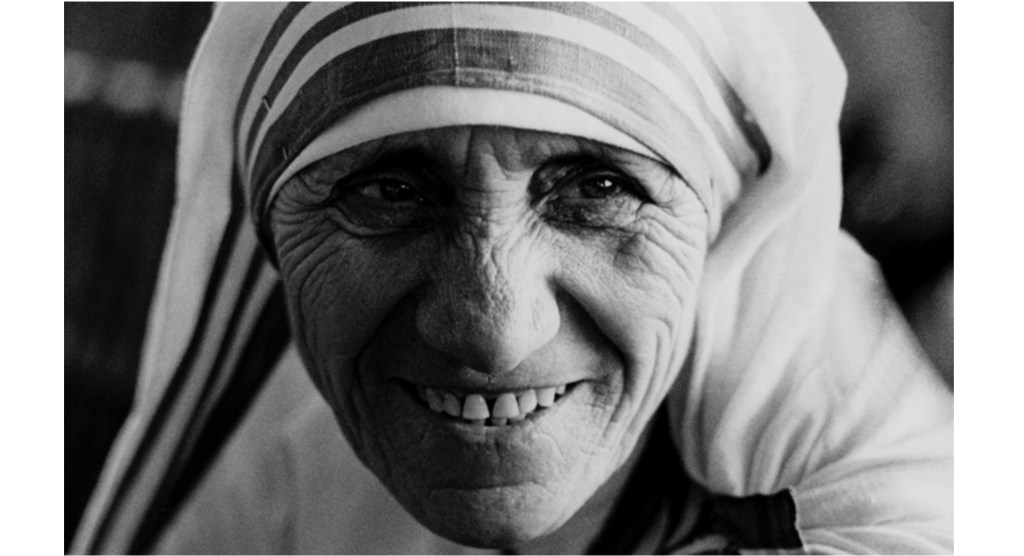
St. Mother Teresa sought to be a pencil in God’s hand. To be free enough to hear the invitation and call of Jesus and to follow wherever he leads. When we follow Jesus with that same kind of faith, we need not be afraid. He will give us just enough light to follow two steps ahead. When we take each step, he will then give us a little more light. Step by step, as we trust Jesus and walk with him, he will give us the strength and guidance to accomplish what his Father would have us do. Let us begin to “cross to the other side” (Mt. 8:18) by persevering in meditation and prayer, drawing strength from the love of the Holy Spirit, and trusting in the guidance of Jesus.


Photo: A quiet moment as an afternoon storm builds up.

Mitch, Curtis, and Sri, Edward. The Gospel of Matthew. Grand Rapids, MI: Baker Academic, 2010.

Link for the Mass readings for Monday, June 30, 2025

Peter and Paul each conformed their lives to Jesus the Christ the Son of the living God.

Jesus said to his Apostles, “But who do you say that I am” (Mt 16:15)?

Have we answered the same question that Jesus posed to his apostles for ourselves? Too often we move from this to that, one situation to another, putting out fires and moving from one crisis to another, distracted and diverted, or we are just seeking to make it through another day.

To be a Christian is not a call to stop living our lives, but it is an invitation to live our lives in, with, and for Jesus. We have been described as a People of the Book, along with Jews and Muslims. This is true, yet, even more so, we are a people of encounter; we encounter the Living Word, the Son of God, Jesus the Christ.

Peter and Paul encountered Jesus in their lives and were changed forever. We can encounter the same Jesus when we slow down enough to pray and meditate with the Word proclaimed in the Liturgy of the Mass or read in personal prayer.

As a very simple example: except for the first Office of the day, in praying the Liturgy of the Hours, the opening prayer is, “God come to my assistance, Lord make haste to help me.” I continue to embrace the depth of these words and resist the temptation to mindlessly state them and not really take in what I am saying. Also, how many times do we make the Sign of the Cross without being attentive to the profound act we have just engaged ourselves in?

Through invoking a prayer of asking for God’s assistance and making the sacramental gesture of the Sign of the Cross, we are acknowledging that the Creator of all that exists is a part of our lives. While at the same time, as St. Augustine taught, closer to us than we are to ourselves. We may lean on both prayers when tempted, stressed, or anxious. Each one is an affirmation of a commitment to resist giving in to a mindset of minimalism and self-centeredness. All things are possible when we intentionally choose to align ourselves with Jesus, participate in the communion of the Holy Trinity, and welcome the invitation to love others as God loves us.

Peter and Paul both answered the question that Jesus posed. Peter said, “You are the Christ, the Son of the living God” (Mt 16:16), and Paul “proclaimed Jesus in the synagogues, that he is the Son of God” (Acts 9:20)! They were willing to give their lives totally to Jesus and his mission. They allowed themselves to be steadily be conformed to the life of Jesus, holding nothing back even in their willingness to be martyred in Rome.

I invite you to read today’s Gospel account from Matthew a few times. Imagine being present in the scene, and then as Jesus approaches and asks, “Who do you say that I am?” Take a moment to think, pray, and then answer. How we answer this question makes a difference. The next question to entertain is, are we willing to follow Jesus?

Saints Peter and Paul, pray for us!


Painting of Saints Peter and Paul by El Greco, 16th Century

Link for the Mass of the Day readings for Sunday, June 28, 2025