Will we give to God his share? Will we receive his Son when he comes?

A foundational quality of a good leader, political or religious, would be that they seek the best interest of those they serve. Hopefully, they also seek to be good stewards. Unfortunately, self-interest is a tremendous temptation. For how long are they willing to approach the position as one who is willing to serve instead of being served? Another important attribute in a leader is their openness to critique and guidance when they are in need to hear it.

Jesus in today’s parable presents a landowner who turns his vineyard over to tenant farmers. They are to oversee the crops to bring about a productive yield of grapes come harvest time. A mutually decided upon part of the harvest would then be offered to the landowner. Unfortunately: “When vintage time drew near, he [the owner] sent his servants to the tenants to obtain his produce. But the tenants seized the servants and one they beat, another they killed, and a third they stoned” (Mt 21:34-35). Eventually, the owner sends his own son, and the tenants kill him.

Jesus offered this parable as a mirror to the “tenants” of his time, the chief priests and elders. The vineyard is an image used to represent Israel. Clearly, the owner is God, and the tenant farmers are those in leadership positions overseeing the care of Israel. We do not know which leaders hearing this parable took it to heart and changed their minds and repented from their self-centered focus. We do know that there were those who carried out exactly what Jesus laid out in the parable. They persecuted, beat, and killed the prophets, and would do the same to Jesus.

Jesus offered this parable hoping to soften the hearts of the leaders who were seeking to arrest him. He was hoping that they would repent, like Isaiah and the prophets had sought to influence the generations before him. Most of the leaders that Jesus shared this parable with unfortunately did not receive Jesus’ message, as was highlighted vividly when Jesus asked what the owner ought to do to with the wicked tenants. The chief priests and the elders did not show any mercy at all but instead, called for the death of the unfaithful tenant farmers. In refusing to repent and condemn those in the parable, they heaped punishment upon themselves.

Jesus said, “the kingdom of God will be taken from you and be given to a people that will produce its fruit.” The parable was not just for the chief priests and the elders, nor just for his disciples then, but also is for us today. All of us are stewards awaiting the return of the Son of the Land Owner. May we have eyes to see and ears to hear so that we may resist the temptation of the unfaithful tenant farmers. Let us not grasp at but instead receive and be grateful for what God has given us, resist the deadly sins of envy and greed, receive with hospitality his Son, and be generous as God is with us.

—————————————————————————————-

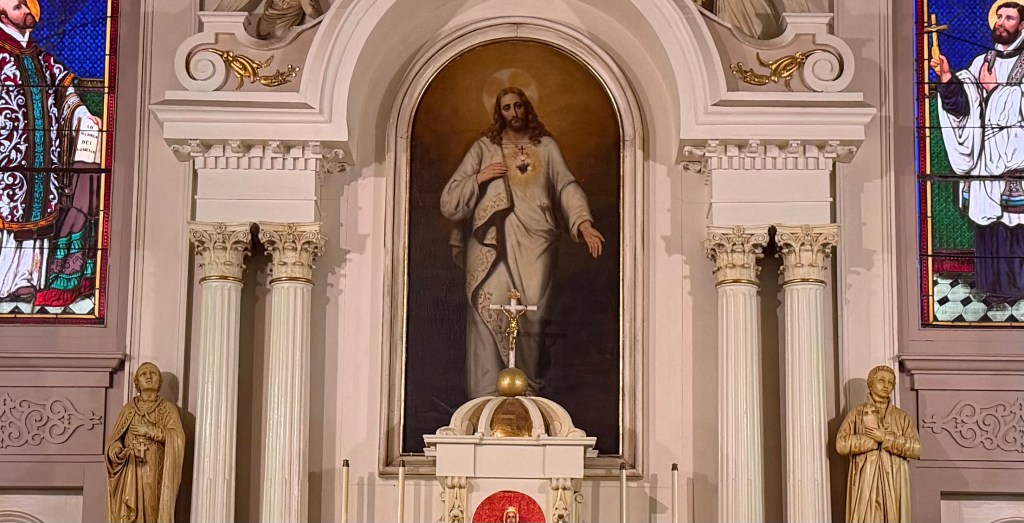
Photo: 6th century, Eastern Orthodox icon of Jesus. Grateful for his life, teachings, love, and guidance.

Link for the Mass readings for Friday, March 6, 2026

Almsgiving helps us to tap into the source of God’s love and service.

The Parable of the Rich Man and Lazarus (Luke 16:19-31) is well worth the read. Jesus challenges us through parables such as these. For the people of his time, those who had wealth and status in society did so, it was believed for the most part, because they were blessed by God. And likewise, those who were poor, were so because of God’s punishment. When the rich man and the beggar, Lazarus, die, I am sure Jesus paused to allow his listeners to imagine what would happen to these two men and to give their presumptions some time to ferment. Many would not have predicted what happened next.

Lazarus was taken up “by angels to the bosom of Abraham” (Lk 16:22). The rich man found himself suffering from the torment of flames, such that he was parched, begging just for a drop of water from Lazarus (cf. Lk 16:23-24). Abraham, the model of faith and father of Judaism, was not sitting with the rich man, who must have always been seated at the highest places in his day. Now that seat, at the bosom of Abraham, was offered to Lazarus. There was no hope at this moment for the rich man to cross over because of the wide chasm that separated them. An ironic subtlety was afoot as well in Jesus’ telling of the parable to the Pharisees. Lazarus the poor beggar is named, whereas, the rich man is not. Some biblical scholars, based on the context of this exchange with Jesus and the Pharisees, believe that Jesus was alluding to the rich man to be Herod Antipas and indirectly calling out the Pharisees for their close association with Herod, especially regarding the death of John the Baptist.

This state of suffering and separation for this rich man because of the uncrossable chasm, is a revelation of the life he lived prior to his death. He walked over or by Lazarus day after day not giving him even a second look. Lazarus would have been grateful even for the mere scraps that fell from the rich man’s table, just as the rich man now sought just a drop of water from the finger of Lazarus. The rich man committed the root offense from which sprouts much of our sin; he failed to bother, to care, to love his brother, to will his good. He failed to come close to Lazarus who was in need.

Jesus’ parable of the Rich Man and Lazarus, echoes very closely Matthew 25:40, “whatever you did for one of the least brothers of mine, you did for me.” How we treat each other matters. Failing to care, to reach out to those in need around us is sinful. We, probably like those who first heard this parable, experience time and again, a wicked mind storm that swirls with reasons, rationalizations, and justifications as to why we do not reach out to help. The majority, if any, are not valid. We are invited to give and to love joyfully from a natural, not a hesitant disposition, to provide aid and support.

Almsgiving is one of the three pillars of Lent and the practice helps us to heal our relationship with others. The first step is to be aware of those who are in need. This can be in our own home! Second, when we see someone in need and we feel the wind and the waves of our mind surging with reasons of why not to help, it is important to take a breath and call on Jesus. In that moment of pause, may we allow our eyes to adjust so that we can see the person before us as a human being, as a brother or sister with dignity, value, and worth.

What we are to seek in each moment of encounter is the guidance of Jesus and our willingness to allow him to work through us. May we be willing to be present and allow the Holy Spirit to happen in whatever form or act of kindness we are directed. We can do this best when we are daily entering into God’s word and allowing the Old and New Testament readings, especially these Lenten readings, to shape and transform us. When we trust “in the Lord”, we will be “like a tree planted beside the waters” (Jeremiah 17:7-8).

Almsgiving is the sharing of this spring flowing from the love of Jesus and helps us to grow in compassion and generosity. This flow will never run dry as long as we seek to be nourished by God’s word and his laws that teach us how to love one another. If not sure where to begin, we can pause and listen to Mary and do the same as she directed the servants at the wedding feast to: “Do whatever he tells you” (John 2:5).

——————————————————————-

Photo credit: When St. Mother Teresa picked up the first man dying in the street she began to put into action her call within a call to serve the poorest of the poor. How and who is God calling us to serve?

Link for the Mass readings for Thursday, March 5, 2026

Making time each day for a breath and a look up, we can reset with Jesus, experience his peace and rest.

Look at me, serve me, I want, are attitudes and dispositions that tempt us. Fame, honor, power, prestige may be another way of making the same point, which is that we often have a hyper-focus on self and self-promotion. Social media offers more of a platform to fuel this temptation. If we think this is something new with the advent of modern technology, we can look at today’s Gospel of Matthew to see that we have been operating from this posture for a very long time.

Jesus, for the third time, was attempting to prepare his disciples for his passion. He said: “Behold, we are going up to Jerusalem, and the Son of Man will be handed over to the chief priests and the scribes, and they will condemn him to death and hand him over to the Gentiles to be mocked and scourged and crucified, and he will be raised on the third day” (Mt 20:18-19).

The response of the mother of James and John (the two brothers make the request themselves in the Gospel of Mark) is actually not that surprising if we spend any time with people. She disregards what Jesus just mentioned about his imminent death and requests that when Jesus assumes his seat of power that her two sons will be number one and number two. The other disciples were quite indignant, and I can imagine what followed was not a pretty sight.

This is a good teachable moment. When we are preoccupied with what we want to say or are thinking about, we do not hear what someone right before us is sharing with us. The mother of James and John appeared not to hear what Jesus had just shared. She is believing that Jesus is the Messiah and that he is going to claim his throne, and wants to be sure that her boys, who have given their life to his cause will be taken cares of. She just missed the point that the throne of Jesus will be the cross. The apostles aren’t any better. They don’t correct her misperception of Jesus’ messiahship, they instead start jockeying for the position that she proposed James and John filled.

Jesus doesn’t condemn the mother’s request, he directs the brothers to the truth of the request and in so doing, brings the point back to where he had started. Jesus heard the mother, James and John, and the other apostles. His response answers the question, returns to the point he is making, and offers them a participation in his passion. To give them a place at his right and left “is for those for whom it has been prepared for by my Father” (Mt 20:23). This statement addresses them all by letting them know that the preeminent place in his kingdom, whoever is to be first, is the one who serves his brother and sister. This message is for all of us.

Jesus encourages us this Lent to take the focus off ourselves and get out of our heads. To let go of I, me, and mine. Even when we let go a little, we will feel more peace. Just a few intentional breaths help so much. We can also experience quieter moments when we get outside, look up, and see the expanse of the sky (Even in the cold of the north!). We’re no longer thinking about ourselves but touching the gift of our eternal nature and call to be one with God. Instead of feeling contraction, we can experience a restful release and sense of expansion.

When we allow ourselves to breathe, we can then let go of stress and the strain and the energy we expend following the distractions, diversions, and temptations that keep us on a treadmill pace. A few breaths can also help us to stop and choose to spend a few moments with Jesus. He will then, as he did today with the apostles, redirect any ways in which our mindset is not aligned with his Father’s will. We can then place God’s priorities for our life first, properly order our own, and/or let go of any that are not of his will.

When we are able to breathe, receive, and abide in God’s love, we experience real rest, discern and make decisions from his guidance, and begin to experience more change and transformation, healing and renewal. We will begin to bear the fruit of the spirit: “love, joy, peace, patience, kindness, generosity, faithfulness, gentleness, self-control” (Galatians 5:22-23). When we let go of the desire to be first or best, to sit at the right or left of Jesus, we will rest in being who we are, God’s beloved daughters and sons. Identifying as such, we will experience more of God’s love, let go of the need to be served, experience more balance, be moved to serve and share the love we have received.

——————————————————————————

Photo: Looking up and outward, and breathing deep, experiencing the love of God. May you also do and experience the same!

Link for the Mass readings for March 4, 2024

Let us put into practice Jesus’ teaching, and help one another with each step forward.

The challenge of Jesus’ convicting the hypocrisy of many of the Pharisees may be one for which most hearers and readers would agree with: “For they preach but they do not practice. They tie up heavy burdens hard to carry and lay them on people’s shoulders, but they will not lift a finger to move them” (Mt 23:3-4).

We have an innate sense that alerts us to hypocrisy and when hypocrisy raises its head with religious leadership it can be catastrophic because many, especially our youth, look to our leaders, as representatives of the God they are to be serving. Inexcusable behavior not only affects how we look at our leaders, it also affects the way we look at the institution, as well as God. The Catholic Church is still reeling from not only those clergy who have abused children, but those bishops who have covered up the abuse.

As horrific as these acts are, and even though there have been many improvements that have been made to put practices and protocols in place, the damage is still there and will take time to heal. There also are many other ways that people have been hurt or disillusioned by the hypocritical actions and statements of priests and leaders in the church. It is easy to give up, walk away and say this is not my problem, to point fingers and justify our own acts of hypocrisy by saying well at least I am not that bad. Yet even the human frailty and fallen nature of each of us does not change the truth that Jesus is the way, the truth, and the life. He is the source of our being and fulfillment.

Even for those who have left the Church, many would say they are still spiritual. This is true because, we all have the inborn desire to be in relationship with the God who has created us. Those of us who are followers of Jesus, are to receive the message as he gave it then directed toward the religious leadership of his time, as well as it was given for his disciples, and each of us who follow him today. The standard that is set and for which we strive after is to live as Jesus lived his life.

Jesus always pointed the way to the Father. We as human beings are finite and we are going to make mistakes and sin. While Jesus is our model, even more, he is the source for our living faithfully to his teachings. Through his forgiveness and love working through us and directed out toward others, we are capable of standing up for the dignity of those entrusted to us within our realm of influence. For we are to be our brothers’ and sisters’ keepers.

If we want to guide someone in the ways of our faith tradition it is not enough to say this is what you need to do and live accordingly. We need to put into practice and live what we are sharing, be willing to accompany, assist, and walk with those we accompany along the way. As a Christian, just giving someone the Bible, saying there you go, that’s all you need, and quoting a couple of scripture passages is not enough. If we are sharing a principle to put into practice and we are not willing to lift a finger to help them, or worse to not put it into practice ourselves, we do more damage than if we said nothing.

Jesus calls us this Lent, and everyday, to resist judging and condemning, to love our enemies, to be forgiving, and merciful. Powerful actions to live up to and even a heavier lift than the laws of the Pharisees. To say that the bar Jesus sets is high is an understatement, and yet, the One who calls us to follow them, lived them out perfectly. We not only learn about the life and teachings of Jesus but even more importantly, when we pray with, meditate upon, contemplate, and then seek to put into action his teachings, Jesus empowers and assists us to live them out. Apart from him we will not be able to carry out one of his commands, with him all things are possible.

Even when our leaders fall, we need to remain in the Church. Nor can we use poor leadership as an excuse not to be willing to see where we sin and seek to improve. When we miss the mark, let us be humble, ask Jesus for forgiveness, and his help to continue forward step by step. From our own experiences of falling down and getting back up, we are better able to help others. The most important guidance we can give anyone is to help them to encounter and experience Jesus for themselves. Even when we fall, they will still have Jesus as their ultimate guide. We can hold each other accountable and help each other as we continue our journey through this life side by side.

————————————–

Photo: Mosaic of Jesus the Pantocrator offering his blessing in the cathedral in Cefalu, Sicily, Italy.

Link for the Mass readings for Tuesday, March 3, 2026

“A bright cloud cast a shadow over them…”

Our life can be an experience both of sadness and joy, desolation and consolation, doubt and hope. We can experience an ebb and flow where we suffer from trials and also celebrate triumphs. The key to living a life of faith is to seek God in either experiences. Jesus today provides an opportunity for Peter, James, and John, the inner circle of the Twelve, to experience an expression of his divinity for he was transfigured before them; his face shone like the sun and his clothes became white as light. (Mt 17:2). Jesus revealed his divine nature to his disciples in a powerful display to prepare them for the Passion that he was about to endure. The experience is also a foreshadowing of his Resurrection.

Jesus, in this living word proclaimed or read today, invites us to experience the Transfiguration, the Passion, and the Resurrection in our own lives. We can miss a transfigured moment when we assume a posture of pride, not acknowledging God’s leading by believing we achieved or arrived at our present station in life on our merits alone. We can experience moments of transfiguration when we acknowledge that God breaks into our lives at that moment when we need him most and recognize the assistance he has given us, and/or when he has revealed to us the path and direction we were to take. The natural response is to offer prayers of thanksgiving, recognizing that we don’t go it alone, that God and those he sends to help us are a tremendous support.

Jesus is also present in our desolations. Many of us run from our suffering, we are afraid of the Cross. But it is through the Cross that we come to experience the Resurrection. We may not be aware, but when we run away from our suffering, we are running away from Jesus who awaits us with arms wide open to embrace us; to comfort us, heal us, and transform us. To experience the embrace of Jesus, we need to be willing to face our suffering.

Jesus cares from the deep place of understanding in experiencing his own tremendous suffering. He in the Garden of Gethsemane sought another way than the Cross, he asked for the cup of his death to be taken away, but he chose his Father and his will. He obeyed and set his face firm and accepted the upcoming suffering and death. In doing so, he then was also to experience his Resurrection and Ascension. Jesus now in his glorified body can be there for all of us, to lead us through our sorrows and trials.

The older I get, the crucifix becomes more of a consolation. This icon of Jesus, his body broken, emptied out for us on the cross, represents how he entered the full range of our human condition. He assumed our sin, our anxiety, fear, and selfishness, and transformed the worst of our fallen nature through his love such that we are offered the opportunity to be forgiven and redeemed. The crucifix is not a sign of despair, but of hope and transfiguration, for it reminds us that no matter what we go through, what trial that we may be in the midst of at this very moment, Jesus understands and is present with us.

Looking and meditating upon Jesus on the Cross has provided me moments of transfiguration, granting me the courage that I did not have to face various conflicts, challenges, and trials, which has only increased in my first year and half as a priest. And in facing each challenge for myself as well as those I pray for, Jesus has been by my side. As he looks down from the cross he loves us despite our sins, our weaknesses, and failures and is willing to lead and accompany us through the ups and downs of life, so that we too may be renewed and transformed.

The transfiguration was for Peter, James, and John a preparation for the glory of Jesus’ crucifixion. Their experience strengthened them as they witnessed the horror of their teacher and friend’s death and the struggles they would face in their the ministry. May we spend some time mediating and praying with the words of today’s gospel, experience again the glory that Peter, James, and John did, and savor that gift. May we breathe in deep the radiant light of the Father shining through the clouds and experience the love of the Trinity so that we too may face with Jesus, what rises before us. All is grace, as long as we bring all we experience to Jesus, and follow his guidance.

________________________________________

Photo: “This is my beloved Son, with whom I am well pleased; listen to him.”

Link for the Mass readings for Sunday, March 1, 2026


Our words matter, and often they begin with our thoughts.

Jesus calls us to be holy, each and every one of us. Our life is to be lived with the end goal being heaven, to be in union with our loving God and Father for all eternity, and to assist others to do the same. Jesus provides for us a concrete example of the heights to which we are called to reach: “You have heard that it was said to your ancestors, You shall not kill; and whoever kills will be liable to judgment. But I say to you, whoever is angry with his brother will be liable to judgment, and whoever says to his brother, Raqa, will be answerable to the Sanhedrin, and whoever says, ‘You fool,’ will be liable to fiery Gehenna” (5:21-22). Jesus is building on the Torah, the Law or the Teachings, by helping us to realize that we cannot only kill with weapons but also inflict dehumanizing and debilitating damage with our words.

To resist this temptation of inflicting mortal wounds, we need to start participating in a deeper examination of interior life which gets to the roots of our own thoughts, words, and actions. If we are not able to discipline our thoughts, what will follow is undisciplined words, and then undisciplined actions. This slippery slope can lead to entertaining and embracing the deadly sin of wrath. Wrath is unbridled anger that leads someone away from the capacity to think or behave in a rational manner, such that this individual would no longer acknowledge the dignity of the person they would inflict their wrath upon.

Jesus never settled for a minimalist approach to our faith. He consistently provides teaching, examples, and most importably the grace for us to see that we can be free of the temptation of wrath if we recognize the danger and destruction of unleashing words as weapons. Jesus the examples of calling someone, Raqa, meaning something along the lines of an air-head or an idiot, and calling someone a fool. These words directed at another have no other cause than to demean, degrade, belittle, and harm. This language, and worse, has no business coming out of the mouths of a disciple of Christ. If we are serious about being one of his followers, we need to make a decision regarding how we think, speak, and act.

I remember a moment in sixth or seventh grade letting loose a derogatory word or two toward a classmate. Even though they were tossed out in jest, I felt a sinking feeling in my gut. God convicted my heart in that graced moment and I felt contrition, actual sorrow for the negativity and poison I had unleashed. I remember making a commitment to myself not to speak that way toward another person again.

Our words have the power to wound or to heal. If we are serious about following Jesus, fasting from gossip and from words that belittle, divide, diminish, or dehumanize is a good practice to engage in this Lent. Jesus wants us to remove any and all obstacles that would prevent us from growing in his unconditional love for him and one another. Instead of hurtful, we can share words that empower, uplift, and comfort or at least listen more and speak less. Even when we disagree with another’s point of view, we can do so by still respecting the person and fostering dialogue.

We are to love, to will the good of each other, and pray for each other in all circumstances. In this way, our words will be kinder as we resist entertaining negative or dehumanizing thoughts. Our faces are good barometers. Even when we have defensive musings resulting from another’s disparaging tone, words, or actions, we need to resist entertaining them. When we are aware of and feel our own facial gestures, we can identify our mental reactions, and begin to breathe, pray to the Holy Spirit for understanding, pray for the person, and if necessary hold each other accountable with boundaries and respect. Just this shift in attitude can make a big difference.

—————————————————————

Photo: May God bless you with a peaceful mind and heart this day that you can share with others. If you need to clear your head from some anxiety or frustration, a nice walk may help!

Link for the Mass readings for Friday, March 27, 2026

Greater than Solomon and Jonah.

There is something greater here! Something greater than the wisdom of Solomon and something greater than the preaching of Jonah. Someone greater than the kings and the prophets who went before. Jesus.

We are called to live our faith out in Jesus daily. This is not a part-time vocation. We all have a unique gift in the dignity we have been conceived and born with. We have a unique way to express and live out our dignity as well. We have been created in the image of God, but through sin, we have lost our likeness to him. We are tempted, misdirected, distracted, and diverted from experiencing God’s love for us and plan for our lives and this can lead us away from God. The further away from God we are the more our likeness to him diminishes. Jesus calls us back to spend time with his and our Father so that we can be forgiven, healed. As we do so and grow in our relationship with him, our likeness is restored more and more.

As Jesus taught, often in his parables, the kingdom of Heaven on earth starts small, like a mustard seed, like yeast, and develops slowly when nurtured. Lent is a good time to slow down, step back, take a retreat even while in the midst of our everyday activities. We just need to insert some intentional and dedicated time to spend with God alone each day. In doing so, we will better come to know him, his word, and guidance.

One of the reasons we may feel a bit restless is that we are engaged in activities in our lives that miss the mark of who we were created for. We are missing the relationship with God that he is inviting us to participate in because we are allowing ourselves to be distracted and too busy to see where we have been led astray. The sign of Jonah that Jesus offers us is repentance. The whole of Nineveh repented even though Jonah was hoping that they would not. He hoped they would be punished by God! Jesus seeks our repentance, our willingness to turn back to see the open arms of our God and Father wide open ready to receive us, to lead us back to the truth of who we are as his beloved daughter or son.

If you are feeling a bit restless, on edge, or out of sync, I invite you to make some time to be still and breathe, this can be while in the shower, when you have some breakfast, a morning walk, or taking a sip of coffee or tea. During this time ask God for some guidance. We can ask him to help us see those areas that we need to repent from and let go of, those thoughts, words, and actions that keep us distracted, redirected, and off-kilter as to who God is calling us to be. We can then confess to him and receive his forgiveness and reconciliation.

God invites us to create times of silence to sit with our wounds and traumas. Many times we do not want to be still or quiet because there may be unresolved issues, hurts, and/or pain that we would rather not face. We may believe the lie that if we allow ourselves to feel what is deep down there, that we will be completely undone. God is present and waiting, inviting us to come to experience acceptance and love as we are, to feel safe, and honest. From this place of vulnerability, we begin with simple steps of trusting in Jesus and his healing.

Jesus said in today’s Gospel that, “There is something greater here.” Christianity is not a secret sect. We are called to share the joy, the forgiveness, healing, and reconciliation we experience from God with others, even with, as Jonah found out, our enemies. We are to look for opportunities to offer a smile, an encouraging word, to reach out to someone we have been meaning to connect with for a while, in person or far away, and/or someone that we may sense just needs a listening ear. We can also can ask for God’s patience so that we may react less and become more understanding and present. There may be places we are hurting and this is true for so many others.

Lent can be a joyful time when we enter into the season with the intent to deepen our walk with the One who is wiser than Solomon and preached repentance and reconciliation. With our hearts and minds turned back and open to God, Lent will not so much be a drudgery to endure, but a joyful embrace of the opportunity for experiencing a change of mind more open to dialogue, forgiveness, healing, sharing joy, reconciliation, and contributing to building up the kingdom of God one healing at a time! Hurt people can hurt people, and hurt people can also experience the healing of Jesus and become people who are healing and willing to help heal people.

———————————————————-

Photo: Who is greater than the One who is willing to give his life for us and seeks our healing and redemption? Quiet time of prayer in the Cathedral of St. Ignatius of Loyola after Bishop Manuel DeJesus Rodriguez’s ordination.

link for the Mass readings for Wednesday, March 25, 2026

5:1 + 5 Finger Gospel = Loving Jesus and our neighbors as ourselves.

Our readings today help us with one of the pillars of Lent. Almsgiving. We can give alms monetarily as well as through our thoughts, words, and actions. How we treat each other matters. How we speak to each other or about each other matters. Even how we think about each other matters. Not only do our actions come from our thoughts but we also project them out to others whether we are aware or not that we are doing so. When we are able to be more intentional regarding how we think, we can be more aware of our actions. We really do not have to immediately react in situations independently or with others. We can first take a few deep breaths, think, and seek some guidance from the Holy Spirit before we entertain a thought, speak what is moving from our mind to our lips or leading to an action. We can discern how what we are about to do will affect ourselves and others around us.

One way to go a little deeper and more discernment about what we think and say into practice is to follow the psychologist, Dr. John Gottman’s 5:1 principle. When you think a negative thought about someone and before you share that thought, think and write down five affirming thoughts about that person. Many times we will find that by the time that we get to the fifth affirmation we will have forgotten the negative quip that sought the light of day.

Jesus is very clear in today’s Gospel from Matthew, “Amen, I say to you, whatever you did for one of these least brothers of mine, you did for me” (Mt 25:45). All of us are interconnected. What we do to one another affects everyone. Jesus is very clear that what we do or do not do to each other we do to Jesus. It would be very helpful for us then to get to know Jesus. One way is to continue to read the daily Gospel offered to us each day or read them at our own pace. The Gospels reveal to us Jesus’ words, teachings, life, ministry, and actions. A daily, prayerful and meditative reading helps us to not just know about him but to know Jesus.

In meditating on today’s gospel account, Jesus helps us also to know that we will come to know him better in serving one another. For as we do or do not do, we will come to know or not know Jesus better. When we throw a stone into the middle of a pond, the ripples of the water circle out to touch the bank and go even beyond what we see. When we think a thought, offer or withhold an action, speak or not speak, this same ripple effect happens.

When we give into cynicism, apathy, or disinterest regarding the needs of another, we are cutting ourselves off from Jesus. These ripples of inaction have a negative effect that ripples out. When we are moved by the Holy Spirit to reach out to help someone in need, to be more understanding, kind, and willing to move beyond our insecurities, prejudices, and biases; when we do listen, risk, and move out toward another in love by willing another’s good, and put Jesus’ teachings into practice, we begin the healing of our relationship with God, ourselves, and each other. We will then love our neighbor as ourselves as we received from Leviticus 19:18 in the first reading. We can certainly experience a few more of these ripples!

St. Mother Teresa loved her neighbors radically well by putting into practice what she called her Five Finger Gospel, which is a summary of Matthew today’s gospel. She taught each person in her order and anyone she had the opportunity to pass it on to that each finger on her hand represented the words: “You – did – it – to – me.” When we entertain a thought today, are about to form a word, and are about to follow through on an action, may we first take a breath, ask Jesus to guide us, and then look at the five fingers of our hand before following through. Would we continue to think the thought, say the word, or follow through on the action if Jesus was in front of us? Because he is. For what we do to each other, we do it to Jesus.

———————————————————————————–

“I alone cannot change the world, but I can cast a stone across the waters to create many ripples.” We can too!(Photo credit: Getty images)

Dr. John Gottman’s 5:1 principle I learned from Dr. Arthur Brooks’s discussion with Bishop Robert Barron through the Word on Fire Institute. To watch Dr. Brooks talk on loving our enemies and to consider becoming a member of the Institute: wordonfire.institute/bishop-barron-presents-nov-2019/

Link for St Mother Teresa sharing her five finger gospel starts about 30 seconds in:

Link for the Mass readings for Monday, February 23, 2026

“I have not come to call the righteous to repentance but sinners.”

Think about how good we feel after coming to be on the other side of healing from a bad cold or the flu, recovering from a twisted ankle, a broken collar bone, or other health conditions. If you have ever experienced an asthma attack or had the breath knocked out of you, it is such a relief to able to breathe fully again. We experience a feeling of wholeness that was missing during the midst of our suffering where we may have pondered a time or two whether or not we would ever get better.

The same can be said for estranged relationships. There is a distance of separation that can be agonizing, an inner gut-wrenching experience that gnaws away at us. We wonder if there can ever be a coming back together. When there is reconciliation, forgiveness, and mending of the brokenness, we can experience relief, lightness, and joy that we never imagined possible while in the midst of the conflict, the silence, and the separation.

Sin damages our relationship with God and one another. Unchecked and unbridled sin can rupture those relationships. The Pharisees and the scribes questioned why Jesus was eating with tax collectors and sinners, and Jesus replied: “Those who are healthy do not need a physician, but the sick do. I have not come to call the righteous to repentance but sinners” (Lk 5:32).

Jesus is a light in the darkness. For Levi and his friends, who were ambling in the darkness, Jesus shone gently and warmly. They realized there was a sage path to walk and they did. A great celebration of fellowship ensued in Levi’s home because these men and women, who had been outcasts, who were separated from the greater community were forgiven, welcomed, and embraced. They were loved by Jesus as they were. They did not have to change first for Jesus to call Levi and gather with them.

They were welcomed into the kingdom and reign of God. Their ticket to reconciliation and healing was accepting the invitation of Jesus, to receive and experience his love and welcome. Levi and the other sinners did not run from the light of Jesus, but were willing to recognize their need for healing, were willing to repent, to turn away from their prior ways of life, and so were reborn!

They were divinized because of their willingness to participate in the life of Jesus. Levi chose not to just be a repentant sinner, but continued to follow Jesus. He gave his whole life to him and allowed himself to be transformed. He chose to leave the path of darkness and to follow the Way. He continued to follow Jesus such that it was no longer he who lived, as Paul had experienced, but Christ who lived in him (cf. Galatians 2:20)!

Jesus invites us, as he invited Levi, to come and follow him. We are given the same invitation and opportunity for healing, discipleship, and transformation. Will we resist rationalizing and justifying our sinful thoughts, actions, and habits, welcome the light of Jesus that reveals our venial and mortal sins, and admit that we are in need of healing, repent, be forgiven, and be released from all the energy we have expended in protecting and hiding from ourselves and our God who loves us more than we can ever mess up?

We say yes, by quietly spending time, especially each evening, and recalling our day. When we are willing, Jesus reveals to us those ways in which we have not lived according to his will. Jesus does not reveal our sins to condemn or shame us, he does so to convict us in the hope that we will identify, renounce, and confess them. Then he will forgive us. Even when uncovering deeply rooted and mortal sins, through the intimate encounter with Jesus in the Sacrament of Reconciliation, we will be forgiven and freed.

Jesus loves us as we are. Yet holding on to our sin, keeps us at a distance from experiencing the greater breadth and depth of his love. We only need to be willing to be contrite, to embrace sorrow for the harm we have inflicted with our personal sins, and go to the Divine Physician in our time of prayer and/or Reconciliation. Once absolved, the heavy weight is lifted and we are healed and go forward into the light to engage in penance, atone for our sins, and are better able to forgive others as we have been forgiven, and to love as we have been loved!

——————————————————————–

Photo: Jesus is the light that reveals the path to lead us out of darkness.

Link for the Mass readings for Saturday, February 21, 2026

A fast from the busy can help us to decompress and reset.

In the Gospel of Matthew, we read today about the account of Jesus comparing himself to a bridegroom: “The days will come when the bridegroom is taken away from them, and then they will fast” (Mt 9:15). In a sense, the bridegroom has been taken from us, in another sense, he is closer to us now than he was when he was with his disciples and walked the earth. The fullness of his reign though will not be consummated until Jesus comes again, but while we wait, when we are willing to set aside other distractions and be still, we can hear and experience of the beating of his Sacred Heart.

We need food for our survival, but we don’t need as much as we think we do! Fasting from food is not the only focus of our Lenten fast. The discipline of fasting provides an opportunity to keep our passions in check. By resisting the impulse of instant gratification, we are able to better discern between apparent goods and the actual Good in our lives. When we are able to navigate through the maze of distractions, diversions, temptations, and allurements on a physical level, we can begin to go deeper into the spiritual reality to begin to expose some of the demons that we feed, such as “distrust, apathy, and resignation”.

Pope Francis mentioned that these three demons “deaden and paralyze the soul of a believing people.” He continued by stating that: “Lent is the ideal time to unmask these and other temptations, to allow our hearts to beat once more in tune with the vibrant heart of Jesus.”

When we are willing to discipline our impulsiveness, to slow down, to take time to recollect even with a few deep breaths, we can begin to see more clearly God’s will for our lives. We can then be more open to God’s invitation to grow in relationship with him and each other. We can better assume the posture of John the Apostle by resting our head on the chest of Jesus (cf John 13:25), such that our hearts will beat in the same rhythm as his Sacred Heart.

This is the gift of contemplation drives us to service. This is the same rhythm that beat in the prophet Isaiah who reminds us in today’s first reading what true fasting is all about:  “releasing those bound unjustly, untying the thongs of the yoke; Setting free the oppressed, breaking every yoke; Sharing your bread with the hungry, sheltering the oppressed and the homeless; Clothing the naked when you see them, and not turning your back on your own” (Isaiah 58:6-7).

————————————————————————

Photo: Stillness, quiet moments, while experiencing the wonder of God’s creation helps us to experience, can help us to slow down and allow our heart to beat with he rhythm of Jesus’ sacred heart.

Link for Pope Francis homily:

Pope Francis offers a “worksheet” for Lent: Check it out!

Link for the Mass readings for Friday, February 20, 2026